
2003 Wabash Van Trailers For Sale
Browse 2003 Wabash van trailers. Compare dry van specs, dimensions, doors, suspension, floor type, roof condition, and tandem setup.
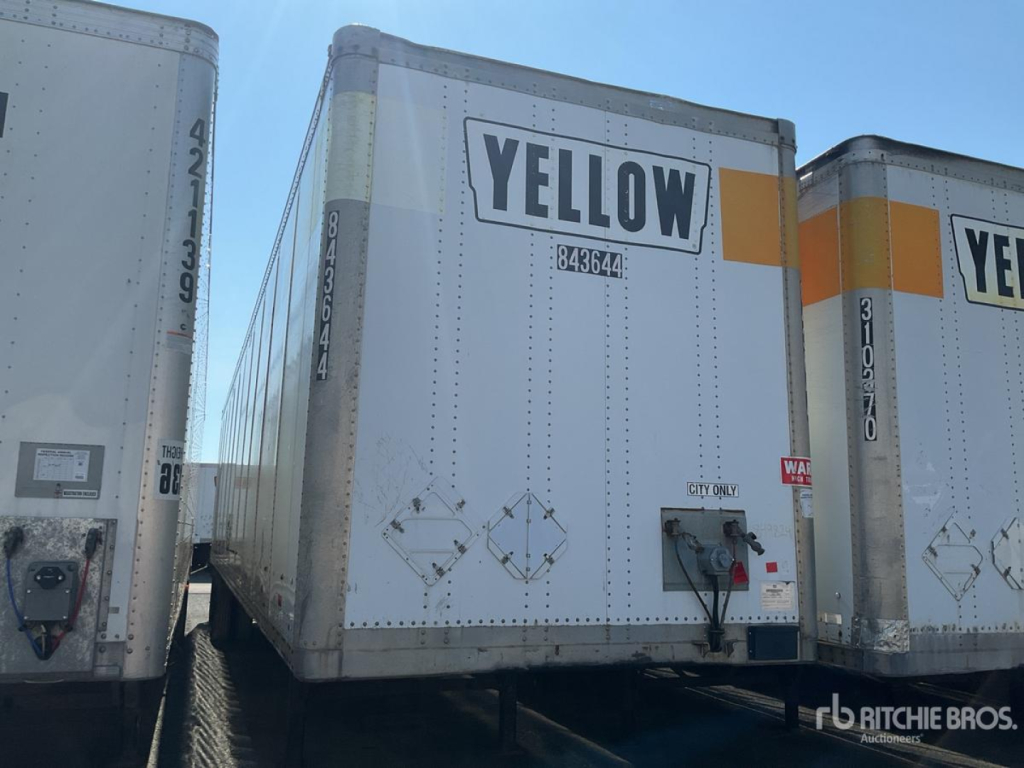
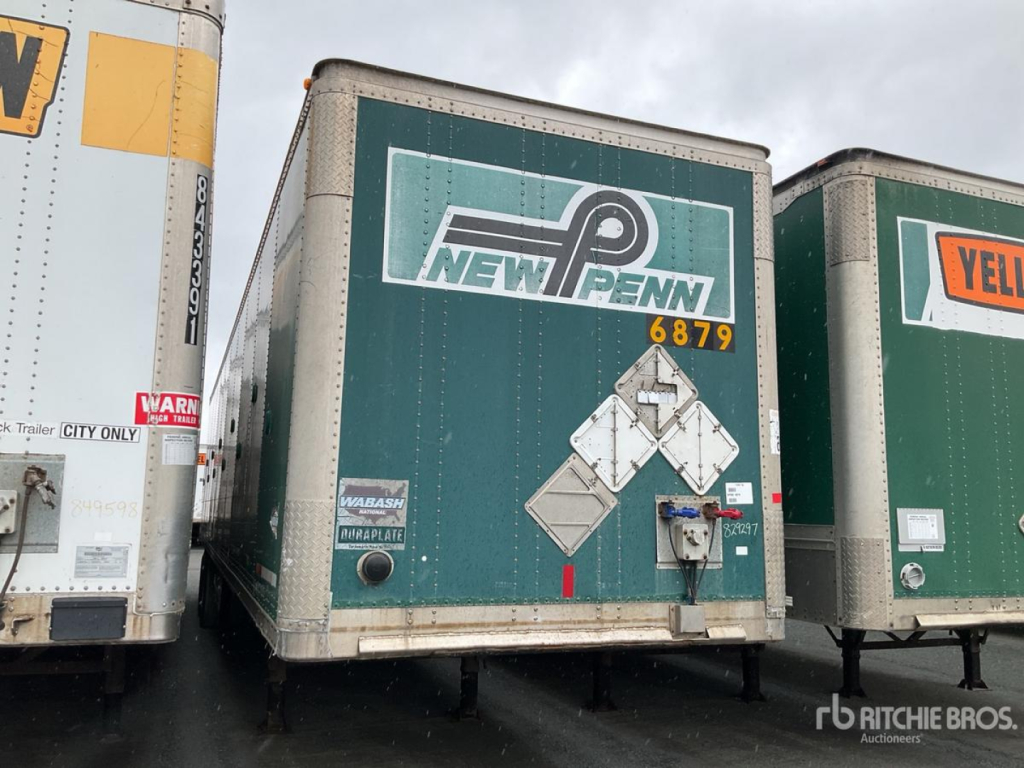
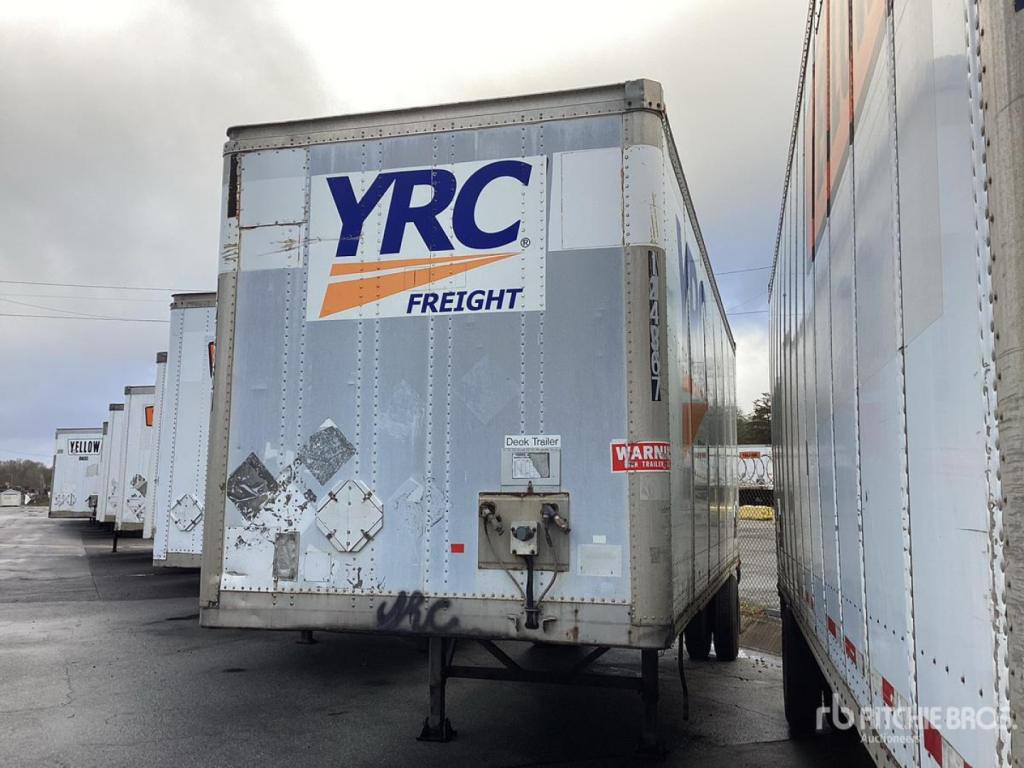
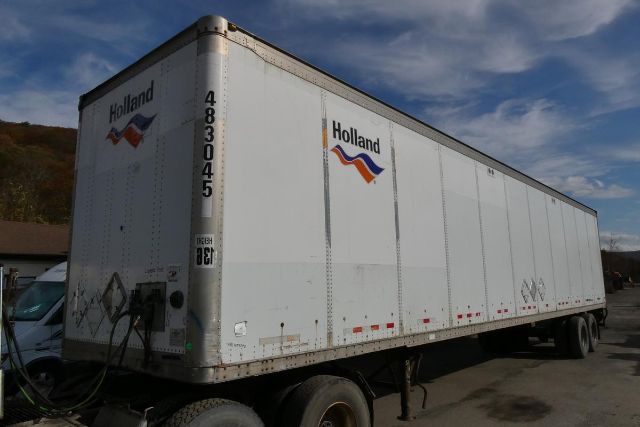
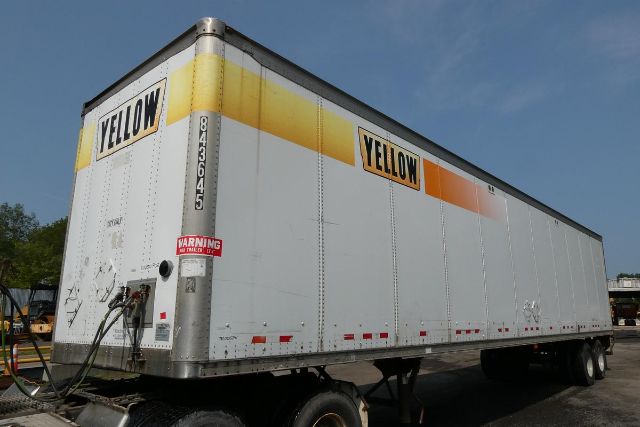

Have 2003 wabash van trailer to sell? List it here to reach thousands of buyers.
2003 Wabash Van Trailers
On an older van trailer, condition is usually more important than age alone. Pay close attention to roof type, front wall integrity, crossmember condition, floor wear, and signs of previous dock or forklift damage. Wabash trailers from the early 2000s often used an aluminum and steel combination design with wood floors over steel support structure, so it is worth checking for soft spots in high-traffic forklift lanes, patched floor sections, corrosion around landing gear mounts, and repairs near the rear frame and door surround. Roll-up doors are common and convenient at crowded docks, but swing doors can offer a better rear opening and simpler maintenance depending on the application. A translucent roof can improve daytime visibility inside the box, but buyers should inspect closely for leaks, prior patching, and water damage along the upper rails and interior lining.
Specification details matter if the trailer will be dropped in a mixed fleet. Sliding tandems affect bridge law compliance and dock positioning. Suspension type changes ride quality and maintenance profile, with air ride generally preferred for more sensitive freight and spring ride often valued for simplicity. Tire size, wheel type, brake condition, and hub-piloted steel rims should be reviewed as part of total reconditioning cost. Interior equipment such as scuff liners, logistics posts, duct floors, and plastic or plywood lining can also determine how well a trailer fits grocery, parcel, retail, or general commodity service. Buyers moving cube freight should confirm interior height and door opening, especially on trailers that may have had floor rebuilds or roof repairs over time.
A 2003 Wabash van trailer can still be a practical asset when the structure is sound and the trailer matches the lane. For short regional runs, storage use, seasonal overflow, or dedicated shipper work, an older dry van often makes sense when purchase price is balanced against remaining floor life, brake and tire condition, and the amount of cosmetic or structural repair needed. The best buying approach is to judge each trailer on maintenance history, prior fleet use, and how its dimensions and equipment line up with your freight, docks, and state bridge requirements.
Frequently Asked Questions about 2003 Wabash Van Trailers
What should I inspect first on a 2003 Wabash van trailer?
Start with the structure. Check the roof, front wall, rear frame, crossmembers, floor, and suspension mounts before focusing on cosmetic issues. On an older dry van, water intrusion, forklift damage, cracked crossmembers, soft floor sections, and rear door frame damage can turn a low purchase price into a high repair bill. Tire condition, brake wear, and tandem slider function should be part of the first inspection as well.
Are 2003 Wabash van trailers usually good for over-the-road freight?
They can be, but only if the trailer has been maintained and the major structural components are still sound. Many 2003 dry vans remain useful in regional haul, drop trailer service, warehouse shuttles, and dedicated lanes. For heavy over-the-road use, buyers should be more demanding about floor integrity, suspension condition, roof leaks, alignment, and door seal condition because downtime and cargo claims can erase any upfront savings.
What length and axle setup are common on Wabash van trailers from this period?
The most common setup is a tandem axle dry van in 48-foot or 53-foot length, typically 102 inches wide with air brakes. Many were built with sliding tandems to help with bridge law compliance and weight distribution. Exact dimensions and kingpin settings can vary, so buyers should confirm overall length, interior cube, tandem travel, and axle spacing against their operating area and customer dock requirements.
Is air ride better than spring suspension on an older dry van?
Air ride is generally preferred for ride quality and protection of sensitive freight, especially in retail, packaged goods, and higher-value cargo applications. Spring suspension is simpler and can be less expensive to maintain, which appeals to some fleets using older trailers in basic freight service. The better choice depends on freight type, maintenance standards, and how much suspension wear is already present on the trailer you are considering.
Do roll-up doors or swing doors make more sense on a dry van trailer?
Roll-up doors are popular in city and dock environments because they open without needing rear swing clearance and are less exposed to damage from improper door securing. Swing doors usually provide a cleaner full-height rear opening and can be easier to repair when hinges, seals, or panels wear out. The right choice depends on your docks, loading patterns, and how often the trailer is used in tight urban spaces.