
2003 Van Trailers For Sale
Shop 2003 van trailers with specs that matter, including length, suspension, doors, floors, logistics features, and dry freight applications.
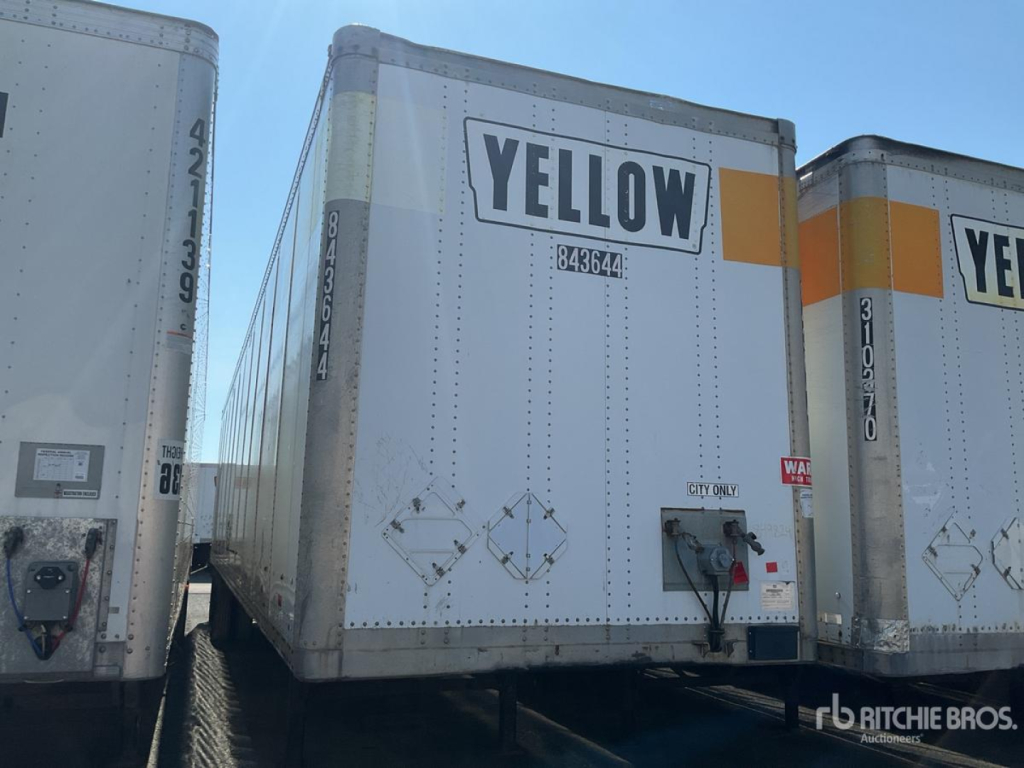
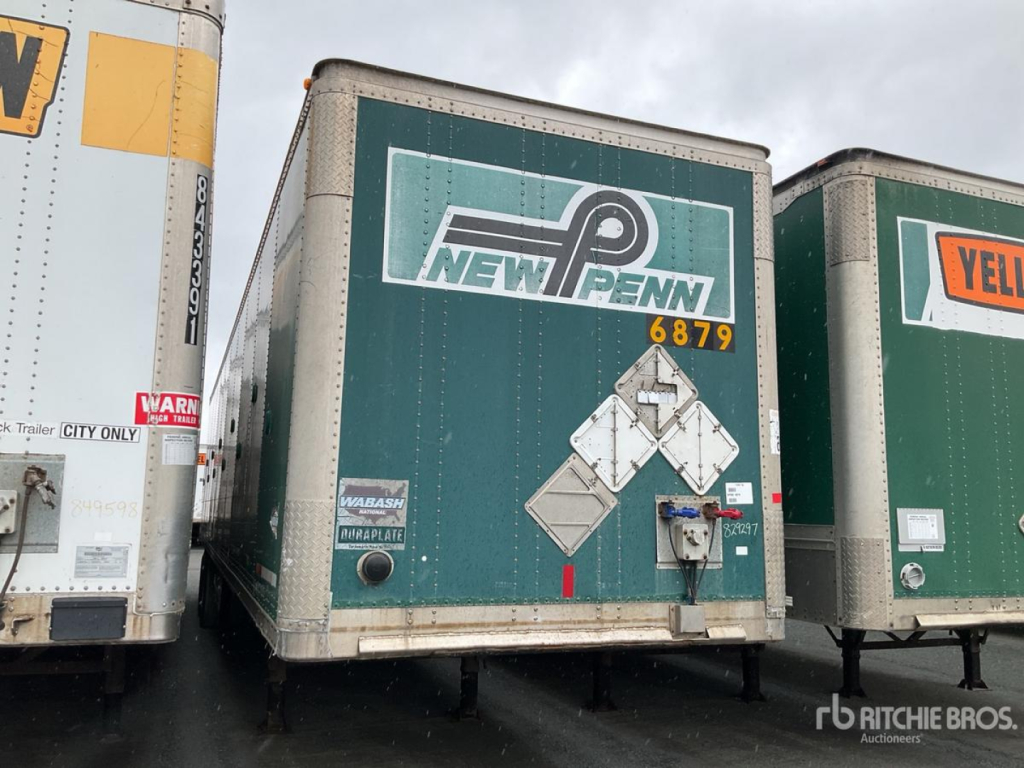
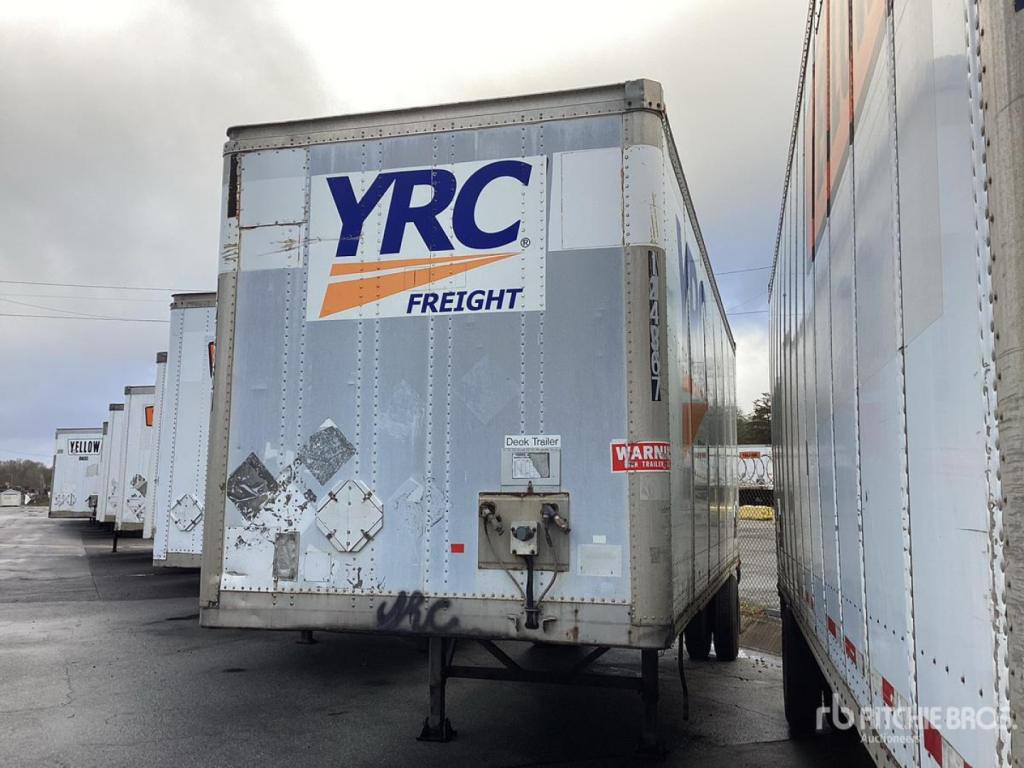
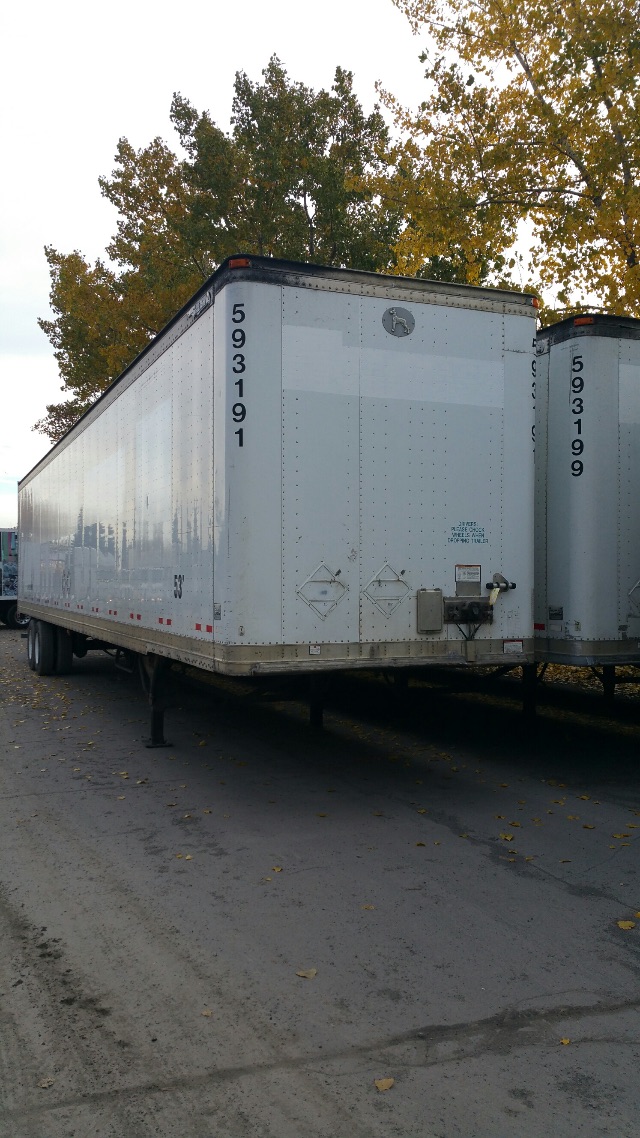
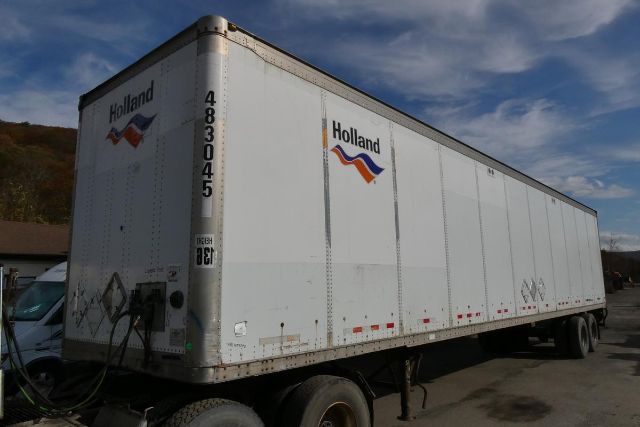
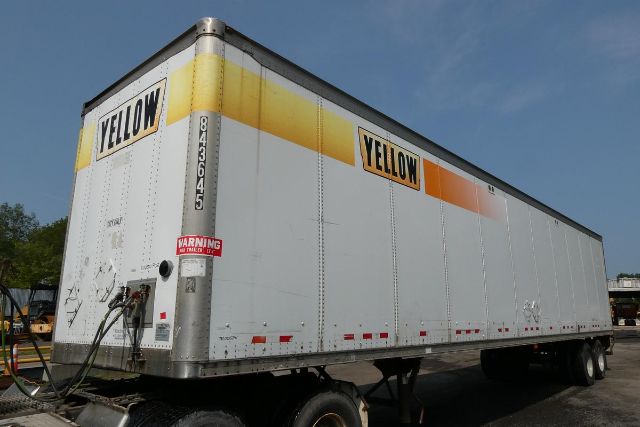
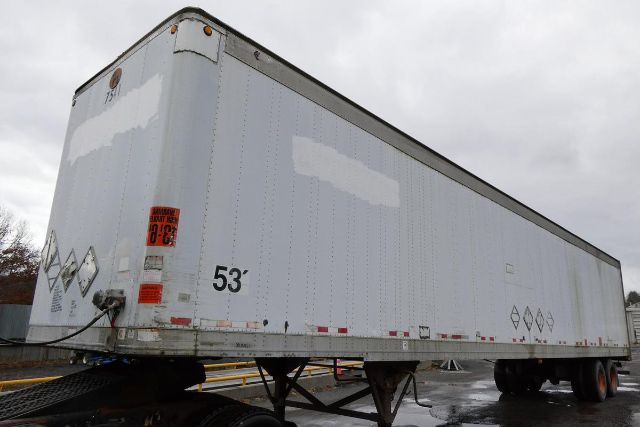
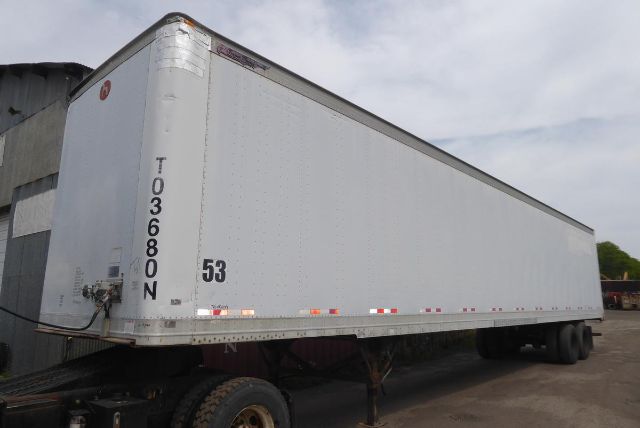
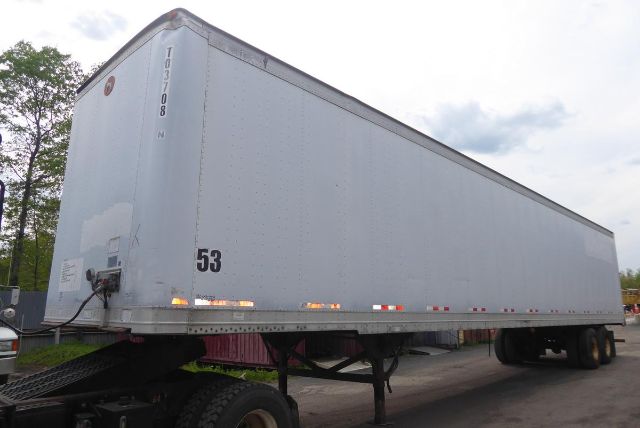
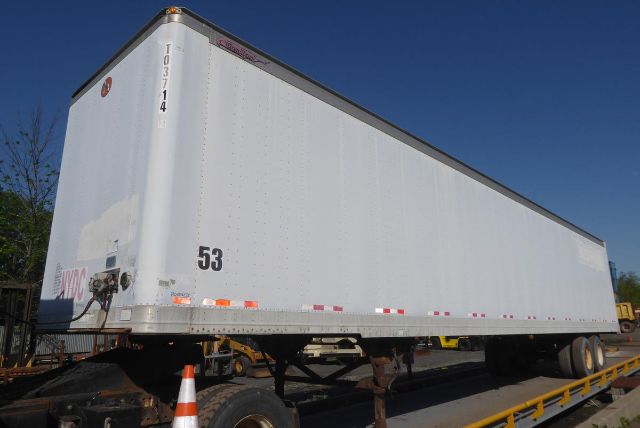
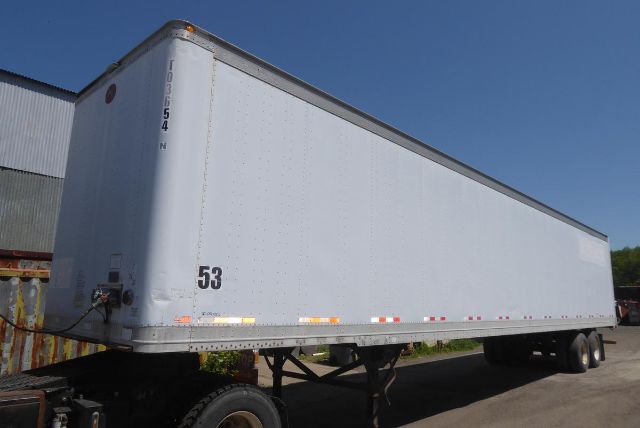
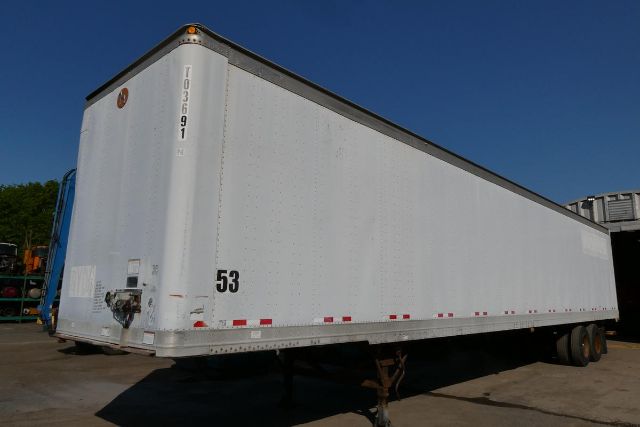
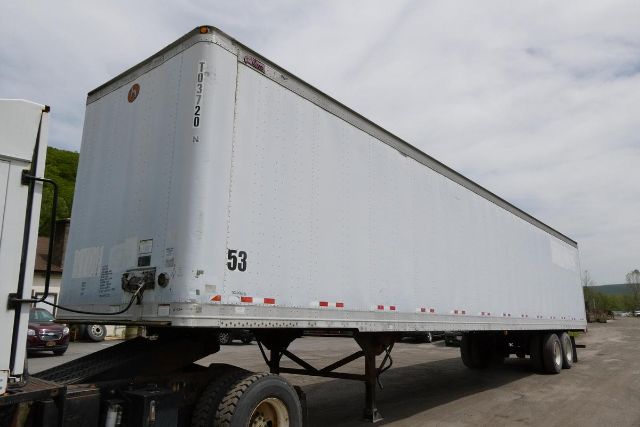
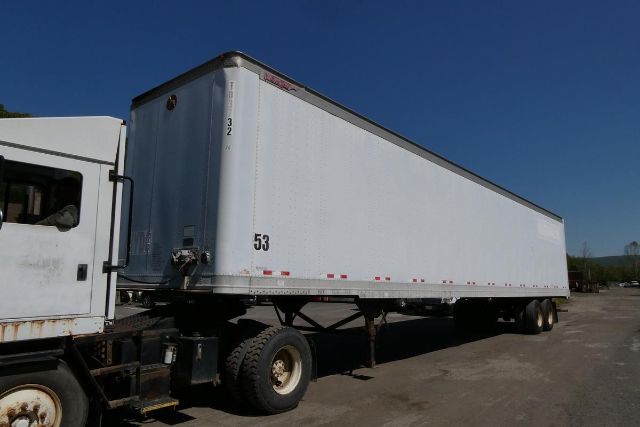
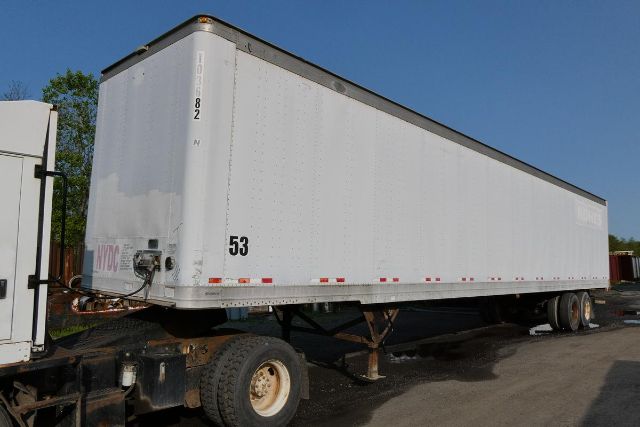
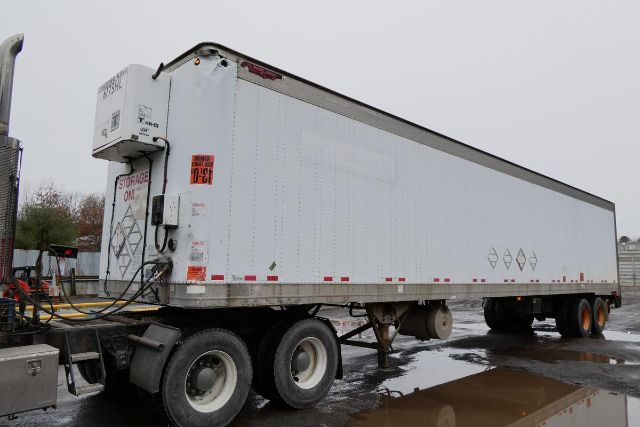

Showing 1 to 24 of 26 results
Have 2003 van trailer to sell? List it here to reach thousands of buyers.
2003 Van Trailers
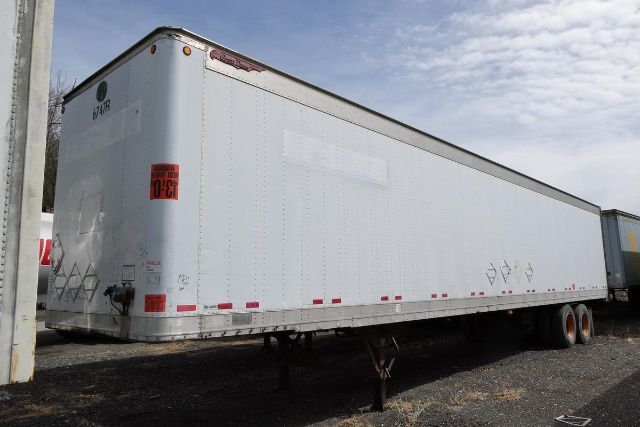
Floor condition is one of the first things to inspect on a 2003 van trailer. Many units from this era use a wood-over-steel floor, and the condition of the floor crossmembers, threshold area, rear sill, and scuff band tells you a lot about prior forklift use. Trailer construction may be aluminum, steel, or a combination of both, with aluminum side panels helping reduce tare weight while steel in high-stress areas adds durability. Door style matters too. Roll-up doors are common in city and multi-stop work because they save dock space, while swing doors are often preferred for maximum rear opening and simpler long-term repair. If the trailer has logistics posts, E-track, plywood or composite lining, dual rub rails, or a liftgate, those details can make a major difference in how well it fits local delivery, final-mile support, or warehouse shuttle service.
Running gear deserves close attention on any older van trailer. A 2003 unit may have spring ride or air ride suspension, fixed tandems, sliding tandems, or single-axle pup configurations. Air ride is generally preferred for ride quality and freight protection, while sliding tandems add flexibility for bridge laws, kingpin settings, and dock positioning. Buyers should check axle alignment, suspension wear, brake condition, wheel end service history, tire age, and the condition of hubs, chambers, and slack adjusters. On van trailers that have seen heavy regional work, look carefully at the rear frame, bogie area, ICC bumper, roof bows, and side wall fasteners. Features that are more common on newer vans, such as disc brakes, tire inflation systems, aerodynamic skirts, and underbody storage, are less common in a 2003 trailer, so basic structural condition usually matters more than extra equipment.
For many operations, a 2003 van trailer makes sense as a lower-cost freight box, storage trailer, yard trailer, or backup road unit. The right fit depends on freight type, route length, loading method, and how much repair work your shop can absorb. A trailer with clean VIN records, dry interior, intact roof seams, good door closure, and documented brake and tire service can still offer useful life in regional haul, dedicated lanes, or warehouse support. If the trailer will run highway miles, confirm GVWR, empty weight, legal axle configuration, and any signs of frame fatigue before purchase. Older dry vans can be a good value, but only when the structure, floor system, and running gear are matched to the job.
Frequently Asked Questions about 2003 Van Trailers
What should I inspect first on a 2003 van trailer?
Start with the structural items that are expensive to repair and directly affect serviceability. Inspect the roof for leaks and patchwork, the floor for rot or forklift damage, the rear frame and threshold for cracking, and the sidewalls for delamination or impact damage. Then move to the tandem assembly, suspension, brakes, tires, and wheel ends. On a trailer of this age, a clean-looking exterior means less than a solid understructure and a dry, usable interior.
Are 2003 dry van trailers still good for over-the-road use?
They can be, but suitability depends on condition and specification rather than age alone. A 2003 dry van with good maintenance records, compliant brakes, sound tires, proper tandem operation, and no major structural corrosion can still work in regional or over-the-road service. Buyers should be realistic about maintenance needs, downtime risk, and the possibility that an older trailer may be better suited for dedicated freight, short-haul lanes, or lower-mileage applications than premium long-haul service.
What lengths are common for van trailers in this age range?
Common configurations include 28-foot pup trailers, 40-foot vans, and full-size 48-foot or 53-foot dry vans. The right length depends on the freight network and loading environment. A 28-foot single axle or tandem pup fits P&D and doubles service, while 53-foot vans are standard for high-cube palletized freight. Older 40-foot vans still appear in local delivery, storage, and specialized fleet support roles.
Is air ride better than spring ride on an older van trailer?
Air ride is generally preferred because it offers better ride quality, improved cargo protection, and often better acceptance in freight applications that are sensitive to shock and vibration. Spring ride can still be a workable choice for rugged service and lower acquisition cost, but it usually rides harsher and may be less desirable for some shippers. On a 2003 trailer, actual suspension condition matters as much as design, so worn air bags, bushings, equalizers, or hangers should factor into the buying decision.
What features add value on a used 2003 van trailer?
The most valuable features are the ones that reduce operating issues or expand freight flexibility. Logistics posts, E-track, interior lining, a straight and dry roof, sound wood floor, sliding tandems, and a well-sealing rear door setup all matter. A liftgate can add value for delivery work, and aluminum construction can help with payload. Service records for brakes, tires, and wheel ends often add more real value than cosmetic appearance because they lower the risk of immediate repair expense.