
New Vacuum Trailers For Sale in Wyoming
New vacuum trailers for sale in Wyoming, including non-code vac tank trailers for water, oilfield service, fluid hauling, and site cleanup.
Selling a new vacuum trailer? List your new vacuum trailer for sale and reach thousands of commercial buyers.
New Vacuum Trailers in Wyoming
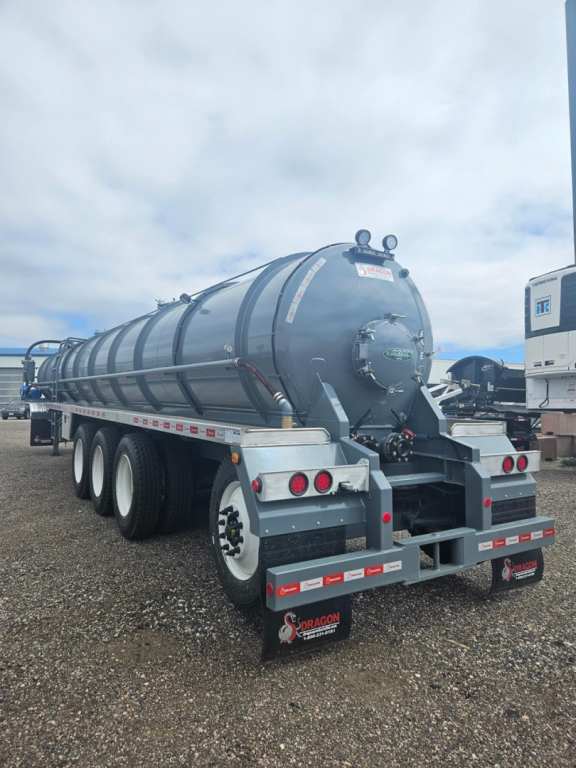
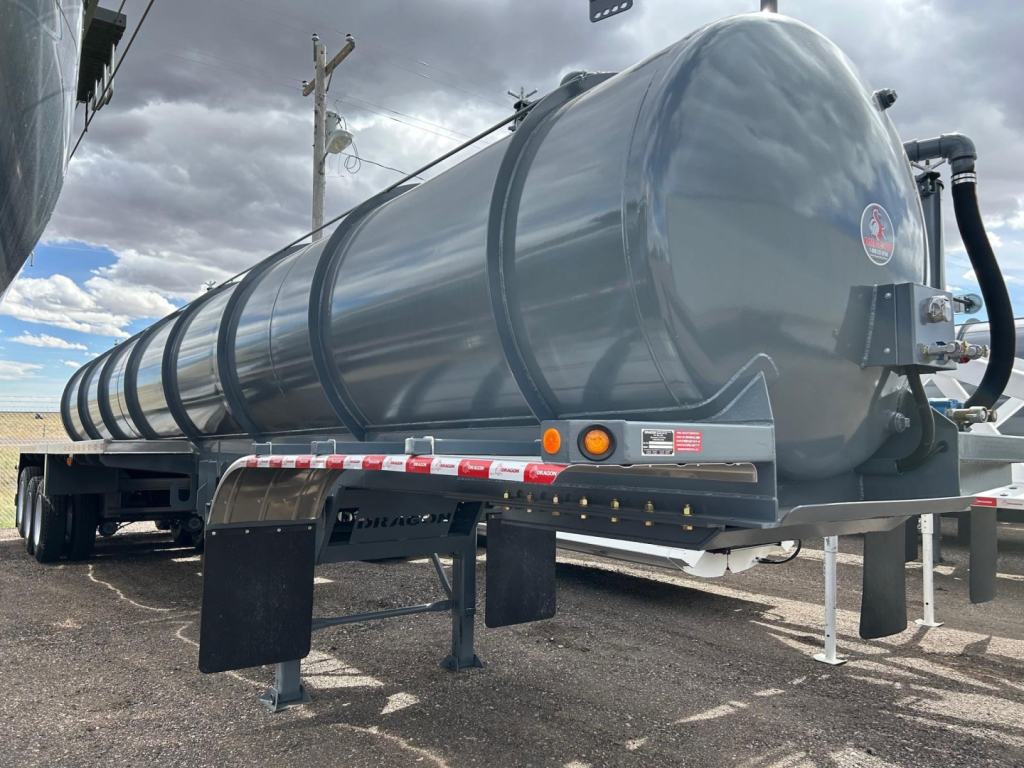
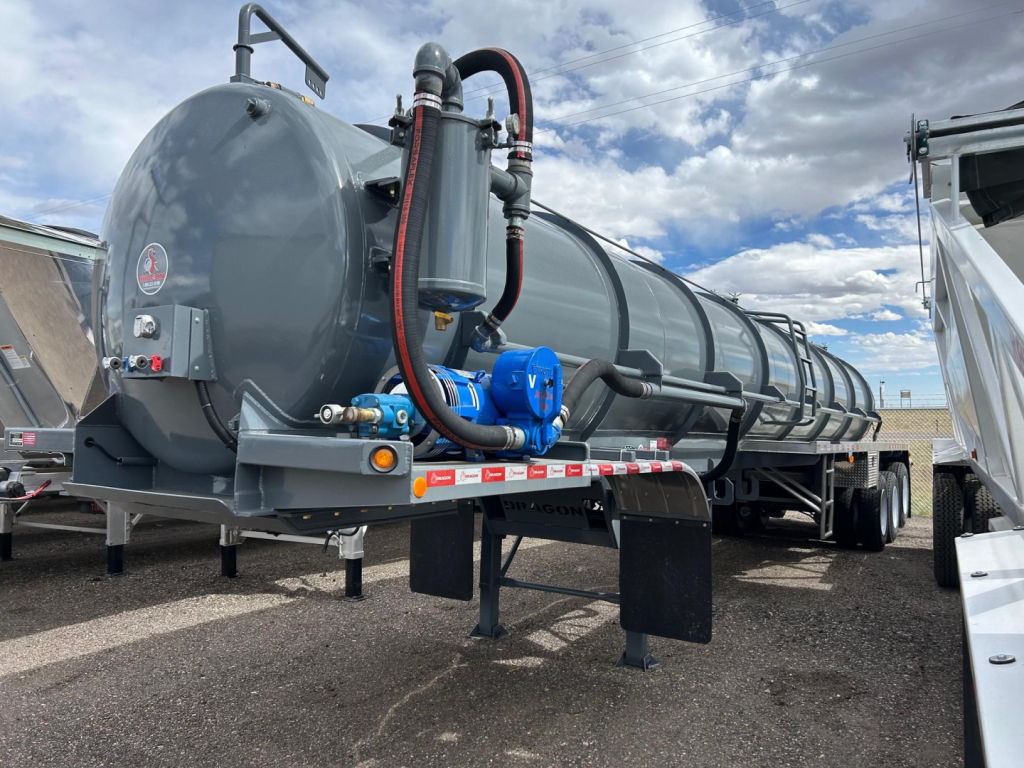
Most buyers start by comparing the tank, pump, and suspension package as a system. A typical setup includes a single-compartment steel tank with internal baffles, multiple top dome lids, a level gauge, and a Fruitland-style vacuum pump. Air ride suspension is common because it helps with load stability and ride quality on mixed lease roads and highway miles. Lift axles and rear steerable axle configurations matter in this class, especially on longer 46-foot to 53-foot trailers, because they can improve maneuverability, spread weight more effectively, and reduce tire scrub in tighter access areas.
For Wyoming service, build details matter as much as headline specs. Buyers should look closely at barrel capacity versus legal weight, axle spacing, tire size, bumper and tow hook design, lighting, fenders, and how the trailer is set up for day-to-day field use. Non-code water vacuum trailers are typically selected for produced water, drilling fluids, washout, pit work, and general fluid recovery, but the exact legal use depends on the tank certification, product being hauled, and state or jobsite requirements. If the work includes hazardous materials or pressure-rated applications, confirm that a non-code vac tank matches the intended service before purchase.
A new vacuum trailer also gives buyers the chance to spec for the route and the customer base instead of adapting to someone else’s build. Common considerations include barrel count, number of baffles, pump capacity, dome lid access, suspension type, and whether a lift axle or quad setup is needed for payload and bridge compliance. In this category, the right trailer is usually the one that balances usable capacity, suction performance, empty weight, and durability for oilfield and industrial fluid work without adding unnecessary complexity.
Frequently Asked Questions about New Vacuum Trailers in Wyoming
What is a non-code vacuum trailer used for?
A non-code vacuum trailer is commonly used for water, produced water, drilling fluid, washout, pit cleaning, and general fluid recovery in oilfield and industrial service. These trailers are built for vacuum loading and bulk liquid transport, but they are not automatically approved for every product type. The exact use depends on the tank construction, local regulations, and the material being hauled.
What size vacuum trailer is common for oilfield work in Wyoming?
In this category, 165 BBL to 193 BBL trailers are a common range for oilfield service because they offer a practical balance of payload, route efficiency, and maneuverability. Tri-axle units are often chosen for simpler weight distribution and lower complexity, while quad-axle trailers can help with higher-capacity applications and axle loading requirements. The right size depends on haul distance, road conditions, and legal weight limits.
Why would a buyer choose a tri-axle versus a quad-axle vacuum trailer?
A tri-axle vacuum trailer is often selected for lower empty weight, simpler maintenance, and easier operation. A quad-axle trailer may be the better fit when the goal is higher barrel capacity, improved weight distribution, or better compliance with bridge and axle regulations. On longer tanks, a lift axle or steerable rear axle can also improve turning performance and reduce tire wear.
What vacuum pump is typically found on this type of trailer?
Many vacuum trailers in this class are equipped with a Fruitland vacuum pump or a comparable heavy-duty pump designed for fluid transfer and recovery work. Buyers should evaluate pump performance based on required vacuum level, recovery speed, serviceability, and how the trailer will be used in the field. Pump access, plumbing layout, and maintenance support are just as important as the pump brand itself.
What should buyers verify before purchasing a new vacuum trailer?
Buyers should verify barrel capacity, tank type, legal application, axle configuration, suspension, tire and wheel spec, and overall trailer length before making a decision. It is also important to confirm the number of compartments, baffle design, dome lid layout, lighting, fenders, level gauge, and rear protection details. For regulated hauling, confirm that the trailer specification matches the intended product and operating jurisdiction.