
Used 2012 Dragon Vacuum Trailers For Sale
Have used 2012 dragon vacuum trailer to sell? List it here to reach thousands of buyers.
Used 2012 Dragon Vacuum Trailers
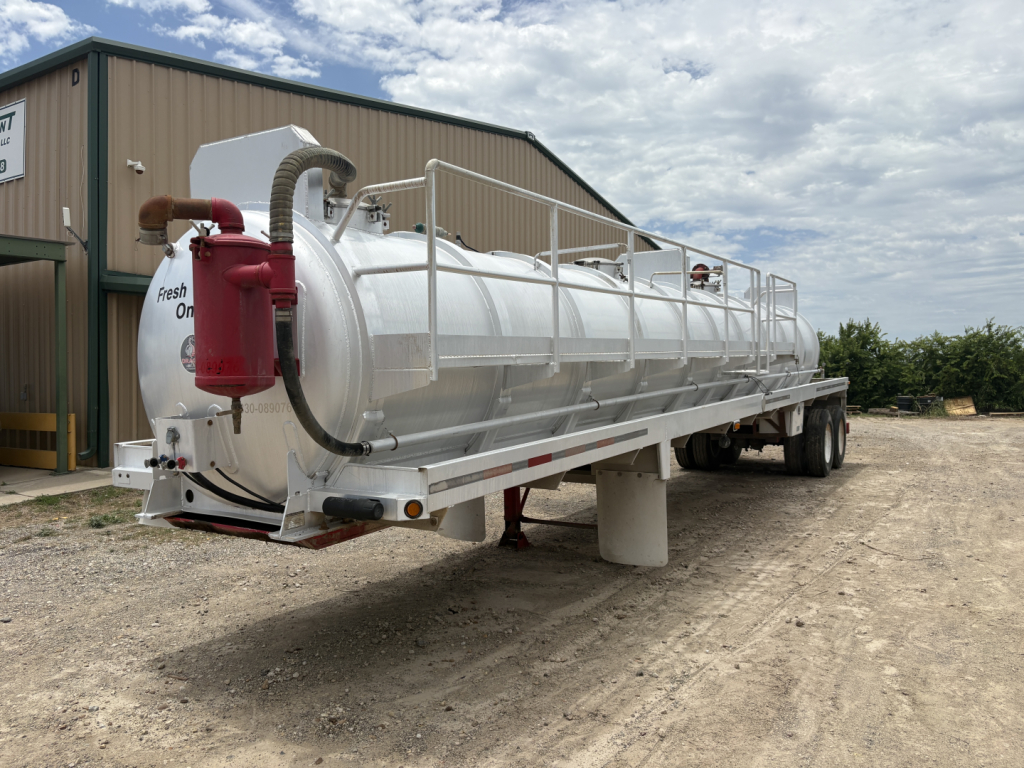
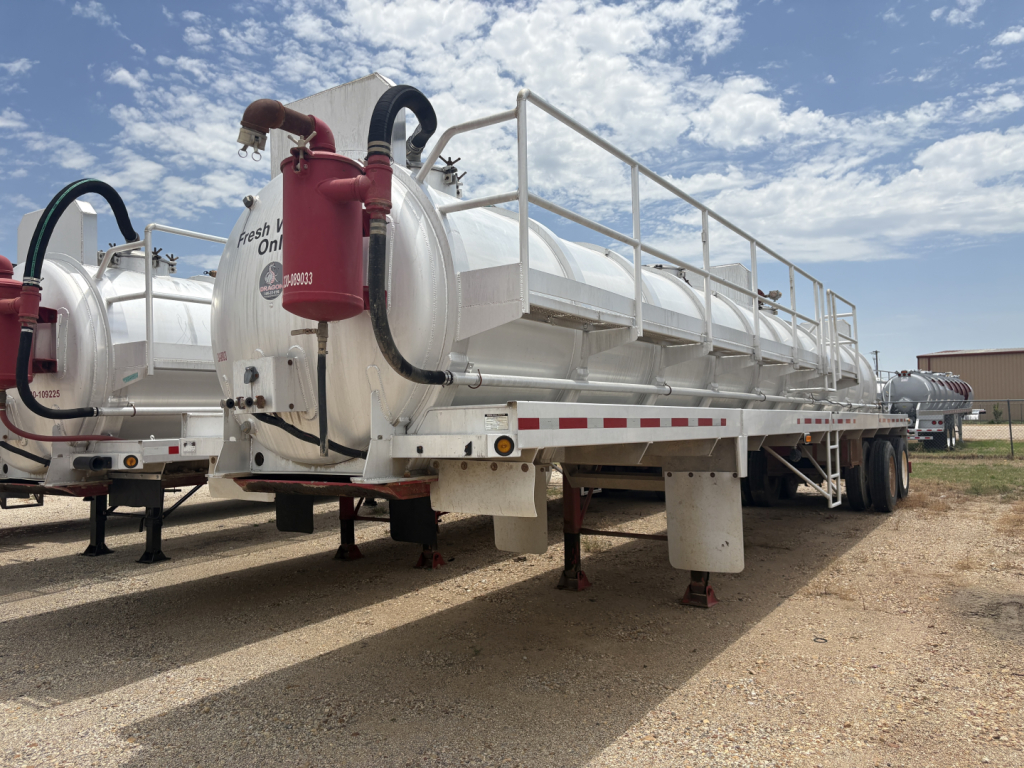
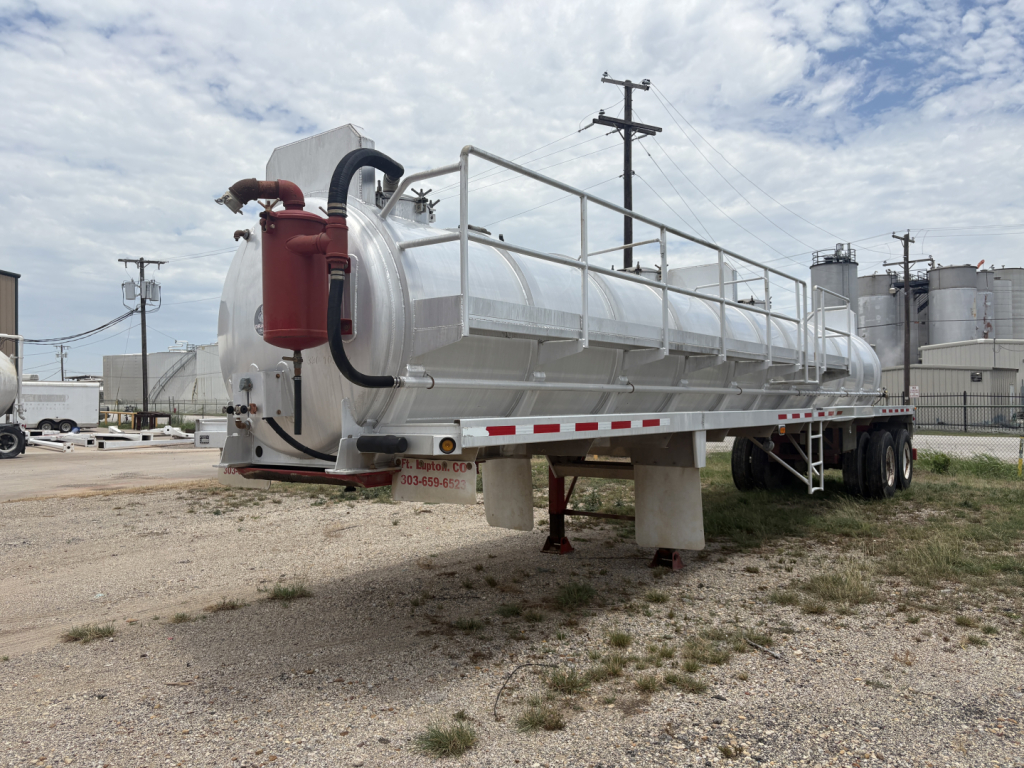
A 2012 Dragon 150 BBL trailer is often spec'd with an aluminum tank to reduce tare weight and improve payload potential, especially important in regions where bridge law and gross combination weight can limit revenue loads. Typical specs in this class include air ride suspension, 24.5 rubber, top walkway access, multiple discharge valves, rear blowdown, and single-compartment tank layouts with internal baffles. On vacuum trailers, plumbing condition matters as much as tank condition. Pay attention to valve count and placement, hose connections, rear discharge design, dome lids, level gauges, and the condition of the vacuum pump and associated lines if equipped.
For used buyers, the inspection should focus on more than the shell. Check for tank corrosion, weld repairs, frame stress, suspension wear, brake condition, and signs of product contamination or poor cleanout practices. Aluminum tanks can offer weight advantages, but they still need close inspection around seams, mounts, and high-stress areas. Tire size, axle spacing, and lift axle configuration affect both legal payload and maneuverability in the field. If the trailer will see rough lease roads, the condition of landing gear, fenders, catwalks, and lighting should be evaluated closely because these items often show real-world wear before the tank itself does.
Dragon has long been a recognized name in vacuum and liquid transport equipment, and 2012 models remain relevant for fleets that want proven tanker capacity without stepping into new-trailer pricing. The best fit depends on the material being hauled, unloading method, and local regulatory requirements. A buyer comparing used Dragon vacuum trailers should confirm whether the trailer is non-code or built for a specific compliance standard, then match barrel capacity, pump arrangement, discharge setup, and suspension spec to the intended route and product. In this category, a clean tank, sound running gear, and usable plumbing usually matter more than cosmetics.
Frequently Asked Questions about Used 2012 Dragon Vacuum Trailers
What is the typical capacity of a used 2012 Dragon vacuum trailer?
A common spec for a used 2012 Dragon vacuum trailer is 150 BBL, which is about 6,300 gallons. That capacity is widely used in oilfield and fluid service work because it balances payload, maneuverability, and route flexibility. Some Dragon vacuum trailers are larger, but 150 BBL is one of the most common and recognizable sizes in this model year range.
What should I inspect first on a used Dragon vacuum trailer?
Start with the tank, frame, suspension, brakes, and discharge plumbing. Look for corrosion, cracked welds, patched repairs, landing gear damage, and uneven tire wear that may point to axle or suspension issues. On a vacuum trailer, valves, blowdown components, dome lids, and any pump-related plumbing should be checked carefully because those items directly affect unloading speed, serviceability, and safety.
Why does tank material matter on a vacuum trailer?
Tank material affects tare weight, corrosion resistance, and repair considerations. Aluminum tanks are common on Dragon vacuum trailers because they help reduce empty weight and improve payload potential. Steel tanks may offer different durability characteristics depending on the application, but they generally add weight. The right choice depends on what the trailer hauls, the operating environment, and how important legal payload is on the routes it runs.
Are 2012 Dragon vacuum trailers mainly used in oilfield service?
Yes. Most 2012 Dragon vacuum trailers in this class are used in oilfield support roles such as produced water hauling, drilling fluid transport, waste fluid recovery, and lease service operations. They can also be used in other industrial liquid transport applications, but their common spec and plumbing layout are especially well suited to oilfield vacuum and transfer work.
What features improve day-to-day usability on a used vacuum tanker?
Air ride suspension, multiple discharge valves, rear blowdown, a safe top walkway, readable level gauges, and properly laid out hose connections all improve daily operation. These features help with smoother transport, faster unloading, easier inspection access, and better control at the jobsite. On a used unit, functionality of these components matters more than appearance because downtime usually comes from worn running gear or neglected plumbing, not cosmetic wear.