
Used Dragon Vacuum Trailers For Sale

Have used dragon vacuum trailer to sell? List it here to reach thousands of buyers.
Used Dragon Vacuum Trailers
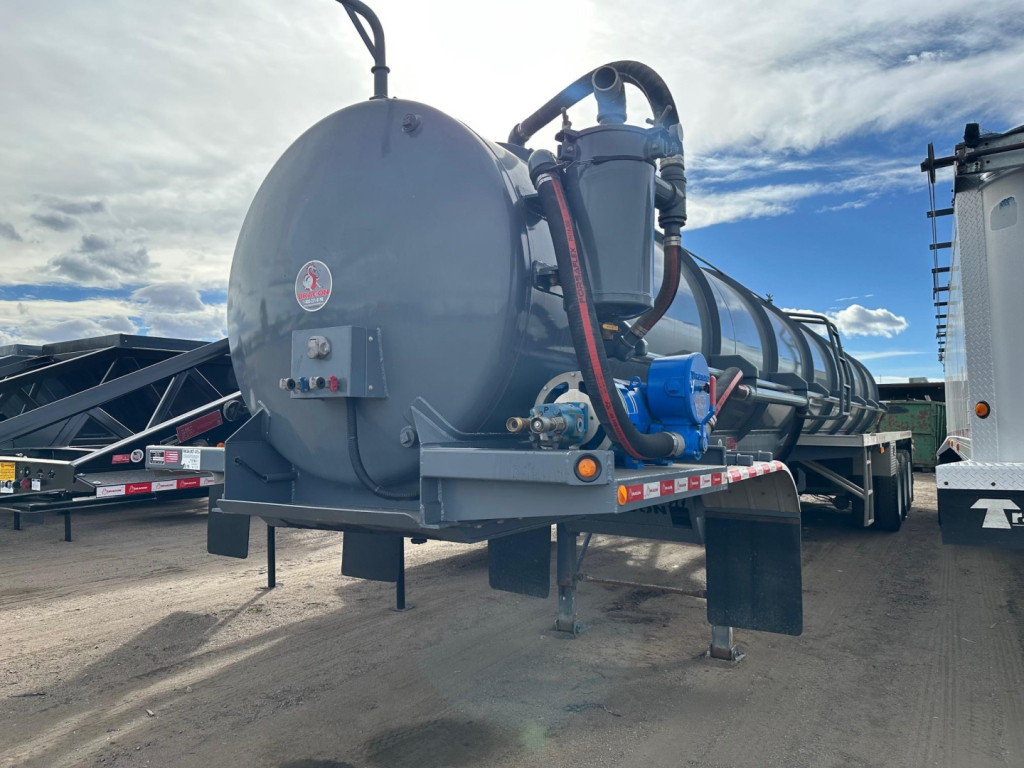
Capacity, axle setup, and pump package drive most buying decisions in this category. Many Dragon vacuum trailers are spec'd in barrel capacity, with common oilfield-style sizes such as 130 to 165 BBL, and tri-axle configurations are common when higher volume is the priority. Air ride suspension is popular for better control on mixed road conditions, and lift axles can help balance bridge compliance, tire wear, and maneuverability when the trailer is not fully loaded. Buyers should also look closely at compartment layout, baffle count, and trailer length, since surge control and weight distribution have a direct effect on handling, especially on lease roads and uneven terrain.
The vacuum system itself deserves careful attention. Pump brand and performance matter, and many buyers look for proven packages such as Fruitland pumps paired with straightforward plumbing and serviceable valve layouts. Dome lids, level gauges, rear hose connections, work lights, fenders, tow hooks, and rear protection equipment all affect day-to-day usability. On a used trailer, inspect the tank shell, weld seams, plumbing, running gear, suspension components, brakes, and tires for signs of corrosion, impact damage, or deferred maintenance. If the trailer has been working in saltwater or harsh production environments, frame condition and lining or coating integrity can be just as important as the vacuum pump itself.
Dragon vacuum trailers are often chosen by operators who need a simple, durable tanker that can spend real time in the field without becoming maintenance-heavy. Matching the trailer to the application is the key. A water vacuum trailer used for transfer or cleanup work has different demands than a production fluid unit running daily oilfield service routes. Buyers comparing used Dragon vacuum trailers should focus on legal payload, suction performance, service access, and how the trailer's tank configuration fits the material being hauled. A well-matched spec will be safer, easier to maintain, and more productive over the life of the trailer.
Frequently Asked Questions about Used Dragon Vacuum Trailers
What is a Dragon vacuum trailer typically used for?
A Dragon vacuum trailer is typically used to suction, transport, and unload liquids in oilfield, industrial, environmental, and water service operations. Common applications include hauling produced water, drilling fluids, wash water, and other non-hazardous fluids, especially in jobs where a pump-assisted vacuum system is needed for loading. Many units are built for rugged field use, so they are often seen on lease roads, at tank batteries, and on job sites where durability and simple serviceability matter.
What does non-code mean on a vacuum trailer?
Non-code means the vacuum tank trailer was not built to a pressure vessel code such as ASME for regulated pressure service. In practice, non-code vacuum trailers are commonly used for non-hazardous liquid service where the operating requirements and commodity do not require a coded vessel. Buyers should always confirm the intended product, local regulations, and customer requirements before purchase, because code compliance depends on what is being hauled and how the trailer will be used.
What should I inspect on a used Dragon vacuum trailer?
Key inspection points include the tank shell, end caps, welds, plumbing, valves, hose connections, pump condition, frame rails, suspension, brakes, hubs, tires, and electrical system. Check for corrosion, patches, poor weld repairs, vacuum leaks, and signs of overloading or off-road stress. It is also smart to verify barrel capacity, axle ratings, suspension type, and any lift axle operation, then confirm the pump make and model so parts and service support are easy to source.
How do I choose the right capacity for a vacuum trailer?
The right capacity depends on the material, haul distance, road conditions, and legal weight limits in the states where the trailer will run. Larger barrel capacities can improve productivity, but a bigger tank does not always translate to better payload if axle ratings, tractor setup, or bridge laws become the limiting factor. Buyers should compare tank size with fluid weight, expected loading conditions, and the type of route the trailer will run, especially if the work includes soft ground, steep access roads, or frequent partial loads.
Are tri-axle Dragon vacuum trailers better than tandem axle units?
Tri-axle Dragon vacuum trailers are often preferred for higher-capacity applications because they can support more gross weight and improve load distribution. They are common in oilfield service where large-volume water or fluid hauling is routine. A tandem axle trailer may be easier to maneuver and maintain in some operations, so the better choice depends on payload targets, road restrictions, turning environment, and how often the trailer will operate on rough or unimproved surfaces.