
2027 Vacuum Trailers For Sale
Shop 2027 vacuum trailers for oilfield, water, and waste hauling. Compare barrel capacity, pump setup, suspension, axle layout, and tank spec.
Selling a 2027 vacuum trailer? List your 2027 vacuum trailer for sale and reach thousands of commercial buyers.
2027 Vacuum Trailers
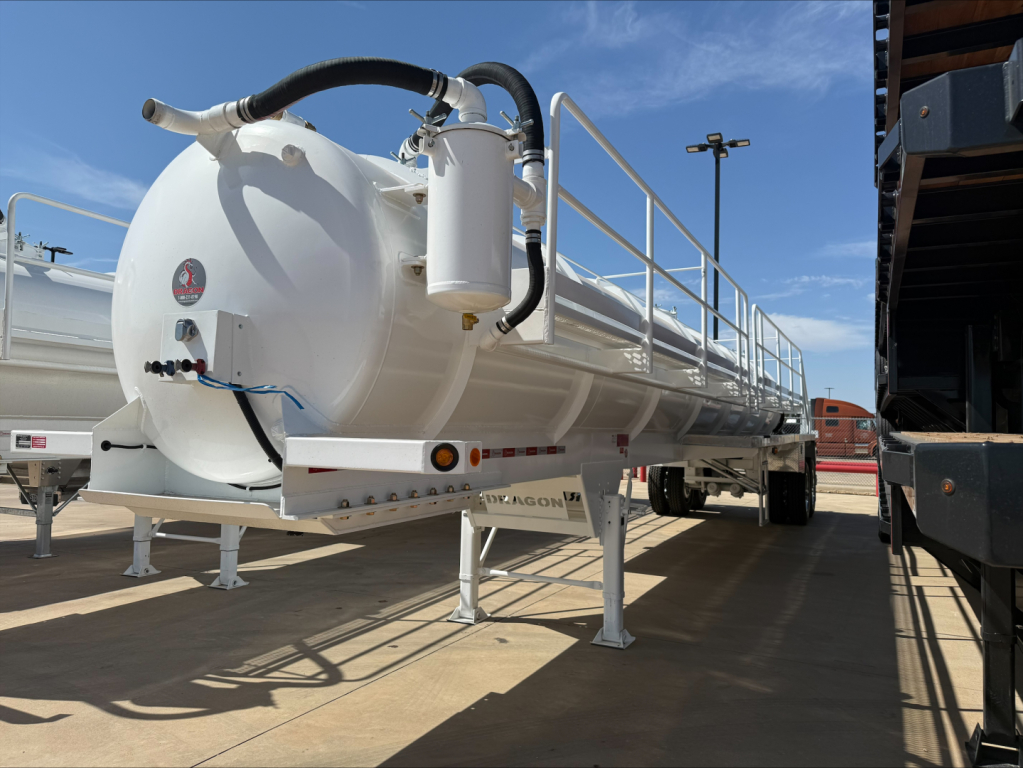
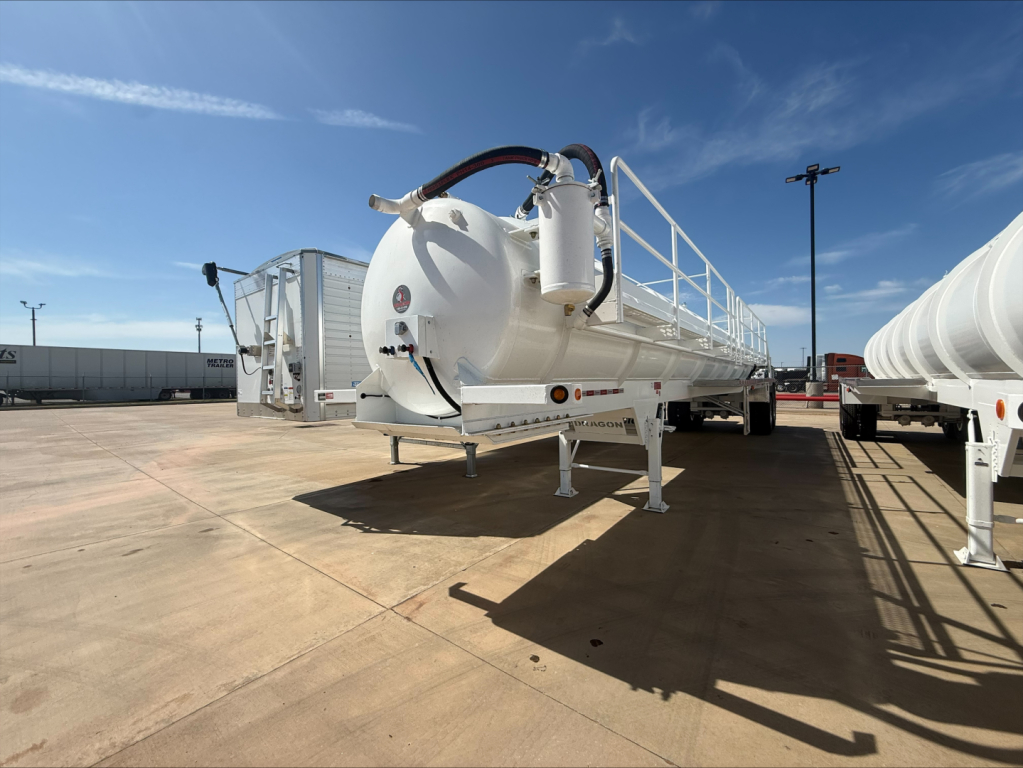
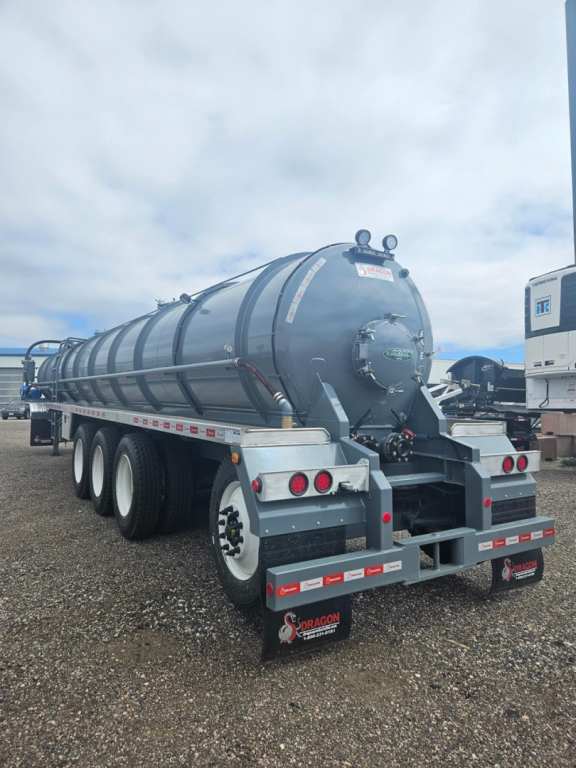
Pump package and tank layout matter as much as barrel count. Many vacuum trailers in this class are paired with a Fruitland-style pump or similar vacuum system, and buyers should look closely at pump condition, rated performance, plumbing layout, valves, and cleanout access. A one-compartment tank with internal baffles is common, and features like sight glasses, level gauges, dome lids, rear controls, and full walkways improve both daily usability and safety. Liners are worth attention if the trailer will see corrosive fluids or abrasive material. On the running gear side, spring suspension remains common for simple, durable oilfield service, while air ride and lift axle setups can improve ride quality, tire life, and flexibility on variable loads.
The chassis and legal configuration should match the territory. Tri-axle vacuum trailers are common when buyers need higher legal payloads, while tandem and tri-axle layouts each have tradeoffs in tare weight, maintenance cost, and turning radius. Tire size such as 11R24.5 and steel wheels are still widely seen in this segment because they are proven and easy to service. Details like ICC bumper design, tow hooks, fenders, toolbox placement, lighting, and walkway coverage may look secondary on paper, but they affect uptime in field conditions and ease of use for the driver.
For many buyers, the best 2027 vacuum trailer is the one that fits the fluid stream, the road conditions, and the compliance requirement without adding unnecessary complexity. Non-code units are common and cost-effective for approved service, but they are not interchangeable with DOT 407 or other code trailers where regulated product service applies. A careful buyer compares barrel capacity, tank construction, pump setup, suspension type, axle spread, and service access before narrowing by make. That approach usually does more for long-term operating cost than shopping by model year alone.
Frequently Asked Questions about 2027 Vacuum Trailers
What is the most common capacity for a vacuum trailer?
A common capacity in this category is 130 barrels, though larger 165 BBL configurations are also widely used. A 130 BBL vacuum trailer is often a practical middle ground because it offers solid hauling volume without the added size, weight, and maneuverability penalties of a larger tank. The right capacity depends on fluid weight, haul distance, legal payload limits, and the road conditions where the trailer will run.
What is the difference between a non-code vacuum trailer and a code trailer?
A non-code vacuum trailer is generally used for approved non-ASME and non-DOT code service such as certain oilfield liquids, water, sludge, and waste streams, depending on the application and jurisdiction. A code trailer is built to a specific regulatory standard for products that require that specification. Buyers should confirm exactly what material they intend to haul and match that to the required tank specification before purchase, because a non-code trailer cannot simply be substituted where a regulated code trailer is required.
Is spring suspension or air ride better on a vacuum trailer?
Spring suspension is popular because it is simple, durable, and familiar in harsh oilfield environments. Air ride can provide better ride quality, potentially reduce shock to the trailer and piping, and may help with tire wear over long highway runs. The better choice depends on where the trailer works most of the time. For rough lease roads and straightforward maintenance priorities, spring suspension is often preferred. For mixed road use and higher-mileage service, air ride may offer advantages.
What features should buyers inspect on a used vacuum trailer?
The most important items are tank condition, pump condition, plumbing integrity, and the trailer's running gear. Buyers should inspect the shell for corrosion, prior repairs, lining condition, baffle integrity, dome lid seals, sight glasses, valves, and evidence of product residue around fittings. The vacuum pump should be checked for performance, oil condition, leaks, and service history. Suspension components, axle alignment, brakes, tires, wheel ends, lights, and frame condition also deserve close attention because repair costs can escalate quickly on a working vacuum trailer.
Why do some vacuum trailers have lift axles?
Lift axles give operators more flexibility with changing load conditions and local weight compliance. On higher-capacity vacuum trailers, a rear lift axle can help distribute weight when loaded and reduce tire scrub when empty or lightly loaded, depending on the setup and regulations. This can improve tire life and maneuverability, but it also adds components that need maintenance. Buyers should compare the legal payload benefit against the added complexity.