
2027 Dragon Vacuum Trailers For Sale
Shop 2027 Dragon vacuum trailers built for fluid hauling and oilfield service, with common 130 to 165 BBL capacities and tri-axle air ride setups.
Selling a 2027 dragon vacuum trailer? List your 2027 dragon vacuum trailer for sale and reach thousands of commercial buyers.
2027 Dragon Vacuum Trailers
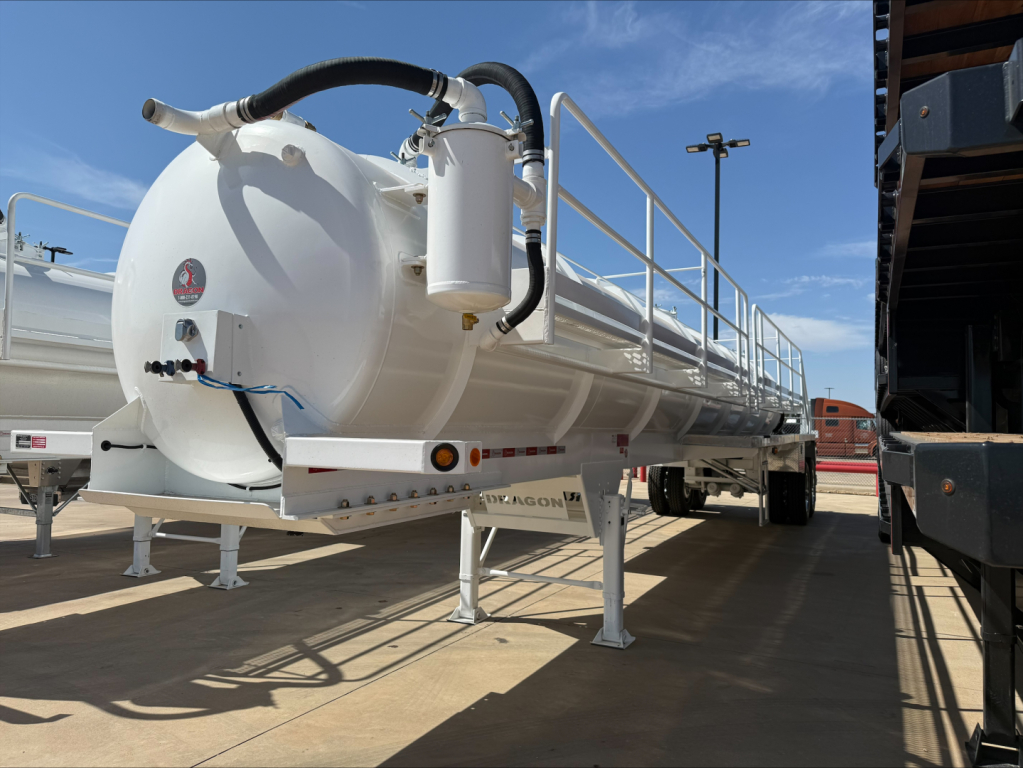
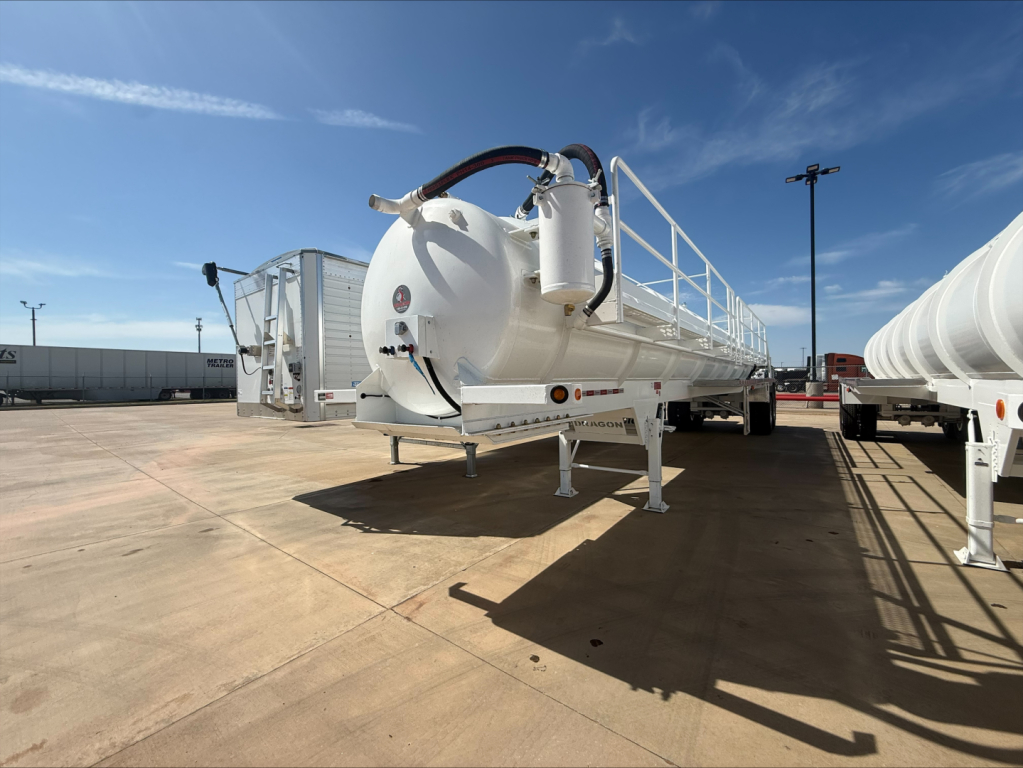
Capacity is only part of the decision. A buyer should pay close attention to tank construction, compartment layout, baffling, and pump specification. Dragon vacuum trailers are often configured as single-compartment units with multiple baffles to control surge, along with dome lids, level gauges, rear blowdown plumbing, and discharge valve arrangements suited to field unloading. Pump brand and output matter because loading time, vacuum recovery, and maintenance intervals affect daily productivity. Listings in this class often show Fruitland vacuum pumps, a common setup for oilfield and water service applications where reliability and serviceability are priorities.
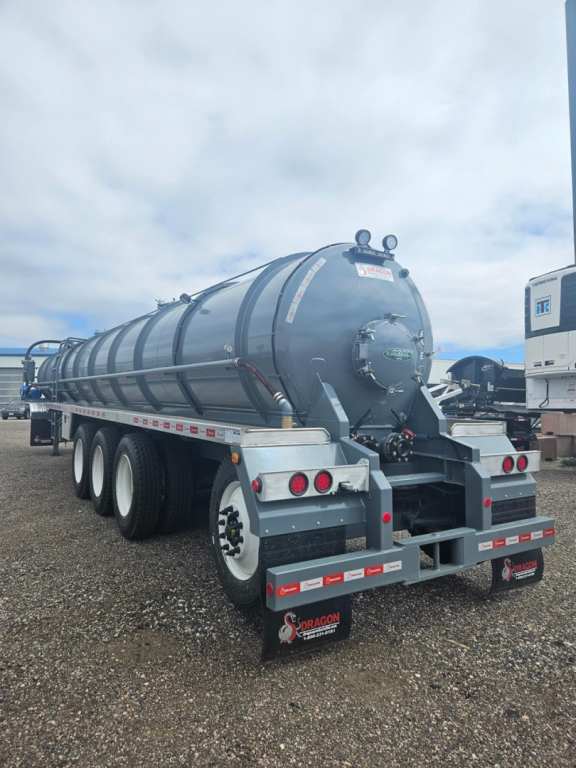
Running gear is just as important as the tank. Many Dragon vacuum trailers are tri-axle units with air ride suspension, and some include a rear lift axle to help manage tire wear and bridge compliance when running empty or lightly loaded. Tire size, wheel type, frame condition, fenders, walkway access, work lights, and ICC bumper configuration all deserve a close look, especially for fleets that cycle between lease roads and highway miles. Trailer length, kingpin setting, and axle spacing should also be checked against the tractors in the fleet and the states where the trailer will operate, since payload strategy is heavily influenced by legal weight distribution.
For buyers comparing 2027 Dragon vacuum trailers, the main questions are usually barrel capacity, tank material, pump package, and suspension layout. Aluminum tanks can help with payload, while steel construction may fit certain duty cycles and repair preferences. A 130 BBL trailer may suit operations prioritizing maneuverability and route flexibility, while a 165 BBL unit can make sense where legal payload and trip efficiency justify the extra length and capacity. The best choice depends on product type, haul distance, road conditions, unloading method, and how the trailer fits existing shop support and tractor specs.
Frequently Asked Questions about 2027 Dragon Vacuum Trailers
What are the most common capacities for Dragon vacuum trailers?
Common Dragon vacuum trailer capacities in this class are 130 BBL, 150 BBL, and 165 BBL. The right size depends on legal gross weight, the product being hauled, and route conditions. Higher barrel capacity can improve trip efficiency, but only if axle layout, tank weight, and local regulations still allow a workable payload.
What is a non-code vacuum trailer used for?
A non-code vacuum trailer is typically used for hauling water, produced water, drilling fluids, and similar non-pressurized materials in oilfield and industrial service. It is generally selected for vacuum loading and atmospheric discharge applications rather than pressurized hazardous service. Buyers should always confirm the intended product matches the trailer's tank rating, specification, and regulatory requirements.
Why does the vacuum pump matter on a vacuum trailer?
The vacuum pump directly affects loading speed, unloading efficiency, and service uptime. A well-supported pump brand with available parts can reduce downtime and simplify maintenance for fleet shops. Buyers should look at pump make, condition, drive arrangement, and expected performance under their actual operating conditions, not just tank size.
Why are tri-axle air ride setups common on vacuum trailers?
Tri-axle air ride configurations are common because they help distribute weight, improve ride quality, and protect the trailer structure on rough roads and highway runs. An air ride suspension can also be beneficial for stability and driver control. On some units, a lift axle adds flexibility by reducing scrub and tire wear when the trailer is not fully loaded.
What should I inspect first on a used Dragon vacuum trailer?
Start with the tank, frame, and running gear. Check for corrosion, repairs, cracks around suspension mounts, condition of the internal baffling if accessible, valve and plumbing wear, and the overall condition of the vacuum pump system. After that, review tire condition, brake components, suspension, wheel ends, lights, and any signs that the trailer's actual service history may have been harder than the hour or mileage assumptions suggest.