
Used Utility Trailers For Sale in Iowa
Browse used Utility trailers in Iowa, including dry van and reefer models with specs on suspension, doors, liner, floors, and trailer length.
Learn more

Showing 25 to 29 of 29 results
Have used utility trailer to sell? List it here to reach thousands of buyers.
About Used Utility Trailers in Iowa
On used Utility dry vans, pay close attention to suspension type, floor condition, door configuration, and trailer lining. Air ride suspension is common and generally preferred for freight protection. Models such as the Utility 4000D-X are often equipped with aluminum roofs, wood floors, composite swing doors, high base rails, and tire inflation systems like PSI. Those features matter in day-to-day use. A sound floor and tight rear frame help the trailer stay serviceable under forklift traffic, while a working tire inflation system can reduce irregular wear and roadside downtime. Buyers should also check kingpin area condition, crossmember integrity, DOT history, roof bows, sidewall repairs, and signs of logistic post or scuff liner damage depending on the trailer’s previous freight mix.
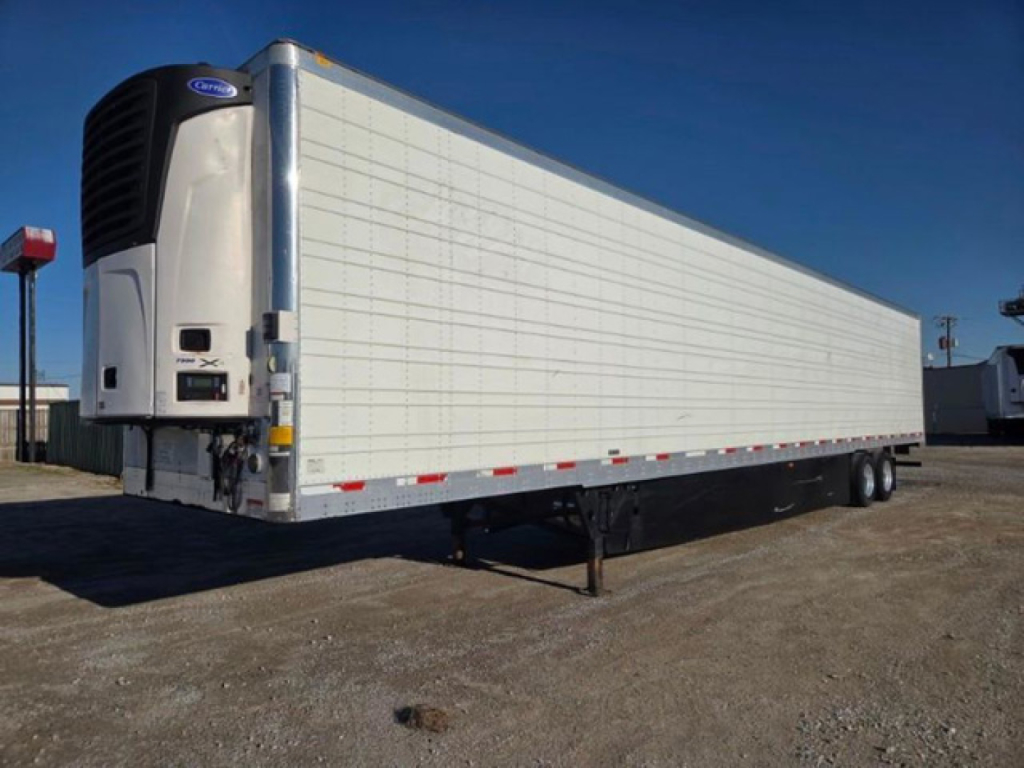
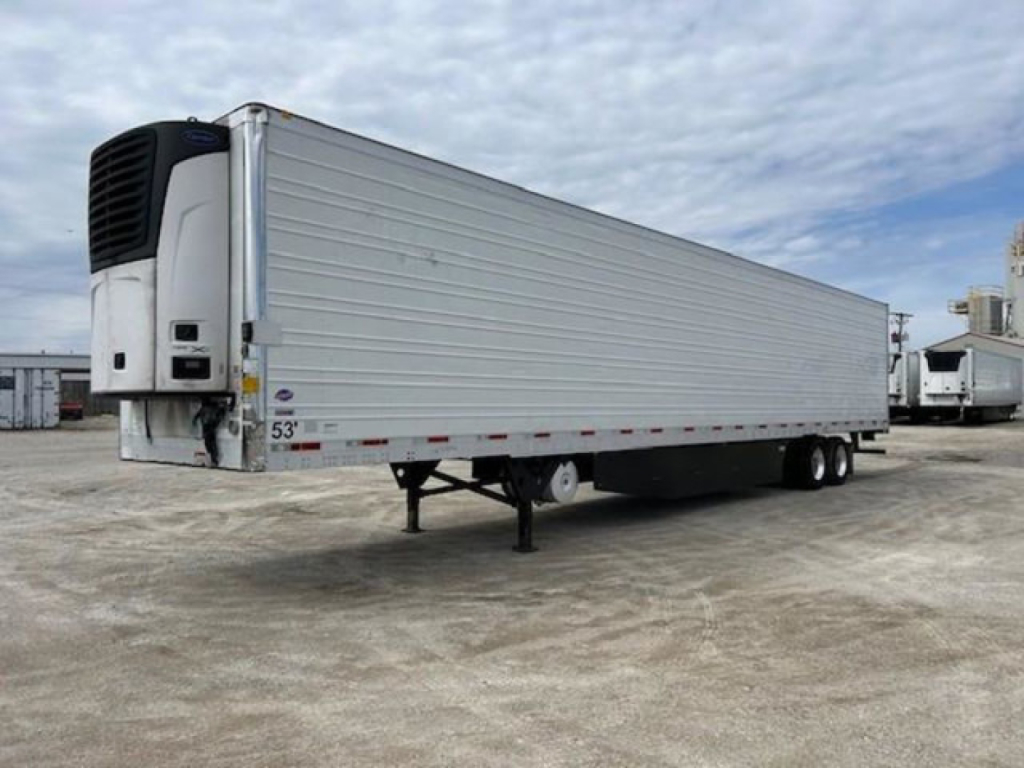
Used Utility reefer trailers deserve a closer review because the box and the refrigeration unit both affect value. Common items to inspect include reefer hours, unit model, interior liner material, floor type, door seal condition, and evidence of past temperature-control issues. Many Utility reefers are paired with Carrier units such as the X4 7300 or 7500, and unit hours can tell you as much as trailer age in some applications. Interior specs like Versitex, Armor, or Kemlite liners, along with flat aluminum or duct-style floors, should match the freight you plan to haul. In Iowa service, reefer buyers often need a trailer that can handle produce, dairy, frozen freight, meat, or multi-stop grocery work, so insulation condition, bulkhead compatibility, and washout readiness should all be part of the decision.
A used Utility trailer can also make sense for niche applications beyond standard dock-to-dock freight. Older reefers are sometimes repurposed for storage, local route work, or specialty service when side doors, roll-up doors, or custom interior layouts are present. The best buy usually comes down to matching the trailer’s prior use and current condition to your lane, loading style, and maintenance plan. Tire tread, brake life, axle alignment, door hardware, and paperwork matter, but so does the trailer’s spec sheet. A lighter dry van may favor high-cube general freight, while a heavier insulated trailer may still be the right choice if temperature retention and box condition are the priority.
Frequently Asked Questions
What should I check first on a used Utility trailer?
Start with the structural condition and the actual spec. Check the VIN plate, trailer length and width, suspension type, door style, floor material, and axle configuration. Then inspect the kingpin area, upper coupler plate, crossmembers, side rails, rear frame, roof, and floor for cracks, corrosion, patches, or forklift damage. On a Utility trailer, those core items usually tell you more about long-term value than cosmetics alone.
Are Utility 4000D-X trailers good for general dry freight?
Yes. The Utility 4000D-X is a widely used dry van platform for palletized and dock freight. Many are spec'd with air ride suspension, wood floors, aluminum roofs, composite swing doors, and tire inflation systems, which makes them practical for general over-the-road and regional service. Buyers should still confirm floor wear, door seal condition, and tire and brake life because those operating items can change the total cost of a used trailer quickly.
How do I evaluate a used Utility reefer trailer?
Look at both the trailer body and the refrigeration unit as separate assets. Reefer hours, service history, unit brand and model, insulation condition, liner condition, floor type, and rear door seal quality all affect reliability. A well-kept Utility reefer with moderate unit hours and a clean insulated box can be a strong value, but neglected liners, poor washout condition, air leaks, or deferred reefer maintenance can turn a low-price trailer into an expensive one.
What trailer specs matter most for Iowa operations?
For Iowa freight, common priorities include 53x102 dimensions, air ride suspension, good tire condition, dependable brakes, and a trailer body suited to agricultural, food, retail, or warehouse freight. Reefer buyers may place extra value on strong insulation and a refrigeration unit with documented maintenance because of food-grade hauling demands. Dry van buyers often focus on floor life, swing door durability, and whether the trailer is light enough to maximize payload on longer regional runs.
Is a used reefer trailer worth buying without a refrigeration unit?
It can be, depending on the application. A reefer box without an operating unit may still work well for storage, local delivery, insulated dry freight, or specialized uses where temperature retention matters more than active cooling. The key is to value it as a trailer body, not as a full refrigerated asset. Buyers should inspect the insulated box, floor, doors, and any side-door or roll-up-door modifications to make sure the trailer still fits the intended job.