
Used 2019 Utility Trailers For Sale in Iowa
Browse used 2019 Utility trailers in Iowa, including dry vans and reefers, with specs, maintenance points, and features buyers compare.
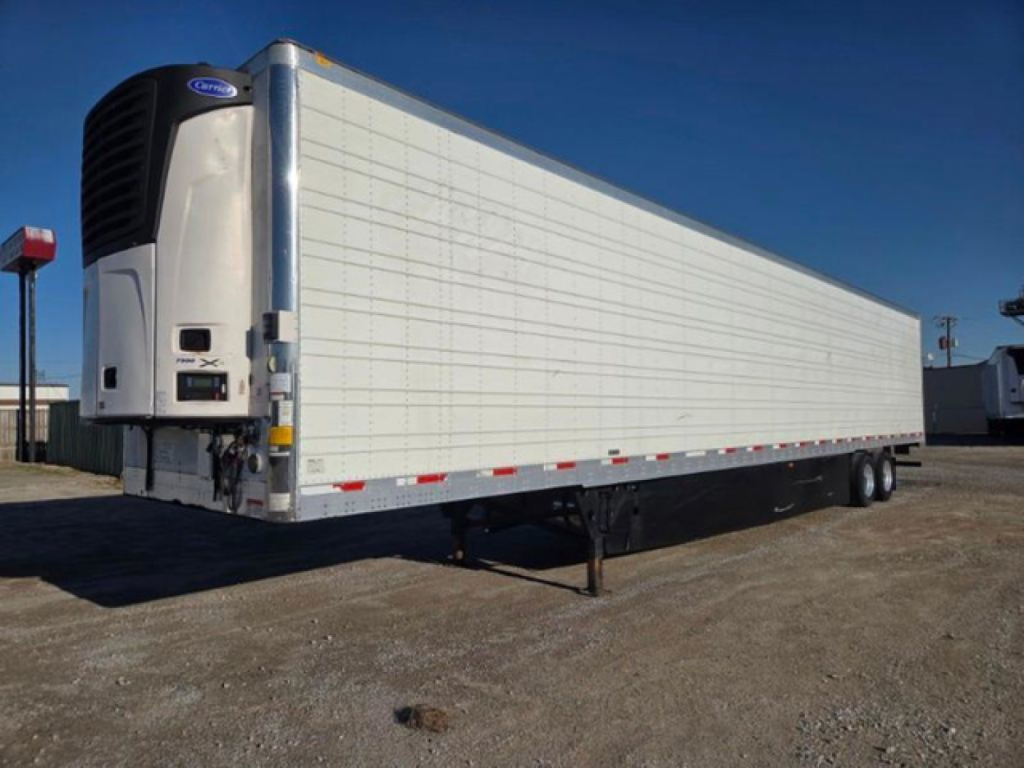
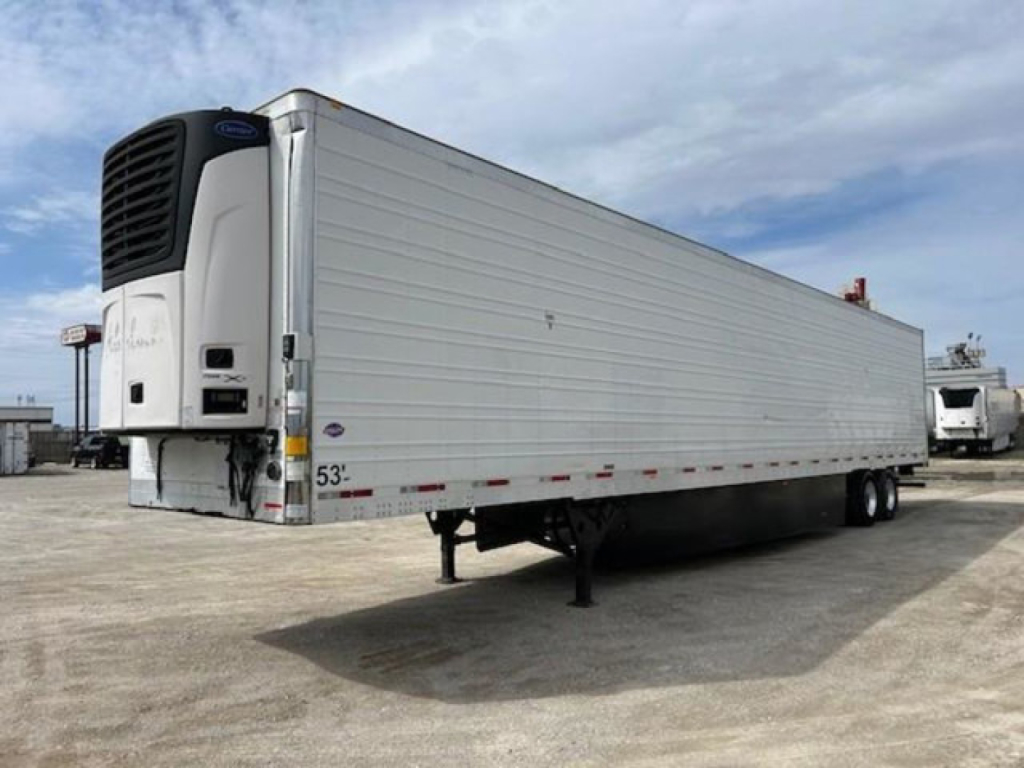
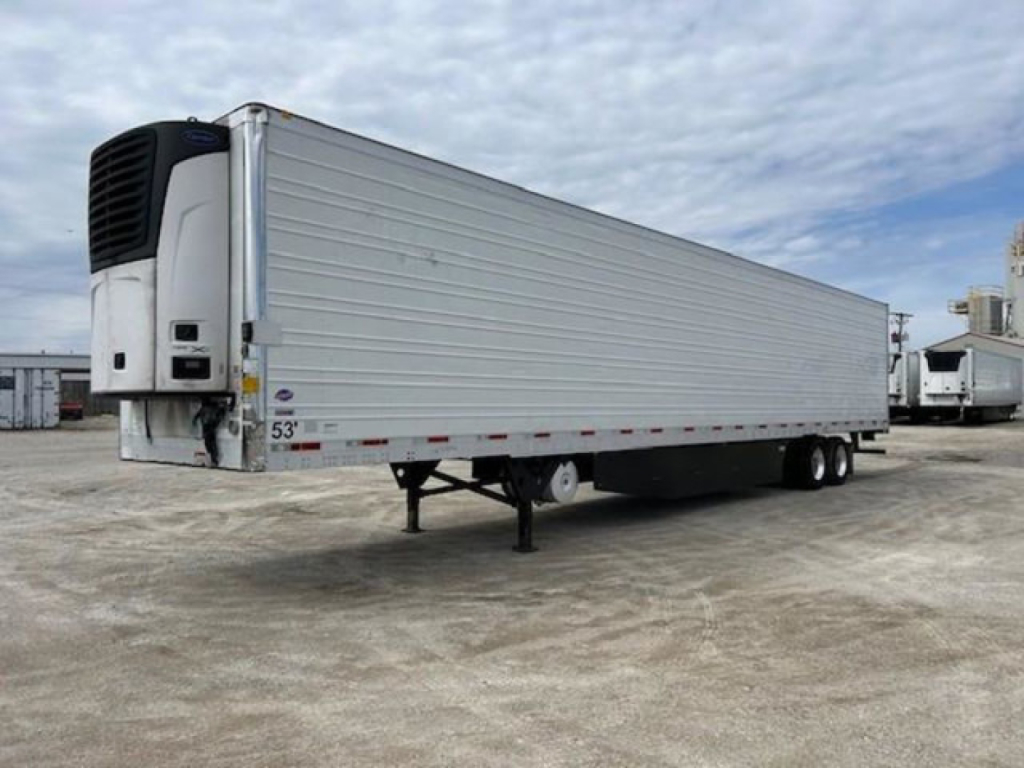

Selling a used 2019 utility trailer? List your used 2019 utility trailer for sale and reach thousands of commercial buyers.
Used 2019 Utility Trailers in Iowa
On dry van models, the main buying decisions usually come down to suspension, door configuration, floor condition, and tire system spec. Many Utility vans from this era were built with air ride suspension, wood floors, aluminum roofs, composite swing doors, and options like PSI tire inflation systems. High base rails, scuff liners, plated trailers, and wheel material also affect operating cost and durability. A used 2019 trailer should be checked closely for floor wear at the logistics pattern points, front wall impact damage, roof repairs, door frame alignment, crossmember corrosion, and tandem slide operation. For Iowa fleets running food, retail, and general freight, a clean van with straight rails and a sound floor often matters more than cosmetic appearance.
If the trailer is refrigerated, reefer unit hours and liner condition move to the top of the list. Utility reefers are commonly found with insulated bodies, swing doors, and interior liner packages such as Armor-type scuff protection. Buyers should compare the refrigeration unit model, engine hours, service records, fuel tank condition, evaporator cleanliness, and door seal integrity. Suspension type, tire tread depth, and brake condition still matter, but reefer buyers also need to inspect the trailer for air leaks, floor damage, and signs that the box has lost thermal efficiency. In Midwest service, where trailers may see both summer heat and winter freeze cycles, seal condition and deferred unit maintenance can change the true cost of ownership quickly.
A used 2019 Utility trailer generally appeals to buyers who need mainstream specifications that are easy to keep moving. The brand is well known for widespread acceptance in grocery, dedicated contract carriage, warehouse distribution, and drop-and-hook operations. When comparing listings, focus on cargo application first, then narrow by body type, suspension, door style, tire system, and maintenance history. That approach usually tells you more about long-term value than simply comparing price, because the right spec trailer can reduce downtime, protect freight, and stay easier to remarket later.
Frequently Asked Questions about Used 2019 Utility Trailers in Iowa
What should I look for first on a used 2019 Utility dry van trailer?
Start with the structural and wear items that are expensive to correct. Check the floor for soft spots, excessive forklift wear, and patched sections. Inspect the roof, side panels, front wall, rear frame, and crossmembers for damage or corrosion. Verify the tandem slide works properly and look at suspension, brakes, tires, and wheel ends. On Utility dry vans, features like air ride suspension, composite swing doors, and PSI tire inflation systems can add value, but the trailer’s frame, floor, and maintenance condition are usually the real decision makers.
Are 2019 Utility reefer trailers a good choice for Midwest operations?
They can be, especially for fleets running foodservice, grocery, and temperature-controlled freight in states like Iowa. The key is not just the trailer body but the refrigeration unit condition. Check unit hours, service history, defrost performance, liner condition, door seals, and signs of air leakage. Midwest temperature swings make insulation performance and seal integrity especially important, so a reefer with a clean box and documented unit maintenance often has more practical value than one with a lower asking price but weaker service history.
What trailer specs are most common on Utility trailers from this era?
Common specs include 53-foot length, 102-inch width, air ride suspension, swing doors, aluminum roofs, wood floors, and plated dry van construction. Reefer models often pair Utility insulated bodies with Carrier or Thermo King refrigeration units and interior scuff or liner protection. Tire inflation systems, wheel type, and rail or liner packages vary by fleet order. Because Utility built a large number of fleet-spec trailers, many used 2019 models have practical, mainstream configurations that are easy to service and easy to place back into freight duty.
Does Utility hold resale value well in the used trailer market?
Utility generally has strong market recognition, and that helps resale because buyers, lenders, and service shops know the brand. Resale still depends heavily on body type, maintenance history, and regional demand. A dry van with a solid floor and straight structure or a reefer with documented unit service and a tight insulated box will usually draw more serious interest than a poorly maintained trailer of the same year. Brand reputation helps, but condition and spec are what protect value.
How important is a PSI tire inflation system on a used Utility trailer?
It is a useful operating feature, especially for fleets focused on tire life and roadside reduction. A PSI system can help maintain target pressure and reduce irregular wear, but it should be inspected rather than assumed to be fully functional. Check lines, wheel-end components, warning indicators, and overall system integrity. It is a worthwhile feature on a used trailer, but it should be viewed as one part of the total spec package along with suspension condition, brake wear, tire age, and axle alignment.