
Used 2024 Utility Trailers For Sale
Shop used 2024 Utility trailers including dry vans, reefers, and flatbeds. Compare specs, suspension, flooring, doors, and trailer options.
Selling a used 2024 utility trailer? List your used 2024 utility trailer for sale and reach thousands of commercial buyers.
Used 2024 Utility Trailers
For dry van buyers, the key decisions are usually body condition, suspension setup, and cargo-control layout. Utility dry vans are commonly seen in 53-foot by 102-inch configurations with air ride, rear swing doors, aluminum roofs, composite wall panels, and wood floors. Many are spec'd with logistics posts on 24-inch centers, wear bands, heavy-duty threshold plates, and side skirts for fuel economy. A buyer comparing used 2024 Utility vans should pay close attention to floor wear, threshold and rear frame condition, roof integrity, slider operation, and signs of repeated dock impact. If the trailer will stay in high-frequency dock service, anti-dock-walk features, door hardware condition, and tandem slide function matter as much as cosmetic appearance.
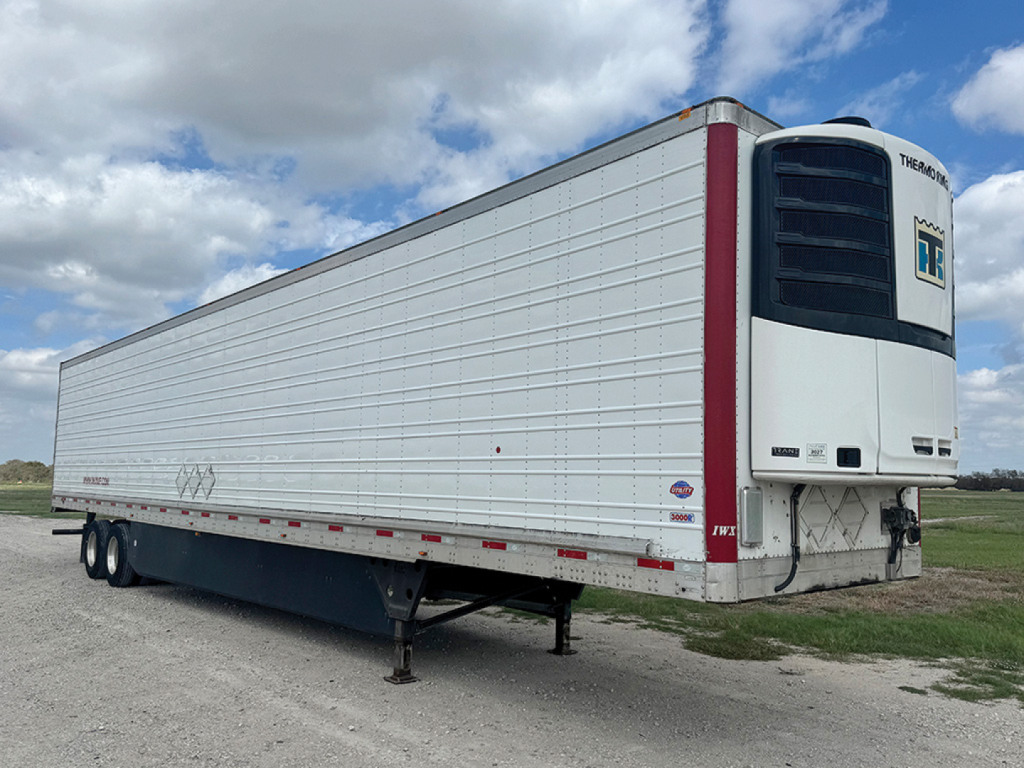
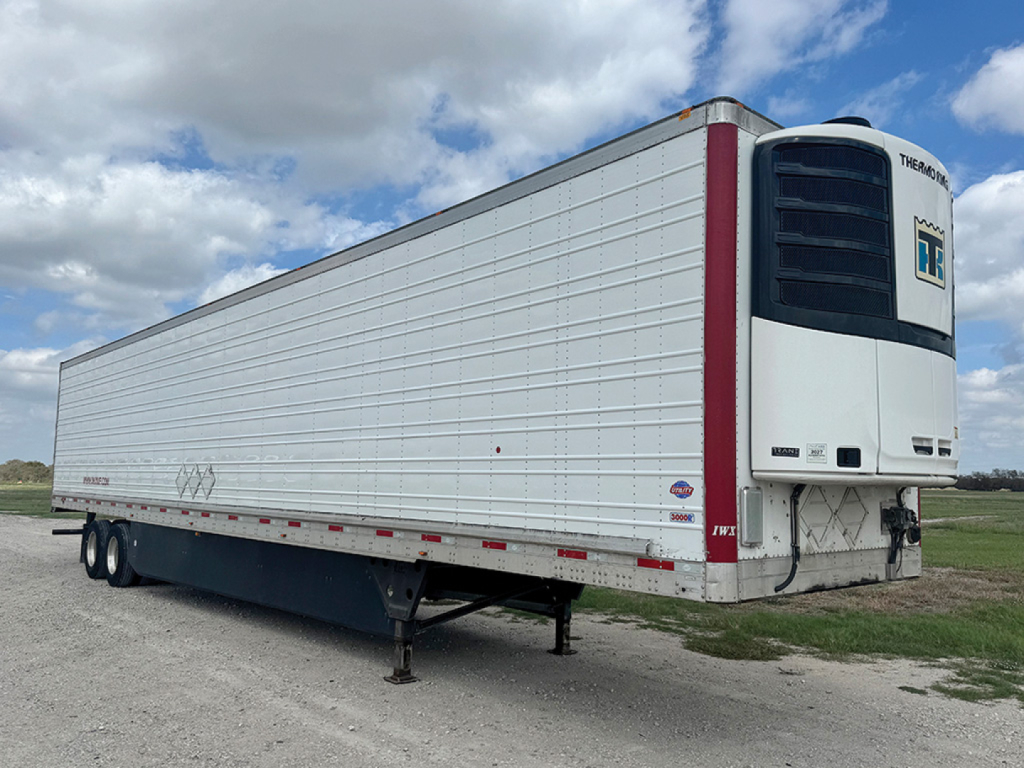
For refrigerated service, Utility reefer trailers are often selected for their aluminum construction, insulation package, and compatibility with common Carrier or Thermo King units. On a used 2024 reefer, unit hours, maintenance history, return air performance, floor type, door seal condition, and interior liner condition are more important than paint or decals. Buyers running grocery, produce, frozen, or multi-stop distribution should also check for tire inflation systems, air ride suspension, and the condition of the evaporator area, chute, and rear doors. If the reefer will cross multiple climates, fuel tank size, unit spec, and insulation condition can affect operating cost just as much as the initial purchase price.
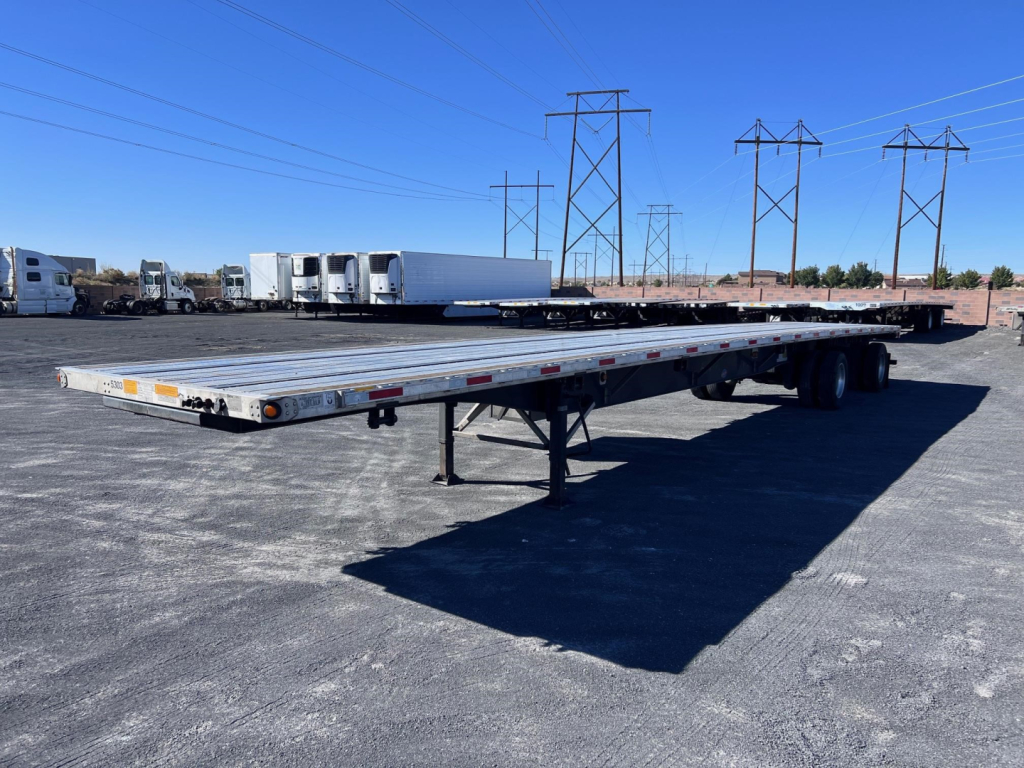
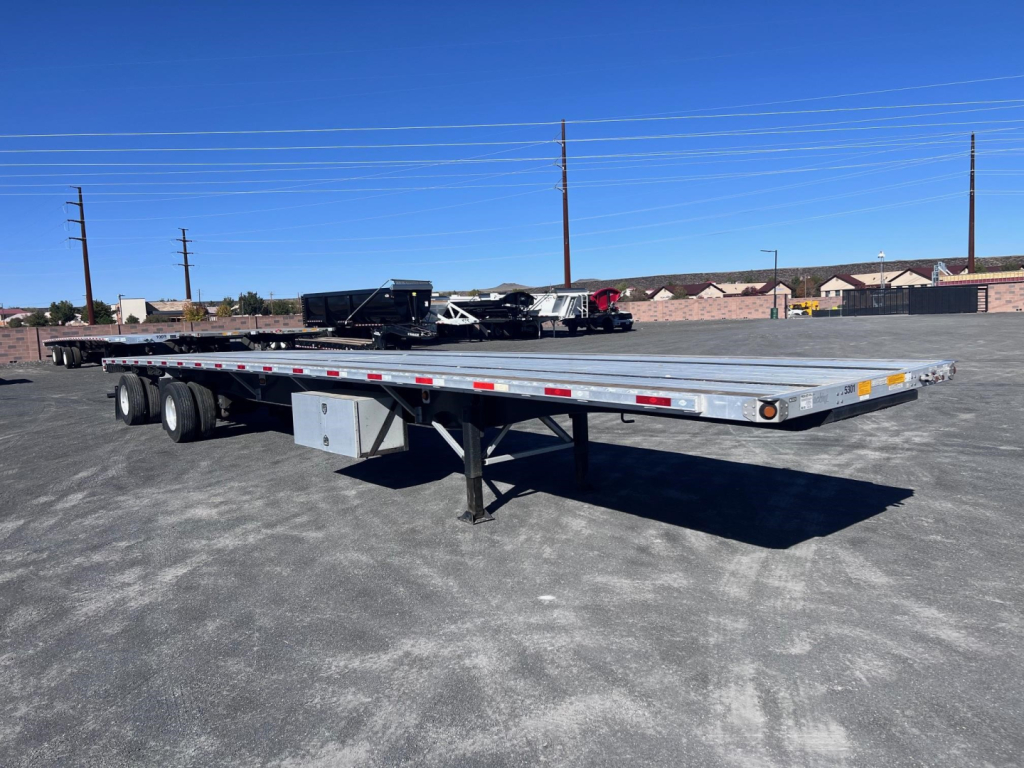
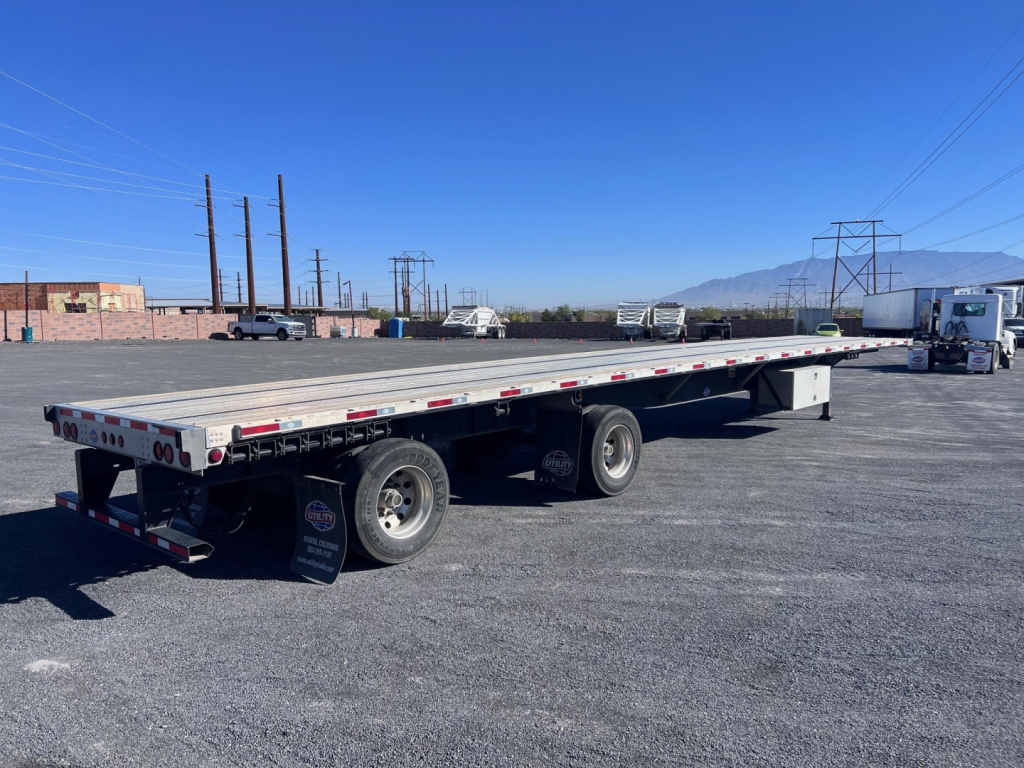
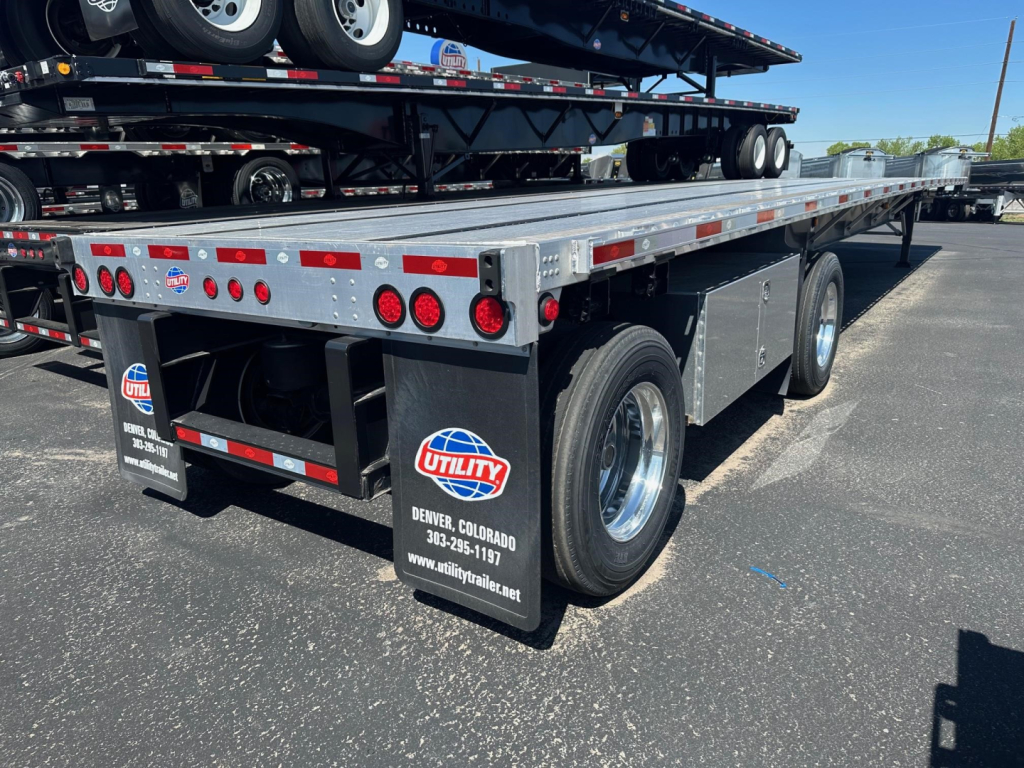
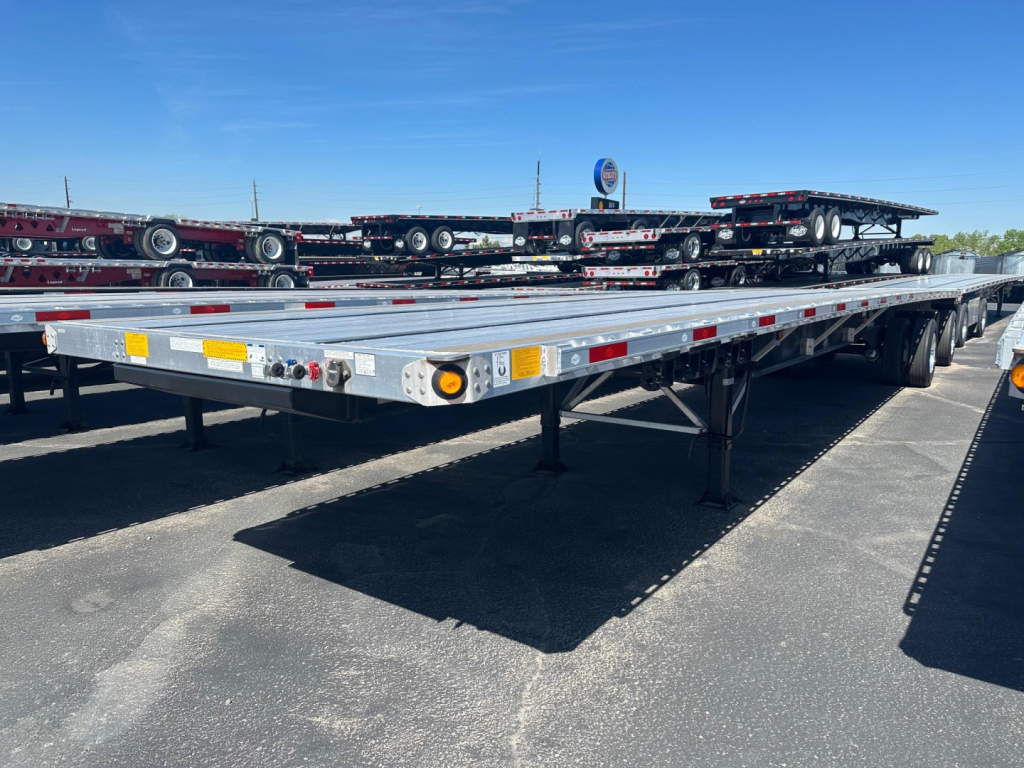
Utility flatbeds from this model year are often aluminum-steel combo designs intended to balance payload and durability. Common specs include 48-foot by 102-inch decks, aluminum crossmembers, steel main beams, coil package ratings, stake pockets, nail strips, sliding winches, dual winch tracks, pipe spools, and spread axle air ride setups. Buyers hauling steel, building materials, machinery, or pipe should verify coil package capacity, deck condition, crossmember straightness, axle spacing, and the condition of the winch track and rail assembly. Across all trailer types, used 2024 Utility trailers are best evaluated by matching the trailer spec to the freight, lane, and maintenance program rather than shopping by model year alone.
Frequently Asked Questions about Used 2024 Utility Trailers
What types of used 2024 Utility trailers are most common?
The most common used 2024 Utility trailers in the market are 53-foot dry vans, refrigerated trailers, and flatbeds. Utility is especially well known for the 4000-series dry van platform, reefer bodies used in food and distribution work, and combo flatbeds built for general freight and steel service. Availability by region usually follows local freight demand, so van and reefer trailers are often more common in large distribution markets while flatbeds appear more often in construction, steel, and industrial corridors.
What should I inspect first on a used 2024 Utility dry van?
Start with the floor, roof, rear frame, and tandem slider. These areas tell you a lot about how the trailer was used. Check for floor rot or excessive forklift wear, cracked threshold plates, roof repairs, bow damage, and signs of repeated dock impact around the rear structure. Then inspect suspension components, brakes, tire wear, door hardware, and logistics posts. A late-model dry van can still have expensive issues if it spent its first year in heavy drop-and-hook or dense urban dock service.
How do I evaluate a used 2024 Utility reefer trailer?
The refrigeration unit and insulated body should be evaluated as one system. Check engine hours, maintenance records, unit start-up, temperature pull-down performance, and any alarm history. Inspect the interior liner, floor, door seals, and bulkhead or chute area for damage that can affect temperature control. Also look at suspension, tires, and inflation systems because reefer downtime is often caused by basic trailer issues as much as by the refrigeration unit itself.
Are Utility flatbeds a good choice for heavy freight?
Utility flatbeds are a strong option when the trailer is spec'd correctly for the freight. Combo flatbeds with steel main beams and aluminum components are common because they offer a useful balance of structural strength and payload. Buyers hauling coils, pipe, or dense building materials should verify the coil package rating, crossmember design, tie-down layout, and axle configuration. A trailer set up for general building products may not be ideal for concentrated steel loads without the right package.
Why do buyers look for used 2024 Utility trailers instead of older units?
A used 2024 Utility trailer can offer a newer design, current-spec components, and potentially lower repair exposure than an older trailer, while still costing less than a new one. Late-model trailers are also more likely to include features that improve uptime and operating efficiency, such as air ride, slider tandems, tire inflation systems, aerodynamic equipment, and updated cargo-control layouts. The value depends on condition and maintenance history, but many buyers target this model year to reduce near-term reconditioning costs.