
Used 2021 Utility Trailers For Sale
Shop the used 2021 Utility trailer market with insights on dry van and reefer specs, common options, maintenance points, and buyer considerations.
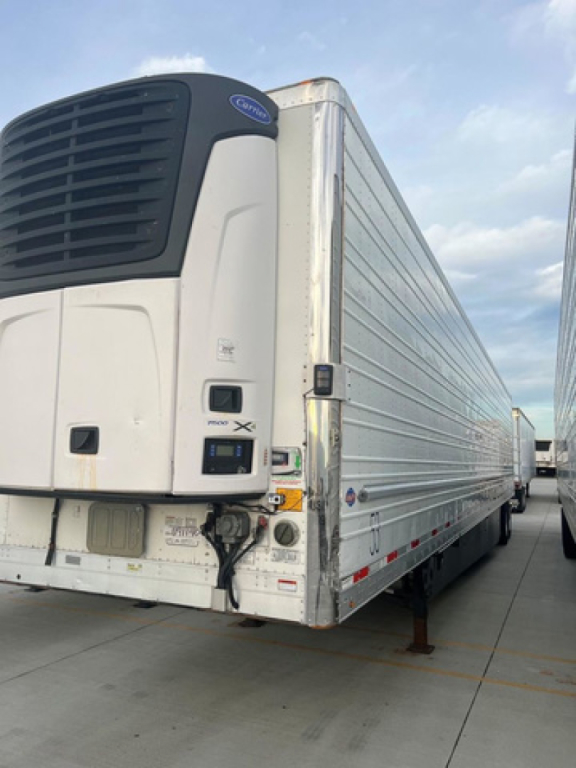

Have used 2021 utility trailer to sell? List it here to reach thousands of buyers.
Used 2021 Utility Trailers
On dry van configurations, pay close attention to wall construction, roof material, floor rating, suspension, and slider setup. Many Utility vans from this era were spec'd with air ride, sliding tandems, logistic posts on 24-inch centers, wood floors, composite wall panels, aluminum roofs, and rear swing doors. Features like side skirts, high base rails, anti-dock-walk systems, and tire inflation systems can add value depending on the lane. On a reefer, the trailer body matters just as much as the unit. Check the insulation package, scuff liner or lining condition, door seal integrity, threshold plate wear, and any evidence of moisture intrusion. Refrigeration units in this class are commonly Carrier or Thermo King, so unit hours, service records, start-stop operation, and temperature pull-down performance should be part of the buying decision.
A 2021 model year usually sits in a practical sweet spot. It is modern enough to include current fleet-preferred specs such as disc brakes, telematics-ready refrigeration units, aerodynamic packages, and automatic tire inflation on many trailers, but old enough that initial depreciation has already moved through the market. For linehaul van service, look at tandem position flexibility, kingpin setting, tire size, wheel type, and brake configuration to make sure the trailer matches bridge law needs and your tractor fleet. For reefer work, also review evaporator condition, return air chute integrity, fuel tank condition, and the interior lining for forklift damage or patchwork repairs that can affect sanitation and temperature retention.
The best used 2021 Utility trailer for a buyer depends on freight profile more than brand loyalty alone. A grocery, produce, or pharma operation will prioritize reefer unit history, temperature control, and clean interior surfaces. General freight and retail shippers usually focus on floor life, door hardware, tandem slider condition, and overall trailer straightness. Across both van and reefer categories, inspect crossmembers, rear frame, upper coupler plate, landing gear, lights, and DOT wear items carefully. Utility trailers have a strong reputation in fleet service, but the right purchase still comes down to previous duty cycle, maintenance discipline, and how closely the spec matches the work.
Frequently Asked Questions about Used 2021 Utility Trailers
What are the most common types of used 2021 Utility trailers on the market?
The most common used 2021 Utility trailers are 53-foot dry vans and 53-foot refrigerated trailers. Utility dry vans are often represented by the 4000D-X series, while refrigerated models are commonly the 3000R. Both are widely used in fleet service, so buyers will often find familiar specs such as air ride suspension, sliding tandems, swing doors, aluminum roofs, composite panels, and tire inflation systems.
What should I inspect first on a used 2021 Utility dry van trailer?
Start with structural and wear components. Check the floor for rot, delamination, and forklift damage, then inspect the rear frame, crossmembers, roof, side panels, door frame, and tandem slider rails. Also verify suspension condition, brake type, tire wear pattern, kingpin wear, and landing gear operation. On a dry van, cargo damage and dock abuse often show up at the rear sill, threshold plate, base rails, and door hardware before other areas.
What matters most when buying a used 2021 Utility reefer trailer?
The refrigeration unit history is critical, but it is only part of the picture. Buyers should review engine hours, maintenance records, alarm history, start-stop usage, and actual cooling performance under load. Just as important are the insulated body, interior liner, door seals, floor condition, and signs of water intrusion. A reefer with a strong unit but poor insulation or damaged interior lining can still create temperature control problems and higher operating cost.
Are 2021 Utility trailers a good fit for fleet operations?
Yes. A 2021 Utility trailer often fits well in fleet operations because it is recent enough to align with modern maintenance practices, brake and suspension specs, and common trailer tracking or reefer telematics setups. Parts availability is generally strong, and many technicians are already familiar with Utility van and reefer construction. That can help reduce downtime and make it easier to standardize service across a mixed trailer fleet.
Do options like disc brakes and tire inflation systems add real value on a used Utility trailer?
They can, especially in high-mileage or safety-sensitive operations. Disc brakes can improve stopping consistency and simplify some maintenance tasks compared with drum setups, while automatic tire inflation systems help protect tire life and fuel economy by reducing underinflation events. These options do not replace a full inspection, but on a used 2021 Utility trailer they can make the trailer more attractive if the system is complete, functional, and supported by service records.