
Utility Trailers For Sale in Mississippi
Browse Utility trailers for sale in Mississippi, including dry vans, reefers, and flatbeds with specs buyers compare for freight, maintenance, and uptime.
Learn more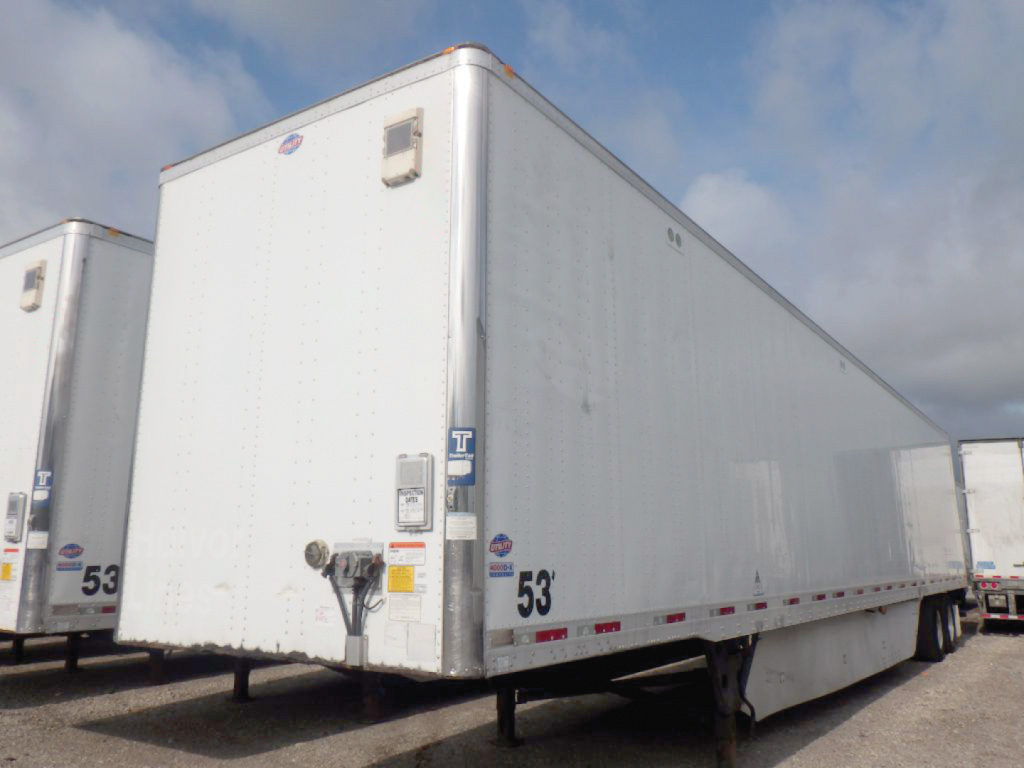

Showing 1 to 12 of 18 results
Have utility trailer to sell? List it here to reach thousands of buyers.
About Utility Trailers in Mississippi
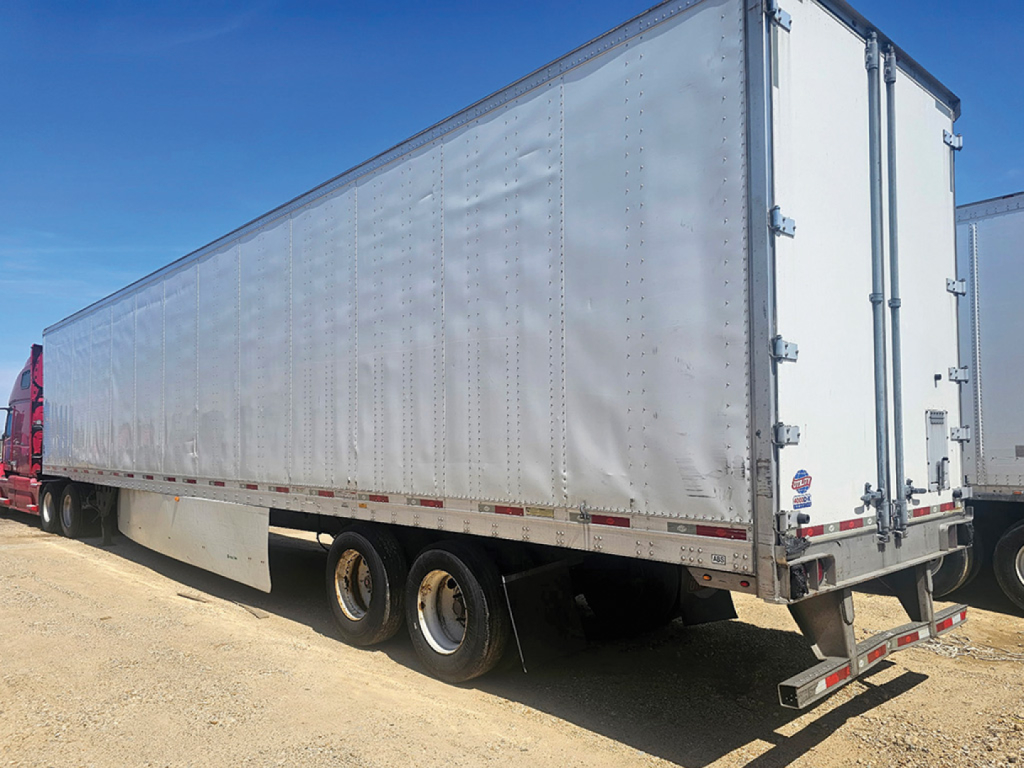
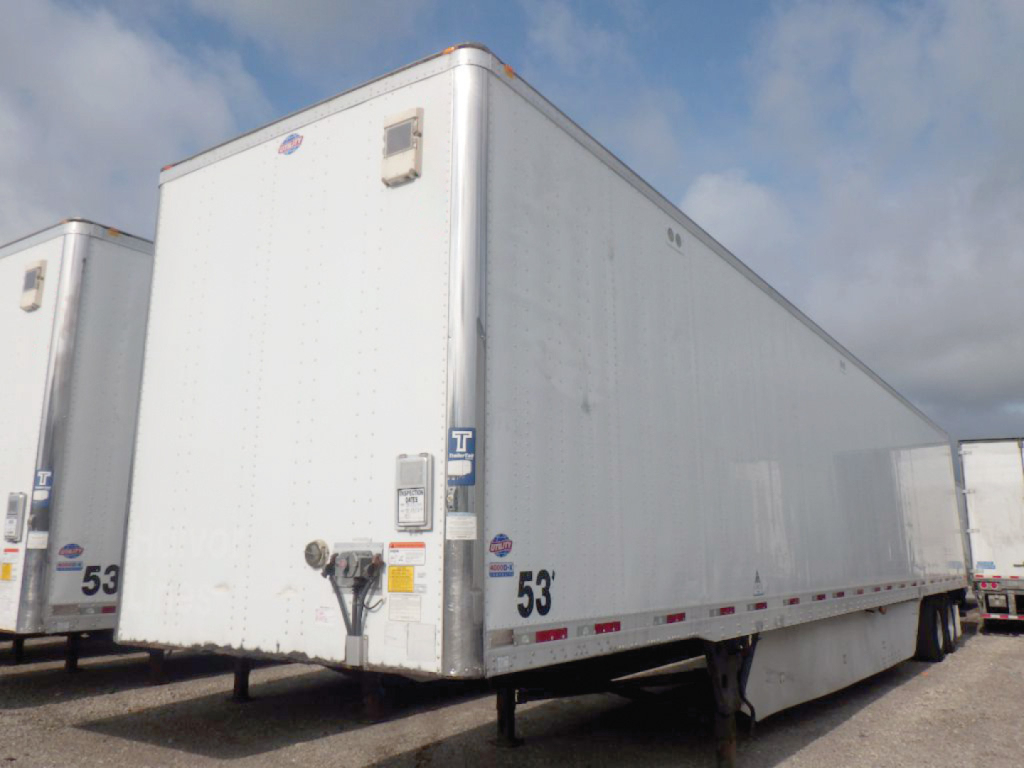
For dry van buyers, Utility trailers are often spec'd with aluminum construction, 102-inch width, 13-foot 6-inch overall height, and inside heights that support cube without giving up durability. Key details to compare are floor type, scuff liners or scuff plate height, rear door style, suspension, and tandem setup. Swing doors remain common in many regional and dock-heavy operations, while sliding tandems help with bridge law compliance and weight distribution. Air ride suspension is a frequent spec because it protects freight and helps trailer stability, especially on rougher secondary roads and mixed route work.
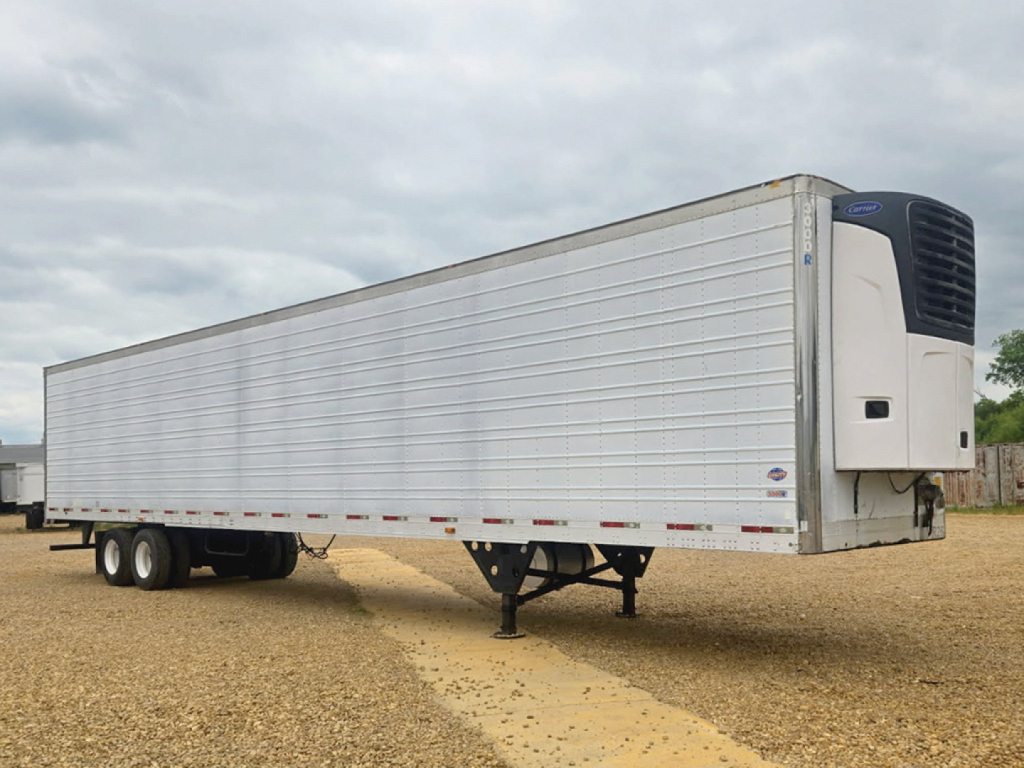
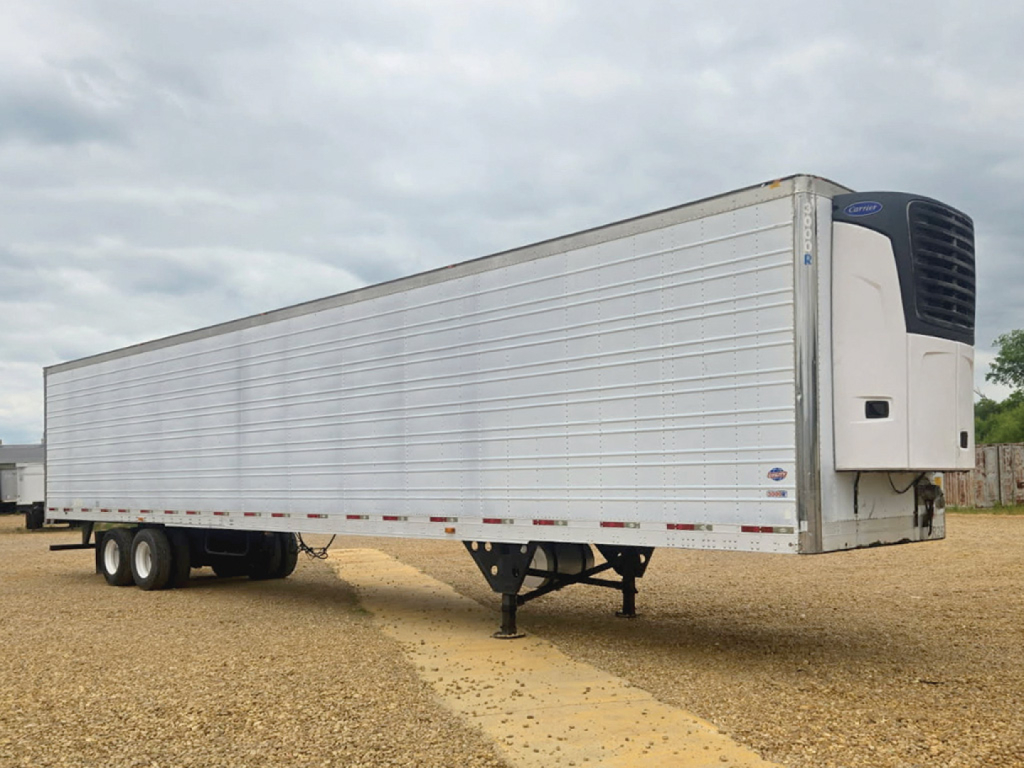
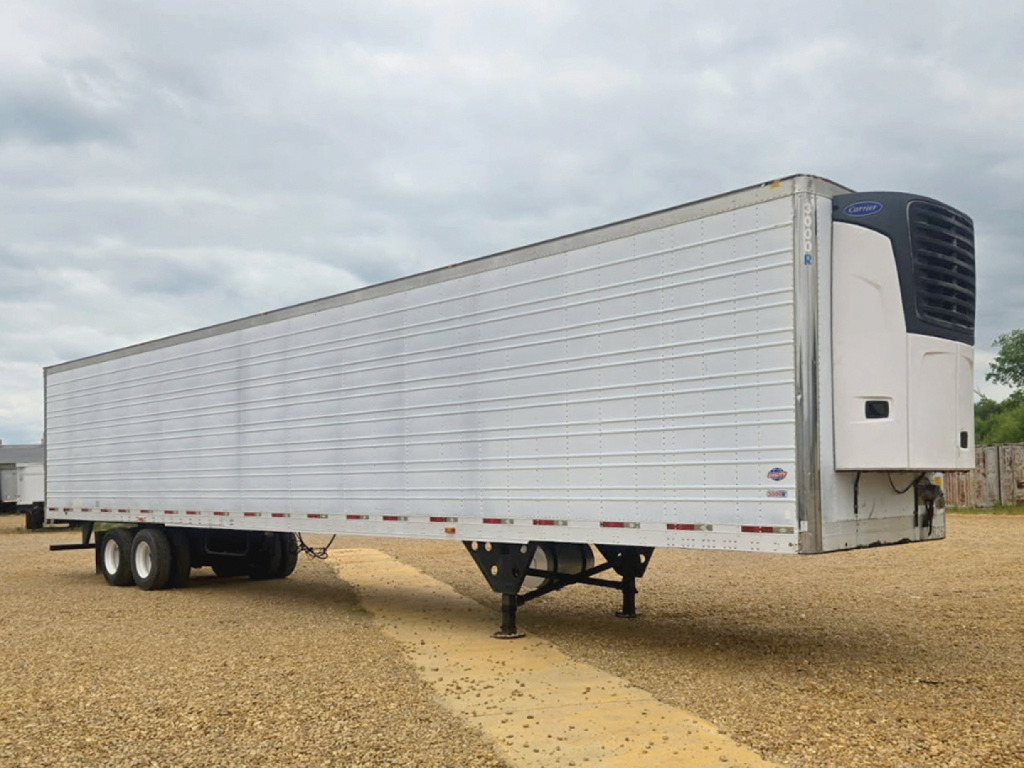
For reefer buyers, Utility trailers are known for insulation performance, strong interior finish quality, and compatibility with major refrigeration units from Carrier and Thermo King. Look closely at floor design, including duct floors for airflow, along with cold chutes, stainless steel rear frames, and heavy-duty scuff protection. Reefer buyers should verify unit hours, reefer maintenance history, fuel tank condition, door seal condition, and signs of floor or sidewall damage from forklift traffic. In Mississippi and across the Southeast, reefer corrosion, tire condition, and brake spec matter because trailers often run long highway miles in heat, humidity, and year-round service.
Utility flatbeds are typically chosen for a balance of weight savings and deck strength, often with aluminum and steel composite construction, nail strips, winch tracks, toolboxes, and air ride suspension. Buyers should inspect crossmembers, deck wear, winch track condition, rub rail integrity, and any evidence of concentrated load damage. Across all Utility trailer types, it pays to compare brake type, wheel material, tire size, tire inflation systems, side skirts, and overall maintenance records. A trailer that matches your freight profile, axle spread needs, and loading environment will usually deliver better uptime than a lower-priced unit with the wrong spec.
Frequently Asked Questions
What types of Utility trailers are most common on the used market?
The most common Utility trailers on the used market are 53-foot dry vans, refrigerated trailers, and flatbeds. Dry vans are typically used for general freight, parcel, and retail distribution. Utility reefers are popular in foodservice, grocery, and temperature-controlled freight. Utility flatbeds are commonly used for construction materials, steel, machinery, and other freight that requires side or overhead loading.
What should I inspect first on a used Utility reefer trailer?
Start with the refrigeration unit service history, unit hours, and proof of preventive maintenance. Then inspect the floor for forklift damage, check the interior liner and scuff protection, and look at the rear frame, door seals, and insulation-related condition points. Buyers should also verify suspension condition, brakes, tires, and any tire inflation system operation because reefer uptime depends on both the trailer body and the cooling unit working together.
Is a Utility 4000D-X a good dry van for general freight?
The Utility 4000D-X is widely used in general freight because it is designed around low tare weight, cargo durability, and high-volume trailer operation. Buyers often like it for aluminum construction, practical interior dimensions, and broad fleet acceptance. The right unit still depends on floor condition, scuff liner coverage, rear door style, tandem configuration, and maintenance history, since those factors directly affect dock use, loading cycles, and long-term repair cost.
What specs matter most when buying a Utility flatbed?
The most important flatbed specs are deck material, trailer weight, crossmember spacing, winch track setup, rub rail condition, suspension type, and tandem configuration. Many buyers also look for nail strips, toolboxes, and proper tie-down equipment. A lighter trailer can improve payload, but deck condition and frame integrity matter more than tare weight if the trailer will see concentrated loads, rough job sites, or frequent securement points.
Why do many buyers prefer air ride and sliding tandems on Utility trailers?
Air ride suspension helps reduce shock to freight and can improve trailer handling compared with more basic suspension setups. Sliding tandems allow better axle weight distribution and help with bridge law compliance in different states and loading patterns. For fleets running mixed freight or irregular dock loads, those two specs add flexibility and are often worth prioritizing on a used trailer.