
Utility Van Trailers For Sale in Mississippi
Shop Utility van trailers for sale in Mississippi. Compare 53-foot dry van specs, suspension, brakes, logistics posts, and trailer condition.
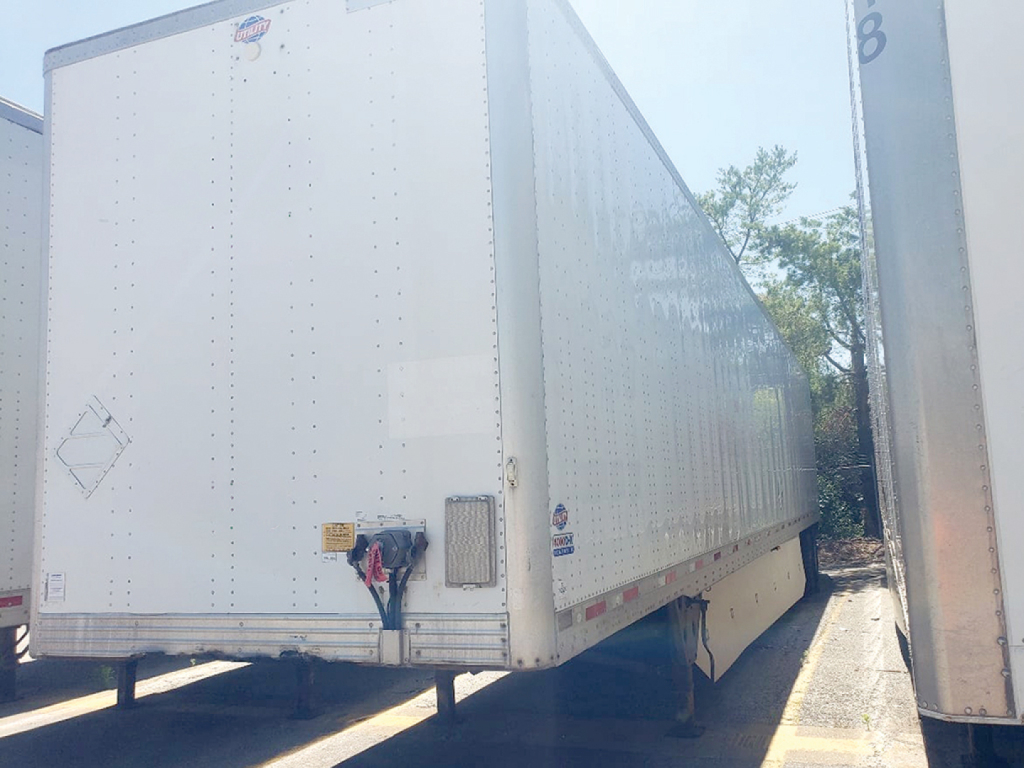
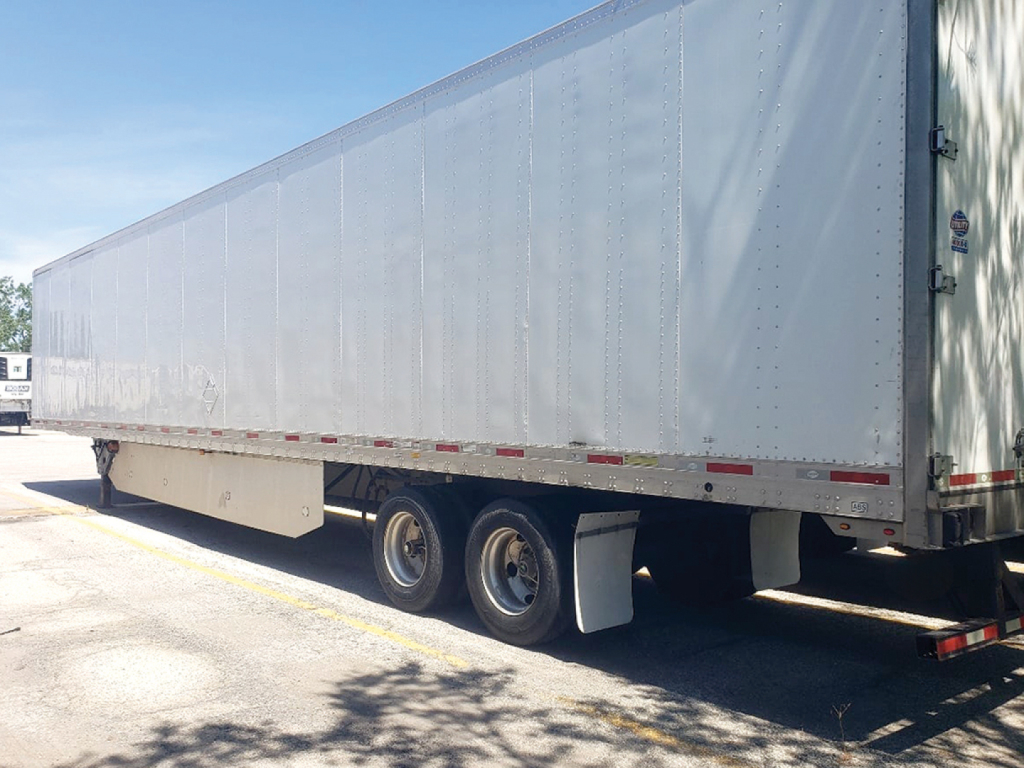

Have utility van trailer to sell? List it here to reach thousands of buyers.
Utility Van Trailers in Mississippi
For most buyers, condition and specification matter more than model year alone. Pay close attention to floor type and remaining floor life, especially if the trailer has seen heavy forklift traffic. Wood floors are common and practical, but the condition of the threshold plate, rear frame, and scuff liner tells you a lot about how hard the trailer has been worked. Logistics posts or a full logistics track package add flexibility for load securement, while aluminum scuff plates help protect the lower interior walls in high-turn freight applications. Swing doors remain the standard on many Utility vans because they are simple, durable, and familiar across shipping docks.
Running gear is another major decision point. Air ride suspension is preferred by many fleets hauling consumer goods and higher-value freight because it improves ride quality and helps protect cargo. Sliding tandems matter for bridge law compliance, dock positioning, and lane flexibility, especially in states and corridors where axle spacing can affect legal payload. Many late-model Utility van trailers are equipped with disc brakes, which can improve stopping consistency and reduce maintenance time compared with traditional drum setups. Low-profile 22.5 tires, aluminum wheels, side skirts, and stainless rear door components are also common specs that can influence weight, corrosion resistance, and fuel economy.
In Mississippi, buyers often look for dry vans that can handle humid conditions, busy warehouse cycles, and a mix of interstate and local distribution work. Corrosion at the rear sill, door hardware wear, roof repairs, tire condition, and suspension history should all be reviewed closely. A good Utility van trailer should open and close square at the rear, track straight on the road, and show even wear across tires, brakes, and suspension components. If the trailer will be used in a fleet setting, check that kingpin wear, tandem slide operation, and interior dimensions match your freight profile and maintenance standards.
Frequently Asked Questions about Utility Van Trailers in Mississippi
What are the most common specs on a Utility van trailer?
The typical Utility dry van trailer is a 53-foot by 102-inch unit with a 13-foot 6-inch overall height. Common specs include a wood floor, aluminum scuff liner or scuff plate, swing doors, air ride suspension, and a sliding tandem. Many fleet-spec trailers also include logistics posts or E-track style securement systems, side skirts, and either drum or disc brakes depending on age and original application.
Is air ride suspension worth it on a used Utility van trailer?
Air ride is a strong choice for most dry van applications because it helps reduce cargo shock and is widely accepted in fleet operations. It is especially useful for palletized consumer goods, packaged freight, and dedicated contract work where ride quality matters. On a used trailer, the key is not just having air ride but confirming the condition of the air bags, shocks, height control components, and suspension bushings.
What should I inspect first on a used Utility 4000D-X trailer?
Start with the floor, rear frame, roof, brakes, tires, and tandem slider. The floor and threshold area show how much forklift and dock abuse the trailer has taken. The rear frame, door hinges, and door seals can reveal collision damage or long-term wear. Then check for smooth tandem slide operation, uneven tire wear, brake condition, and signs of prior repairs on the roof or side panels.
Are disc brakes better than drum brakes on a dry van trailer?
Disc brakes can offer shorter, more consistent stopping performance and are often easier to inspect for wear. They are popular on late-model fleet trailers because they can reduce brake fade and simplify some maintenance tasks. Drum brakes are still common and remain a proven, serviceable option, but buyers comparing used dry vans should factor in maintenance history, parts cost, and shop familiarity in addition to braking performance.
Why do sliding tandems matter on a van trailer?
Sliding tandems let the operator adjust axle position to meet bridge law requirements, improve weight distribution, and fit different loading dock situations. That flexibility is important for fleets running varied freight and multi-state lanes. On a used trailer, the tandem slider should lock and release correctly, the rails should not show excessive damage, and the trailer should still hold proper alignment after adjustment.