
Utility Reefer Trailers For Sale in Mississippi
Browse Utility reefer trailers for sale in Mississippi. Compare 53-foot refrigerated trailers with Thermo King or Carrier units and common fleet specs.
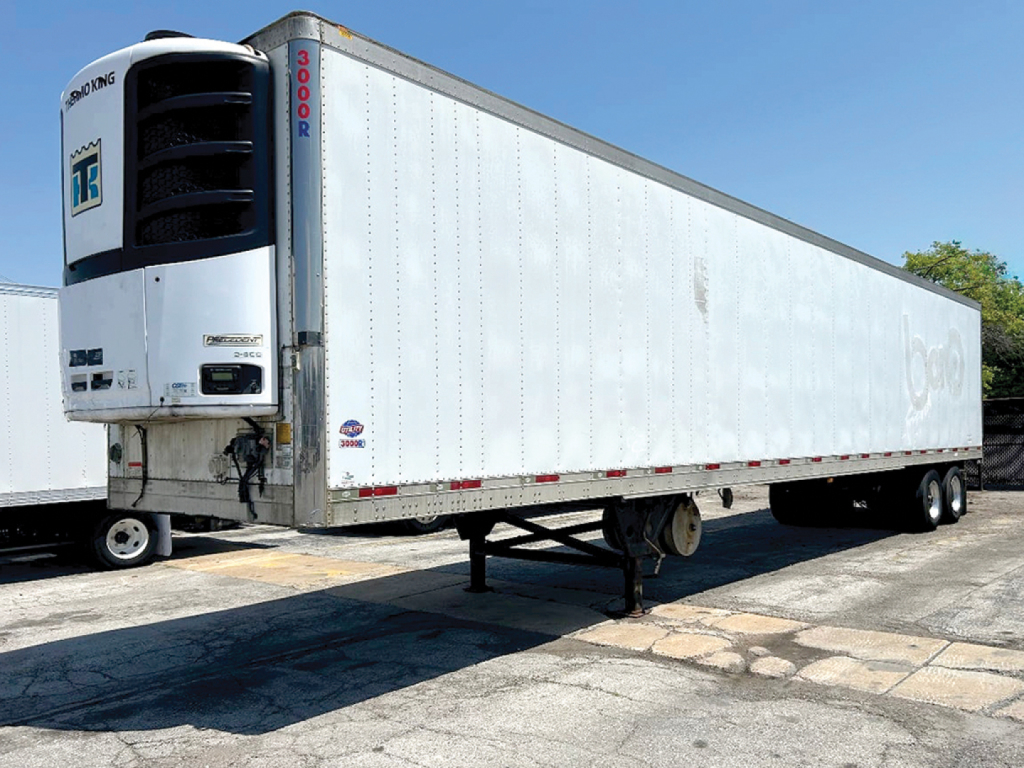
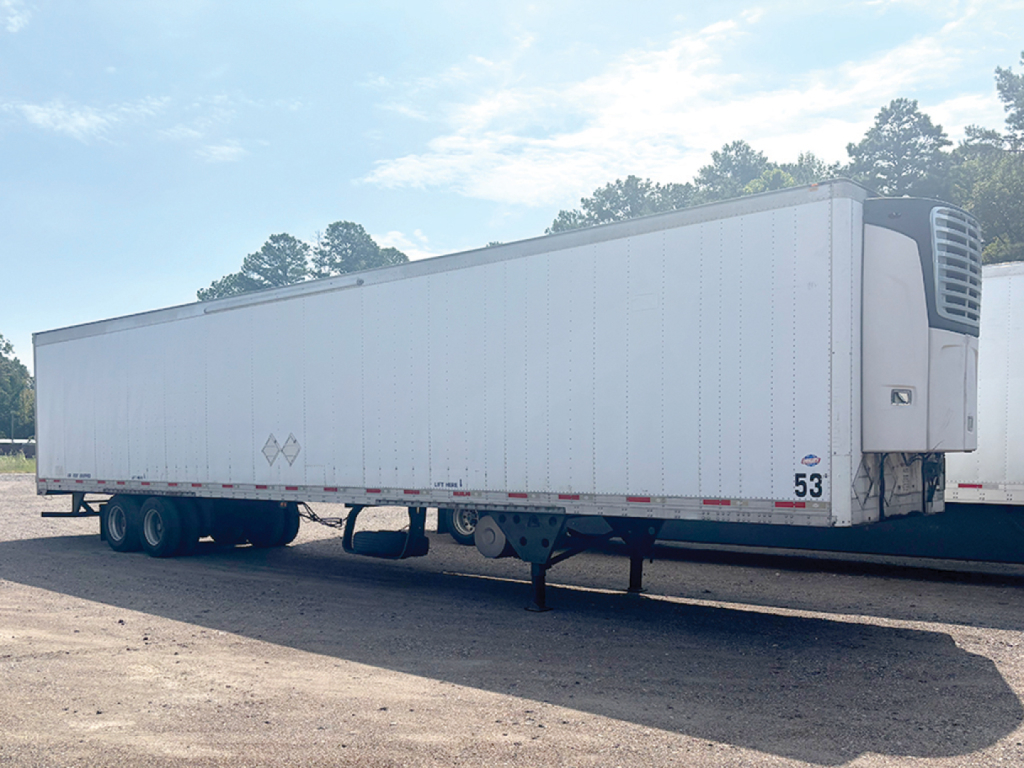

Have utility reefer trailer to sell? List it here to reach thousands of buyers.
Utility Reefer Trailers in Mississippi
The reefer unit and trailer floor layout should drive the buying decision before cosmetic details. Many Utility reefers are equipped with Thermo King or Carrier units, and buyers should verify total engine hours, run hours, temperature pull-down performance, and service history. Inside the box, features like aluminum duct floors, heavy-duty floors, cold chutes, and scuff plates affect airflow and durability. A trailer used for palletized food service work may benefit from a heavy-duty floor and strong scuff protection, while long-haul refrigerated freight often puts more attention on fuel-efficient specs such as side skirts and low rolling resistance tire setups.
Utility wedge reefers deserve a close look if cubic capacity and loading profile matter to your operation. The wedge design increases interior height toward the rear, which can help with certain pallet patterns and freight that benefits from added rear-door clearance. Door configuration, stainless steel door frames, and rear swing doors also matter more than many first-time buyers expect because seal condition and frame integrity directly affect temperature retention. On the running gear side, air ride suspension is standard on many fleet-spec trailers, while sliding tandems offer flexibility for bridge law and dock positioning and spread axles can be attractive for weight distribution in specific applications.
For Mississippi buyers, reefer performance in high heat and humidity is a practical concern, not a minor detail. Check insulation condition, door seals, floor wear, evaporator cleanliness, and signs of water intrusion around the front wall and roof line. It is also smart to inspect tire size, wheel type, brake condition, suspension wear, and any onboard systems such as trailer weigh scales or tire inflation systems if equipped. A good Utility reefer trailer should hold temperature consistently, load efficiently, and stay economical to maintain across regional grocery lanes, produce hauls, and dedicated cold-chain routes.
Frequently Asked Questions about Utility Reefer Trailers in Mississippi
What should I inspect first on a used Utility reefer trailer?
Start with the refrigeration unit, insulation integrity, and floor condition. Verify the reefer unit brand, model, engine hours, and maintenance records, then confirm the trailer can pull down to set temperature and hold it without excessive cycling. Inspect the front wall, roof, door seals, drain lines, and interior lining for signs of water intrusion or insulation damage. Floor wear, especially on aluminum duct floors or heavy-duty floors, tells you a lot about the trailer’s past loading patterns and remaining service life.
What is the difference between a Utility wedge reefer and a standard reefer trailer?
A Utility wedge reefer has a sloped interior profile that typically increases inside height from front to rear. This design can improve rear-door loading clearance and help with certain freight mixes or pallet configurations. A standard reefer has a more uniform interior profile. The right choice depends on what you haul, how often you cube out before you gross out, and whether your freight benefits from the extra rear interior height.
Are Thermo King and Carrier units both common on Utility reefer trailers?
Yes. Utility reefer trailers are commonly found with either Thermo King or Carrier refrigeration units, especially in fleet-spec configurations. Both are widely supported, but buyers should focus less on brand preference alone and more on service history, parts access in their operating region, controller condition, and actual cooling performance under load. A well-maintained older unit can be a better buy than a neglected newer one.
Which axle setup is better on a Utility reefer trailer, sliding tandem or spread axle?
Sliding tandems are usually preferred when flexibility matters for bridge law compliance, dock approach, and varying load placement. Spread axles can offer weight distribution advantages in some operations, but they can be less flexible in tight urban environments and may scrub tires more during turns. The best axle setup depends on your freight lanes, shipper requirements, and how often you need to adjust trailer weight distribution.
What trailer features matter most for food-grade reefer work?
For food-grade freight, buyers usually prioritize a clean insulated interior, intact scuff liners or scuff plates, a floor that supports proper airflow, tight door seals, and a refrigeration unit that maintains stable temperatures. Stainless steel rear door frames, cold chutes, and well-kept interior lining are also valuable because they support sanitation and temperature management. If the trailer will handle multi-temp-sensitive freight or frequent stop work, airflow design and quick temperature recovery become especially important.