
2021 Utility Trailers For Sale
Shop 2021 Utility trailers for sale, including dry vans and reefers with common specs, suspension options, trailer dimensions, and fleet-ready features.

Selling a 2021 utility trailer? List your 2021 utility trailer for sale and reach thousands of commercial buyers.
2021 Utility Trailers
On dry van models, common decision points include roof height, interior lining, floor rating, tandem configuration, and suspension. Air ride suspension remains a popular spec for higher-value freight and smoother ride quality, while sliding tandems add flexibility for bridge-law compliance and dock positioning. Wheel material, low-profile 22.5 tires, aerodynamic side skirts, and rear impact guard condition also matter on a 2021 trailer because these details affect operating cost, tare weight, and day-to-day durability. Buyers hauling palletized freight should also inspect scuff liners, logistics posts, E-track, door hardware, and floor wear, especially on trailers that have seen heavy dock traffic.
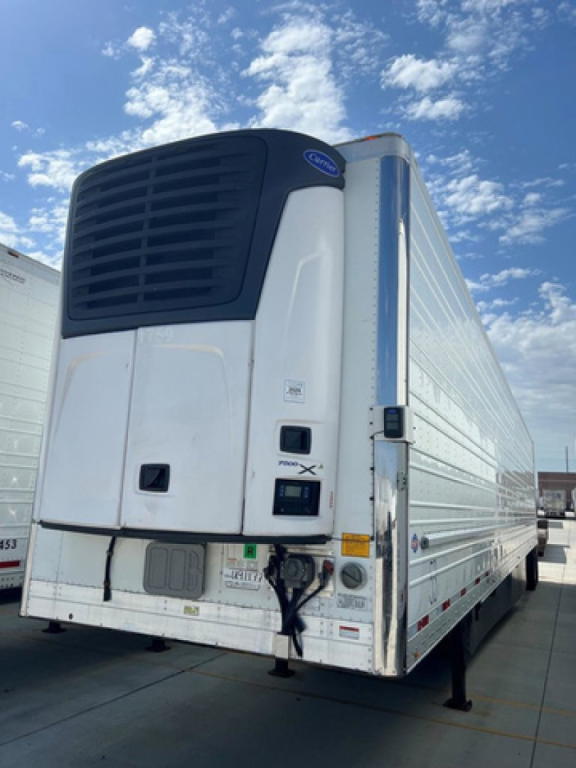
If you are looking at a 2021 Utility reefer, the refrigeration package becomes the main value driver. Common specs include Thermo King or Carrier units, aluminum duct floors, insulated walls, swing rear doors, stainless front corners, and interior linings built for washdown and food-grade work. Reefer buyers should compare unit hours, maintenance history, fuel tank condition, chute and air delivery design, and signs of floor or wall damage from forklift traffic. Tire inflation systems, air pin sliders, and closed tandem setups are also worth noting because they can reduce downtime and improve fleet efficiency. A 2021 model can be especially attractive for regional grocery, produce, dairy, frozen food, and pharmaceutical operations that want newer emissions-era refrigeration equipment with established service support.
Utility trailers are known for broad parts availability, familiar fleet specs, and resale strength, which makes the 2021 model year appealing to both owner-operators and larger carriers. The right trailer comes down to freight type, lane length, dock environment, and maintenance standards. For dry freight, prioritize floor condition, door sealing, tandem operation, and tire wear. For temperature-controlled freight, pay close attention to reefer hours, insulation integrity, and the condition of the duct floor and lining. On any 2021 Utility trailer, a careful review of structural condition, suspension wear, and service records will tell you more than the model year alone.
Frequently Asked Questions about 2021 Utility Trailers
What types of 2021 Utility trailers are most common on the used market?
The most common 2021 Utility trailers are 53-foot dry vans and 53-foot refrigerated trailers, often called reefer trailers. Dry vans are used for general palletized freight, retail, and distribution work, while reefers are designed for temperature-controlled cargo such as food, beverages, and pharmaceuticals. Many 2021 units were built for fleet service, so it is common to see standardized specs such as air ride suspension, sliding tandems, and 22.5-inch tires.
What should I check first on a 2021 Utility reefer trailer?
Start with the refrigeration unit hours, service history, and operating condition. Then inspect the insulated body, aluminum duct floor, interior lining, rear doors, and door seals. Damage from forklift traffic, moisture intrusion, or poor washout practices can be more important than cosmetic exterior condition. Buyers should also verify whether the unit is equipped with a Thermo King or Carrier system and confirm that local service support is readily available.
Are 2021 Utility dry vans a good choice for fleet and regional freight work?
Yes, a 2021 Utility dry van is often a practical choice for fleet, regional, and over-the-road freight because it offers a relatively late model year with widely supported parts and familiar trailer specs. Utility dry vans are commonly spec'd for dock-to-dock freight movement, and many buyers value them for predictable maintenance, good resale appeal, and compatibility with standard fleet operations. Floor condition, sidewall integrity, rear frame wear, and tandem slide function should still be checked closely before purchase.
What suspension and tandem options are common on 2021 Utility trailers?
Air ride suspension is one of the most common configurations on 2021 Utility trailers, especially on fleet-spec dry vans and reefers. Sliding tandems are also very common because they provide flexibility for axle weight distribution, bridge compliance, and loading dock use. Some buyers may prefer closed tandem setups or air pin sliders depending on their operation, but the best choice depends on lane requirements, state regulations, and how often the trailer will be repositioned under load.
How important is trailer condition compared to model year on a 2021 Utility trailer?
Condition is usually more important than model year by itself. A well-maintained 2021 Utility trailer with documented service records, good tires, sound brakes, a solid floor, and properly functioning doors can be a stronger value than a newer trailer with poor maintenance history. Reefer buyers should place extra weight on refrigeration performance and insulation condition, while dry van buyers should focus on structure, floor wear, door sealing, and evidence of hard dock use.