
2013 Utility Trailers For Sale in Texas
Browse 2013 Utility trailers in Texas, including reefer and flatbed models with specs, features, and buyer insights for freight applications.
Learn more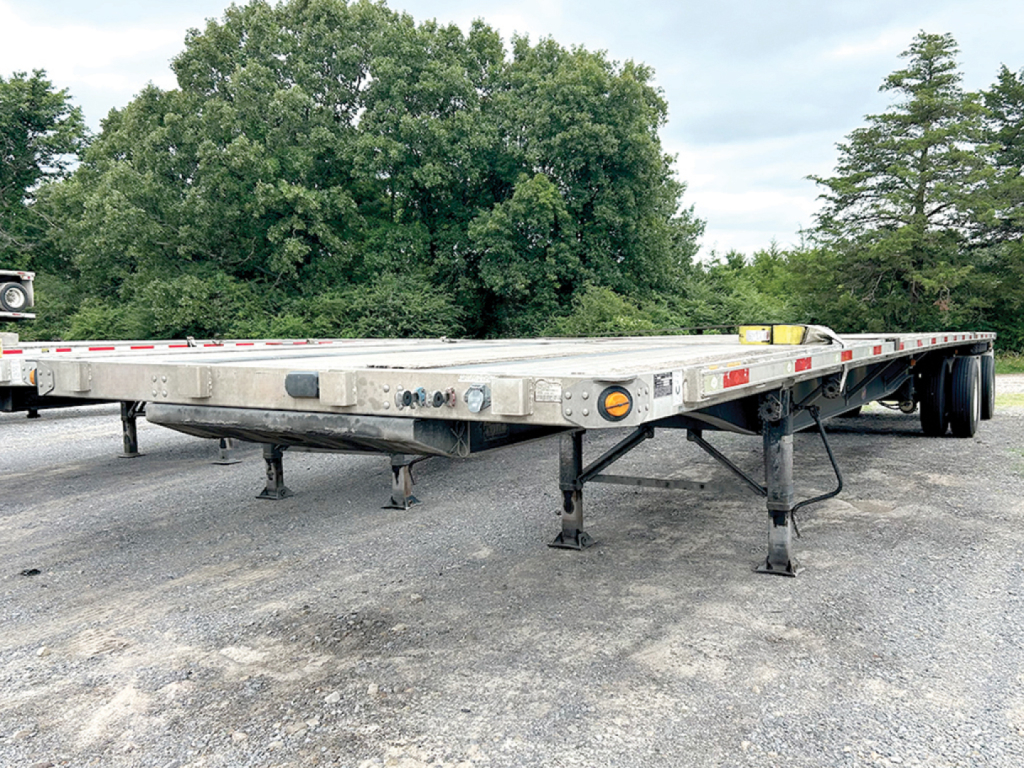
Showing 13 to 16 of 16 results
Have 2013 utility trailer to sell? List it here to reach thousands of buyers.
About 2013 Utility Trailers in Texas
On reefer applications, a 2013 Utility trailer is typically evaluated around insulation integrity, floor wear, door sealing, and refrigeration compatibility. Common specs in this class include 48-foot or 53-foot lengths, 96-inch or 102-inch widths, 13-foot 6-inch overall height, sliding tandems, air ride suspension, and low-profile 22.5 tires. Buyers should inspect the duct floor or flat floor condition, scuff liners or scuff plates, E-track layout, and rear door style such as swing or roll-up. If the trailer includes a refrigeration unit, check engine hours, cooling performance, multi-temp capability, chute condition, and service history. If it is being sold less unit, confirm the front wall opening, fuel tank setup, and electrical provisions before budgeting a replacement reefer unit.
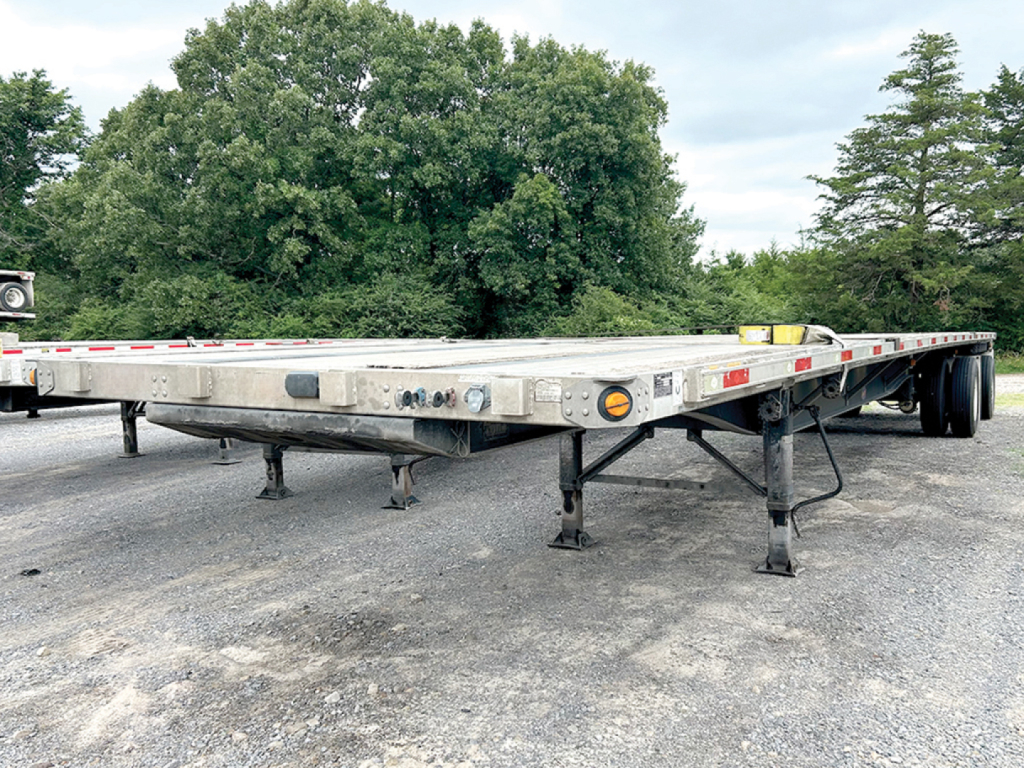
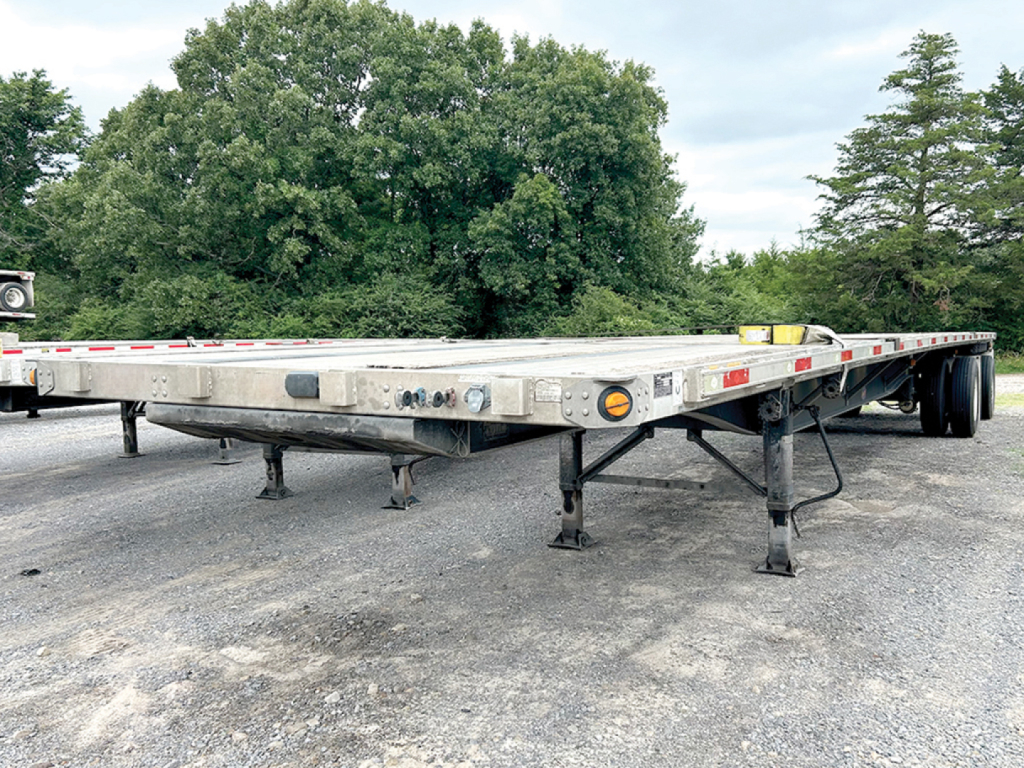
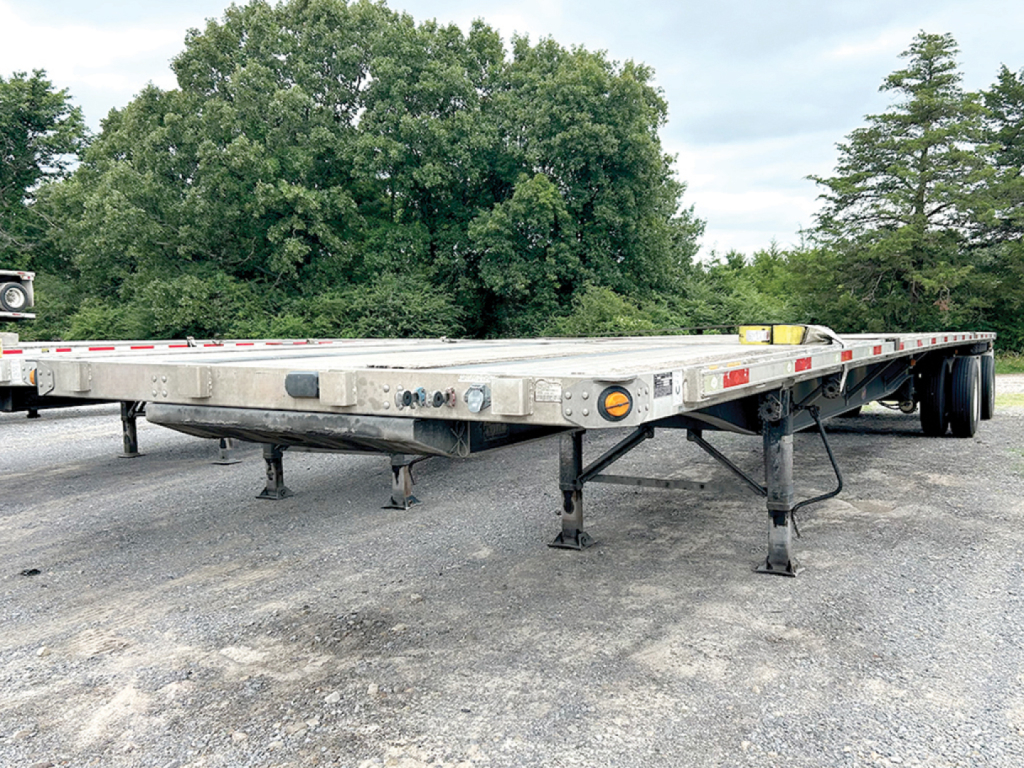
On flatbed work, Utility composite flatbeds from this period are commonly set up as 48-foot by 102-inch trailers with aluminum flooring, nail strips, sliding winch tracks, and coil package options. Spread axle configurations are common for weight distribution and load stability, especially in steel, building materials, and machinery hauling. Air ride suspension is a plus for more delicate freight and can help with ride quality over long Texas lanes. Buyers should inspect the main beams, crossmembers, winch track condition, floor wear around chain tie-down points, and any signs of concentrated damage in the coil well area. Tire size, wheel type, and brake condition also affect operating cost right away.
For Texas buyers, axle spacing, bridge compliance, and regional freight type should drive the decision. Reefer operators moving grocery, produce, or foodservice freight may prioritize unit spec, insulation, and door seal quality. Flatbed operators may care more about deck condition, tiedown setup, and whether the trailer is optimized for coils, pipe, or general construction loads. Utility trailers from 2013 remain relevant in regional and over-the-road service when the structure is sound and the spec matches the lane. The best buy is usually the trailer with the cleanest maintenance history, the right suspension and axle setup, and the fewest near-term repair items in high-wear areas.
Frequently Asked Questions
What are the most common 2013 Utility trailer types buyers look for?
The most common 2013 Utility trailers on the used market are reefer trailers and flatbed trailers. Utility reefer models such as the 3000R are popular in food-grade and temperature-controlled freight, while Utility aluminum and steel composite flatbeds are common in steel, construction, and general open-deck service. The right choice depends on freight type, loading method, and the operating region.
What should I inspect first on a 2013 Utility reefer trailer?
Start with the trailer body before the refrigeration unit. Check roof, sidewalls, front wall, floor condition, rear frame, door seals, and any signs of water intrusion or insulation failure. After that, inspect the reefer unit for engine hours, maintenance records, pull-down performance, fuel system condition, and controller operation. Structural and insulation issues can be more expensive to correct than routine reefer service.
Are 2013 Utility flatbeds a good fit for steel and building materials?
Yes, many 2013 Utility flatbeds are well suited for steel, lumber, and construction freight, especially if they are equipped with sliding winch tracks, nail strips, and a coil package. Spread axle setups can help with weight distribution and load stability, while air ride suspension is useful for freight that benefits from reduced road shock. Buyers should verify deck condition and tiedown hardware before putting the trailer into regular service.
How important is suspension type on a 2013 Utility trailer?
Suspension type affects ride quality, cargo protection, maintenance cost, and resale appeal. Air ride suspension is generally preferred on reefer trailers and many flatbeds because it helps reduce cargo shock and is common in fleet service. Spring suspension can still be serviceable in the right application, but many buyers place a premium on air ride because it fits a broader range of freight and shipper requirements.
What Texas buyers should consider when comparing 2013 Utility trailers?
Texas buyers should look closely at trailer length, axle configuration, tandem slide range, tire size, and overall roadability because these directly affect bridge compliance, maneuverability, and lane flexibility. Reefer buyers should also consider service support for the refrigeration unit in their operating area. Flatbed buyers should match the deck setup to the freight mix, especially if coils, pipe, or machinery are part of the regular load profile.