
2013 Utility Flatbed Trailers For Sale in Texas
Shop the 2013 Utility flatbed trailer category. Compare 48-foot composite flatbeds with coil packages, air ride suspensions, and Texas-ready specs.
Learn more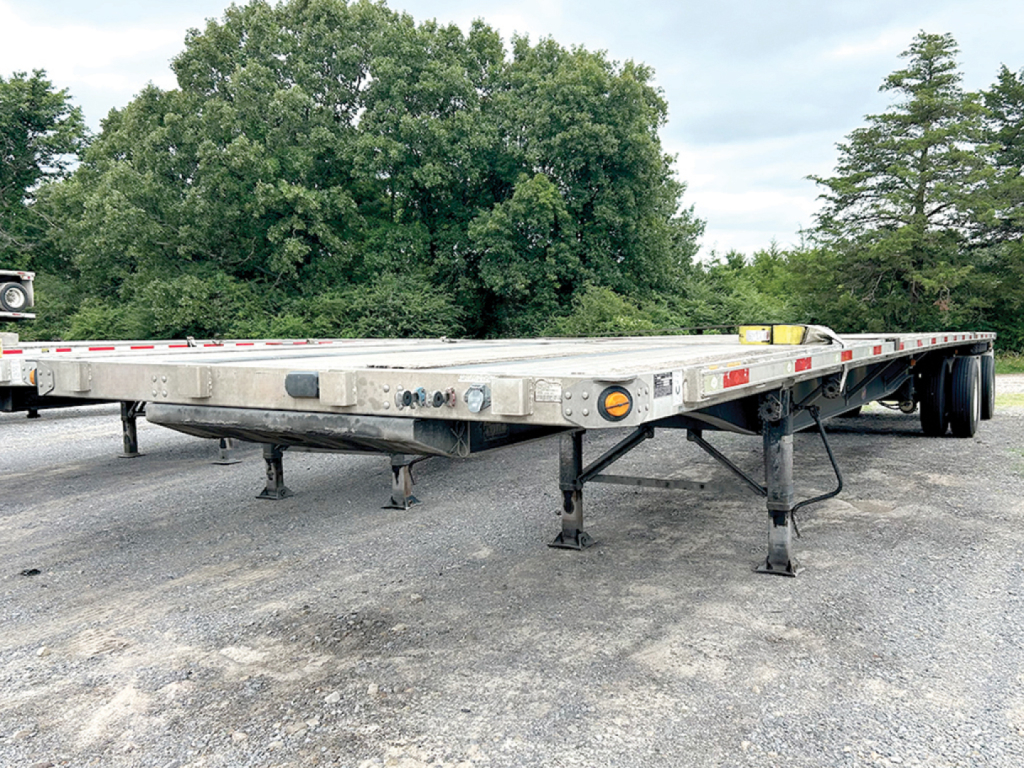
Have 2013 utility flatbed trailer to sell? List it here to reach thousands of buyers.
About 2013 Utility Flatbed Trailers in Texas
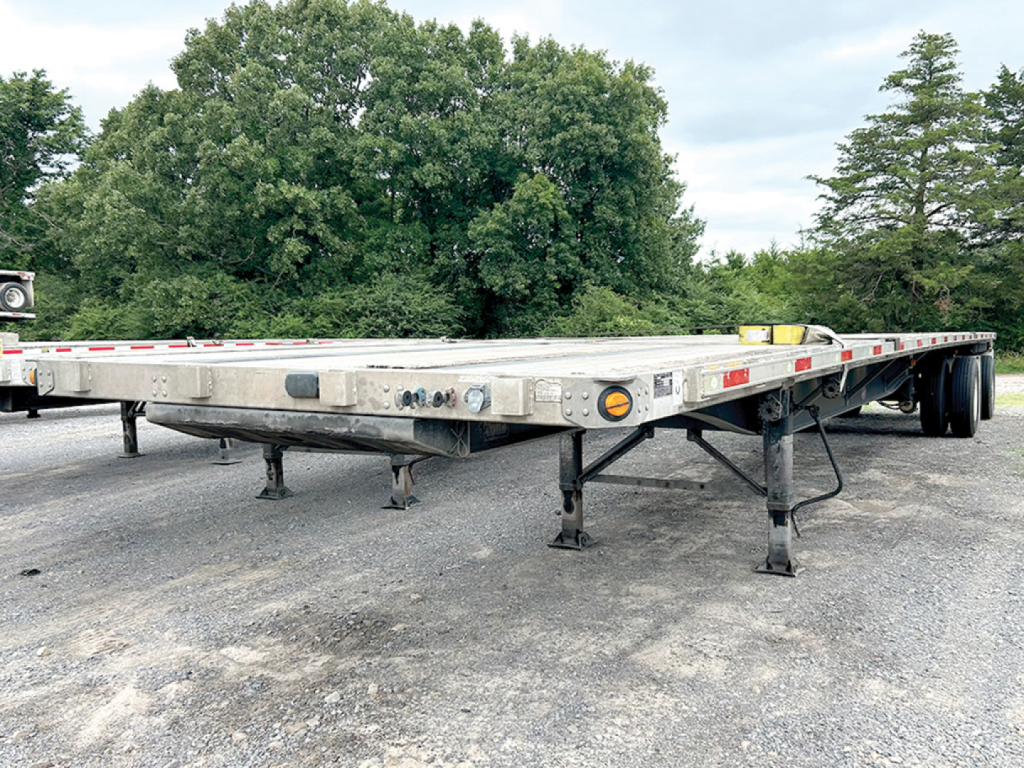
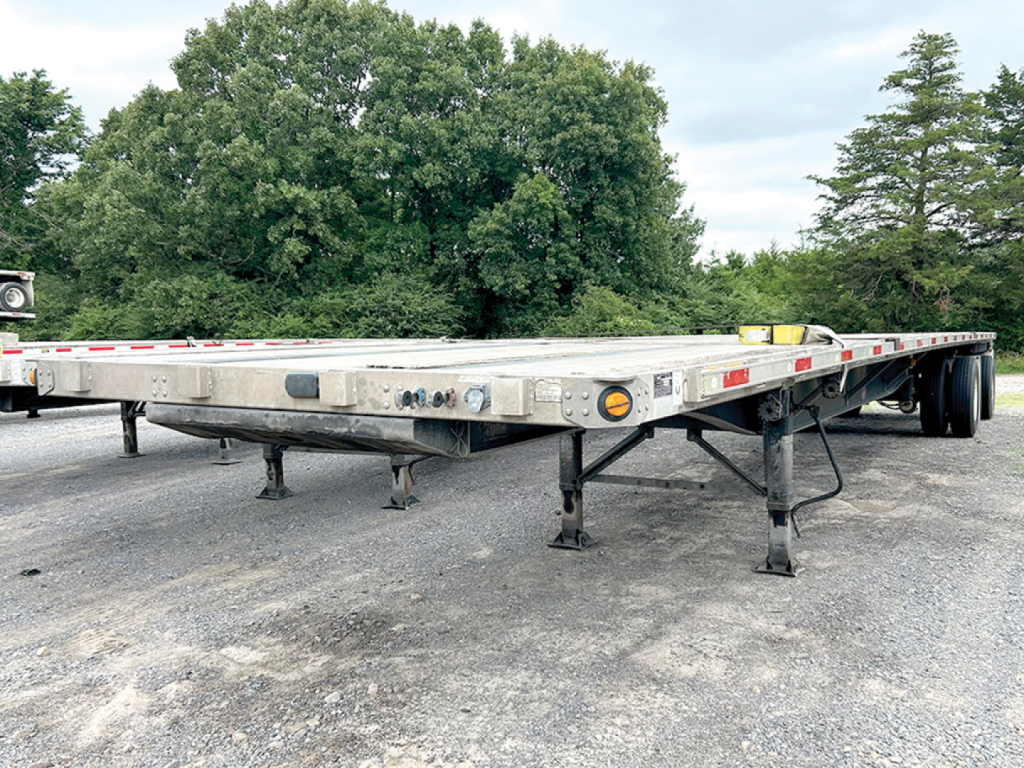
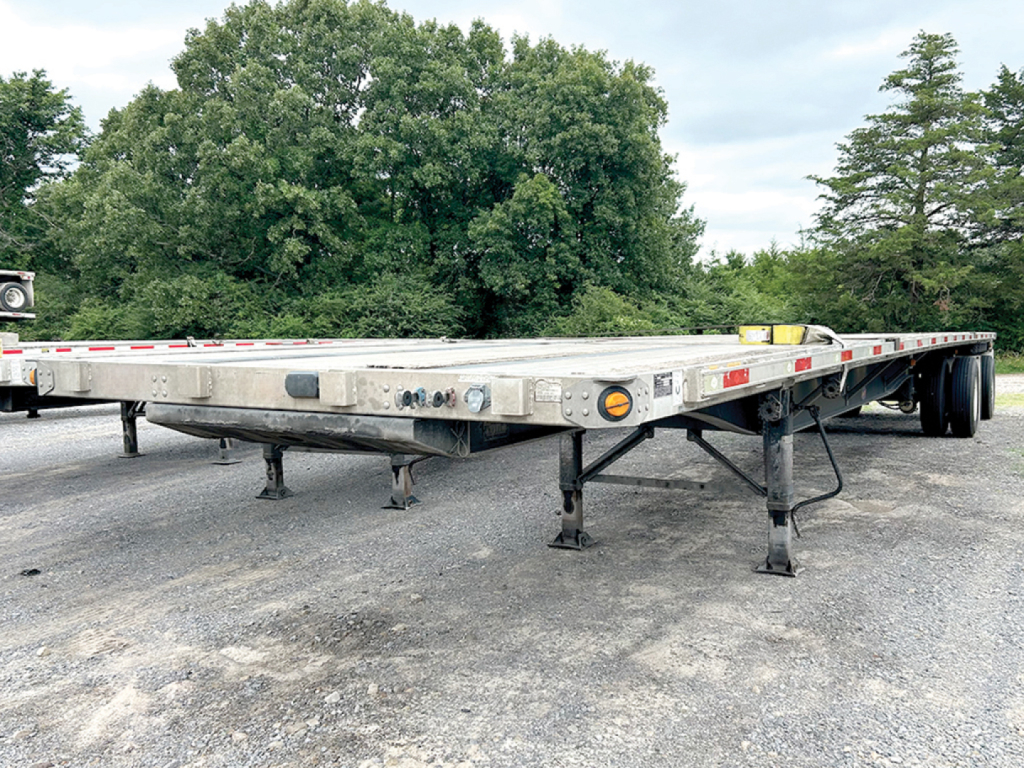
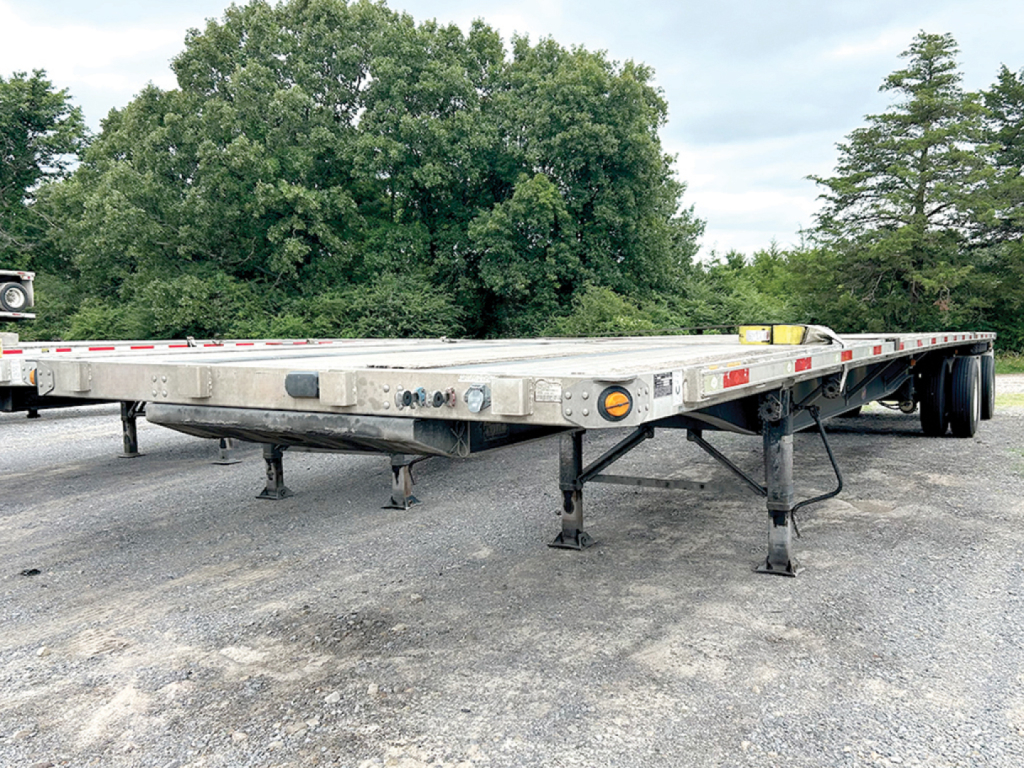
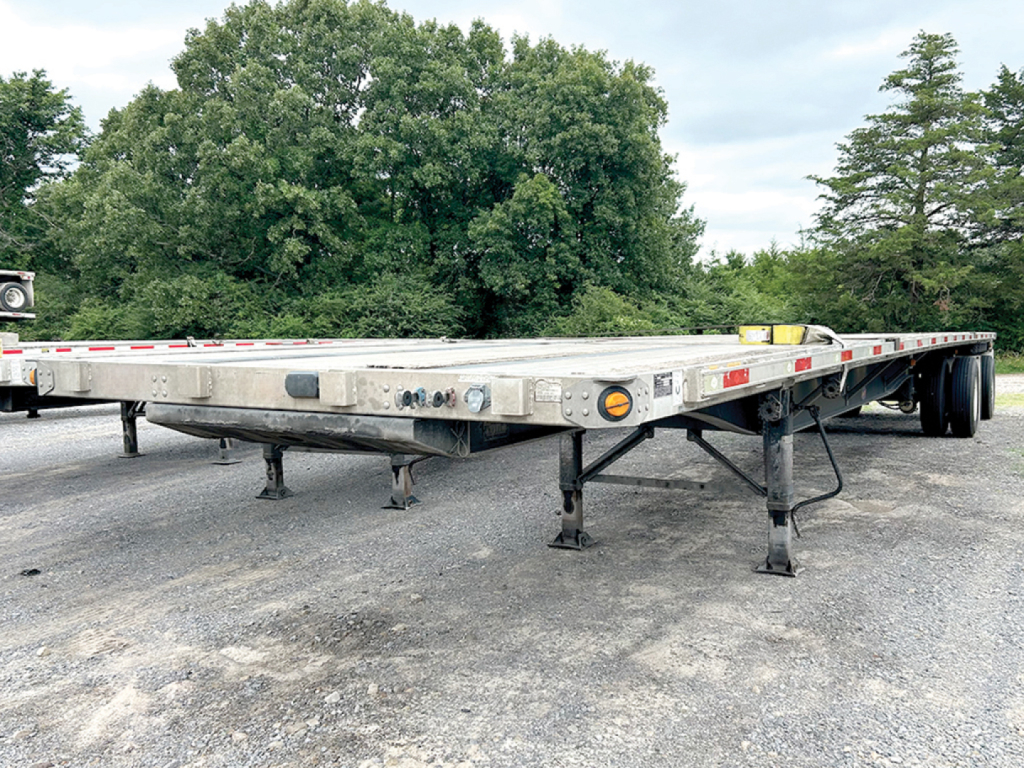
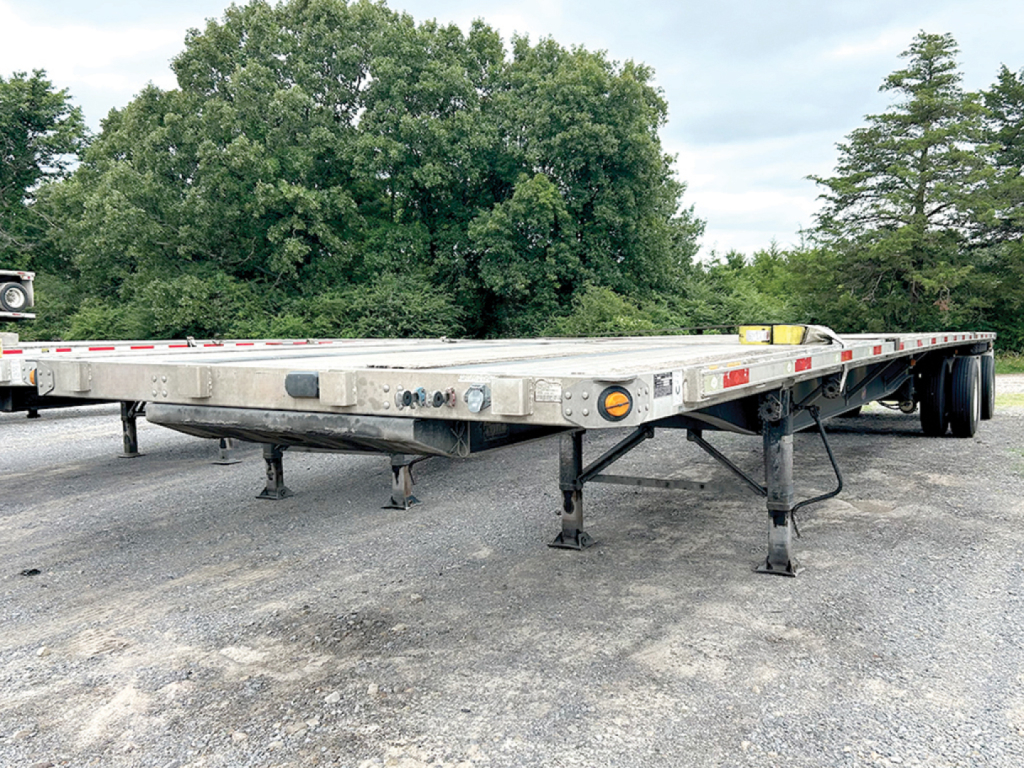
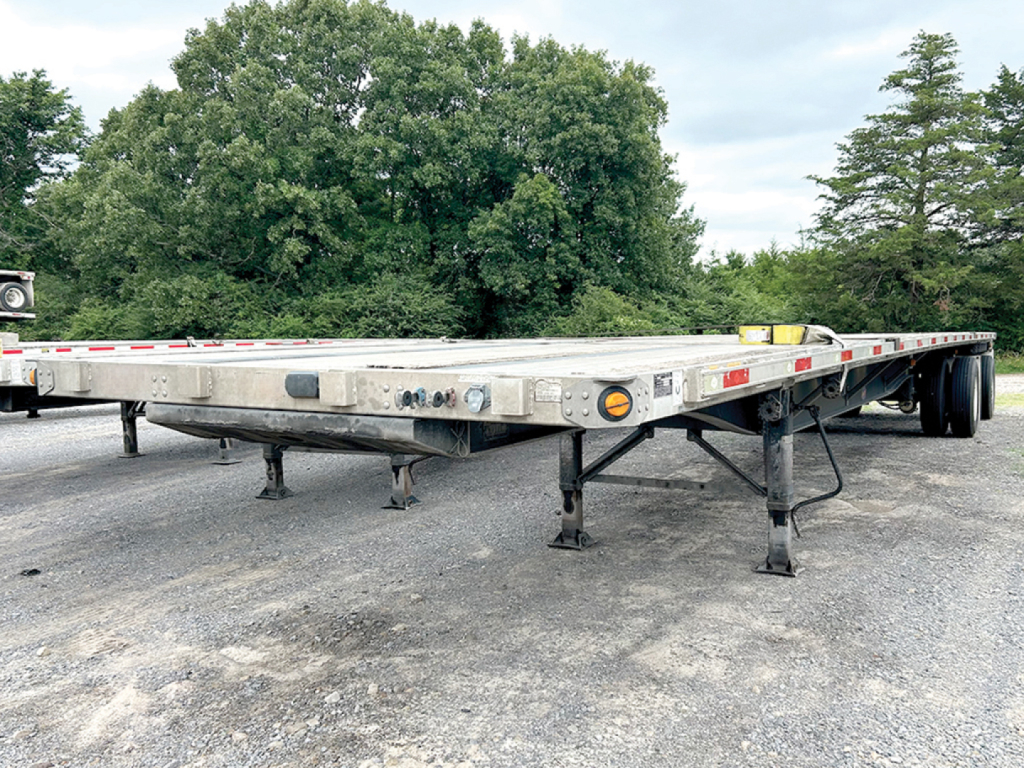
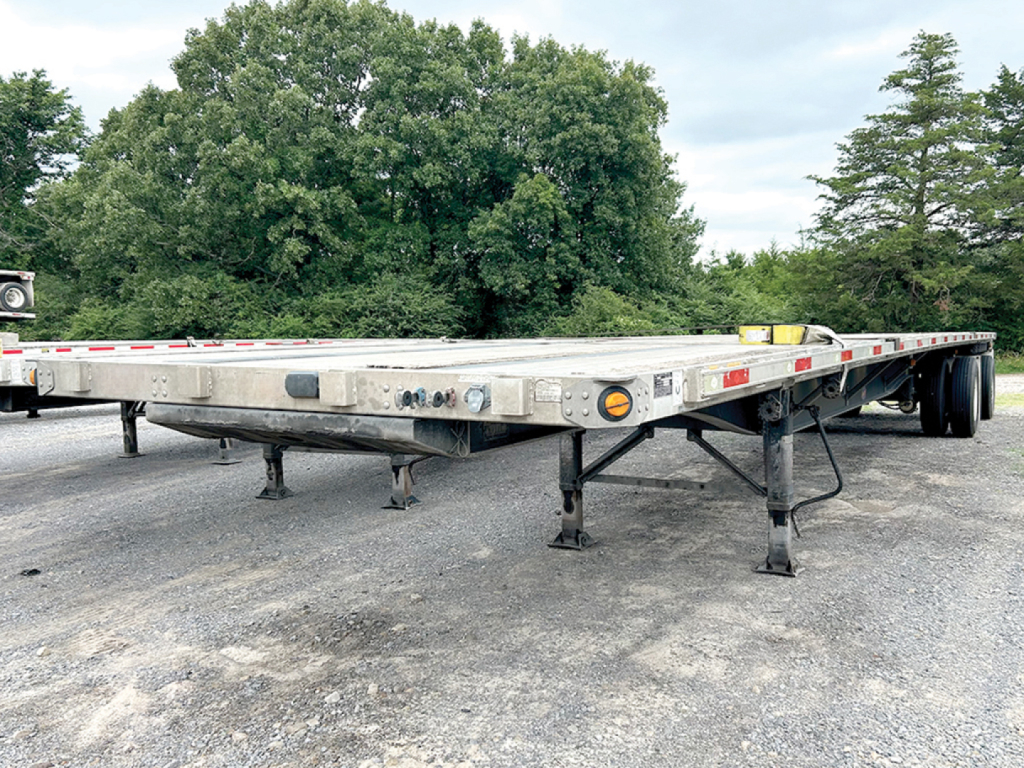
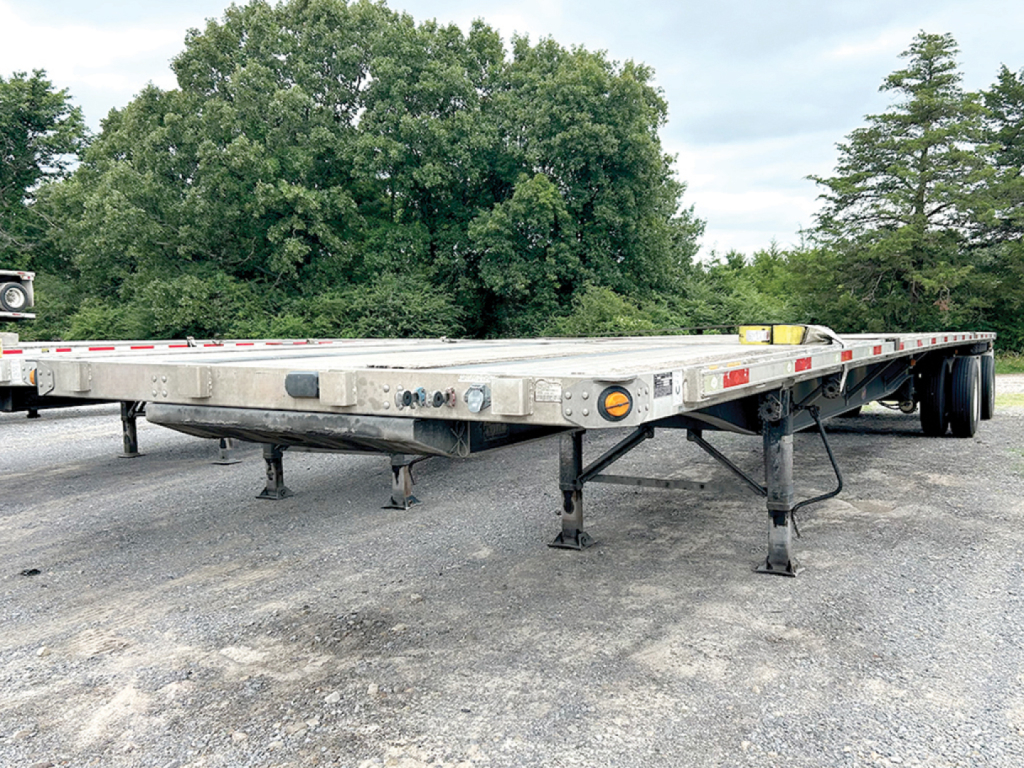
In this category, buyers will usually see 48-foot by 102-inch trailers with aluminum flooring, nail strips, and sliding winch tracks with winches already installed. Those details matter in day-to-day use. An aluminum floor helps reduce empty weight, while nail strips give you practical anchor points for securement and deck protection. A sliding winch track adds flexibility for different load lengths and tie-down patterns. Many 2013 Utility flatbeds also carry a coil package, which is important if steel coils are part of the freight mix. If you haul concentrated loads, check the deck condition carefully around the coil well area, crossmembers, and floor transition points.
Suspension and axle layout deserve close attention, especially in Texas where trailer utilization can be high and road conditions vary from metro lanes to oilfield-adjacent routes. Air ride spread axle setups are common on Utility flatbeds in this age range and are favored for ride quality, load stability, and dock approach flexibility. Tire spec can vary between 22.5 low profile, 24.5 low profile, or 11R22.5 setups, so it is worth matching wheel and tire size to the rest of your fleet for easier maintenance and replacement planning. Disc wheels are typical, but buyers should still inspect wheel condition, suspension wear, brake components, and alignment history because these factors directly affect tire life and operating cost.
A used 2013 Utility flatbed trailer should be evaluated first as a working cargo platform, not just by age or appearance. Look at frame straightness, floor wear, side rail integrity, kingpin area condition, landing gear operation, and the state of the winch track, rub rail, and securement points. Utility has a strong reputation in the flatbed market, so these trailers remain relevant when the structure has been maintained and the spec fits the intended freight. For buyers comparing multiple listings, the most important differences are usually suspension type, coil package presence, deck material condition, tire size, and how well the trailer’s securement setup matches the loads you actually haul.
Frequently Asked Questions
What are the common specs on a 2013 Utility flatbed trailer?
A 2013 Utility flatbed trailer is commonly found in a 48-foot by 102-inch configuration with aluminum and steel composite construction. Many are equipped with an aluminum floor, nail strips, sliding winch tracks with winches, a coil package, and air ride spread axles. Tire and wheel setups can vary, with 22.5 low profile, 24.5 low profile, or 11R22.5 tires appearing regularly depending on the original fleet specification.
Is a composite Utility flatbed a good choice for general freight?
Yes. A Utility aluminum and steel composite flatbed is widely used for general open-deck freight because it balances lower tare weight with the durability needed for repeated loading, securement, and road use. It is a practical trailer type for steel, lumber, machinery, pipe, and palletized building materials, provided the deck, rails, and securement systems are still in solid condition.
Why does a coil package matter on a flatbed trailer?
A coil package matters because it allows the trailer to handle steel coil freight more safely and efficiently. If your operation hauls concentrated loads, the coil package adds value by supporting proper positioning and securement. Even if coils are not your primary freight, a trailer with a coil package can be more versatile, but buyers should inspect the surrounding structure for wear caused by heavy concentrated loading over time.
What should I inspect first on a used 2013 Utility flatbed?
Start with the structural items that affect safety, payload, and service life. Check the frame, crossmembers, kingpin area, suspension, axle alignment, landing gear, and floor condition. Then inspect the rub rail, winch track, stake pockets, nail strips, and any coil package components. Uneven tire wear, damaged flooring, bent rails, or excessive wear around concentrated load areas can be more important than cosmetic appearance when comparing used flatbed trailers.
Are spread axle Utility flatbeds a good fit for Texas operations?
They often are. Spread axle flatbeds are common in Texas because they offer stable load support, good ride quality with air ride suspension, and strong performance in regional and long-haul service. The right fit still depends on your freight lanes, weight distribution needs, and state bridge considerations, so buyers should match the axle configuration to the loads they expect to haul most often.