
2013 Utility Flatbed Trailers For Sale
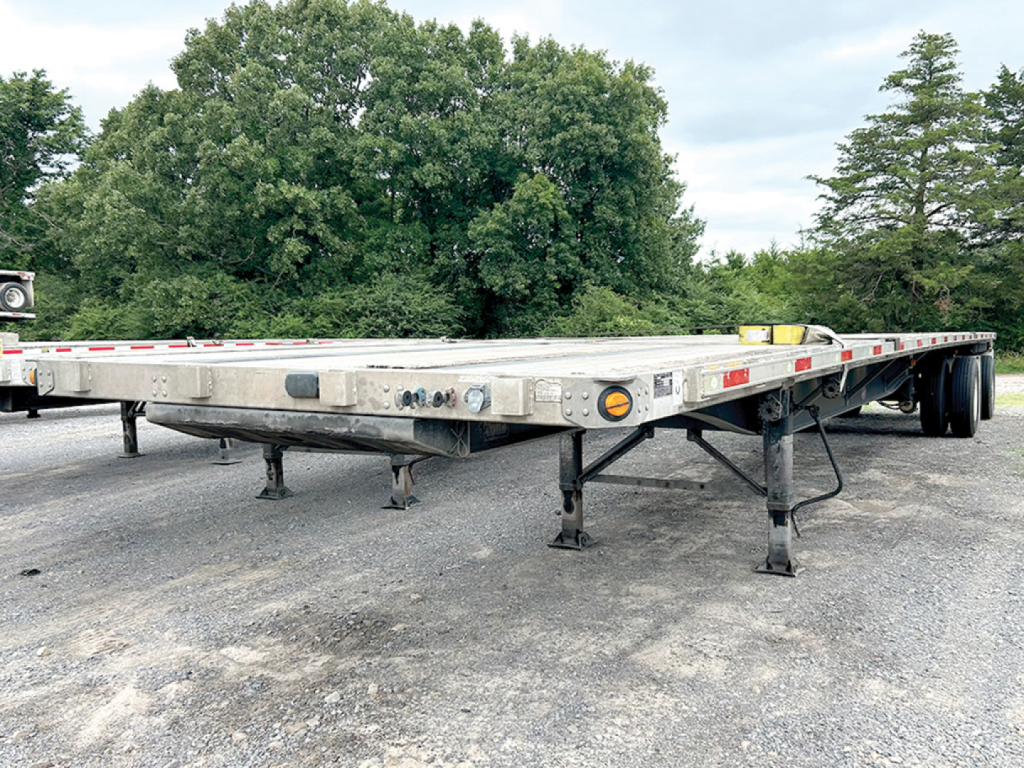
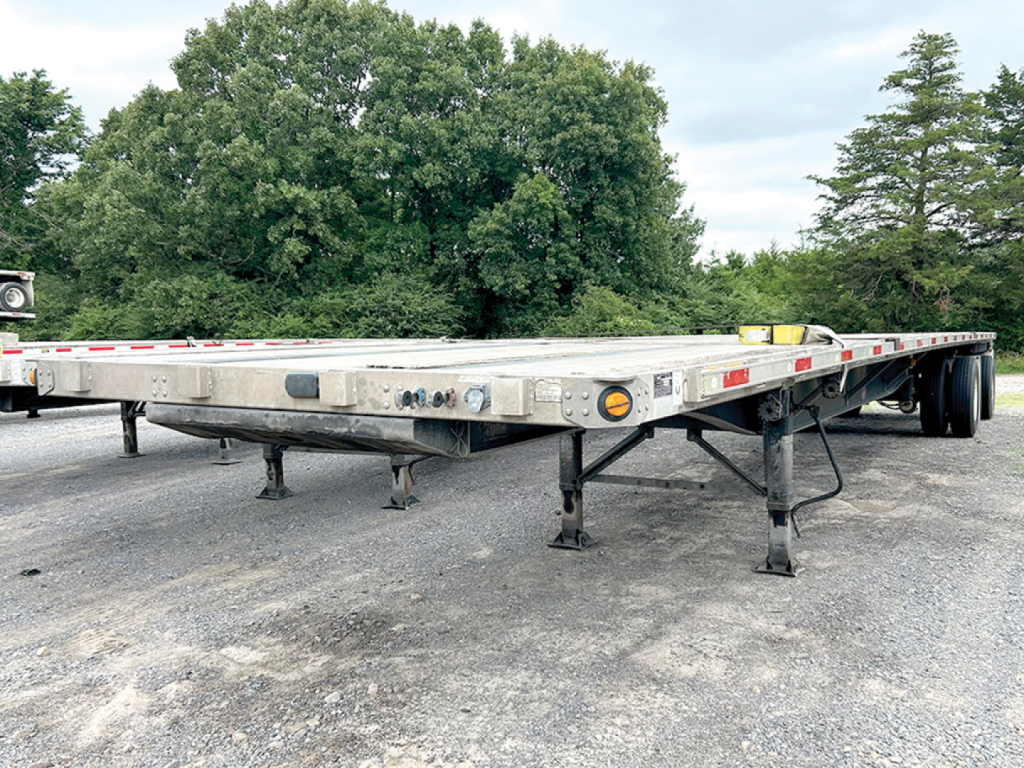
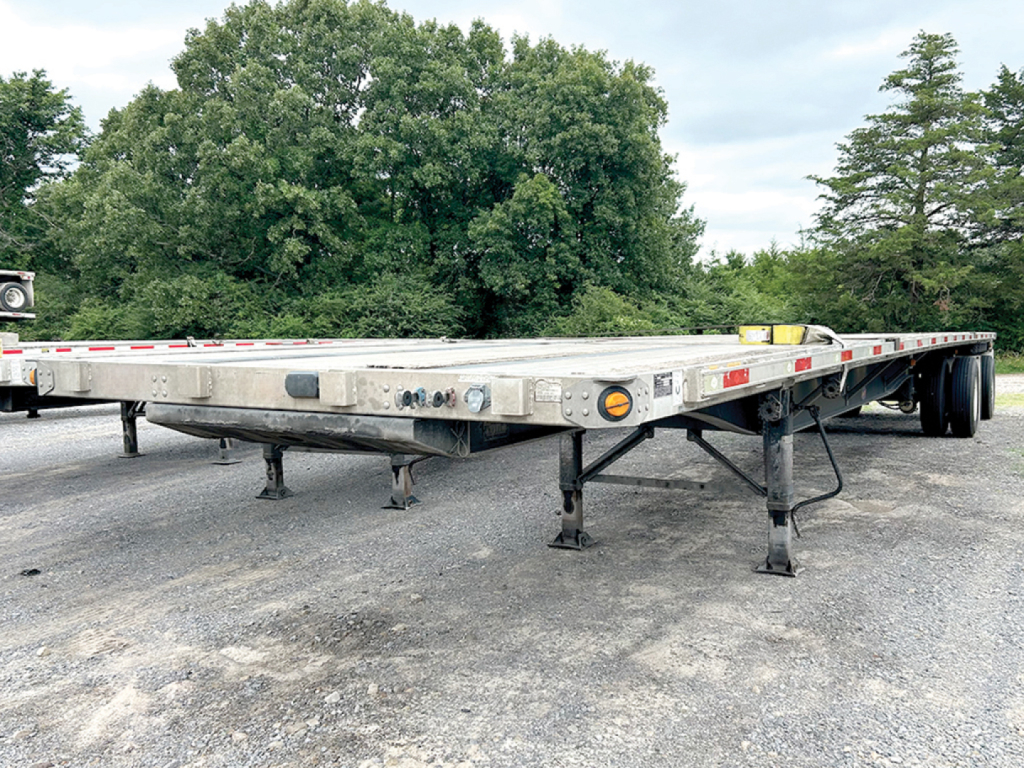
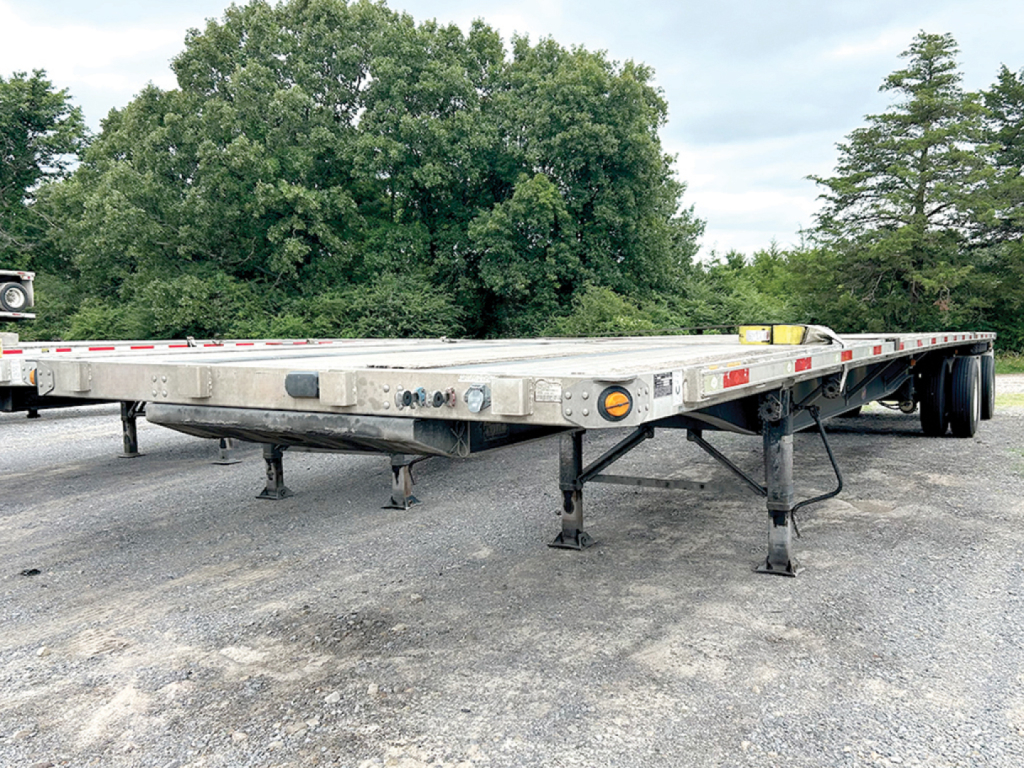
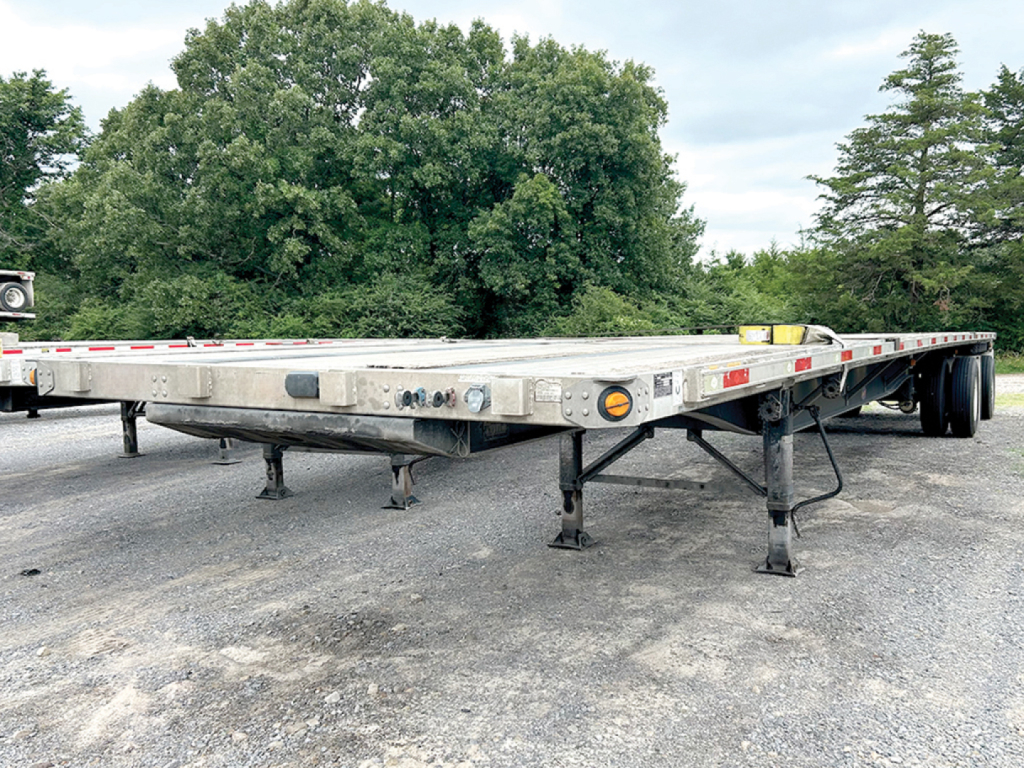
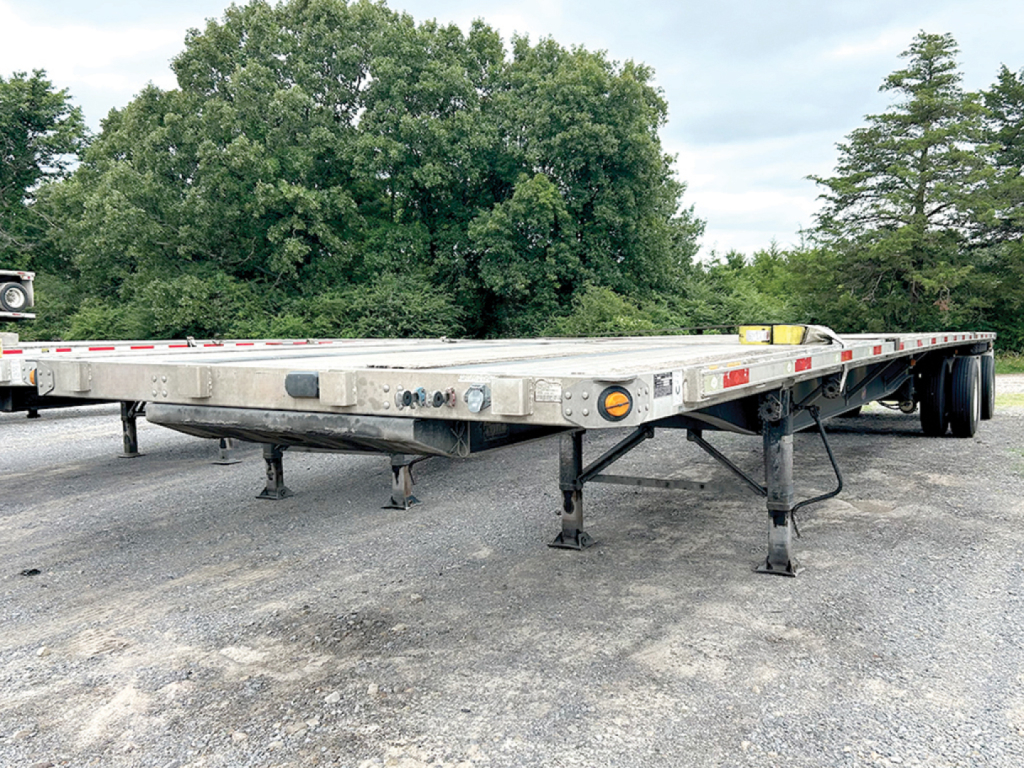
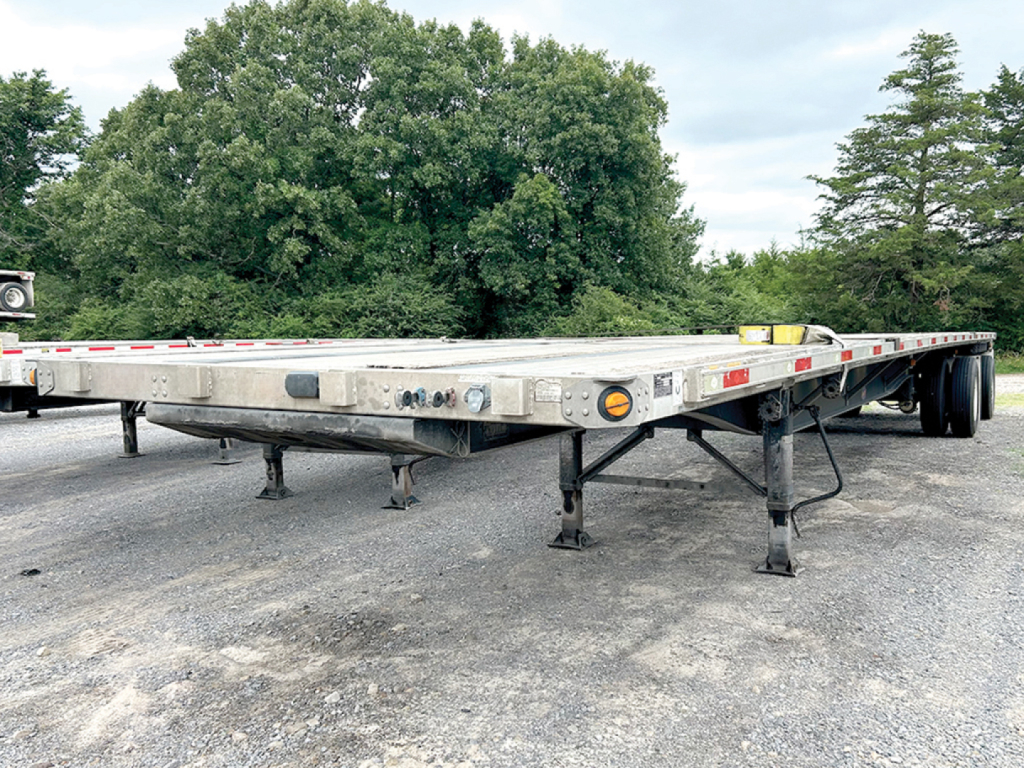
Shop 2013 Utility flatbed trailers with specs buyers want, including trailer length, axle setup, deck type, coil package, and securement options.
Learn more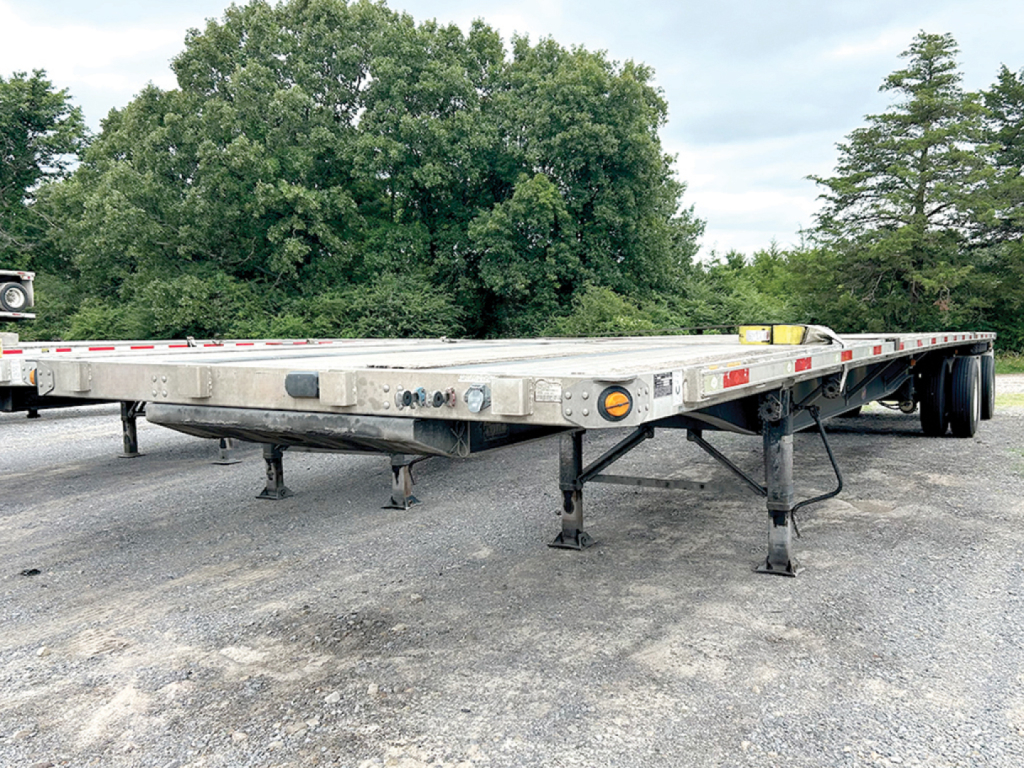
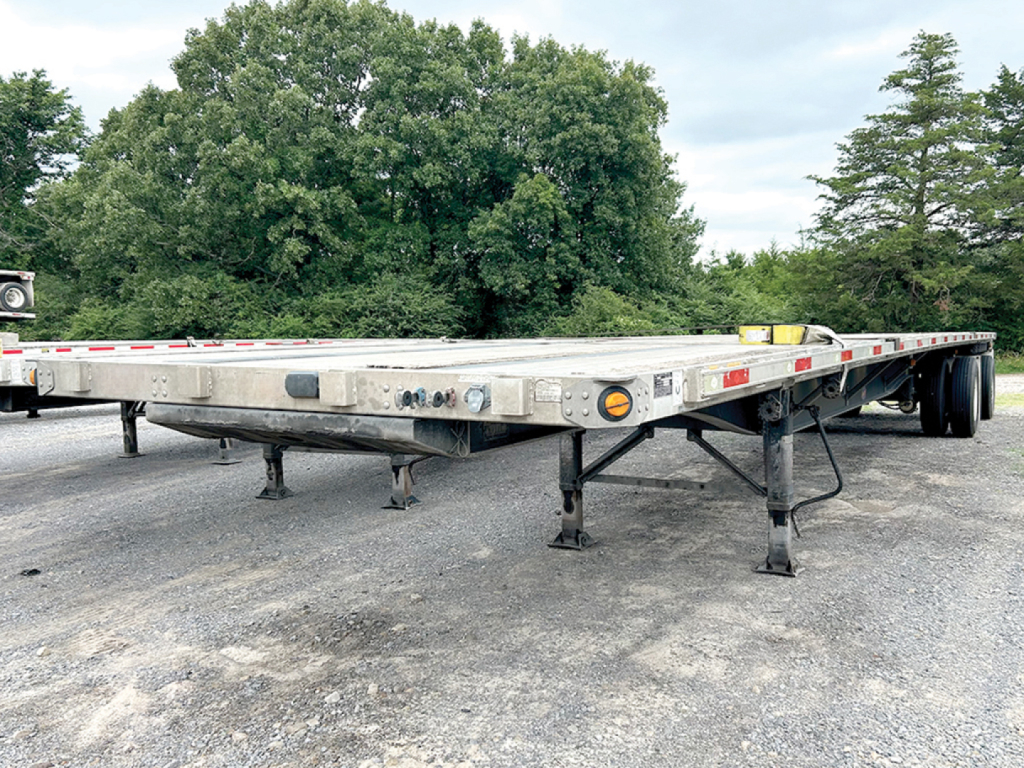
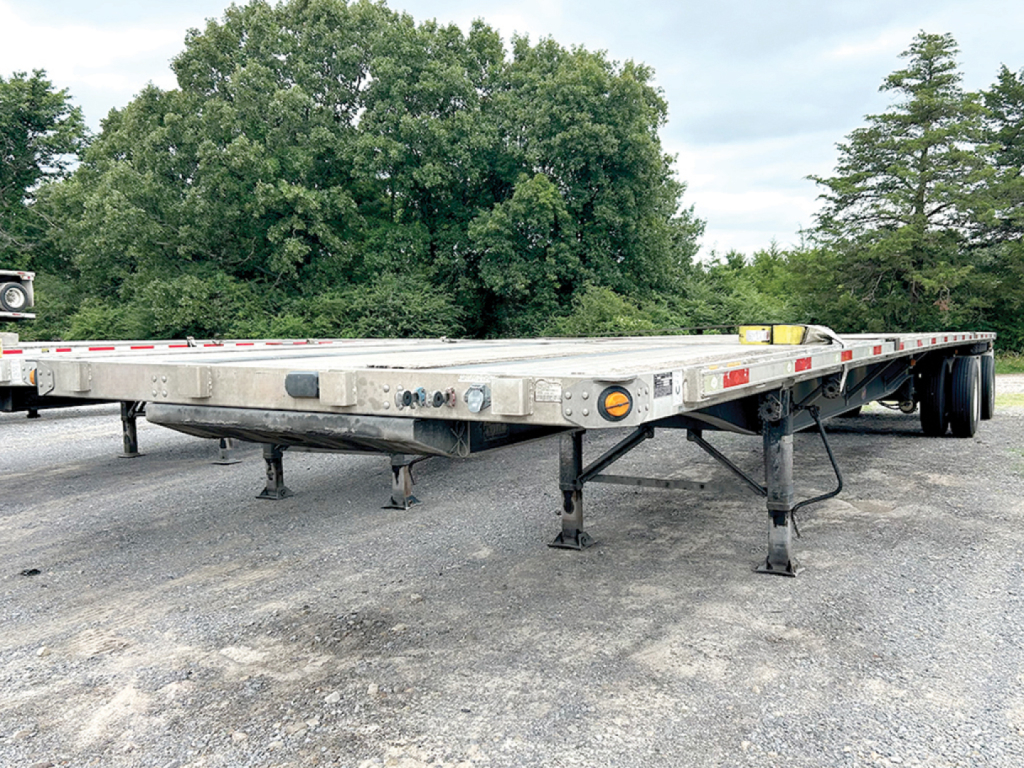
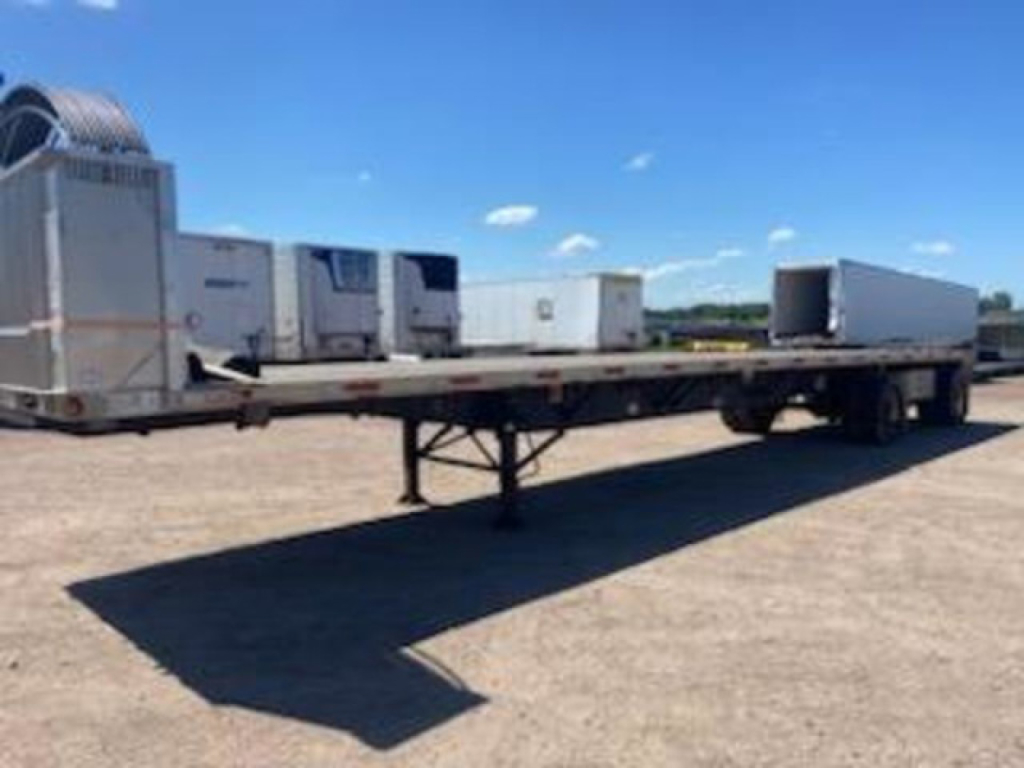
Have 2013 utility flatbed trailer to sell? List it here to reach thousands of buyers.
About 2013 Utility Flatbed Trailers
Construction matters because it drives empty weight, durability, and repair cost. Utility flatbeds are commonly found in all-steel or combo designs with steel main beams and aluminum crossmembers, rails, and floor. A combo flatbed typically helps with payload by keeping trailer weight down, while a steel flatbed can appeal to fleets that prioritize ruggedness and simpler structural repairs. Deck material is another major checkpoint. Aluminum floors, apitong wood, and mixed-deck repairs all show up in this age range. Buyers should look closely for crossmember damage, rail wear, deck soft spots, cracked welds, bent stake pockets, and any signs the coil area has seen repeated heavy concentrated loading.
Securement equipment often separates a basic flatbed from one that is ready to work. Common features on Utility flatbeds include stake pockets, double pipe spools, sliding winches, winch tracks on one or both sides, coil package ratings, nail strips, and toolboxes. If the trailer will handle steel coils, pipe, or machinery, confirm the coil package capacity and inspect the floor structure in the coil well area. For lumber, shingles, and mixed construction freight, buyers usually pay close attention to the number and condition of winches, spool placement, rub rail integrity, and how easily the trailer can be tarped and strapped. Tire size, wheel material, brake condition, and ICC bumper condition also deserve a close look on any 2013 trailer.
For operations running California or bridge-sensitive routes, axle placement and legal load distribution can matter as much as payload rating. Spread axle and rear slide axle configurations can improve compliance options, while a closed tandem may be simpler for certain freight lanes and dock situations. A 2013 Utility flatbed trailer can still be a productive freight platform if it has been maintained well and the spec matches the work. Buyers should focus less on age alone and more on structural condition, maintenance history, brake and suspension wear, deck life, and whether the trailer already has the securement hardware needed for its intended freight.
Frequently Asked Questions
What should I inspect first on a 2013 Utility flatbed trailer?
Start with the structure. Inspect the main beams, crossmembers, outriggers, rails, and neck area for cracks, rust, impact damage, and previous repairs. Then check deck condition, especially around high-stress load zones such as coil package areas and forklift traffic points. After that, move to suspension, axle alignment, brakes, tires, wheels, lighting, and slider operation if equipped. On a used flatbed, structural condition and maintenance history usually matter more than the model year by itself.
Are Utility combo flatbeds better than all-steel flatbeds?
They serve different priorities. A combo flatbed with steel main beams and aluminum components usually offers lower tare weight, which can improve payload and fuel efficiency over time. An all-steel flatbed may be preferred in severe-duty applications where fleets want a heavier-duty feel and potentially simpler welding repairs. The better choice depends on the freight mix, expected abuse level, shop capabilities, and how much value your operation places on lower empty weight.
What is a coil package on a flatbed trailer?
A coil package is a reinforced section of the trailer designed to handle concentrated steel coil loads. It typically includes structural reinforcement and a stated capacity rating, often important for steel-hauling applications. On a 2013 flatbed, buyers should confirm not just that a coil package is present, but also its rated capacity, the condition of the surrounding floor and supports, and whether the trailer has been used heavily in steel service. Repeated concentrated loading can accelerate wear if the trailer has not been maintained properly.
Which axle setup is best for a flatbed trailer?
That depends on where and how the trailer will run. A sliding tandem is common for operational flexibility and load distribution adjustments. A spread axle setup can provide stability and help with some legal weight distributions, but it can increase tire scrub in tight turns. Closed tandems can be simpler and work well in many standard freight applications. Buyers should match axle configuration to state bridge laws, customer locations, turning environment, and the type of loads they plan to carry.
How important are winches, stake pockets, and pipe spools on a used flatbed?
They are essential because securement hardware directly affects how many freight types the trailer can handle. Sliding winches and winch tracks make strap placement faster and more flexible. Stake pockets and pipe spools expand tie-down options for irregular or heavy cargo. On a used 2013 Utility flatbed, check for bent or damaged pockets, seized or missing winches, worn rub rails, and any signs that securement points have been overloaded. A flatbed with complete, usable securement hardware is usually easier to put to work immediately.