
Trailers For Sale in Utah
Compare trailers for sale in Utah by axle layout, payload, brake condition, and corrosion resistance for mountain routes and interstate freight work.
Selling a trailer? List your trailer for sale and reach thousands of commercial buyers.
Trailers in Utah
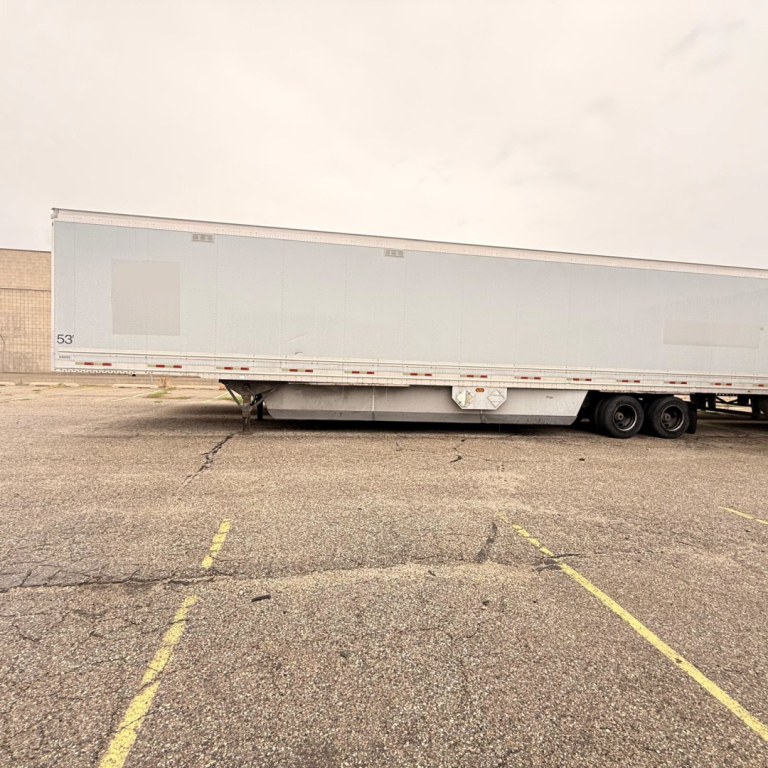
Utah's winter deicing and exposure around the Great Salt Lake make corrosion inspection more important than a clean exterior suggests. On used trailers, inspect crossmembers, landing gear mounts, suspension hangers, brake chambers, air lines, and electrical connectors. Check kingpin wear, slider operation, wheel ends, tire age, and brake adjustment before planning mountain runs. Review maintenance records and any available ABS fault history. Older vans also need floor and roof inspections; dump and equipment trailers need scrutiny for cracks, overloaded axles, and undocumented weld repairs.
New trailers offer a chance to specify floor capacity, tiedowns, insulation, lift axles, or corrosion protection for the work. Confirm warranty coverage for the structure, running gear, and refrigeration equipment separately. Budget for the 12% federal excise tax on qualifying new heavy trailers. Utah combination weight and length permissions are route-specific, so verify legal dimensions, axle loading, and permit requirements for the complete rig, including access roads beyond the Interstate.
Frequently Asked Questions about Trailers in Utah
Can I haul more than 80,000 pounds with a trailer in Utah?
Utah allows some combinations above 80,000 pounds under applicable weight provisions and permits, but trailer capacity alone does not authorize the load. The standard federal Interstate gross limit is 80,000 pounds, subject to exceptions. Higher-weight operations require checking the complete combination, axle spacing, bridge limits, route eligibility, and permit conditions. A trailer's GVWR is an equipment rating, not permission to operate at that weight on every road.
What should I check on a used reefer trailer for Utah routes?
Refrigeration engine hours and demonstrated temperature recovery matter more than trailer model year alone. Test a used reefer trailer against the temperatures your freight requires, and inspect door seals, insulation damage, evaporator airflow, and service records. Distinguish engine hours from electric standby hours where equipped. For runs into California, verify the refrigeration unit's separate emissions compliance rather than assuming the trailer's registration or model year establishes eligibility.
How do I know whether a dry van floor can handle my forklift?
The manufacturer's floor rating must cover the loaded forklift's axle load, not just the weight of the pallets. Dry van floor suitability also depends on tire contact area, crossmember spacing, floor condition, and repeated loading cycles. Obtain the floor specification and compare it with the actual forklift and cargo combination. For dock loading with the tractor disconnected, confirm that landing gear and any required trailer supports are suitable.
Can a converter dolly turn any two trailers into legal doubles in Utah?
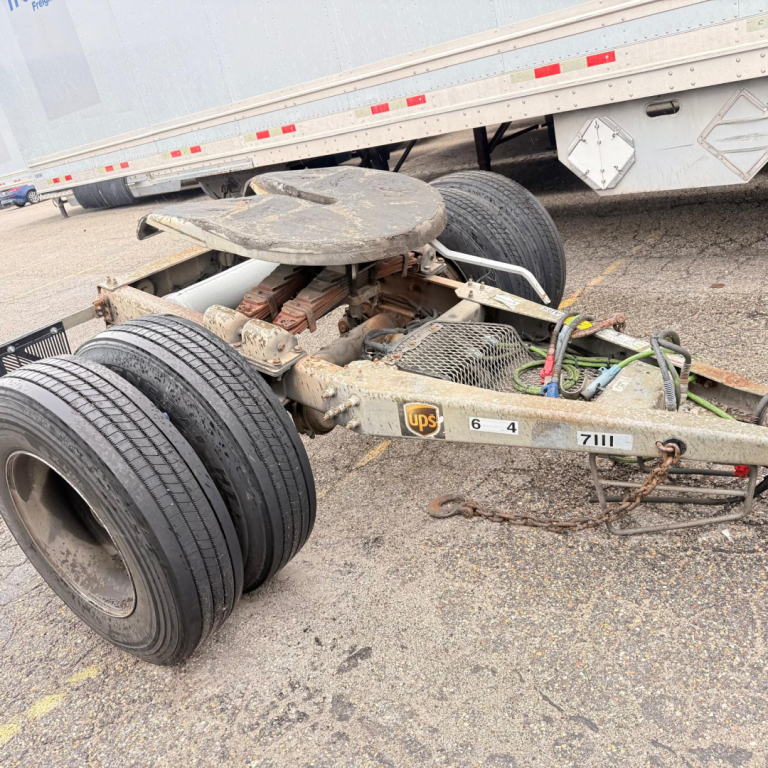
No, a converter dolly cannot make an incompatible trailer pair into a legal doubles combination. The lead trailer needs an approved rear coupling installation and suitable structure, while the dolly and rear trailer need compatible ratings, brakes, and connections. Verify combination length and route authorization separately. Drivers operating CDL-required doubles need the appropriate endorsement, and a repurposed dolly also warrants careful verification of its identity, ownership documents, and modifications.