
Used Trailers For Sale in Virginia
Browse used trailers in Virginia, including dry vans, reefers, flatbeds, dumps, lowboys, and tanker options for varied hauling needs.
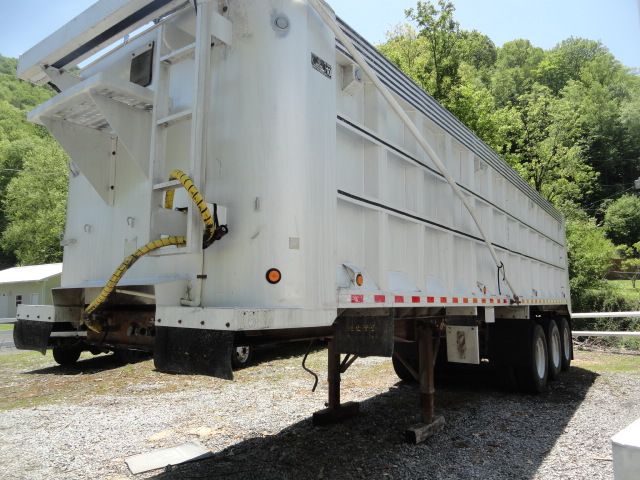
Selling a used trailer? List your used trailer for sale and reach thousands of commercial buyers.
Used Trailers in Virginia
Virginia buyers often look at how a trailer will perform across mixed route profiles that include interstate linehaul, port traffic, rural deliveries, and construction access roads. That makes suspension, frame condition, and corrosion exposure especially important. Spring ride trailers may be simpler and lower cost, while air ride is often preferred for ride quality and cargo protection. On van and reefer trailers, check roof integrity, crossmember condition, door frame wear, and signs of water intrusion. On flatbeds and drops, pay close attention to deck condition, winch tracks, rub rails, landing gear, and any evidence of frame repairs. For dump and equipment trailers, hoist operation, hinge wear, tub or deck damage, and brake performance deserve close inspection.
Spec details matter more on used trailers because maintenance history and prior application can change the value of an otherwise similar unit. Common features worth evaluating include aluminum versus steel wheels, drum versus disc brakes, slider suspensions, lift axles, tire inflation systems, and telematics-ready ABS setups. Reefer buyers should verify engine hours, unit service records, operating modes, and insulation condition. Tank trailer shoppers need to match the barrel material, baffling, compartment layout, and unloading system to the product being hauled. Flatbed and heavy haul buyers should also confirm deck height, concentrated load rating, kingpin setting, and securement options such as chain ties, sliding winches, and stake pockets.
A strong used trailer choice is one that matches commodity, route, and maintenance budget without forcing compromises on legal payload or uptime. In Virginia, that can mean one spec for long interstate runs and another for local agriculture, municipal, aggregate, or port-related work. Buyers should compare age against actual condition, look closely at documented repairs, and inspect wear points that affect annual operating cost. The right used trailer should not only fit the load today but also stay serviceable under the freight patterns, road conditions, and inspection standards it will face over the next several years.
Frequently Asked Questions about Used Trailers in Virginia
What types of used trailers are most commonly bought in Virginia?
The most common used trailers in Virginia include dry van trailers, refrigerated trailers, flatbeds, step decks, dump trailers, equipment trailers, lowboys, and tank trailers. The right category depends on the freight, loading method, axle requirements, and route profile. Dry vans and reefers are common for distribution and food service, while flatbeds and lowboys are more common in construction, machinery, and industrial hauling.
What should I inspect first on a used trailer?
Start with the structural and safety items that drive repair cost and compliance. That includes the frame, crossmembers, suspension, axles, brakes, tires, wheels, lights, landing gear, and coupling components. After that, inspect the application-specific areas such as floors and roofs on vans, deck and securement hardware on flatbeds, and hoists or tubs on dump trailers. Signs of poor repairs, uneven tire wear, water intrusion, or corrosion usually tell more about the trailer than paint or appearance.
Is air ride or spring ride better on a used trailer?
Air ride is generally preferred when cargo protection, ride quality, and dock-friendly handling matter most. It is common on van, reefer, and many premium flatbed applications. Spring ride can be simpler and less expensive to maintain, which appeals to some buyers in tougher vocational use. The better choice depends on the commodity, operating terrain, and maintenance expectations rather than age alone.
How important is trailer length and axle setup when buying used?
Trailer length and axle configuration directly affect payload distribution, maneuverability, and legal operation. A 53-foot van or reefer may be ideal for freight volume, while shorter lengths can work better in urban or specialized applications. Tandem, spread axle, tri-axle, and slider arrangements each have tradeoffs in bridge compliance, turning radius, tire wear, and loading flexibility. Buyers should match the axle setup to the freight and the jurisdictions where the trailer will run.
Do maintenance records matter on a used trailer?
Yes. Maintenance records help verify how the trailer was used and whether critical systems were serviced on schedule. Brake work, suspension repairs, reefer unit service, tire replacement history, and structural repairs all affect operating cost after purchase. A used trailer with clear records and consistent upkeep is often the better value, even if the initial price is higher.