
Used Trailers For Sale in Nevada
Browse used trailers for sale in Nevada, including dry vans and reefers with common specs like 53-foot lengths, air ride, and sliding tandems.
No exact matches found for your search
Showing Used Trailers instead.
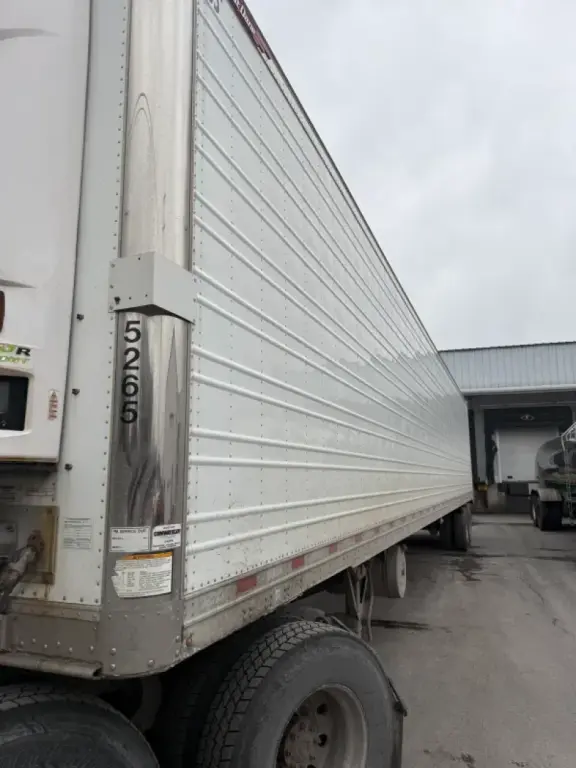
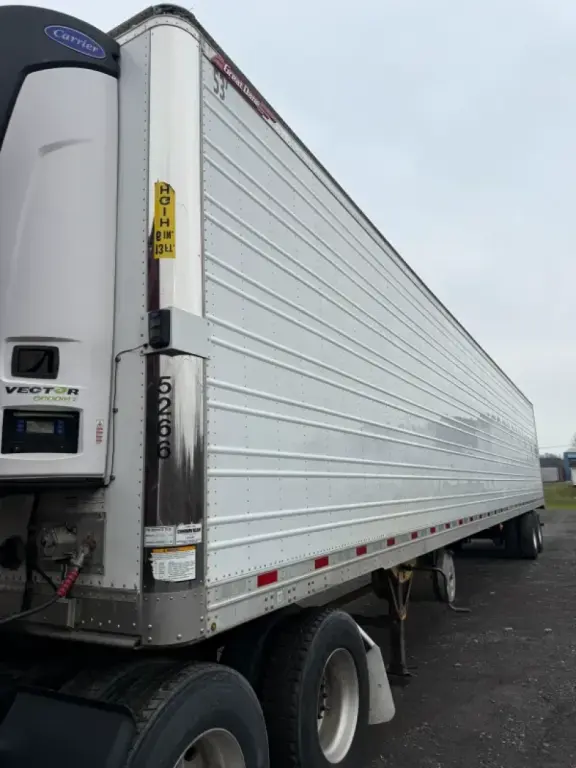
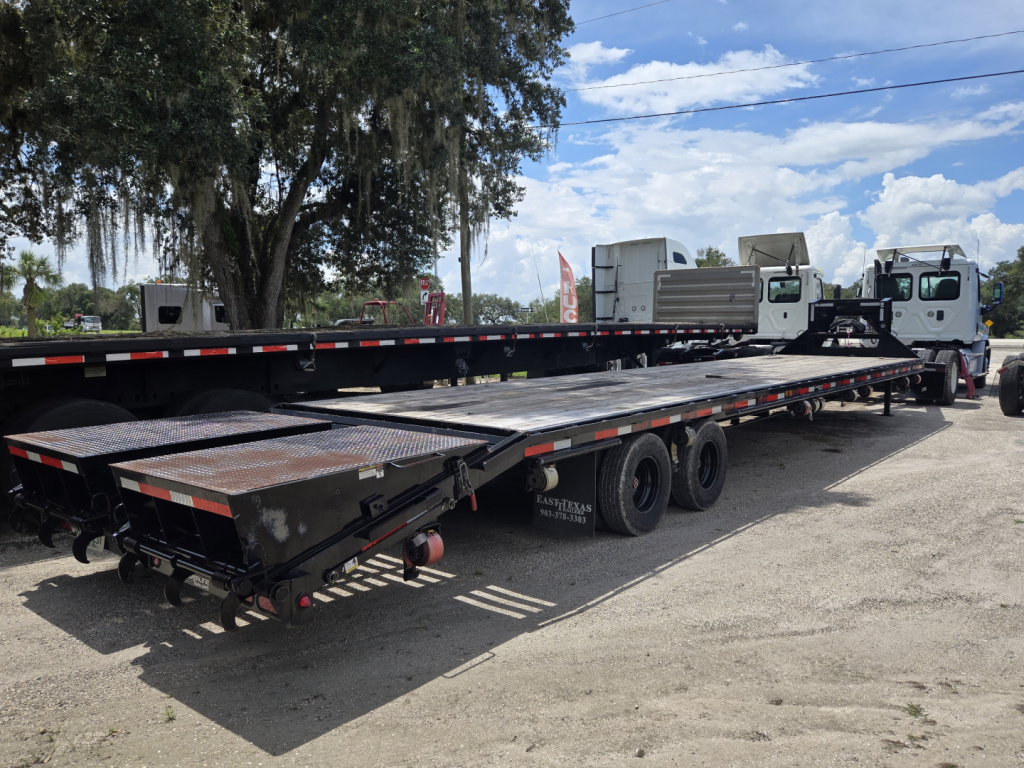
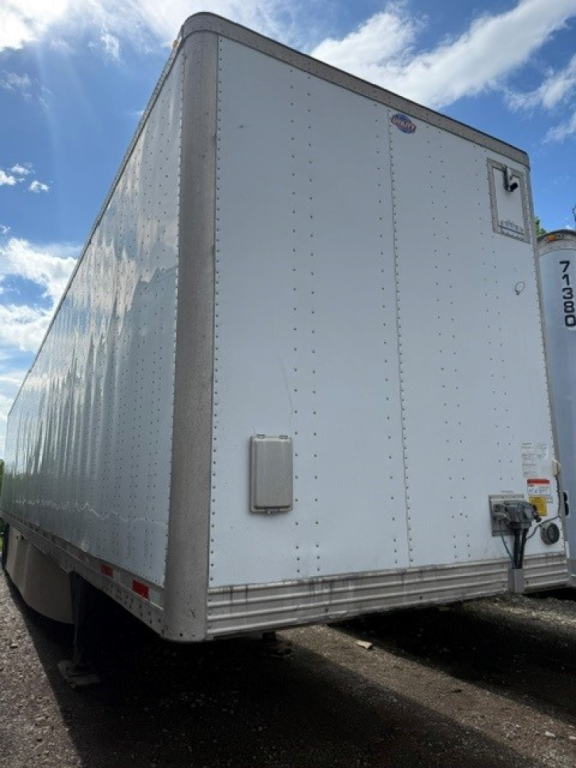
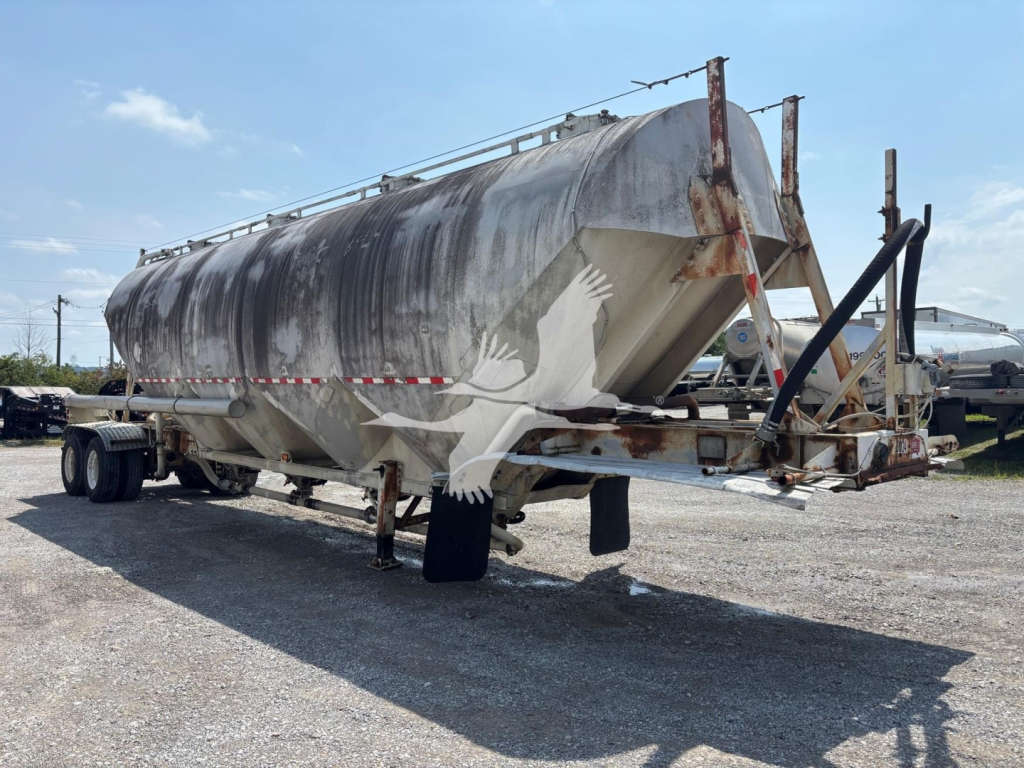
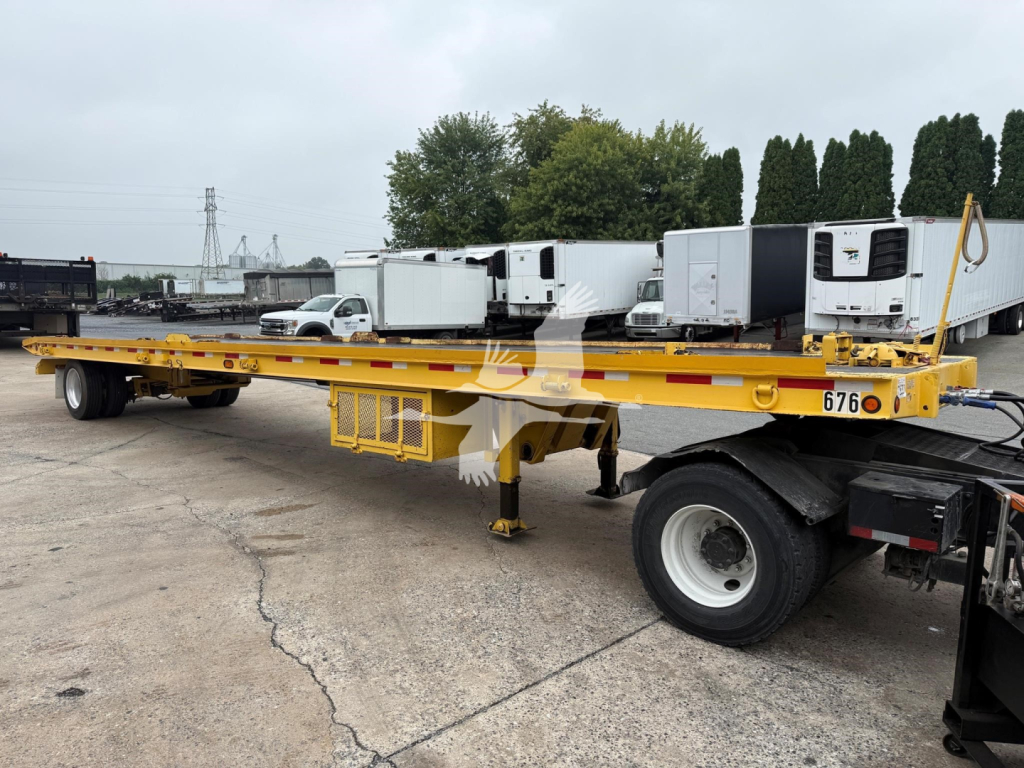
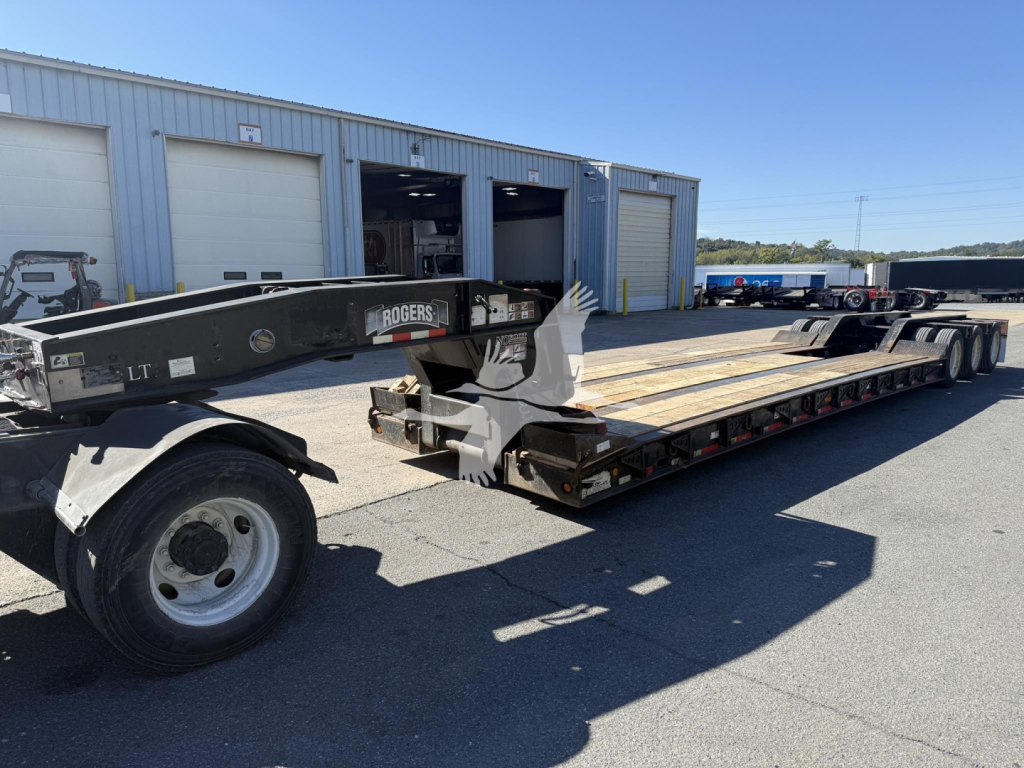
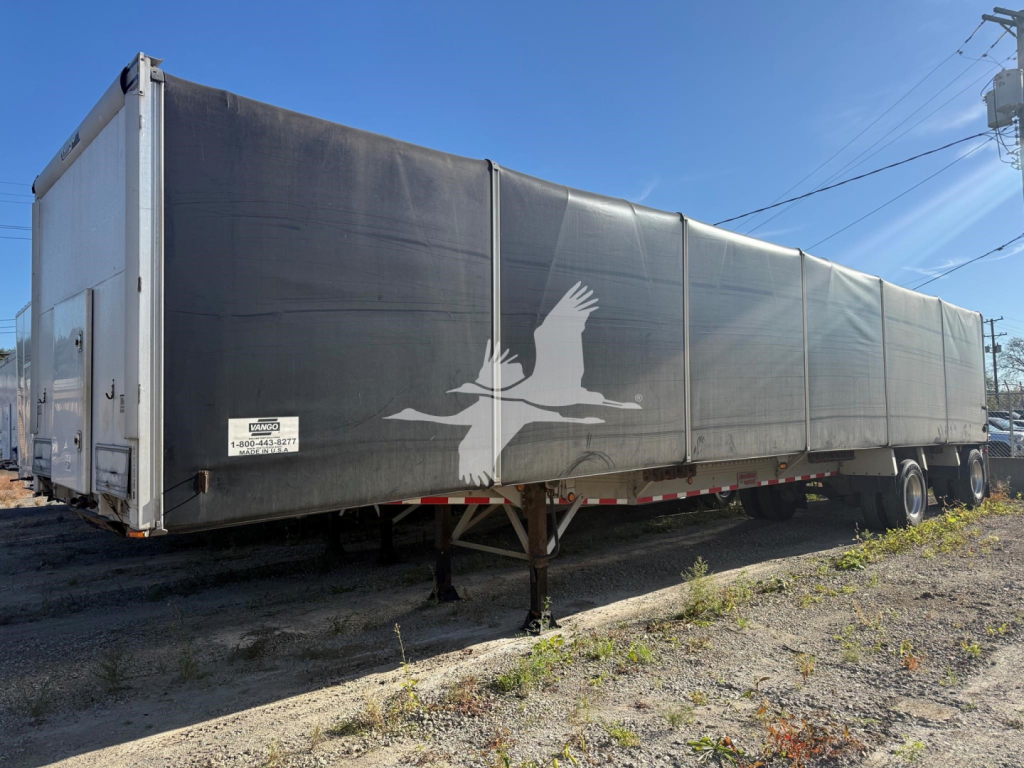
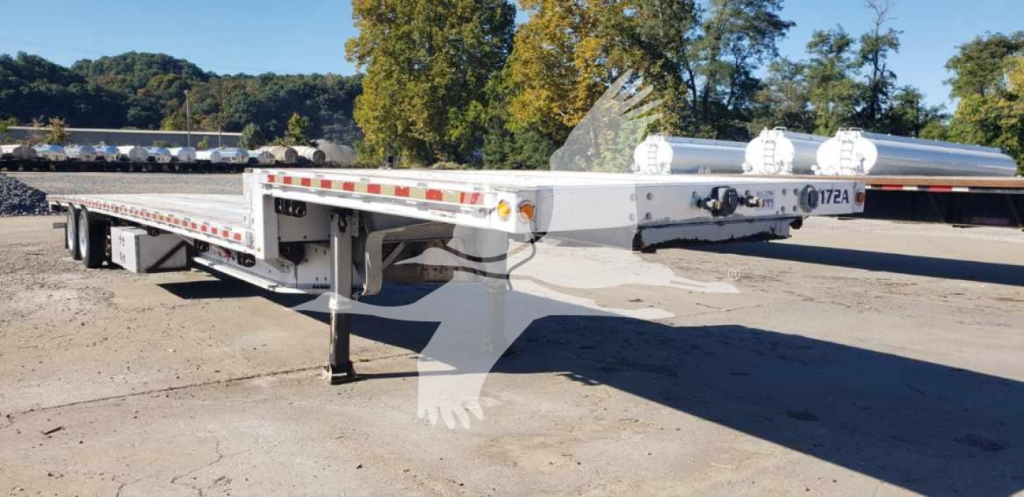
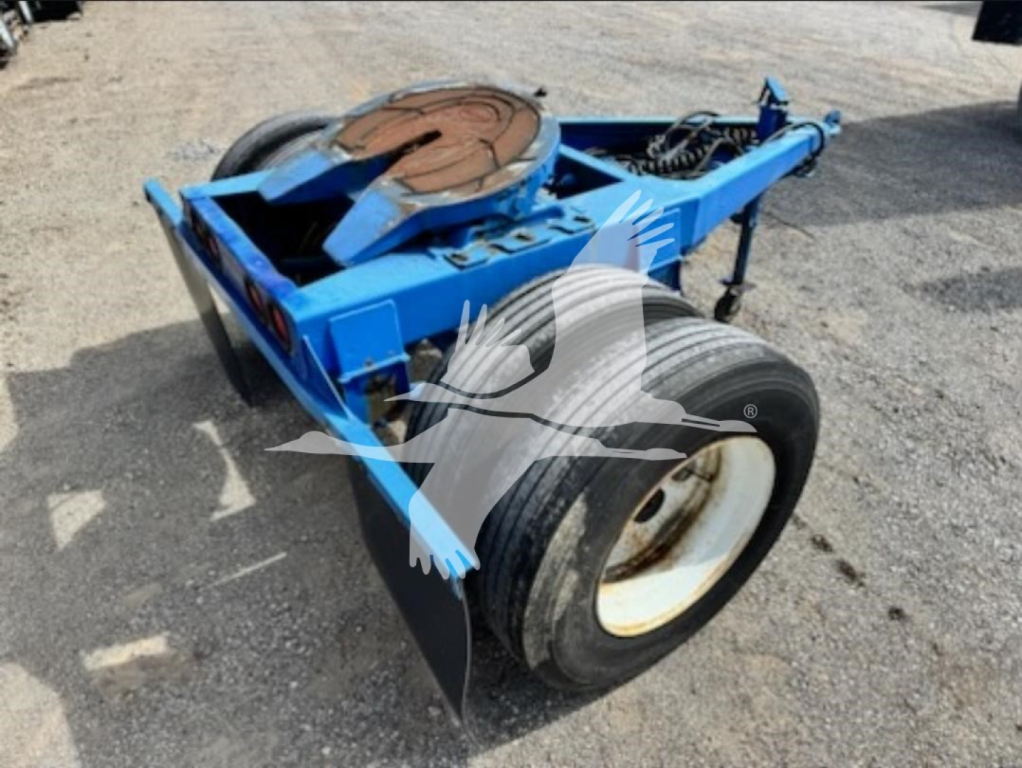
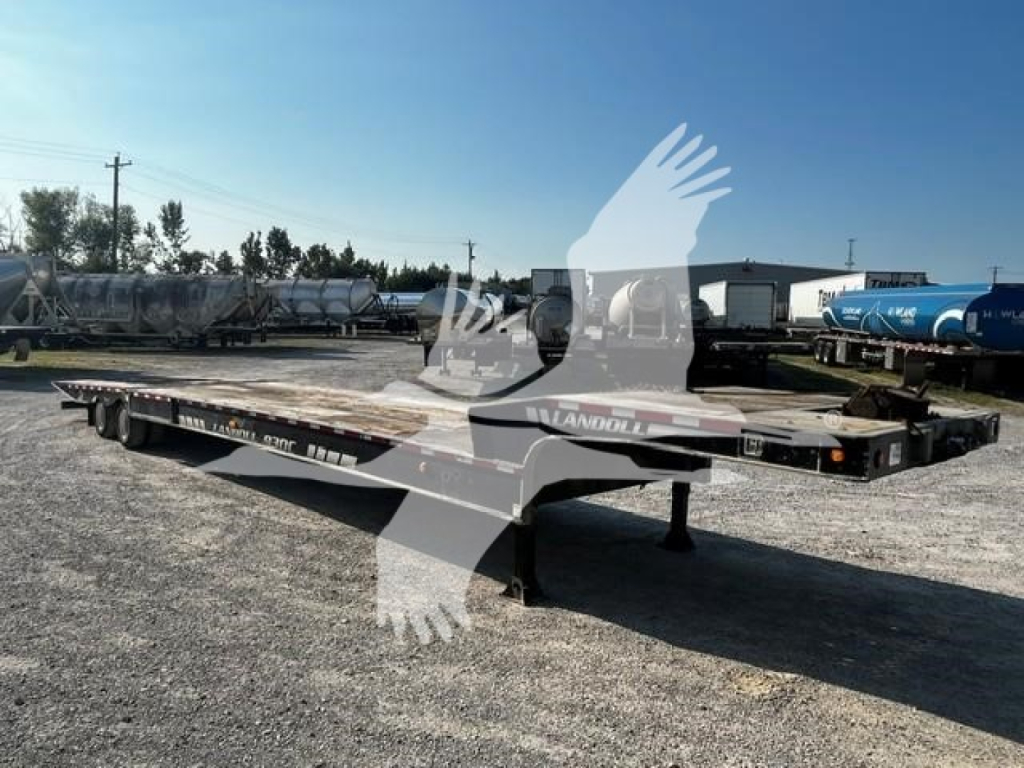
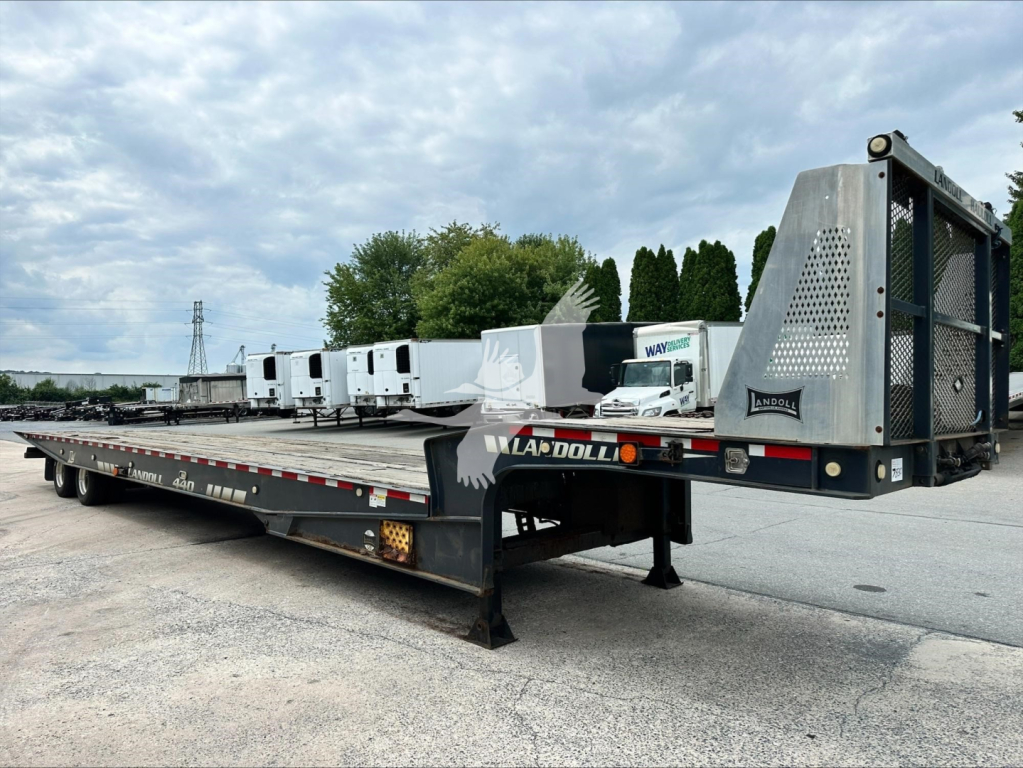
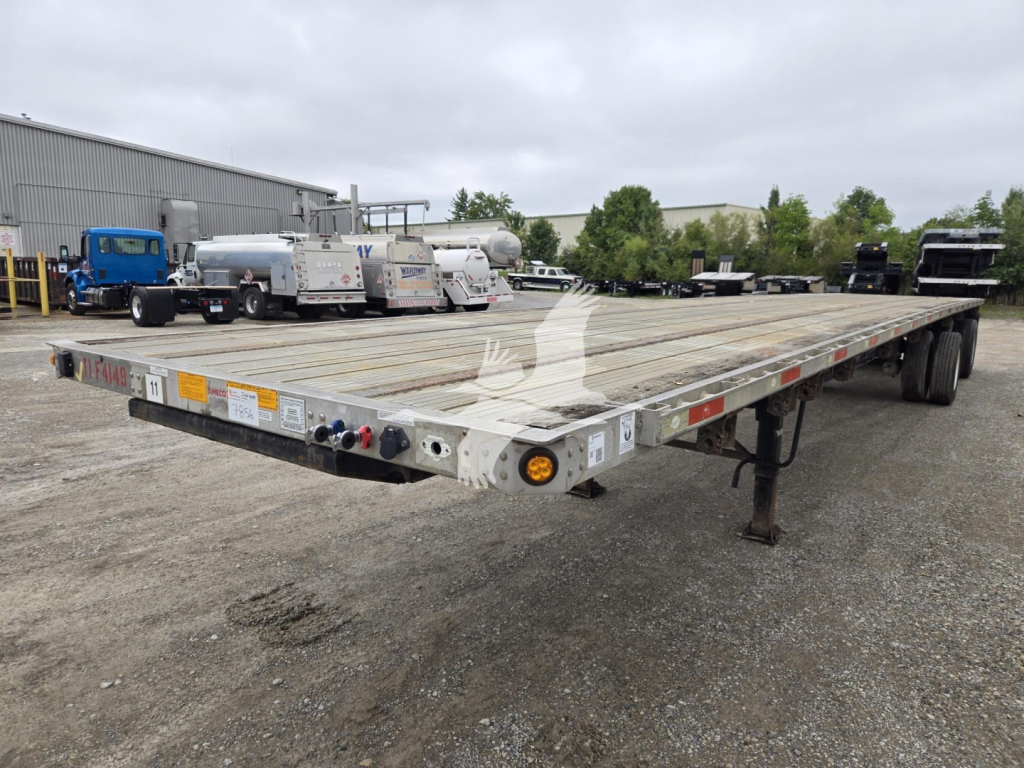
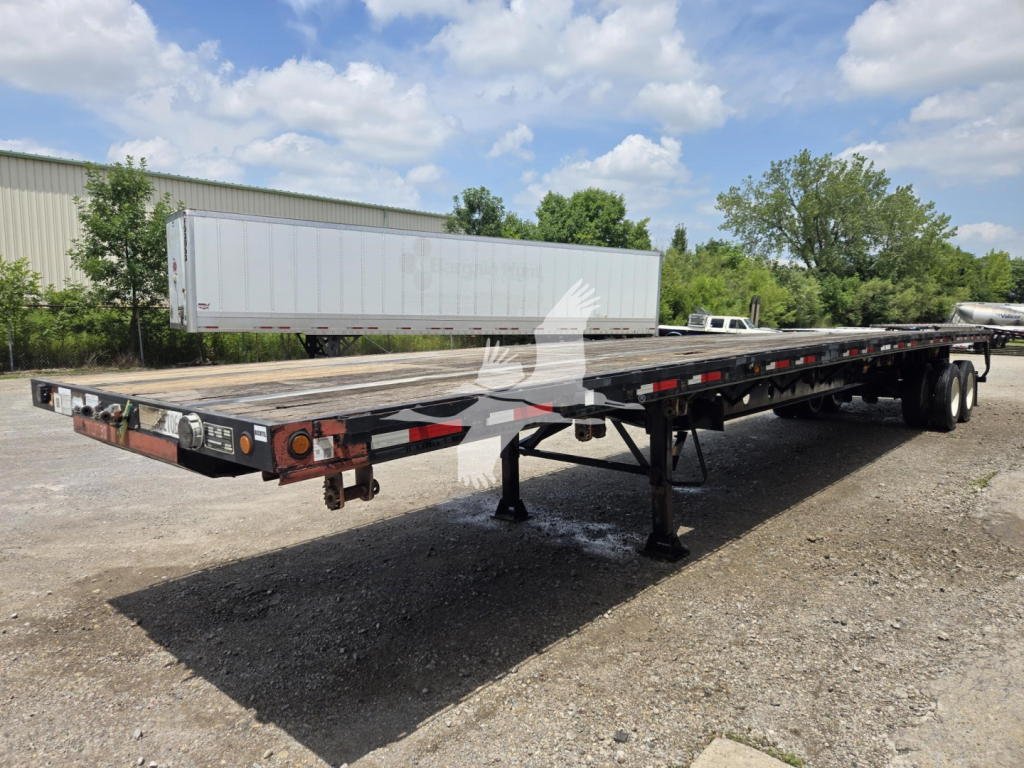
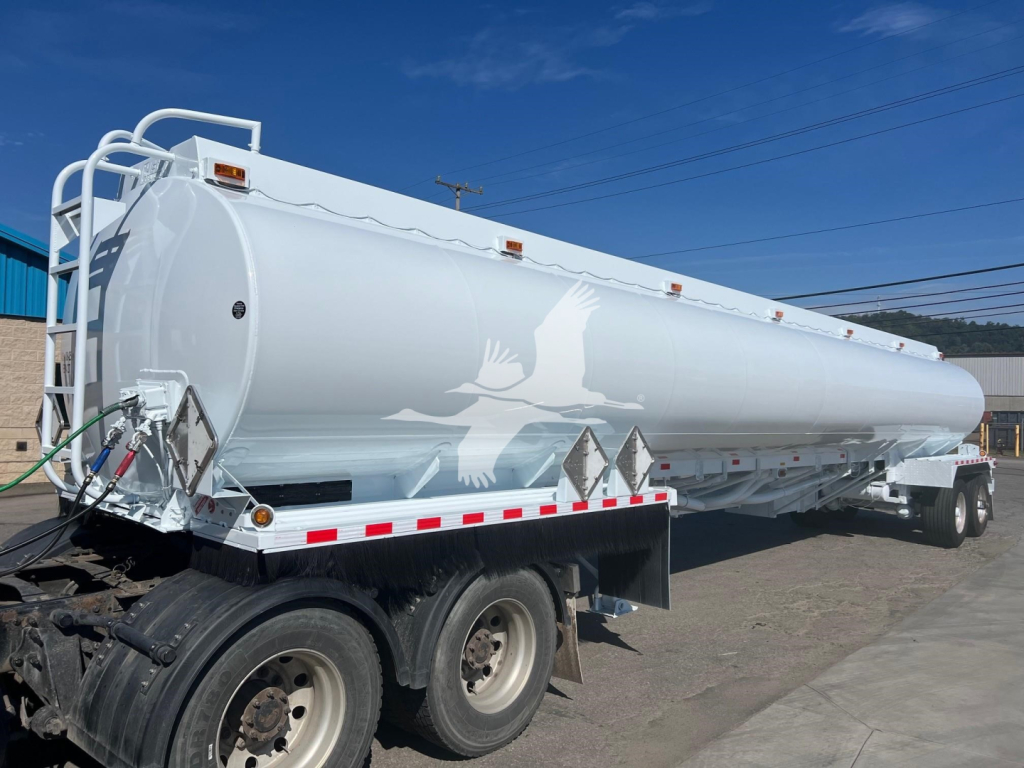
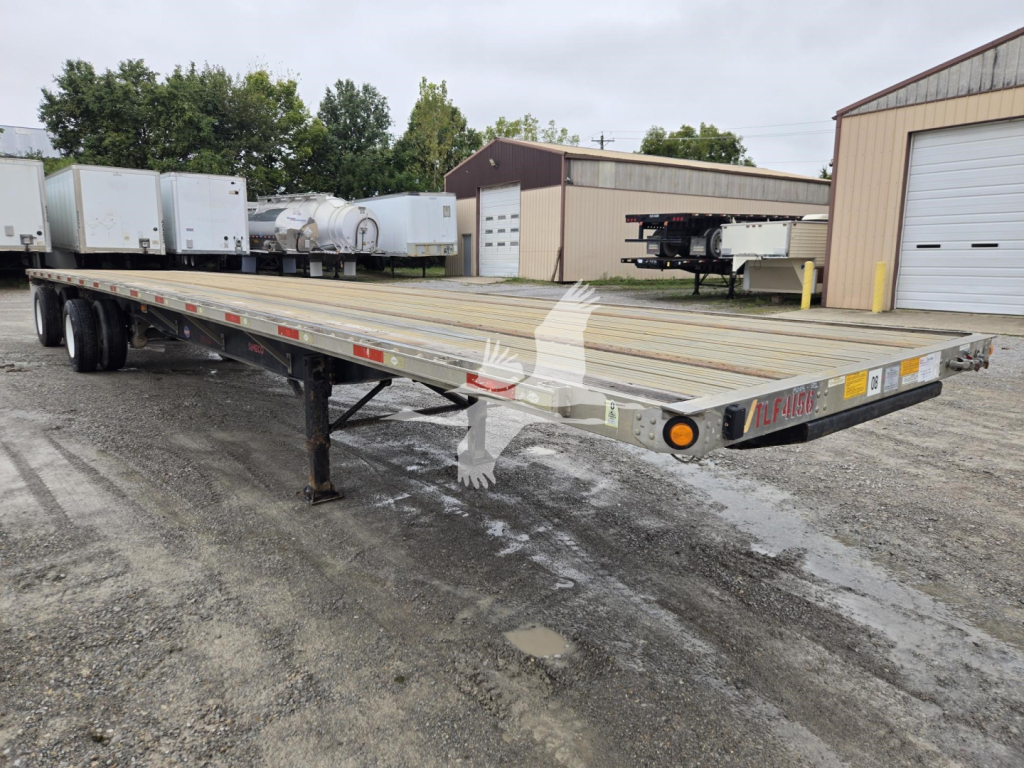
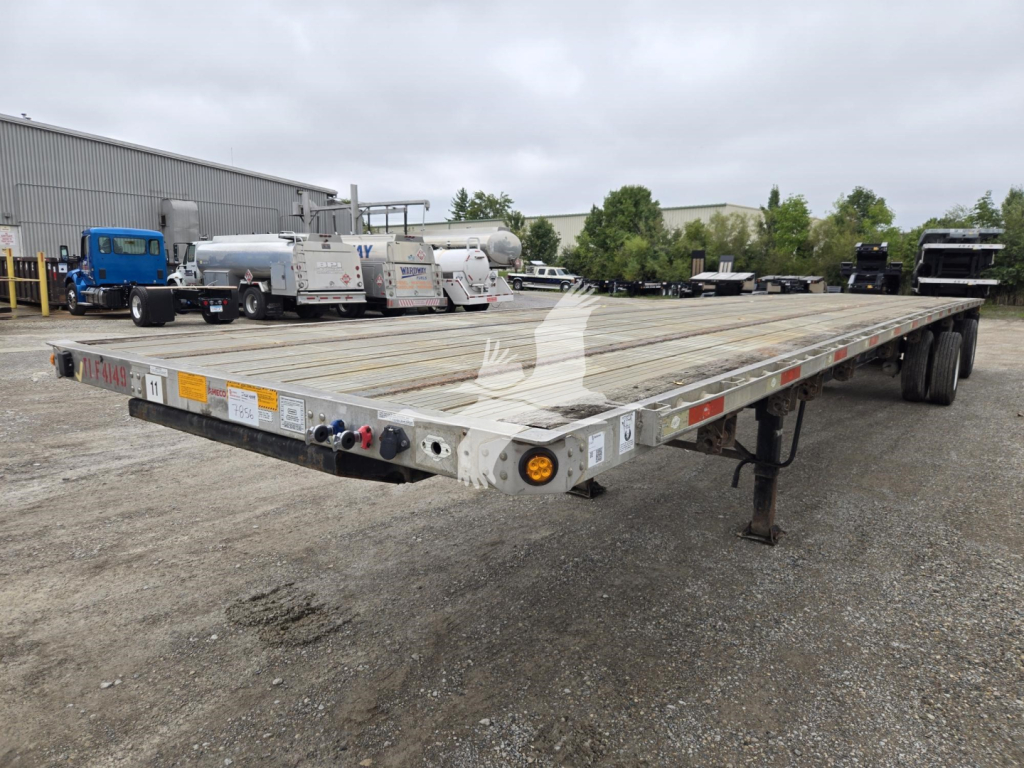
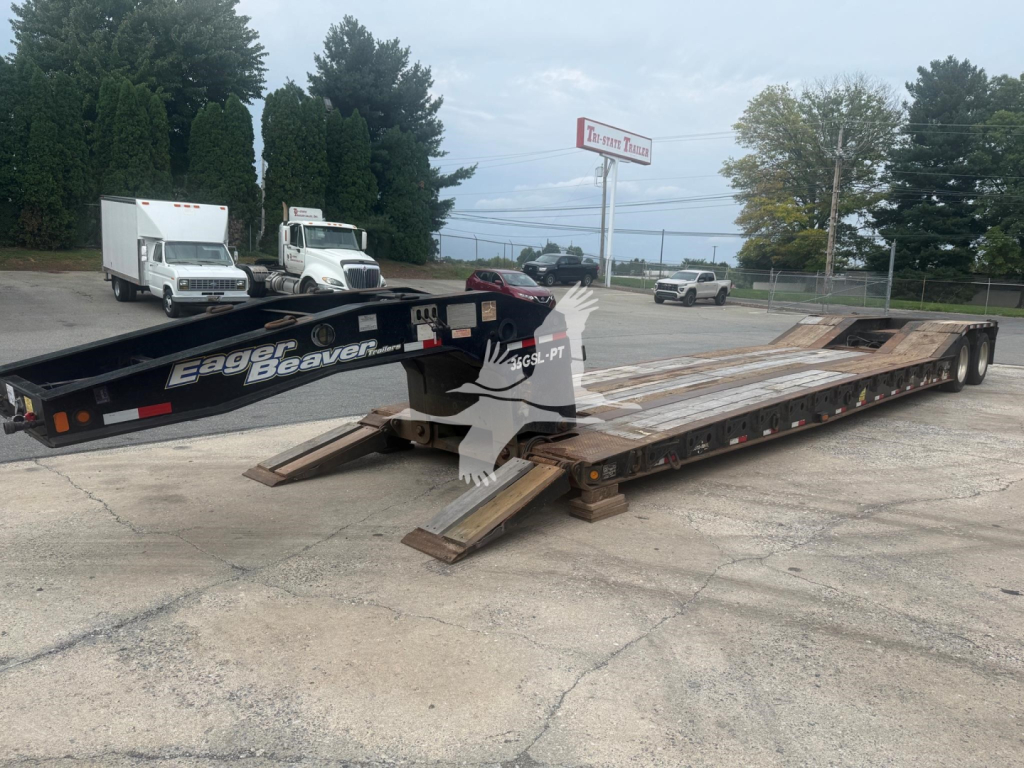
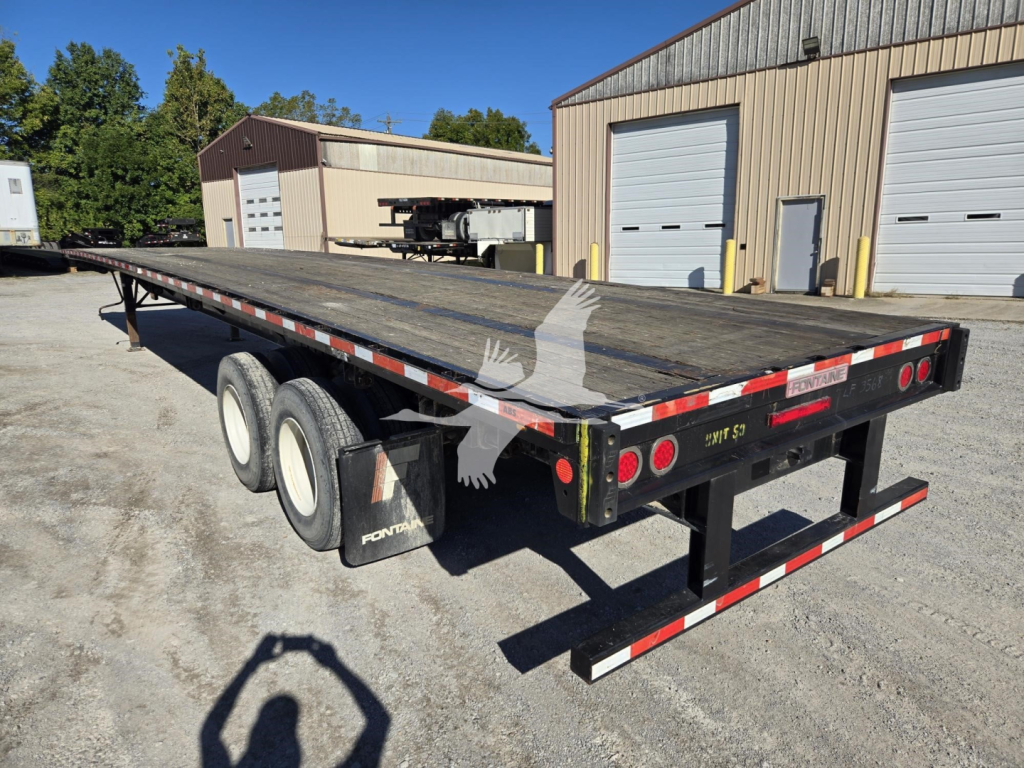
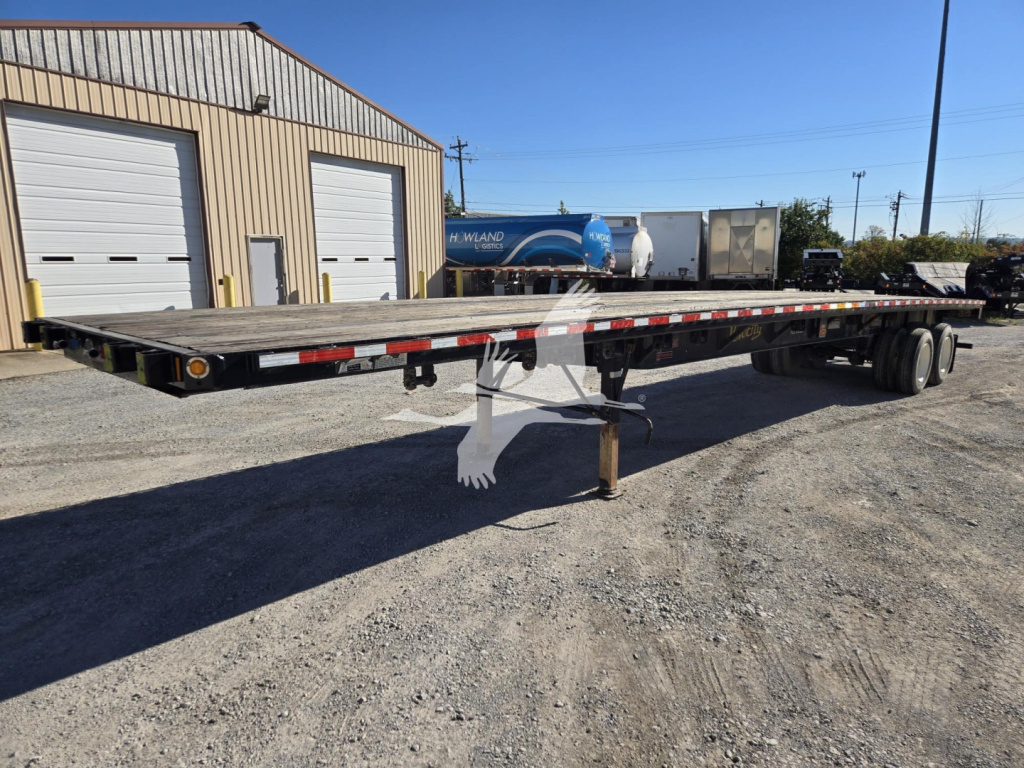
Showing 1 to 28 of 1,125 results
Selling a used trailer? List your used trailer for sale and reach thousands of commercial buyers.
Used Trailers in Nevada
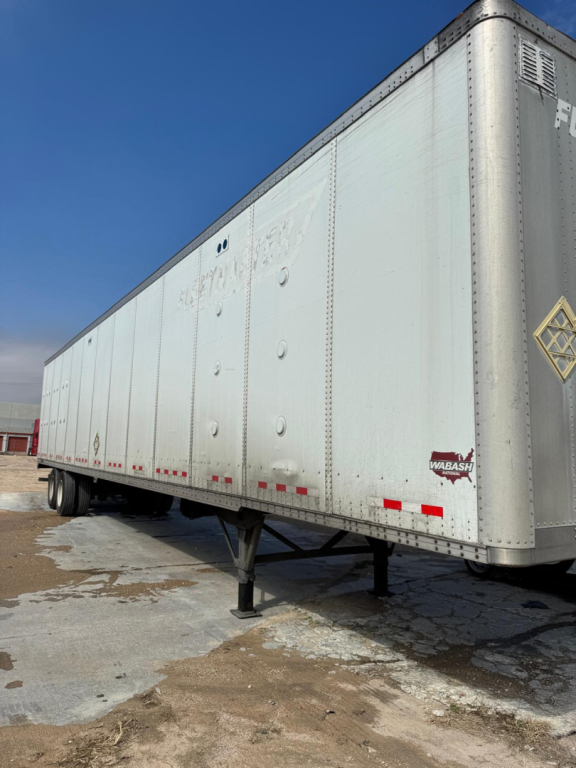
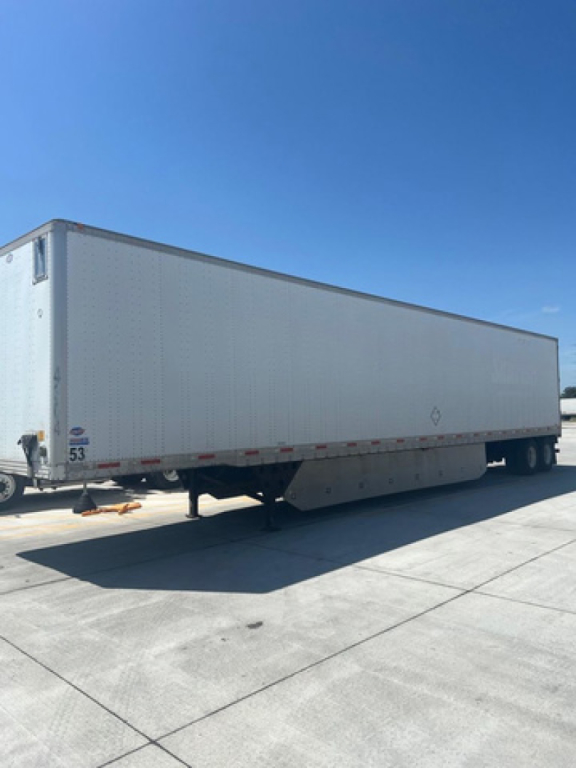
On used dry van trailers, also known as enclosed van trailers, interior condition tells you a lot about prior use. Wood floors remain common and can be durable if crossmembers are solid and floor repairs have been done correctly. Plywood, composite, or metal-lined interiors each have advantages depending on freight type and dock environment. Logistics posts, scuff liners, threshold plates, and venting are all worth checking because they affect load securement, forklift wear, and day-to-day utility. A buyer comparing used van trailers should also inspect roof condition, rear frame integrity, door hardware, and signs of water intrusion around seams and front walls.
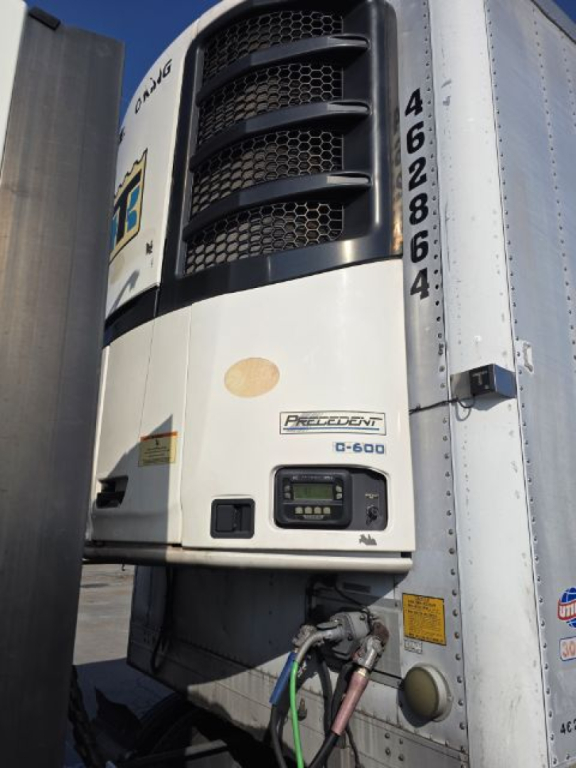
Used reefer trailers demand a different evaluation. The refrigeration unit is only part of the package. Buyers should look at the reefer engine hours, unit service history, operating temperature pull-down, evaporator condition, duct floor integrity, chute condition, and door seal performance. Aluminum duct floors and stainless rear components are common on fleet-spec refrigerated trailers because they hold up better under repeated loading and washout cycles. If the trailer will be used for produce, dairy, frozen foods, or mixed-temp regional work, insulation condition and air management matter just as much as the Thermo King or Carrier unit mounted on the nose.
Nevada buyers often balance highway miles, desert climate exposure, and fleet maintenance history when shopping used trailers. Dry conditions can be easier on rust than coastal regions, but sun exposure, heat, and heavy warehouse use can still show up in roofs, seals, tires, and interior wear surfaces. Good used trailers usually stand out through consistent spec choices such as air ride suspension, sliding tandems for bridge compliance, and durable wheel-end and brake components. When comparing listings, focus on axle spread, suspension type, tire condition, brake spec, floor design, lining material, and any evidence of major repair, because those details have a direct effect on uptime and operating cost.
Frequently Asked Questions about Used Trailers in Nevada
What should I look for first when buying a used trailer in Nevada?
Start with structural condition and application fit. Check the frame rails, crossmembers, floor, roof, rear frame, suspension, brakes, and tires before focusing on cosmetic details. In Nevada, dry climate can help limit corrosion, but buyers should still inspect for sun damage, worn seals, cracked lining, and evidence of heavy forklift traffic or repeated dock impact.
What is the difference between a used dry van trailer and a used reefer trailer?
A dry van trailer is built for general enclosed freight and usually has a wood or composite floor, logistics posts, and interior lining for palletized cargo. A reefer trailer adds insulation, a refrigeration unit, ducted airflow components, tighter door seals, and interior features designed to maintain temperature. Reefer buyers also need to evaluate engine hours, maintenance records, temperature performance, and washout-related wear.
Why does a sliding tandem matter on a used trailer?
A sliding tandem lets the axle group move forward or backward to help with bridge law compliance, weight distribution, and docking requirements. It is a common spec on 53-foot trailers because it gives carriers more flexibility across different states and customer facilities. On a used trailer, the slide mechanism should be checked for rail wear, pin engagement, corrosion, and smooth operation.
Are air ride trailers better than spring ride on used van and reefer trailers?
Air ride suspension is generally preferred for dry vans and reefers because it helps reduce cargo shock and provides a smoother ride for palletized freight and temperature-sensitive loads. It is especially common on higher-spec linehaul trailers. A used air ride trailer should be inspected for bag condition, air leaks, shock wear, and overall suspension alignment to make sure the ride benefits are still there.
How important is trailer age compared with maintenance history?
Maintenance history is often more important than model year. An older trailer with documented brake work, floor repairs, suspension maintenance, and consistent reefer service can be a better value than a newer unit with poor upkeep. Buyers should weigh age alongside structural condition, component spec, prior application, and how well the trailer matches their freight needs.