
Used 2025 Trailers For Sale in Pennsylvania
Shop used 2025 trailers for sale in Pennsylvania, including dry vans, tank trailers, and drop decks with buyer-focused spec guidance.
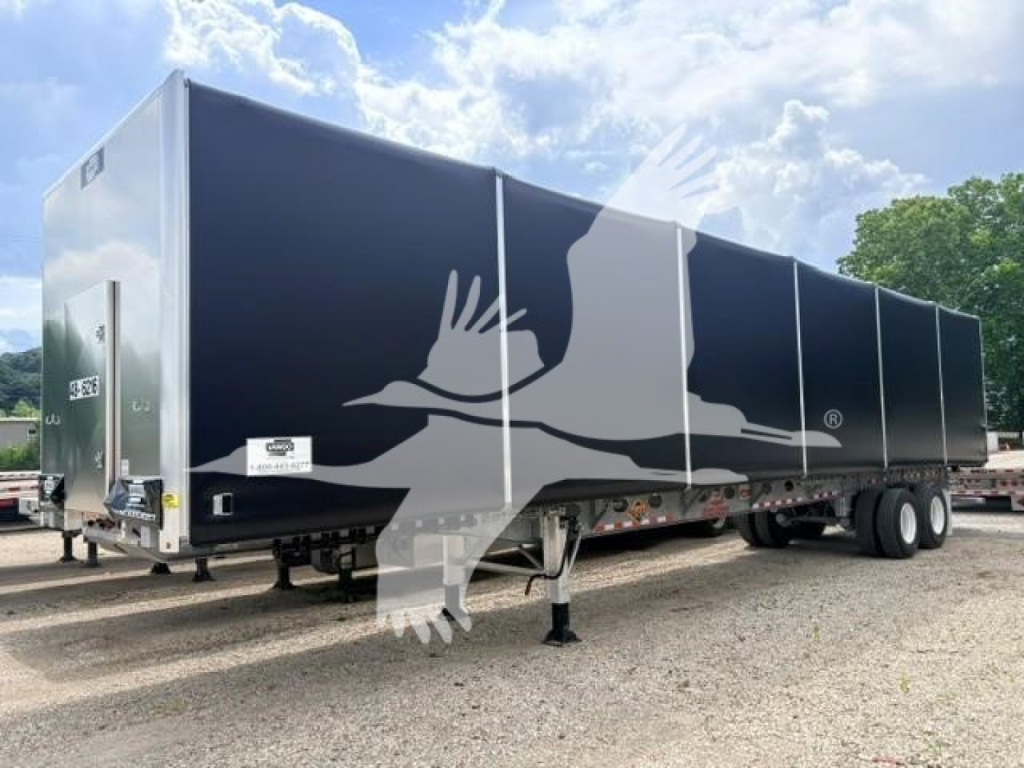
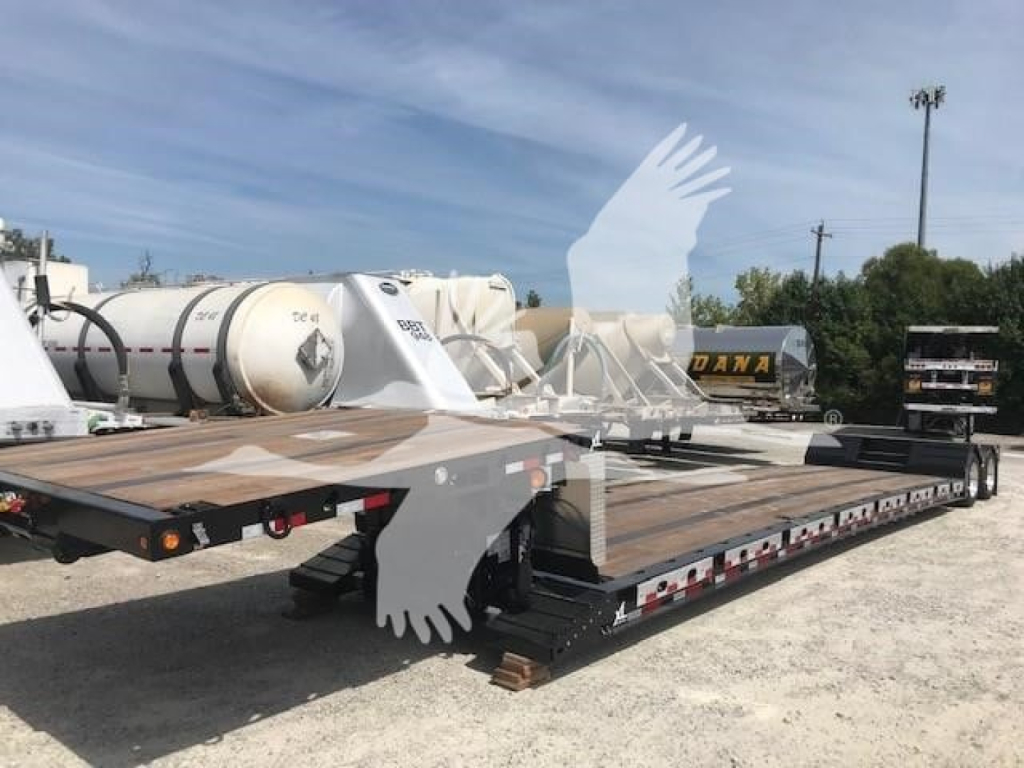
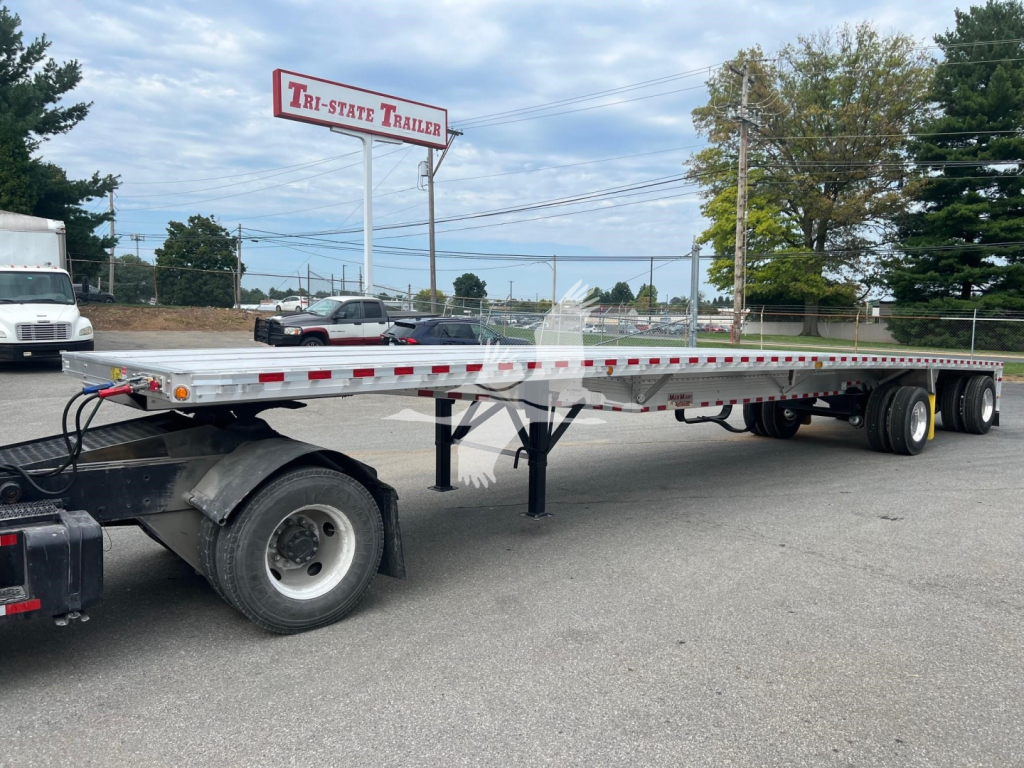
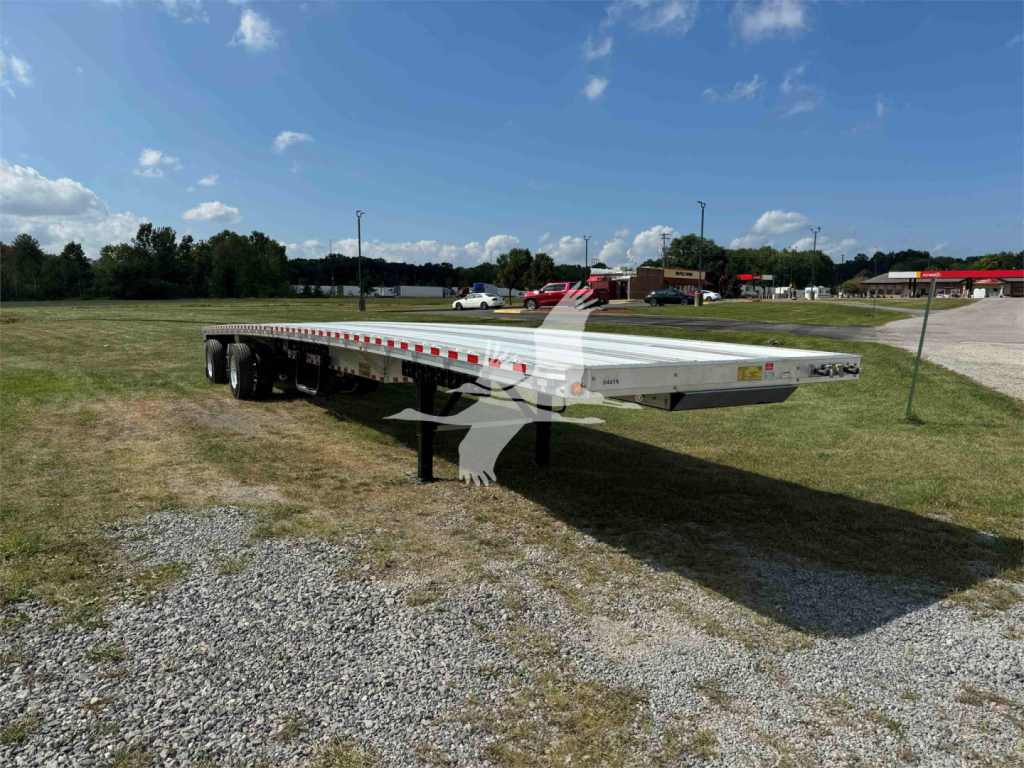
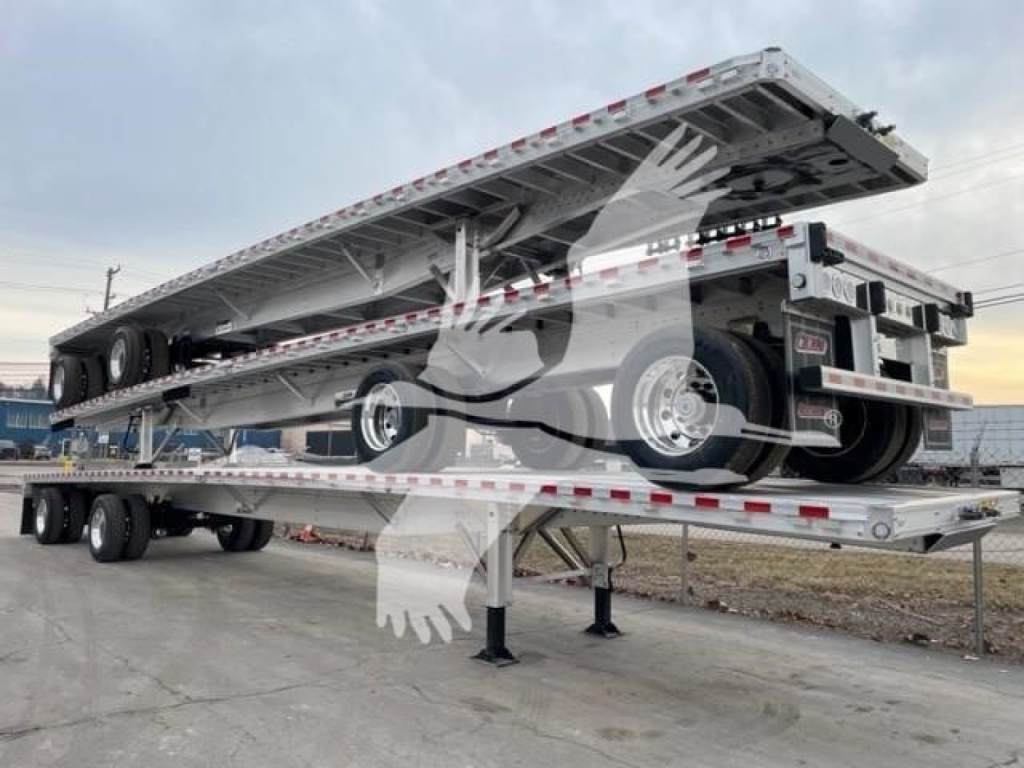
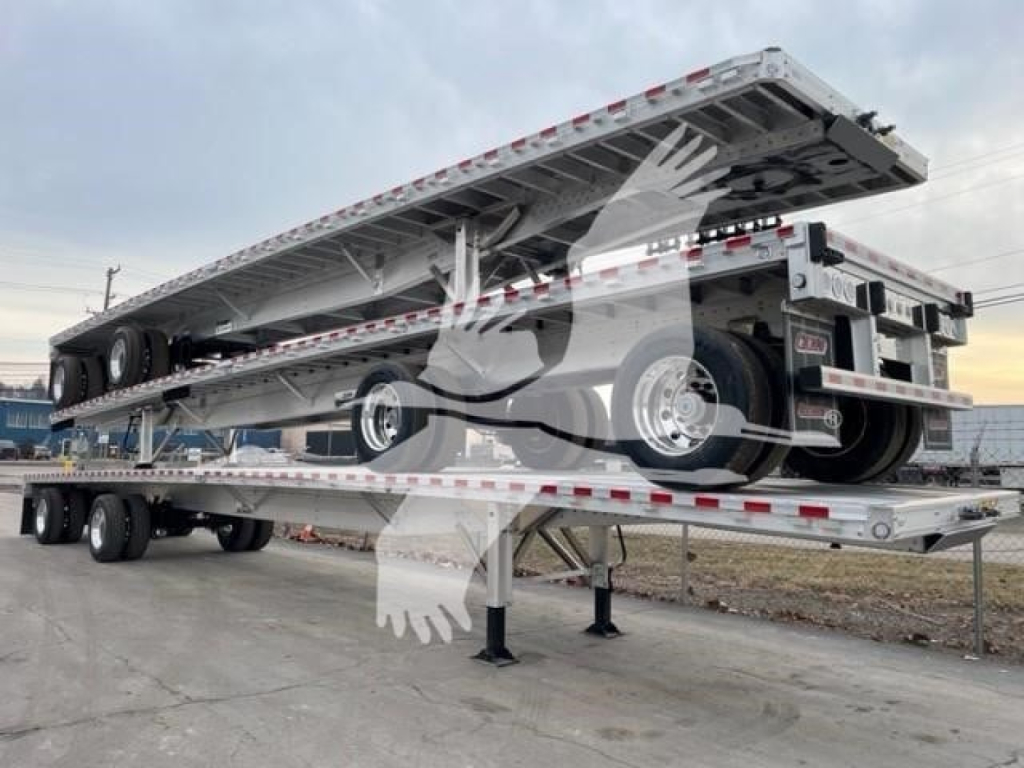
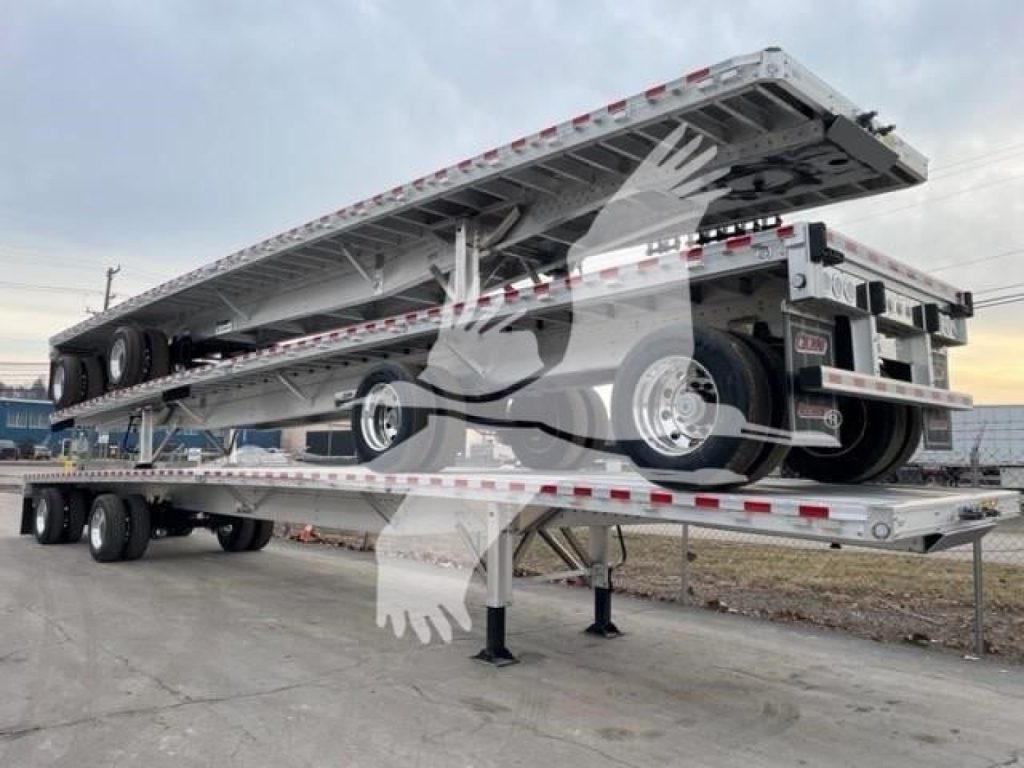
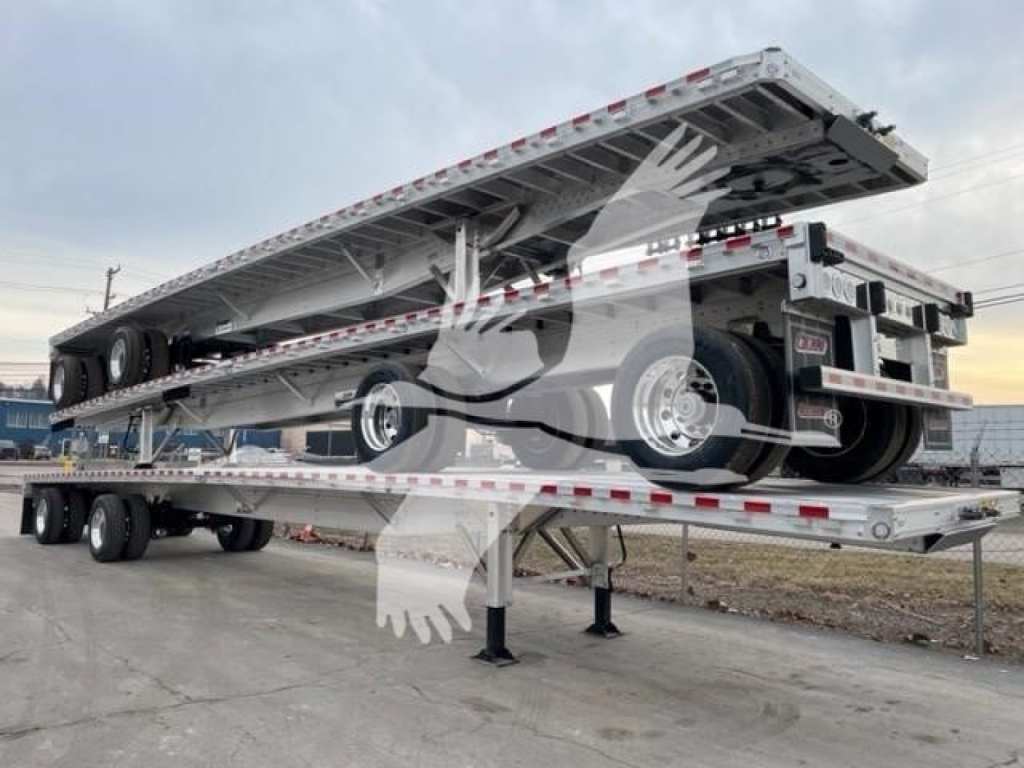
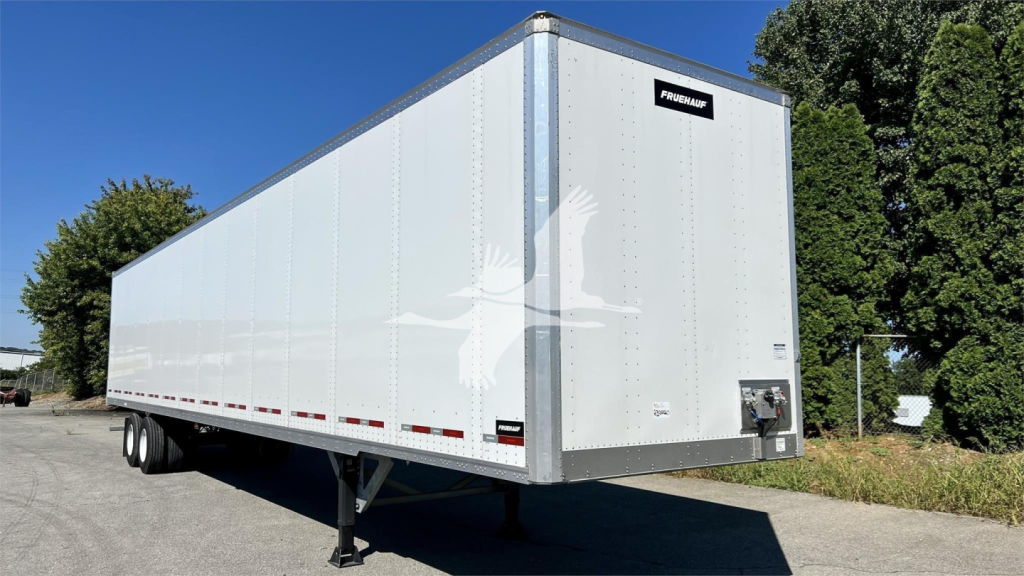
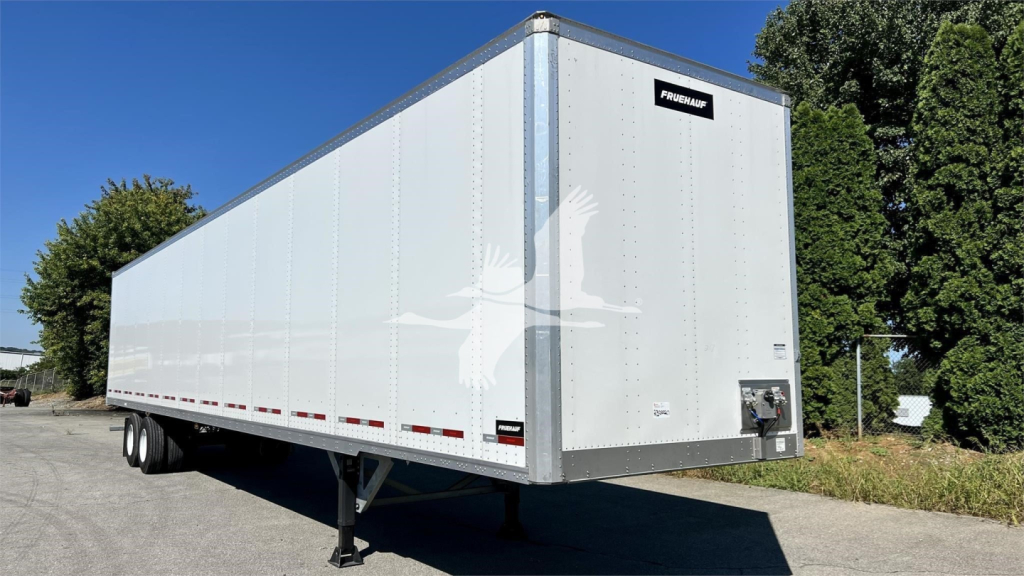
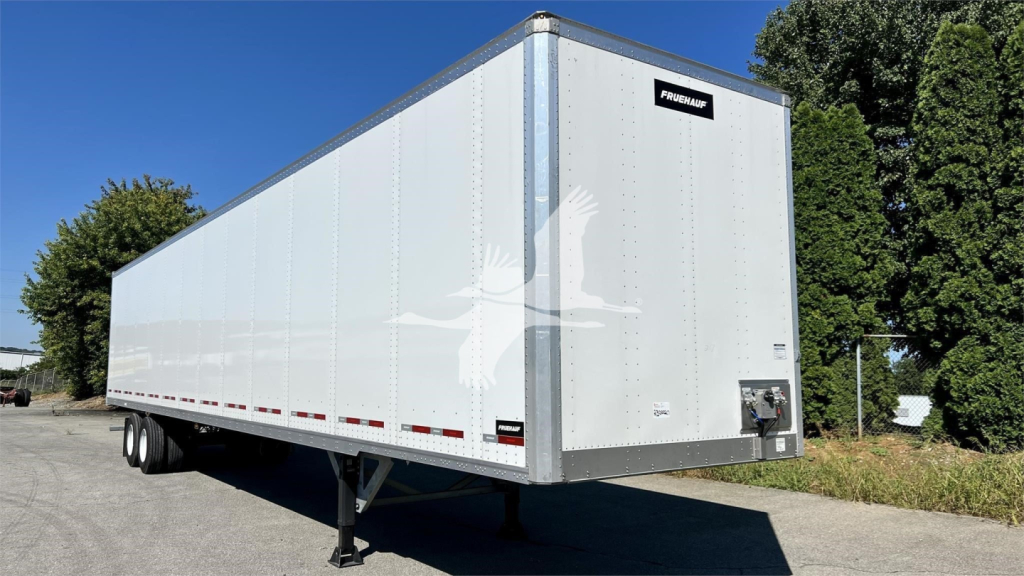
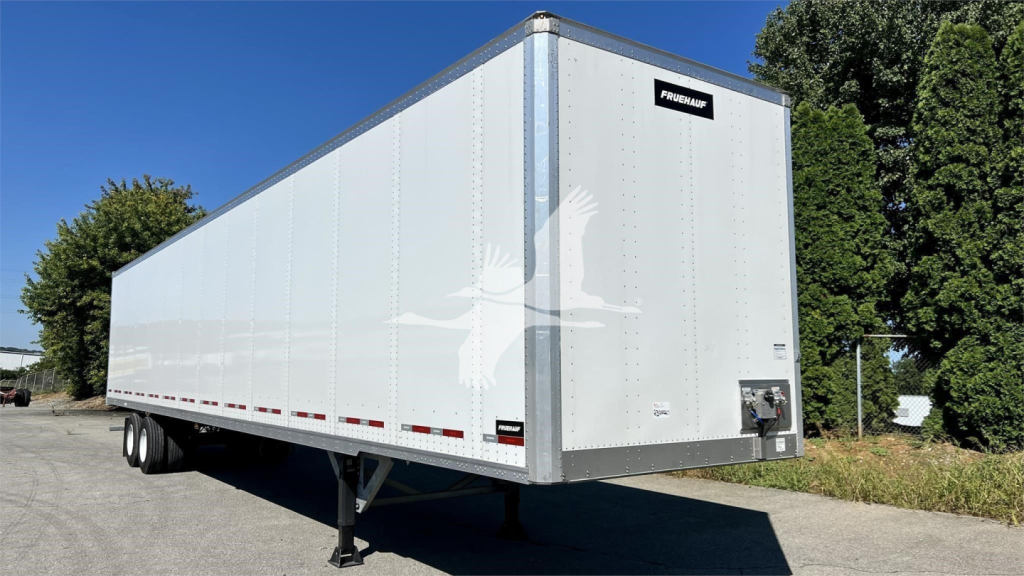
Showing 1 to 24 of 29 results
Have used 2025 trailer to sell? List it here to reach thousands of buyers.
Used 2025 Trailers in Pennsylvania
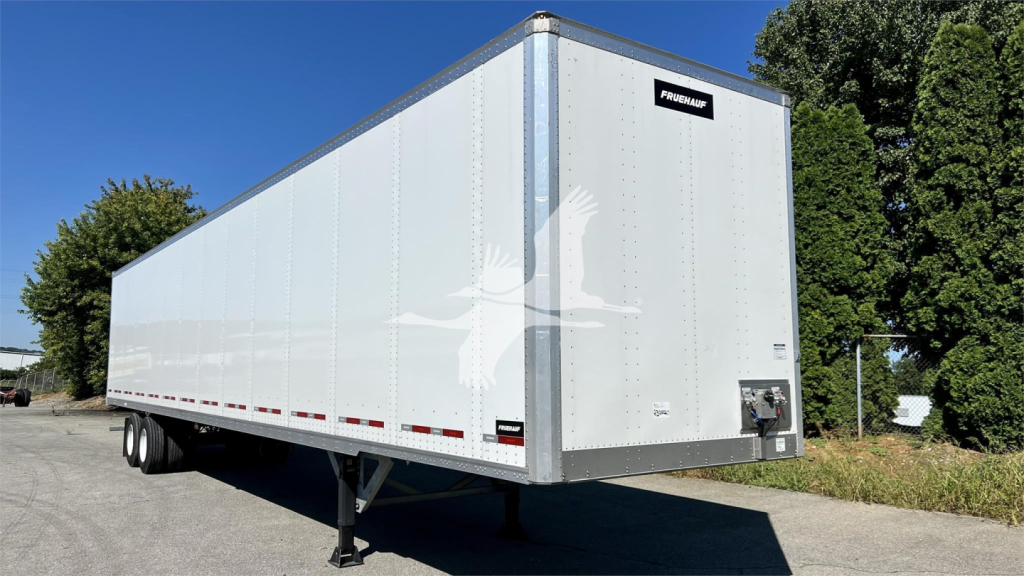
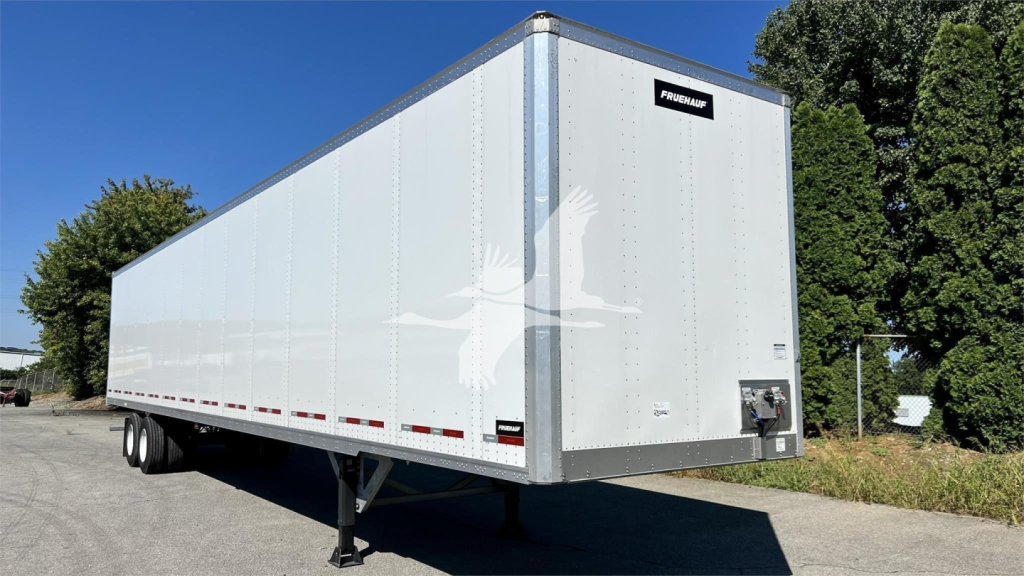
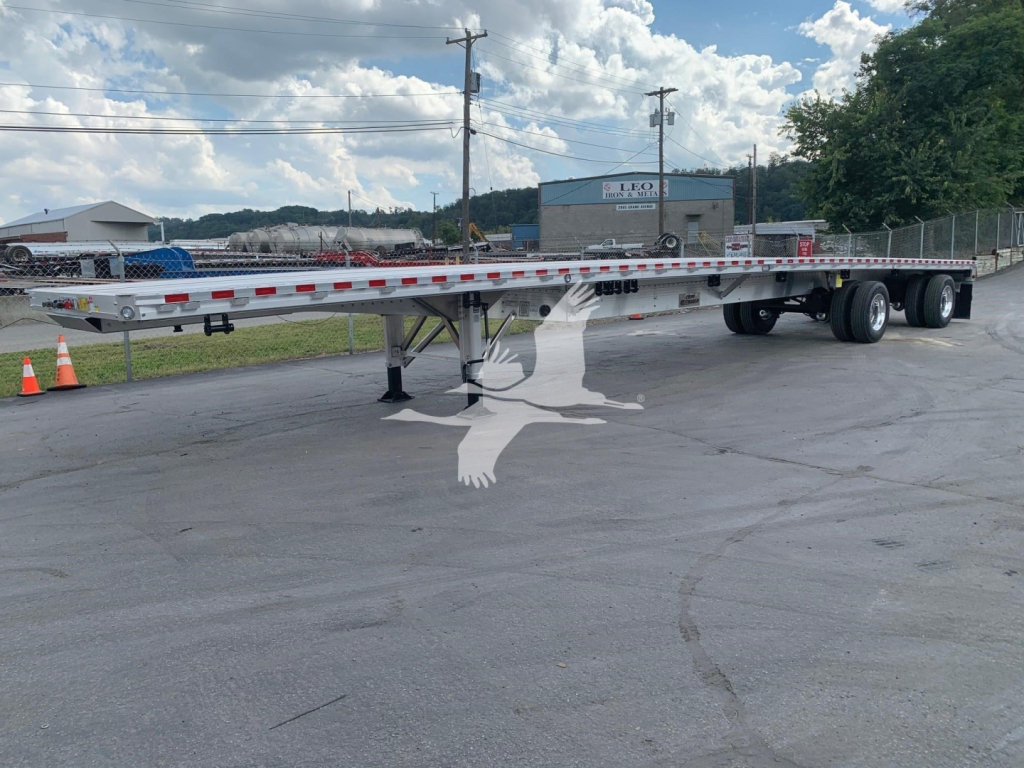
Pennsylvania buyers usually need to think beyond base dimensions and focus on route conditions, terminal access, and state-to-state freight patterns. Northeast operations often favor practical spec choices like air-ride suspension for cargo protection, aluminum wheels to trim weight, disc or drum brake serviceability, and slider setups that help manage bridge law and axle placement. On van trailers, flooring condition, roof integrity, rear frame wear, crossmember corrosion, and door seal performance are worth more attention than cosmetic appearance. On open-deck trailers, inspect deck condition, frame straightness, concentrated load capacity, and suspension wear. For tank units, verify MC code, lining or barrel condition, vapor recovery equipment, overfill systems, emergency valves, and current inspection status before putting a trailer into service.
A used 2025 trailer can appeal to fleets that want late-model equipment without the lead times or price of new. That matters if you are trying to standardize trailer height, tire size, wheel-end spec, brake package, or telematics compatibility across a larger operation. Buyers should compare kingpin setting, tandem spread or slider range, tire size, wheel material, landing gear brand, light package, and any added equipment like liftgates, tire inflation systems, side skirts, or cargo control tracks. These details affect payload, maintenance cost, dock fit, and driver acceptance more than the badge on the nose.
For Pennsylvania freight, the right trailer is usually the one that matches commodity, lane profile, and service environment with the fewest compromises. Food and consumer goods usually point to dry vans with sound interiors and strong door hardware. Machinery, building products, and oversized pallets often push buyers toward drop decks. Fuel and petroleum hauling demand tank trailers with documented compliance and proper compartmenting. A strong used trailer should be evaluated as a working asset: structure first, running gear second, and specialty equipment third. That approach gives a clearer picture of uptime, resale value, and total cost per mile.
Frequently Asked Questions about Used 2025 Trailers in Pennsylvania
What should I inspect first on a used 2025 trailer?
Start with the trailer structure and running gear. On van trailers, look closely at the frame rails, crossmembers, floor condition, roof bows, rear frame, and door opening for damage or repairs. On drop decks, inspect the main beam, deck surface, neck area, and suspension mounts. On tank trailers, review barrel condition, weld areas, internal components, and all compliance-related equipment. After structure, move to suspension, axle alignment, brakes, tires, wheel ends, ABS function, lighting, and landing gear. Cosmetic condition matters less than evidence of proper maintenance and a straight, serviceable chassis.
Are dry vans the most common used trailer type in Pennsylvania?
Dry vans are typically the most common used trailer category because they cover the broadest range of freight. A standard 53-foot van with 102-inch width, air ride, and sliding tandems fits many regional and over-the-road applications. Buyers in Pennsylvania often look for interior features such as scuff liners, plywood lining, logistic posts, E-track, and sound wood or composite flooring because these directly affect cargo securement and trailer longevity. Door choice also matters, with swing doors common for full dock access and roll-up doors preferred in some delivery environments.
What matters most when buying a used tank trailer?
Compliance and configuration matter more than appearance on a tank trailer. Buyers should confirm the MC code, current test dates, total gallon capacity, compartment sizes, emergency valve setup, vapor recovery system, overfill protection, and discharge arrangement. It is also important to match axle setup, suspension type, and tire spec to the intended load profile. A tank trailer that hauled gasoline, diesel, or other regulated commodities needs documentation that supports legal operation and future testing. Missing records or outdated inspections can quickly erase any purchase savings.
How do I choose between a dry van and a drop deck trailer?
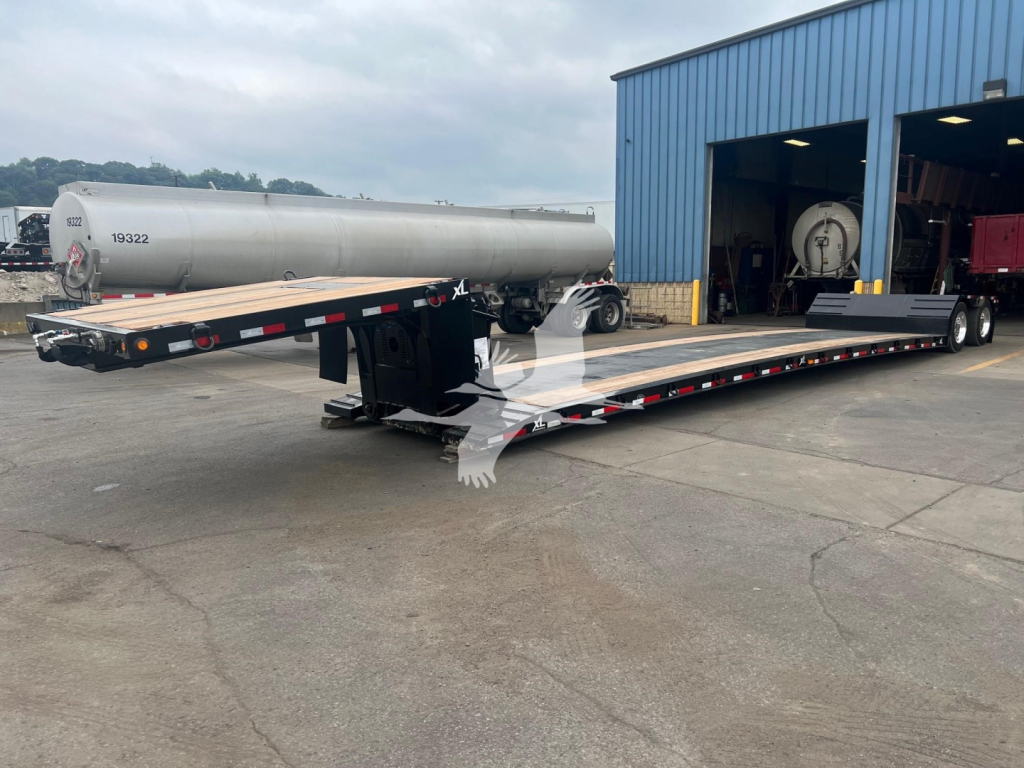
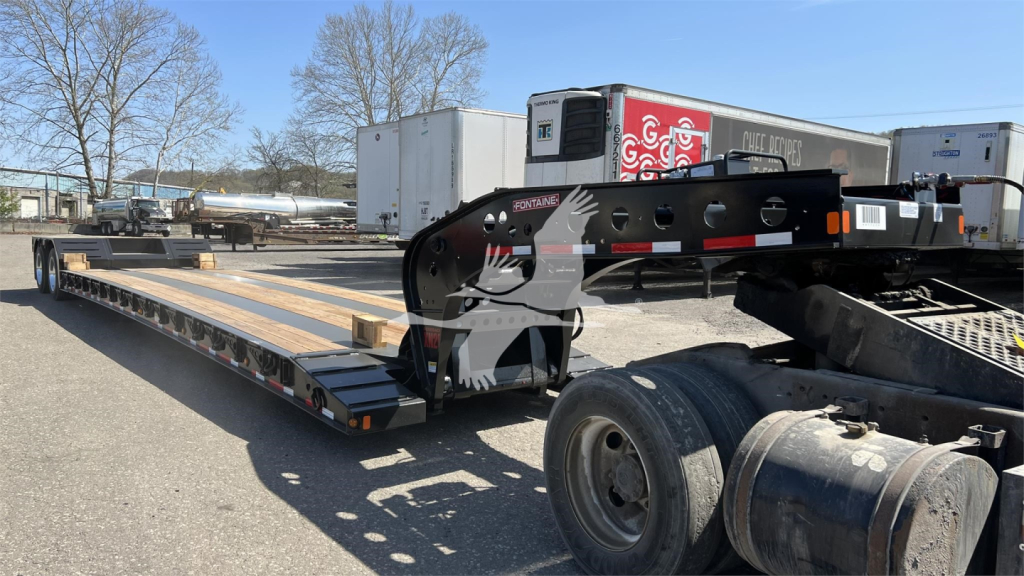
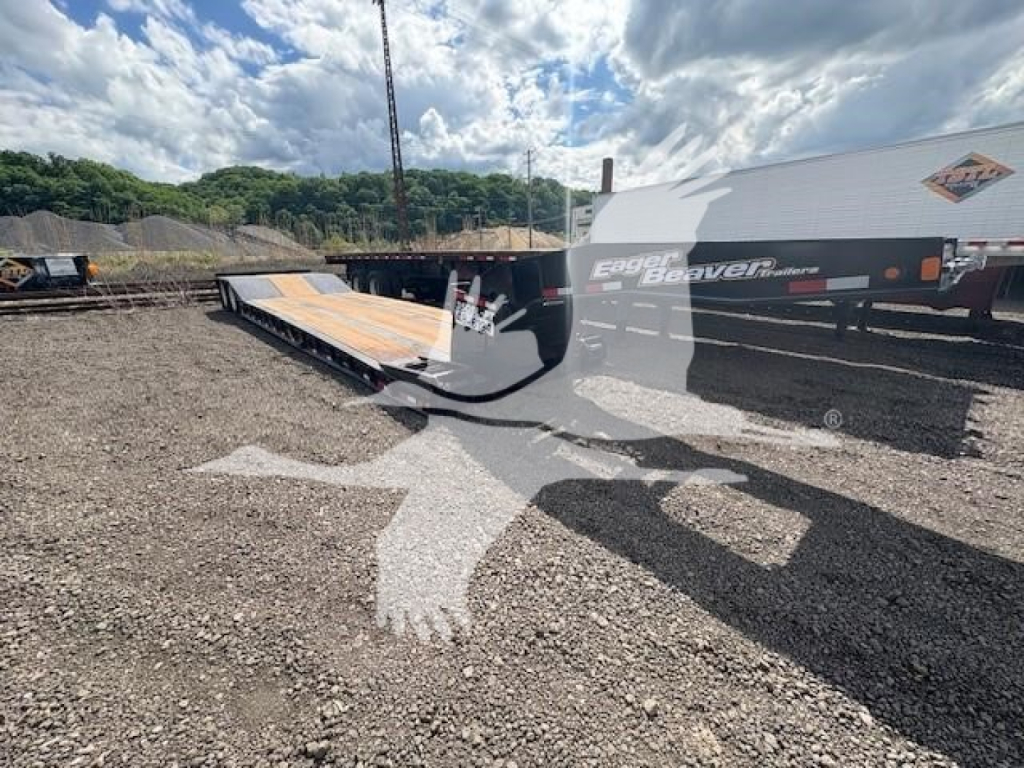
Choose based on freight dimensions and loading method. A dry van is built for enclosed freight that needs weather protection, theft deterrence, and dock loading. It is the default choice for palletized consumer goods, packaged products, and many general freight lanes. A drop deck, also known as a step deck trailer, is better when cargo height exceeds what a standard van or flatbed can legally carry. It also helps with machinery, crated equipment, and taller building materials that need open-deck loading from the side or above.
Why do specs like kingpin setting and tandem position matter on a trailer?
Kingpin setting and tandem position affect axle weights, turning characteristics, bridge law compliance, and compatibility with your tractor fleet. A trailer that is hard to scale legally or does not balance well across the drives and tandems can reduce payload flexibility and create dispatch headaches. Slider range is especially important in regions where lane mix includes urban deliveries, interstate bridge restrictions, and varied commodity weights. Matching these dimensions to your tractors and freight profile can improve both legal compliance and everyday usability.