
Used 2024 Trailers For Sale in Colorado
Browse used 2024 trailers for sale in Colorado, including van, flatbed, drop deck, and tank trailer options for regional and over-the-road work.
Learn more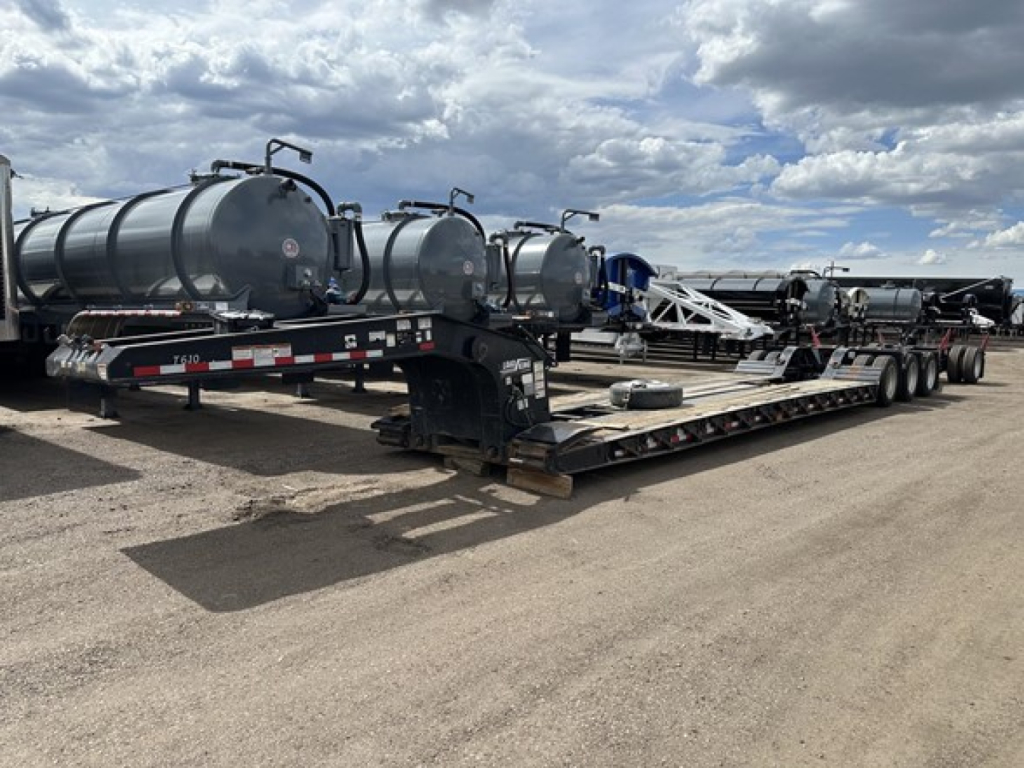
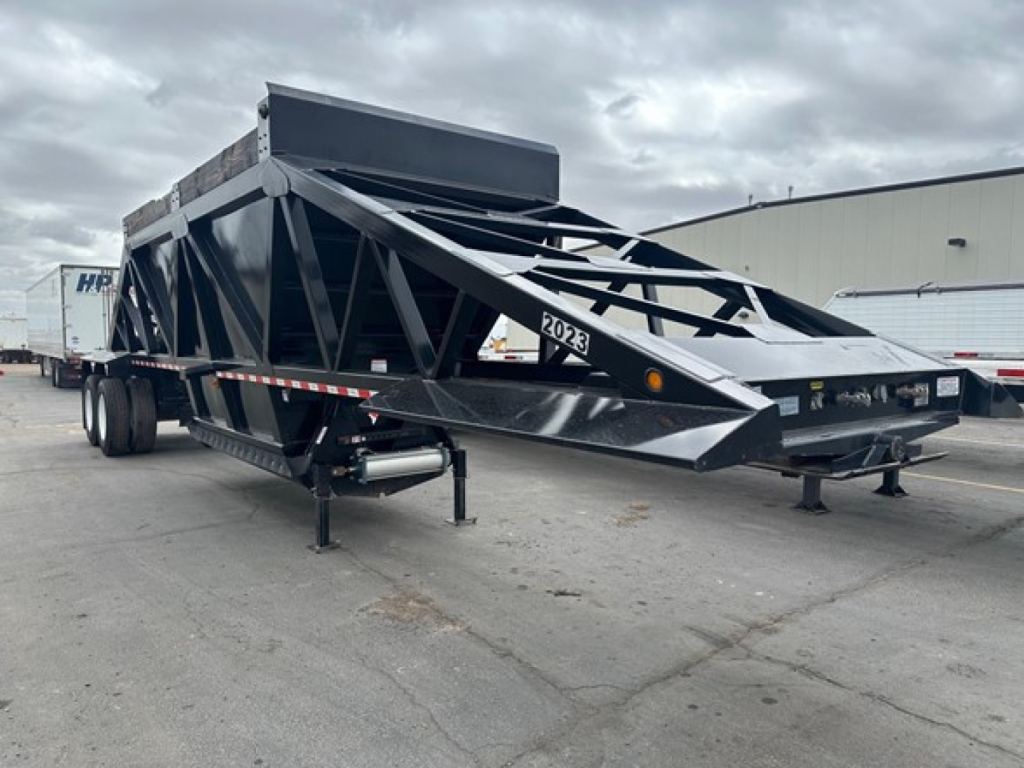
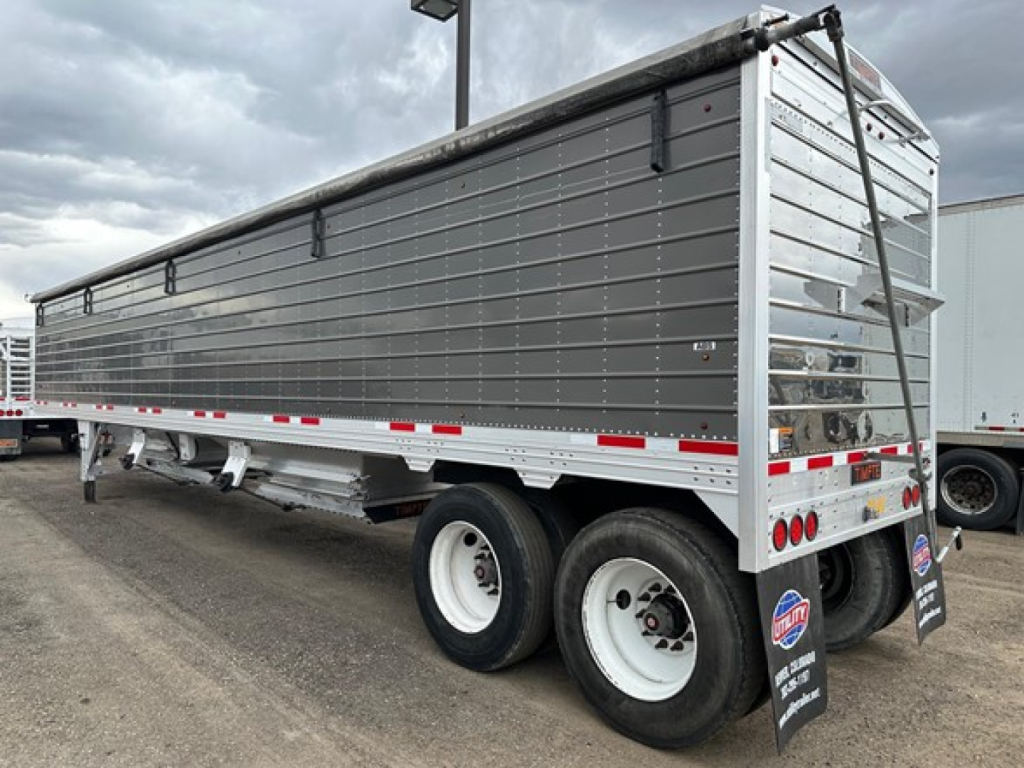
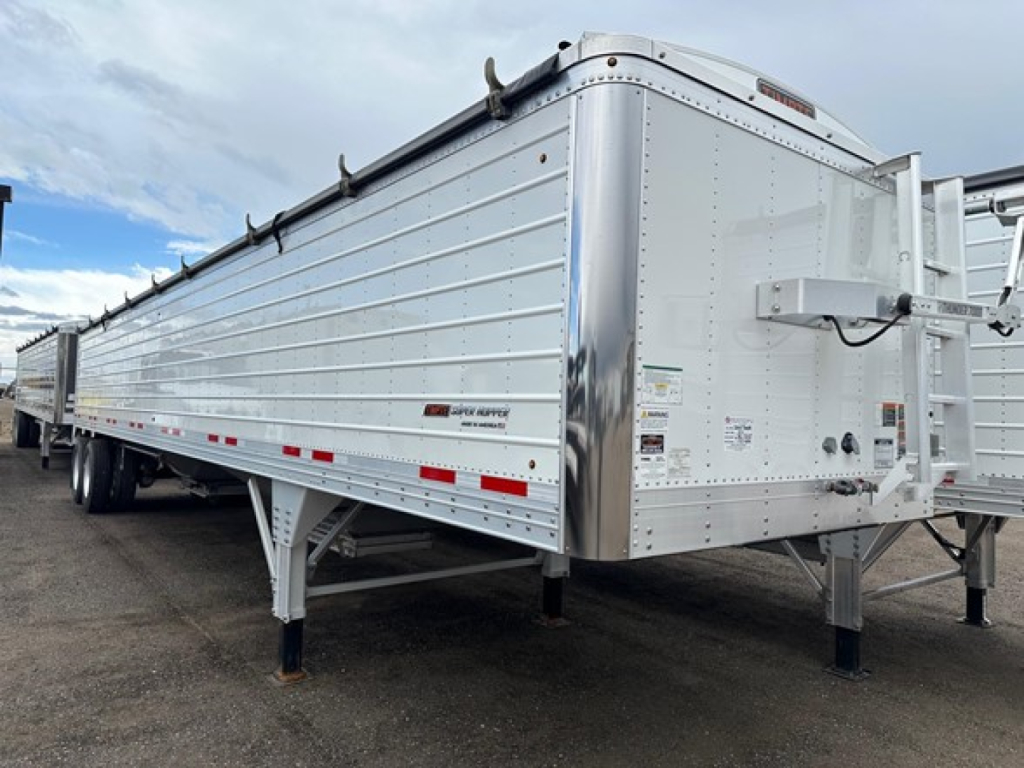
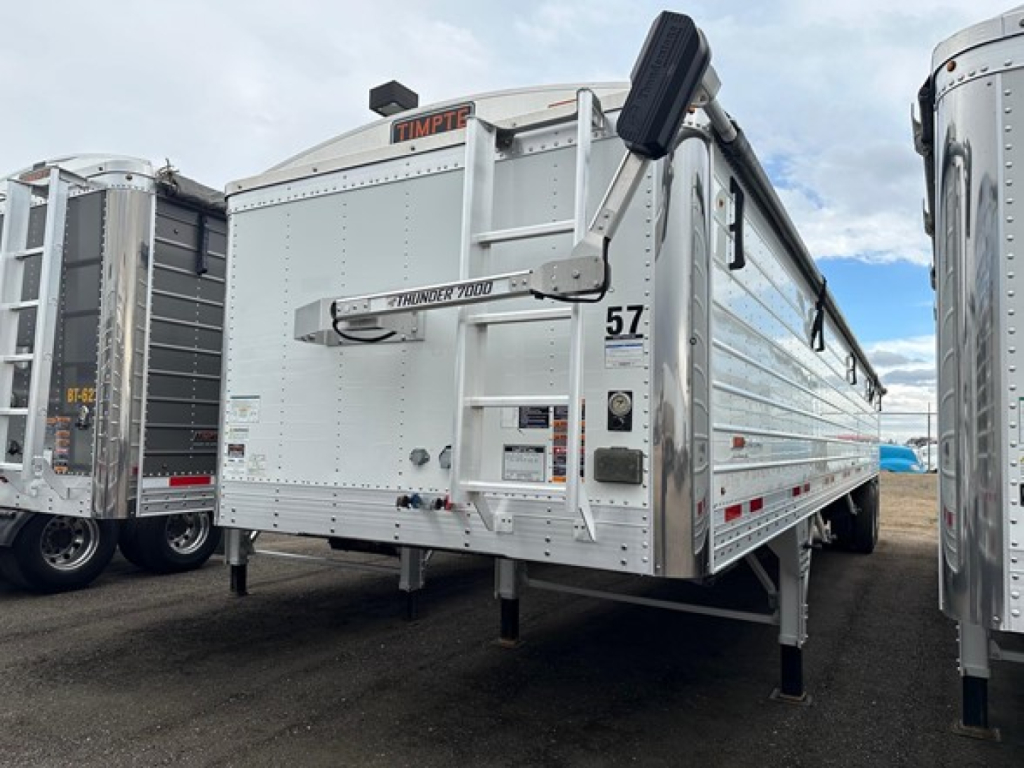
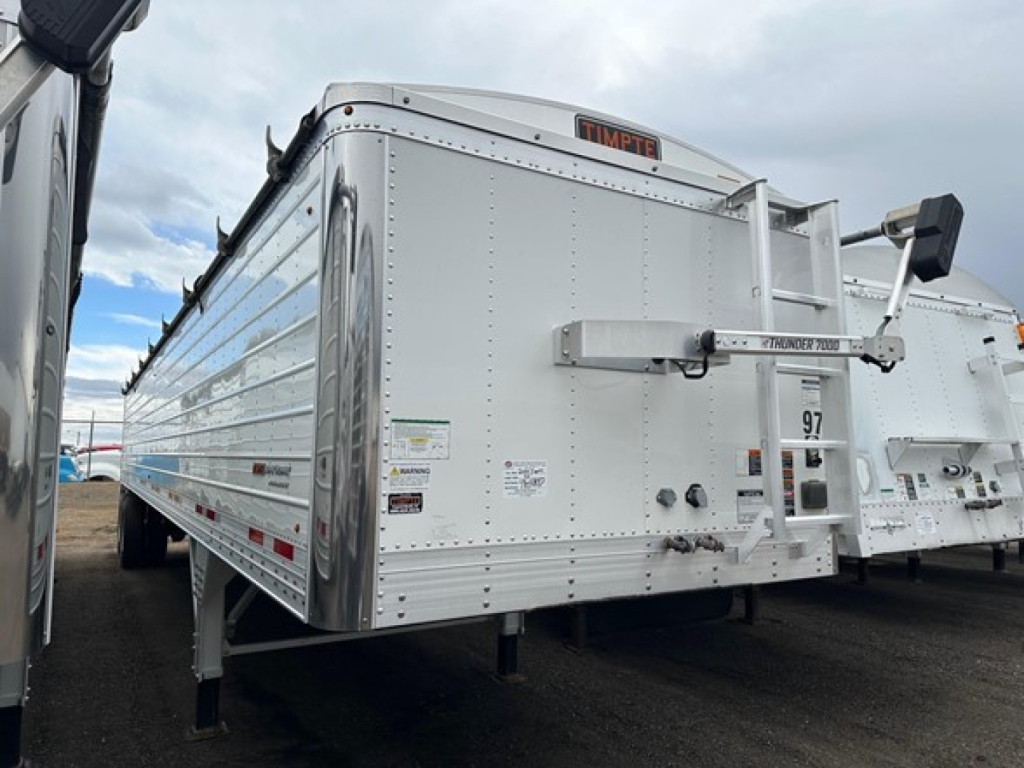
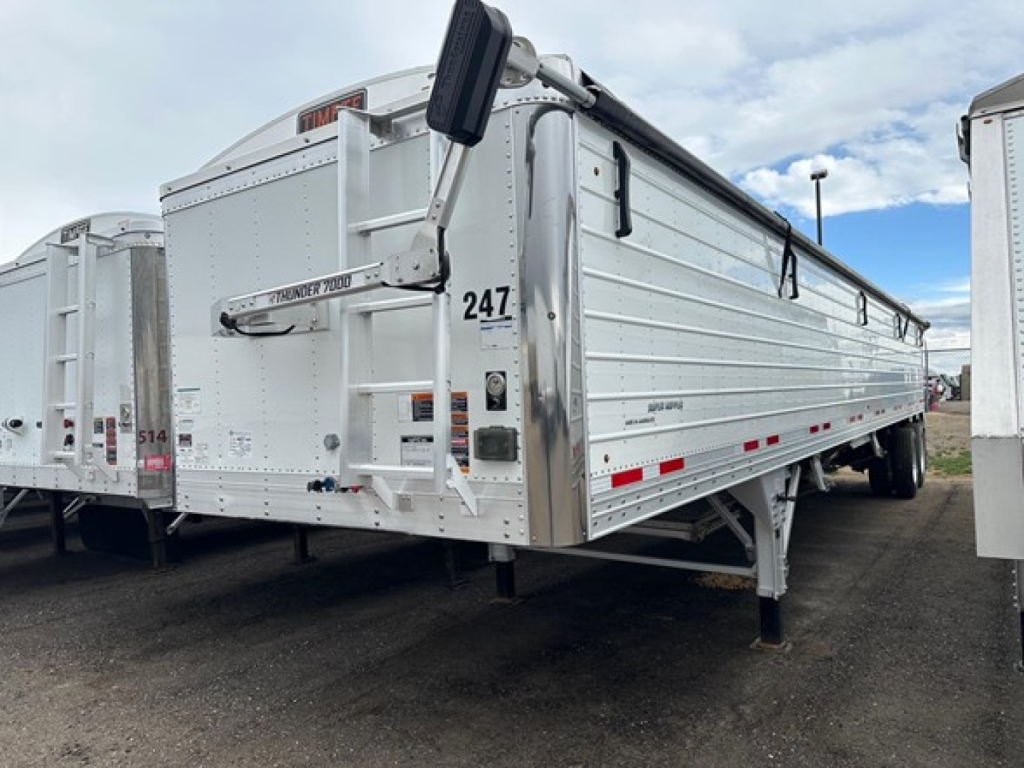
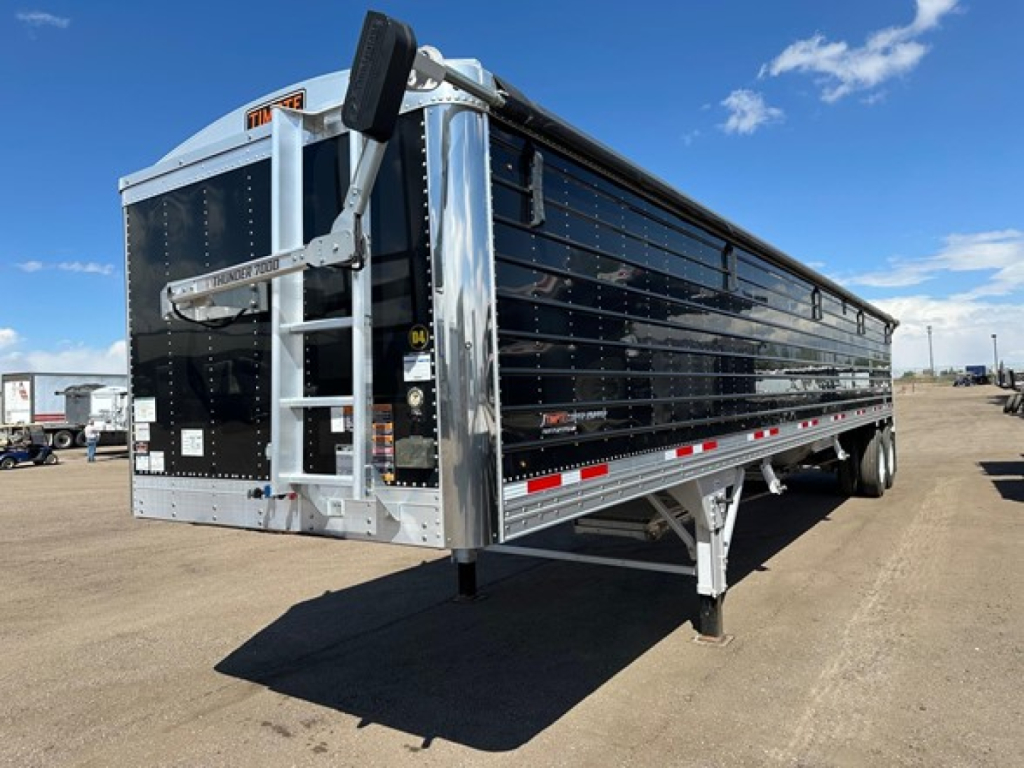
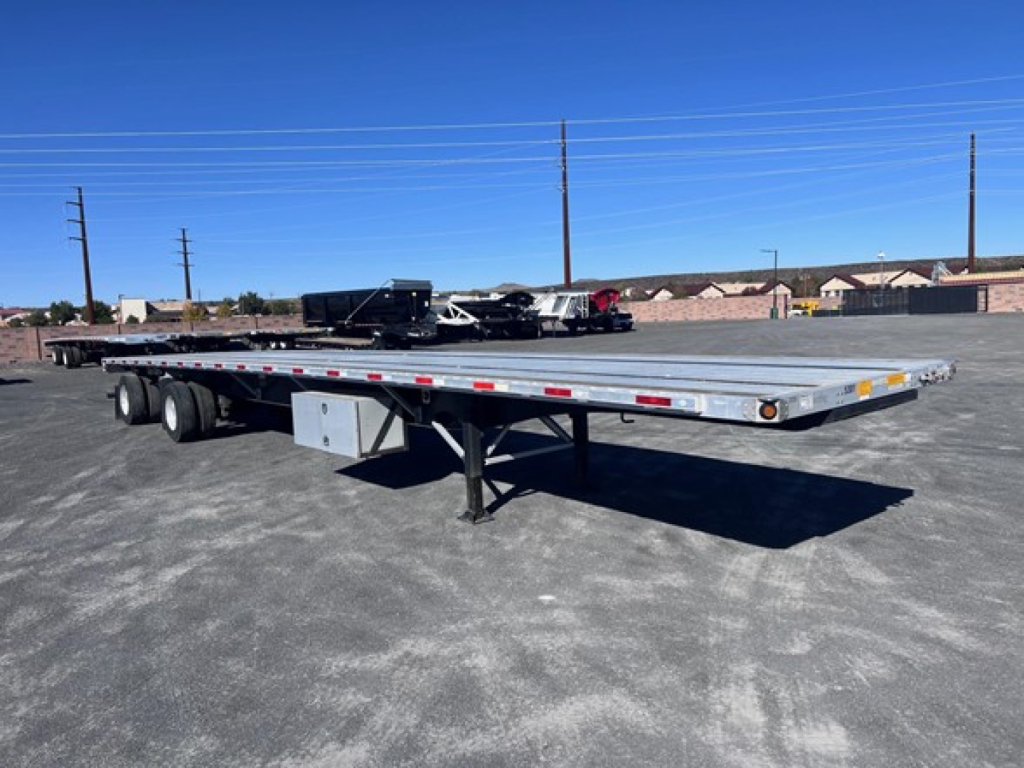
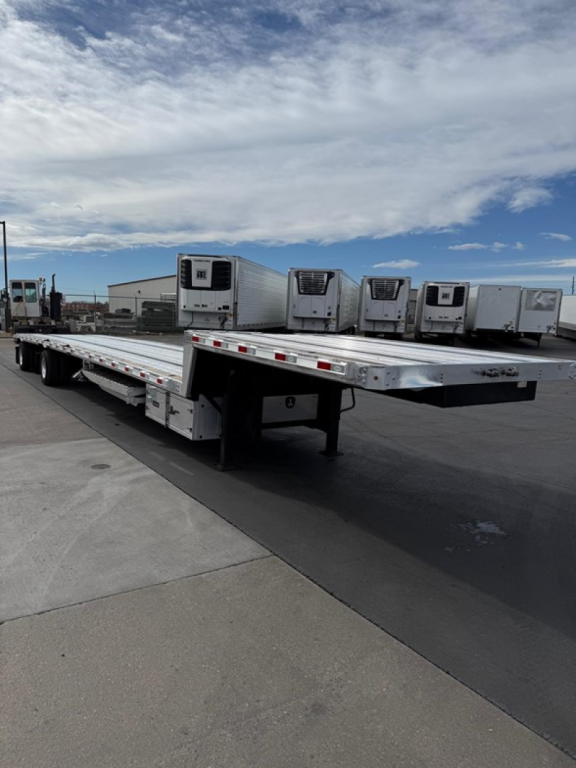
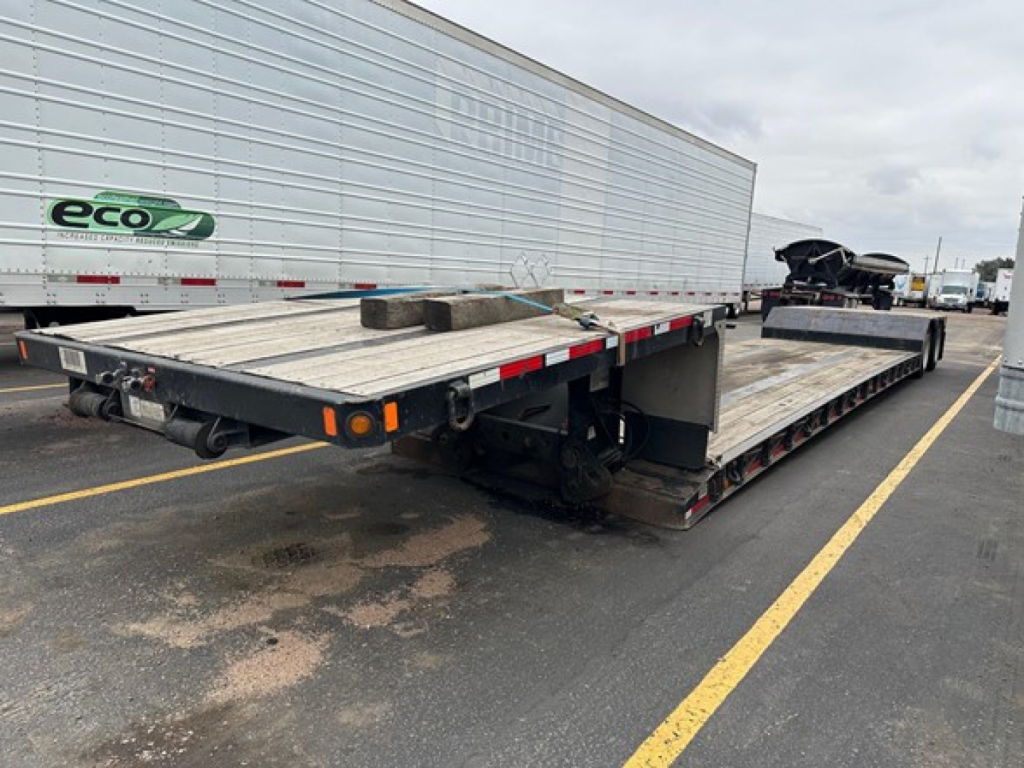
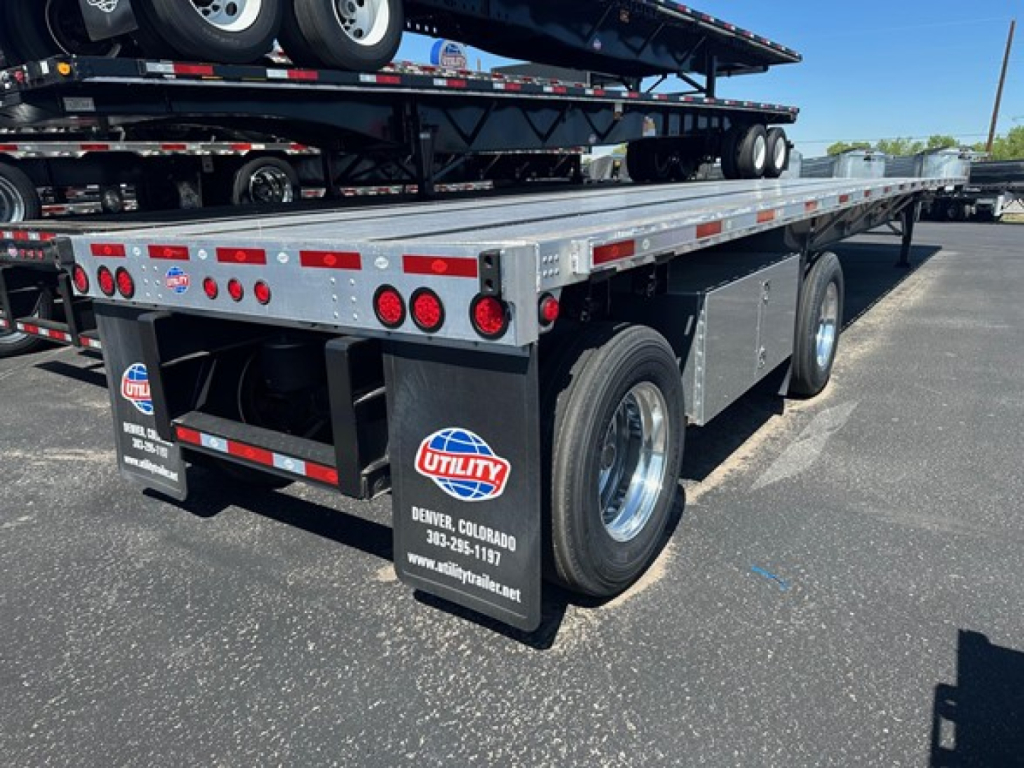
Showing 1 to 12 of 18 results
Have used 2024 trailer to sell? List it here to reach thousands of buyers.
About Used 2024 Trailers in Colorado
For van and platform buyers, structural spec matters more than model year alone. On dry vans, pay attention to trailer length, interior height, roof construction, rear frame design, door type, suspension, and wheel-end setup. A 53-foot van with 102-inch width and 13-foot-6 overall height is still the standard for high-cube freight, but floor rating, scuff liners, logistics posts, and swing versus roll-up doors will affect how well the trailer fits your lanes. On flatbeds and drop decks, key details include deck length, loaded deck height, aluminum versus steel construction, crossmember spacing, winch track, sliding winches, stake pockets, pipe spools, bulkheads, and axle spread or closed tandem configuration. These are the specs that determine cargo securement options, tare weight, and durability in daily use.
Colorado buyers also need to think about operating conditions. Mountain grades, winter weather, and mixed highway and secondary-road use put more emphasis on brake condition, suspension type, tire spec, and overall weight distribution. Air ride suspension is common where ride quality and cargo protection matter, while spring ride can still make sense for certain van and platform applications with simpler maintenance priorities. Buyers moving freight across elevation changes should inspect brakes, drums or discs, wheel seals, and tire wear closely, especially on used equipment that may already have seen regional service. If the trailer will run interstate, kingpin setting, axle slider function, lighting, conspicuity tape, and ICC bumper condition should all be part of the evaluation.
Tank trailer buyers need a narrower, more technical review. Capacity, compartment count, barrel material, discharge configuration, pump setup, vapor recovery, overfill protection, and manhole arrangement all need to match the product being hauled and the compliance requirements of the operation. For any used 2024 trailer, the strongest value usually comes from matching the trailer spec to the freight first, then confirming condition at the component level. Frame integrity, floor or deck condition, suspension wear, tire age, wheel-end maintenance history, and evidence of prior repairs will tell you more about long-term cost than the badge on the nose or the paint on the side.
Frequently Asked Questions
What should I look for first when comparing used 2024 trailers for sale?
Start with the trailer category and core operating spec, not just the model year. A used 2024 trailer may still vary widely in construction, tare weight, suspension, axle setup, and cargo handling features depending on whether it is a dry van, flatbed, drop deck, or tank trailer. After confirming the trailer matches the freight, inspect frame condition, floor or deck wear, suspension components, brake system condition, tire age, wheel ends, and any repair history. A newer year does not automatically mean lower operating cost if the spec is wrong for the job.
Is a used 2024 trailer a good alternative to buying new?
For many fleets and owner-operators, yes. A used 2024 trailer can offer current-generation design, modern component specs, and substantial remaining service life while avoiding the full cost of a new unit. It can be a practical option for buyers who want late-model equipment but still need to manage acquisition cost and depreciation. The value depends on actual condition, maintenance history, and whether the trailer was originally built with the right suspension, axle, body, and cargo-control configuration for the intended application.
Which trailer types are most common in Colorado freight operations?
Dry vans, flatbeds, drop decks, and tank trailers are all common in Colorado because the freight mix is broad. Dry vans support general freight and warehouse distribution. Flatbeds and drop decks are heavily used in construction, machinery, steel, and agricultural loads where side loading or lower deck height is important. Tank trailers serve fuel, chemical, and liquid bulk operations, but they require much tighter attention to product compatibility and regulatory compliance. The right choice depends on the lane, the commodity, and how often the trailer will operate in mountain and winter conditions.
What specs matter most on a used flatbed or drop deck trailer?
Deck length, deck height, construction material, axle arrangement, suspension, and cargo securement equipment are the main buying points. Aluminum trailers generally help reduce tare weight, while steel construction may appeal to buyers prioritizing durability and repair familiarity. Stake pockets, rub rails, winch tracks, sliding winches, chain tie-down points, bulkheads, and pipe spools all affect how efficiently the trailer can be loaded and secured. On a used unit, inspect the deck surface, crossmembers, main beams, slider operation if equipped, and any signs of concentrated impact or overload damage.
What is most important when buying a used tank trailer?
Commodity compatibility and compliance come first. The trailer's DOT specification, barrel material, gallon capacity, compartment configuration, discharge system, and safety equipment must match the product being hauled and the operating requirements of the carrier. Features such as vapor recovery, overfill protection, pumps, hose tubes, and pressure or standard manholes are not just convenience items because they directly affect legal operation and unloading procedure. Beyond the spec sheet, inspect the barrel, frame, piping, valves, and maintenance records carefully, since repair costs on tank trailers can be significant and compliance issues can sideline the trailer quickly.