
Used 2020 Trailers For Sale in Illinois
Browse used 2020 trailers for sale in Illinois, including dry vans, tanks, and other commercial trailer types with buyer-focused specs and guidance.
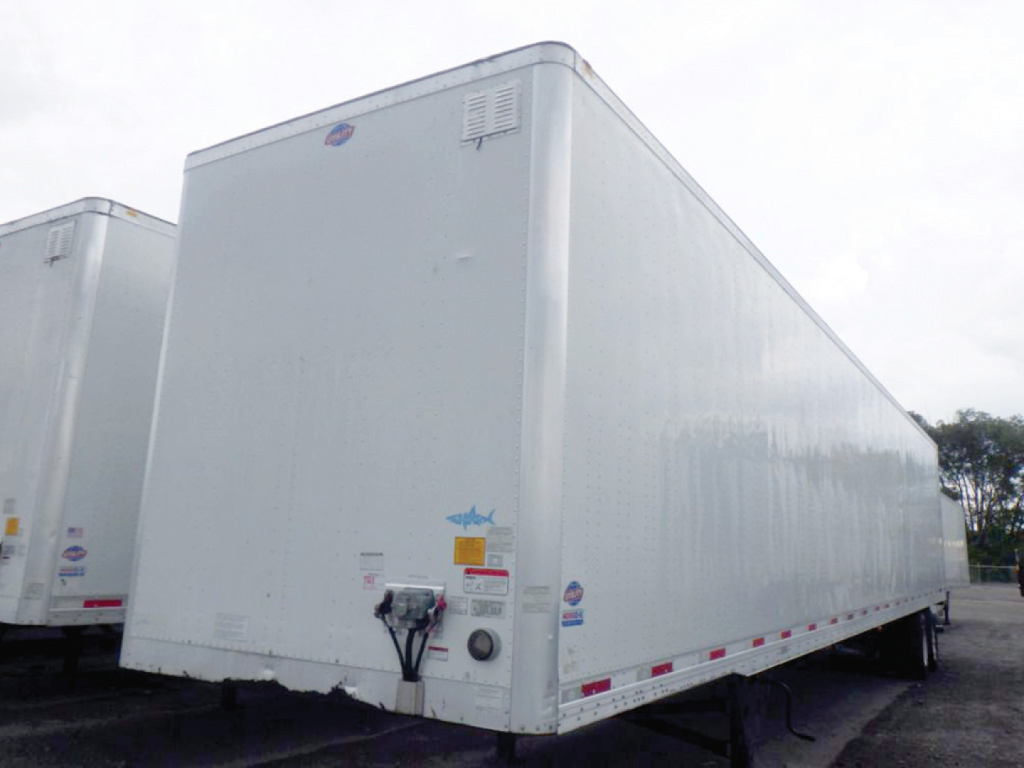
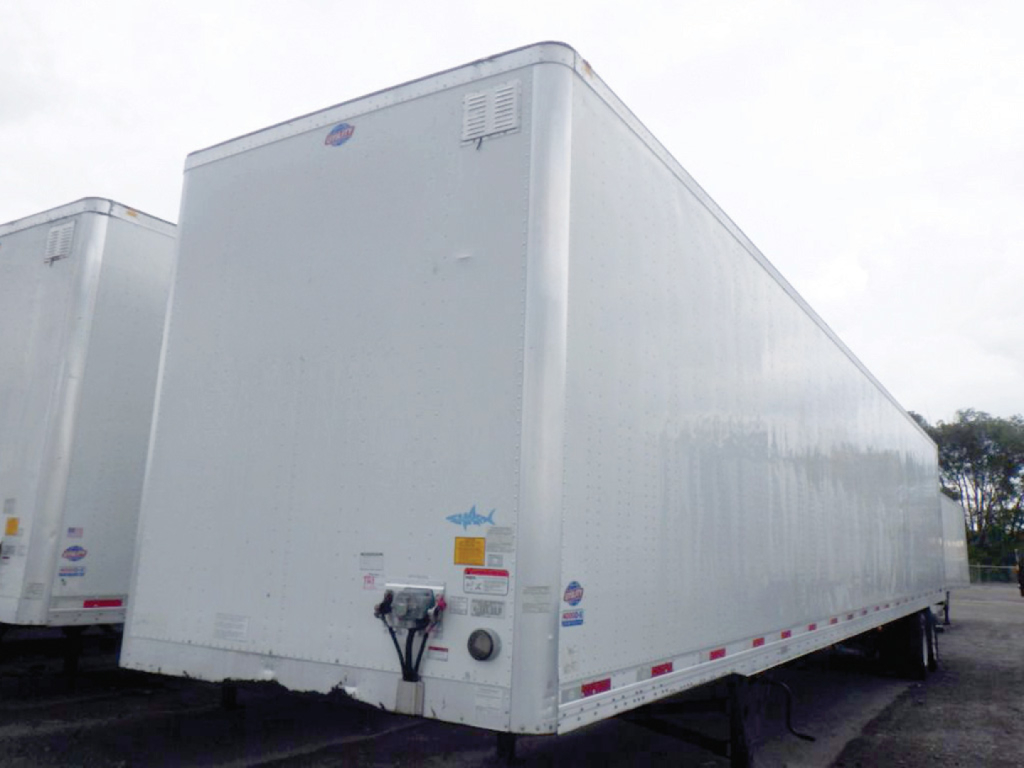
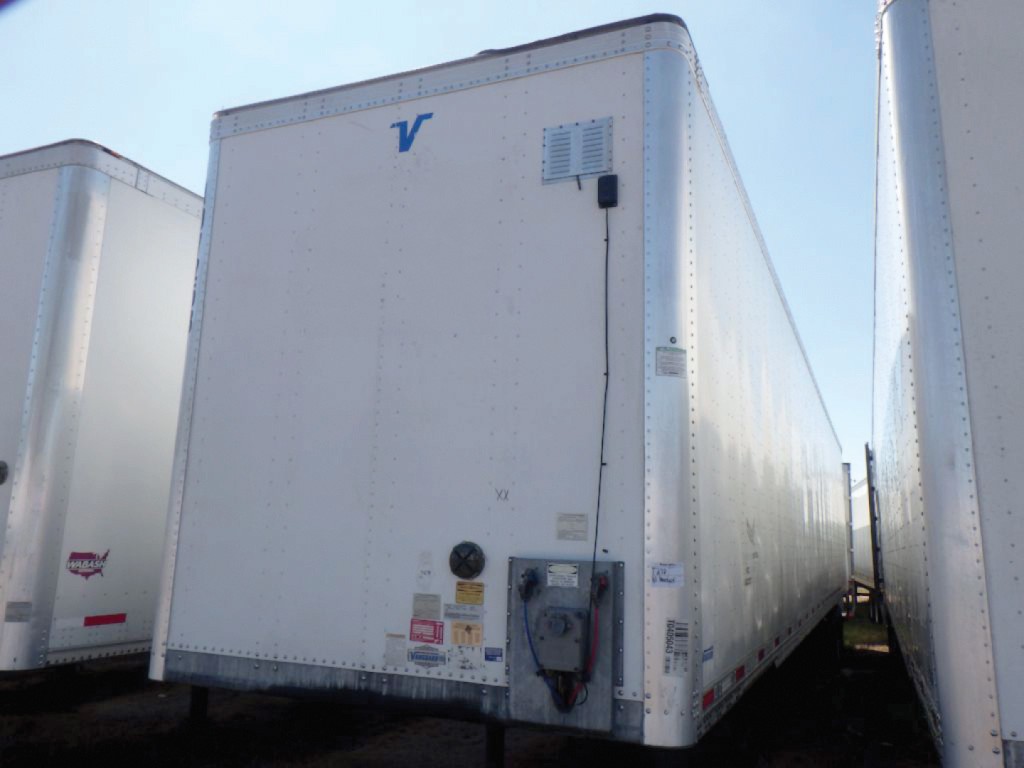
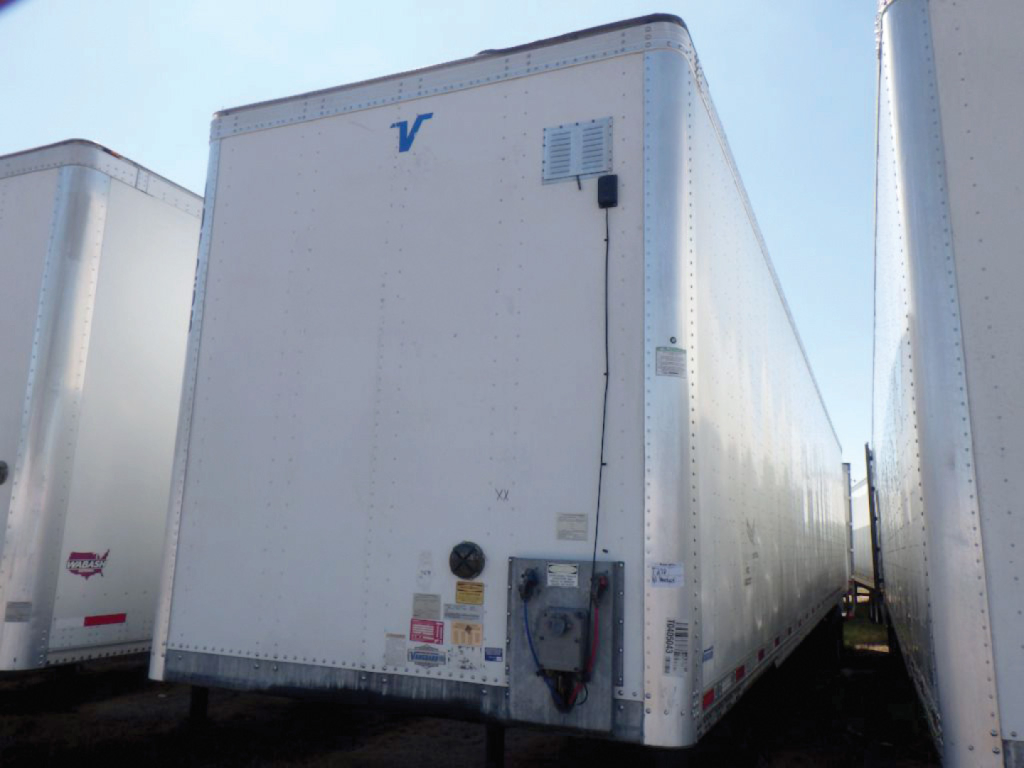
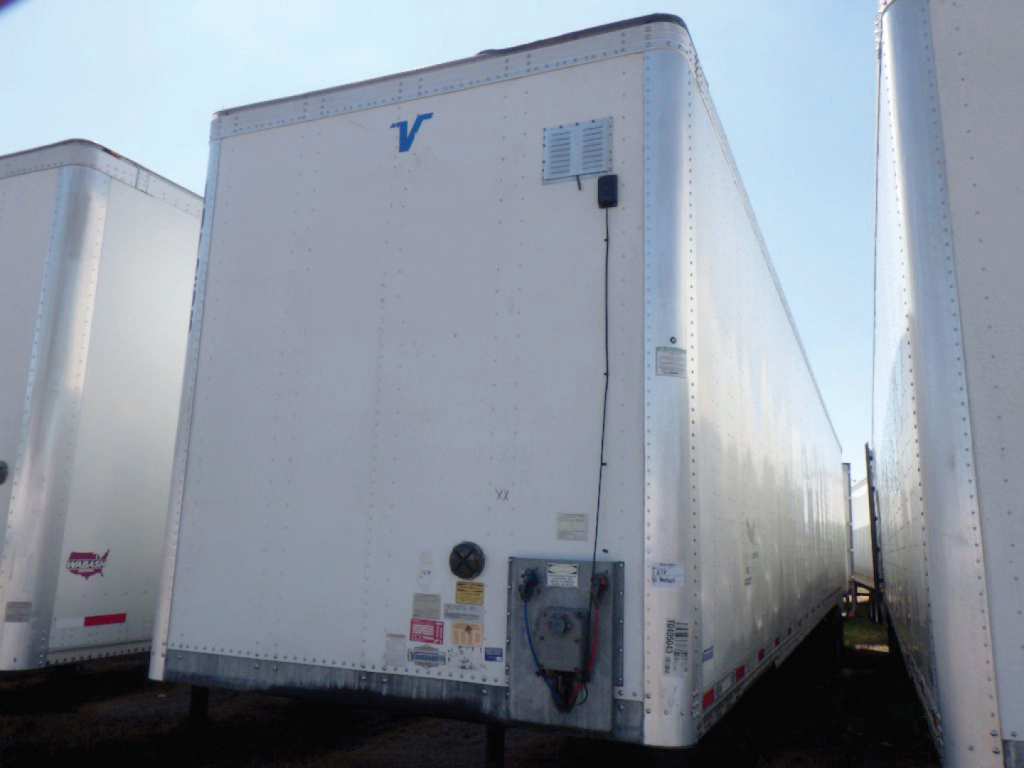
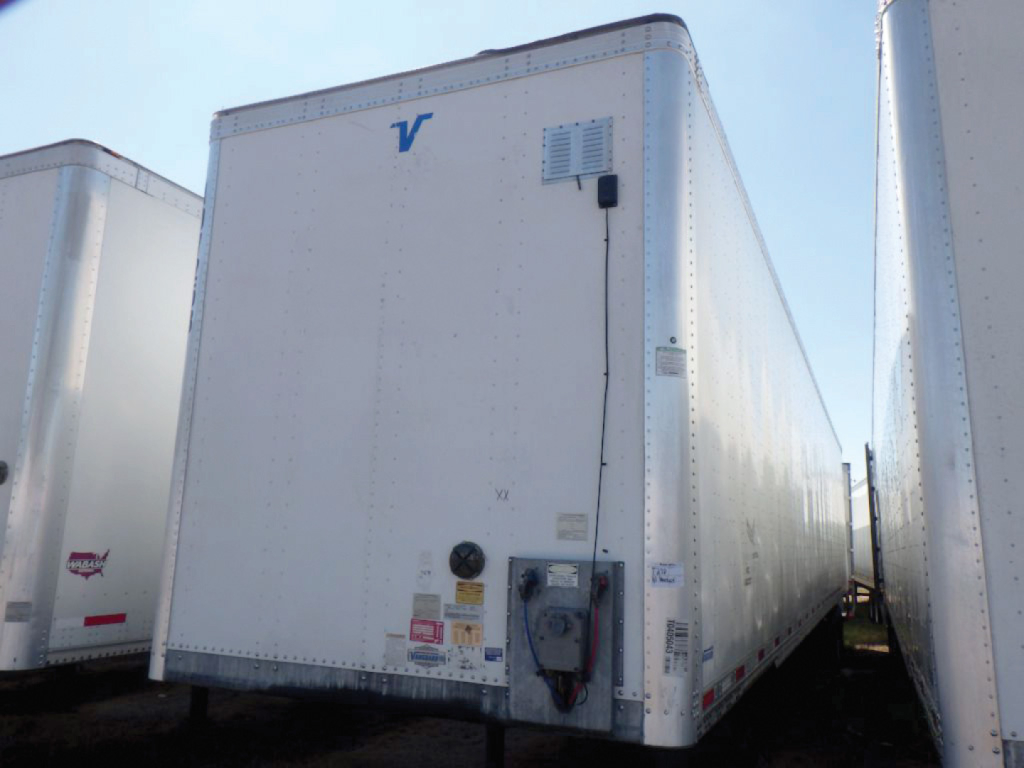
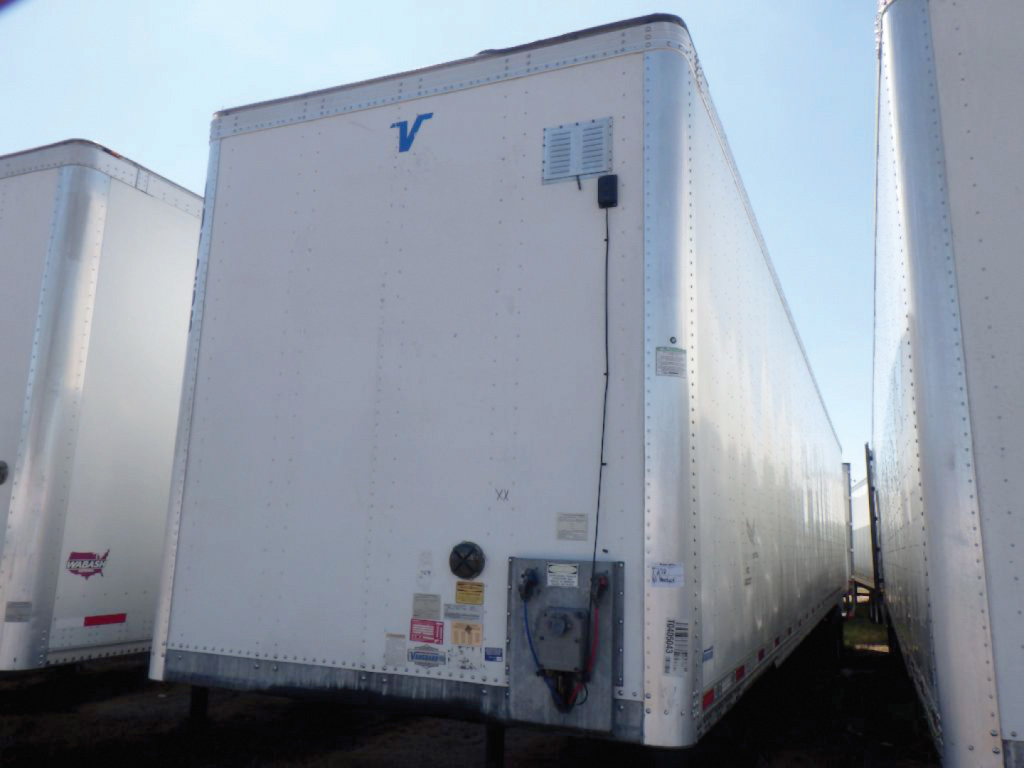
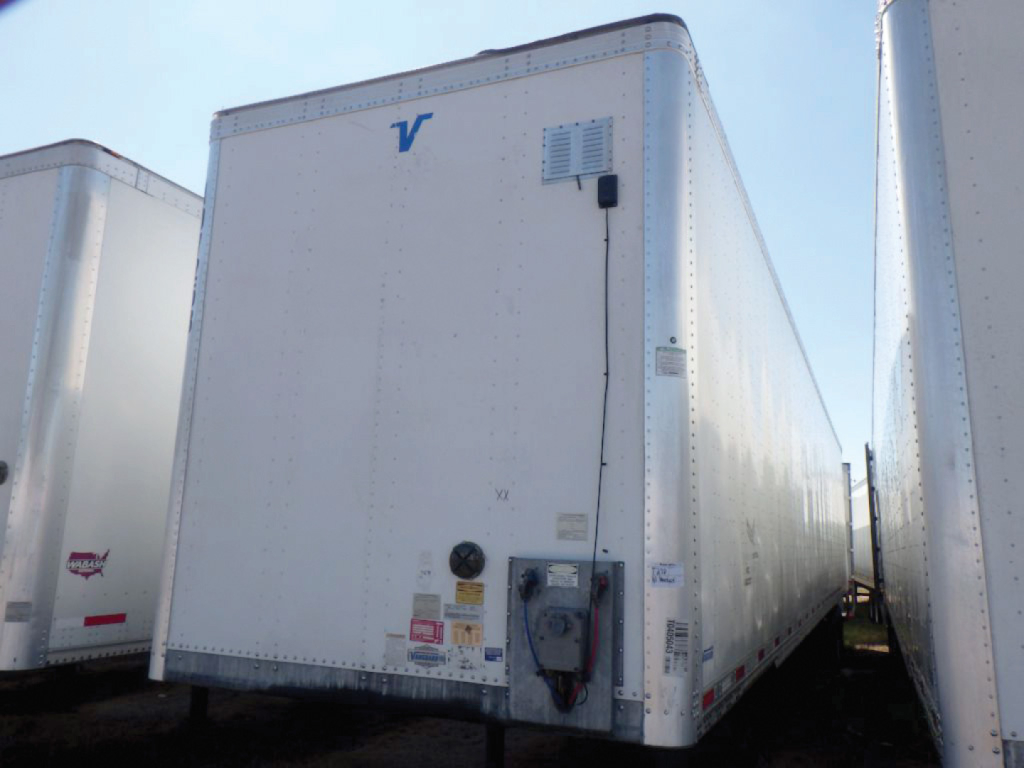
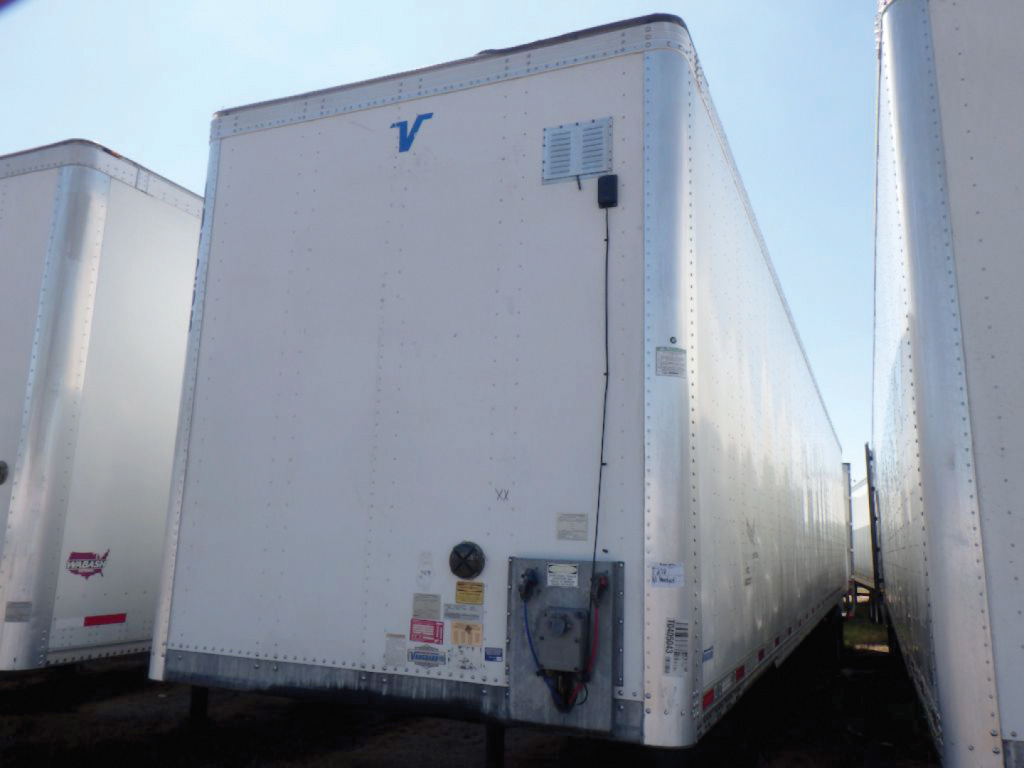
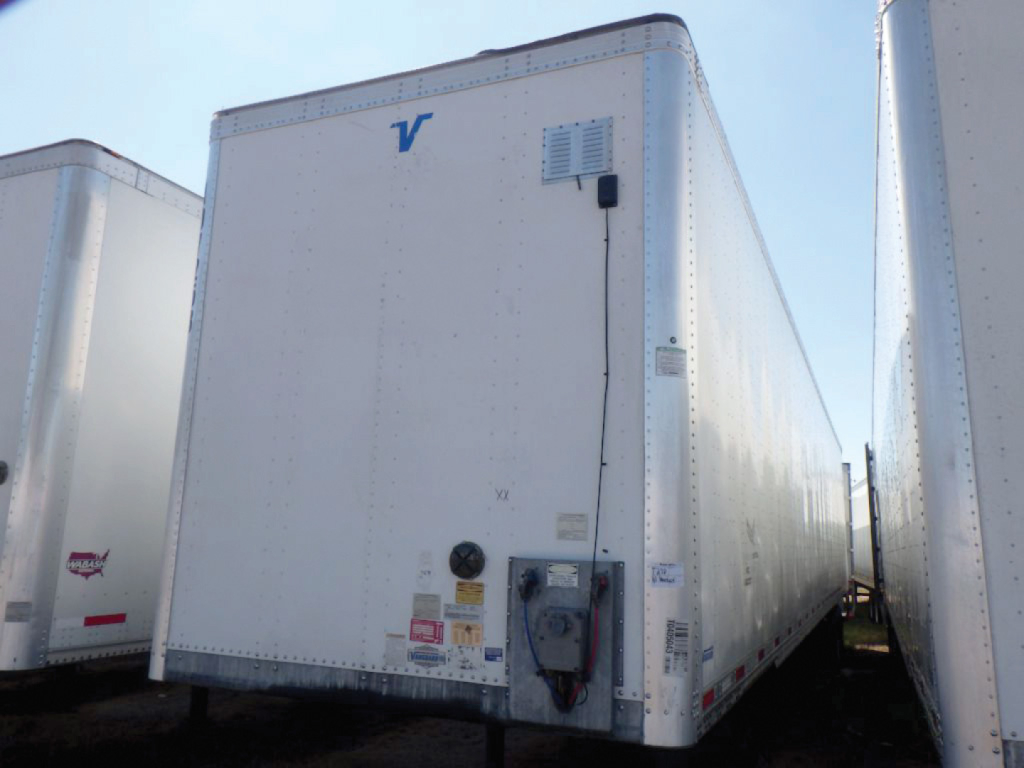
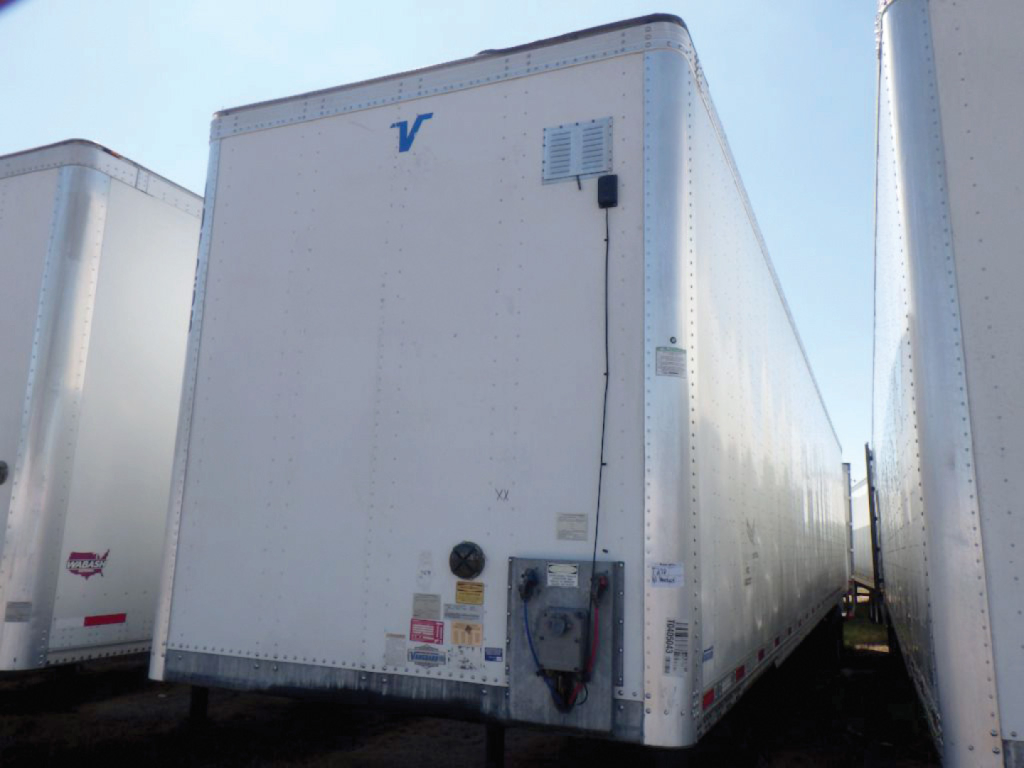
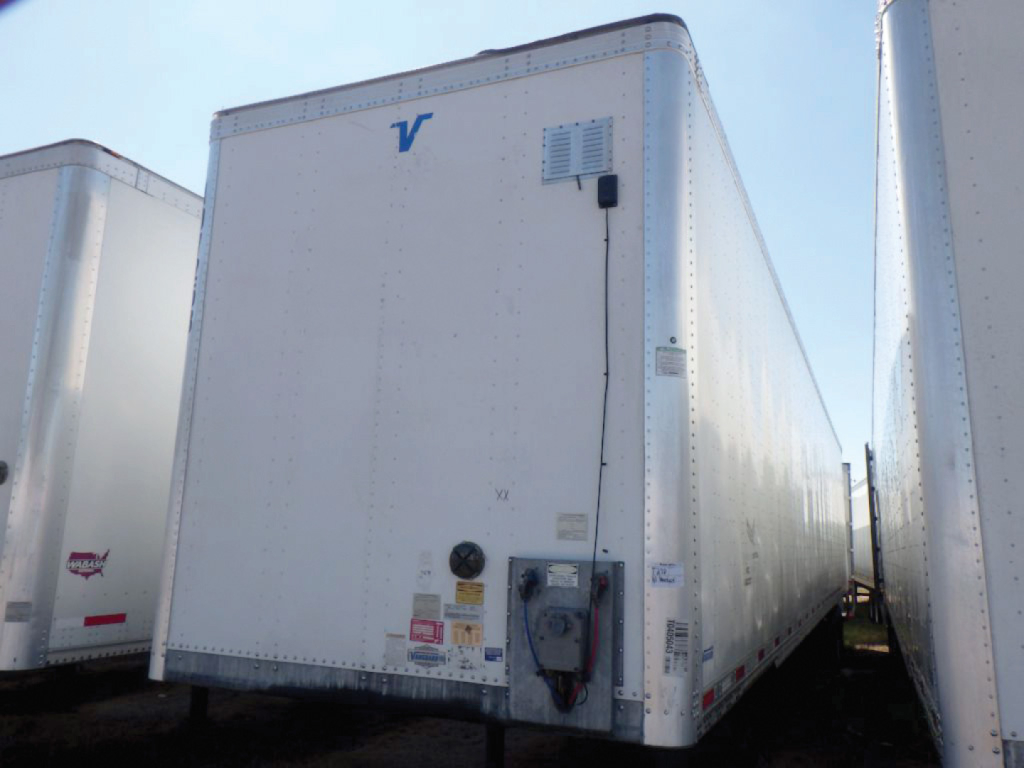
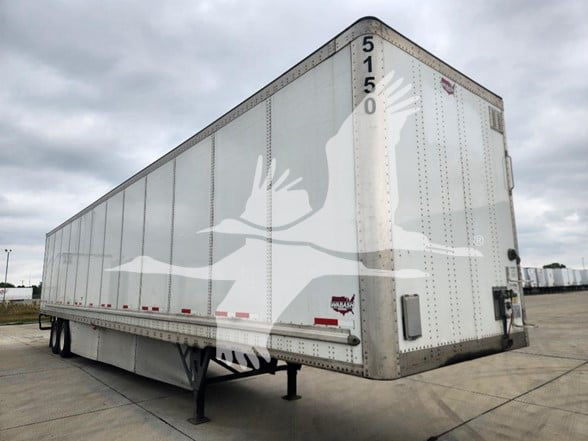

Selling a used 2020 trailer? List your used 2020 trailer for sale and reach thousands of commercial buyers.
Used 2020 Trailers in Illinois
For van trailers, the details that matter most are usually inside the box and underneath the frame. Buyers should look closely at the roof, side panels, crossmembers, rear frame, and floor condition, especially around forklift traffic zones and the threshold plate. Plywood lining, scuff liners, E-track, roll-up doors, and undertray storage can add real day-to-day value depending on the freight. A 2020 dry van may also carry features that reduce operating cost and downtime, such as tire inflation systems, air ride suspension, and disc wheels. Tandem slider operation is another important checkpoint in Illinois because bridge laws, dock approaches, and customer weight distribution needs can all make kingpin setting flexibility important.
If the trailer is a tank, reefer, flatbed, or another specialty type, inspection priorities shift. Tank buyers need to verify barrel condition, lining or insulation where applicable, discharge setup, suspension type, and the trailer's prior product history. Reefer buyers should spend extra time on unit hours, service records, chute condition, and floor wear. Flatbed and drop deck buyers should focus on deck condition, concentrated load areas, winch track integrity, and signs of frame repair. Across all trailer categories, a used 2020 model should be evaluated for brake wear, tire date codes, wheel-end condition, ABS function, lighting, and any signs of corrosion from Midwest road treatment and seasonal exposure.
Illinois buyers also need to think practically about where and how the trailer will run. Regional haul, dedicated shipper lanes, intermodal support, and local distribution all put different demands on trailer length, axle placement, door style, and interior spec. A trailer that looks similar on paper can perform very differently based on tare weight, suspension setup, and how well it matches the freight. The best used 2020 trailer is usually the one with a clean maintenance trail, a spec that fits the lane, and enough remaining service life in the floor, suspension, brakes, and structure to avoid immediate capital spend after purchase.
Frequently Asked Questions about Used 2020 Trailers in Illinois
What should I inspect first on a used 2020 trailer?
Start with the structure and the running gear. Check the frame rails, crossmembers, floor, roof, sidewalls, rear frame, suspension, axles, brakes, and tires before you focus on cosmetic items. On van trailers, floor wear and rear door area damage can tell you a lot about prior use. On any trailer, signs of uneven tire wear, suspension fatigue, corrosion, or poor repair work usually matter more than the model year by itself.
Is a 2020 dry van trailer a good choice for general freight?
Yes, a 2020 dry van is often a very practical choice for general freight because it is modern enough to include common fleet specs such as air ride, sliding tandems, E-track, scuff liners, and tire inflation systems, while still being priced below newer equipment. The key is matching the trailer to the work. A shipper-heavy dock environment may benefit from a roll-up door and durable threshold area, while heavier or denser freight may make tare weight and kingpin setting options more important.
Why does tandem slider position matter on used trailers in Illinois?
Sliding tandem position affects bridge compliance, axle weight distribution, turning behavior, and dock approach flexibility. In Illinois and across the Midwest, buyers often need to balance legal weight distribution with changing freight patterns and shipper requirements. A trailer with a properly functioning slider gives more flexibility for different loads and lane assignments, and that can be a major advantage in multi-stop or irregular-route operations.
Are tire inflation systems worth having on a used 2020 trailer?
In many operations, yes. A trailer tire inflation system can help maintain more consistent tire pressure, reduce irregular wear, improve casing life, and cut roadside downtime tied to underinflation. It is not a substitute for inspection and preventive maintenance, but it can be a useful feature on a used 2020 trailer that sees high annual miles or operates in time-sensitive freight.
How do I choose between trailer types in the same 2020 model year?
Choose by freight and operating conditions, not just by age. A 2020 van trailer suits palletized dry freight, a reefer fits temperature-controlled cargo, a tank trailer is built around liquid or bulk product handling, and a flatbed supports freight that loads from the side or top. Once the trailer type matches the job, compare build material, suspension, axle setup, interior or cargo control features, tare weight, and service history to decide which unit is the better long-term fit.