
Used 2019 Trailers For Sale in Iowa
Browse used 2019 trailers for sale in Iowa, including dry vans, reefers, and storage trailers with specs that matter to fleet buyers.
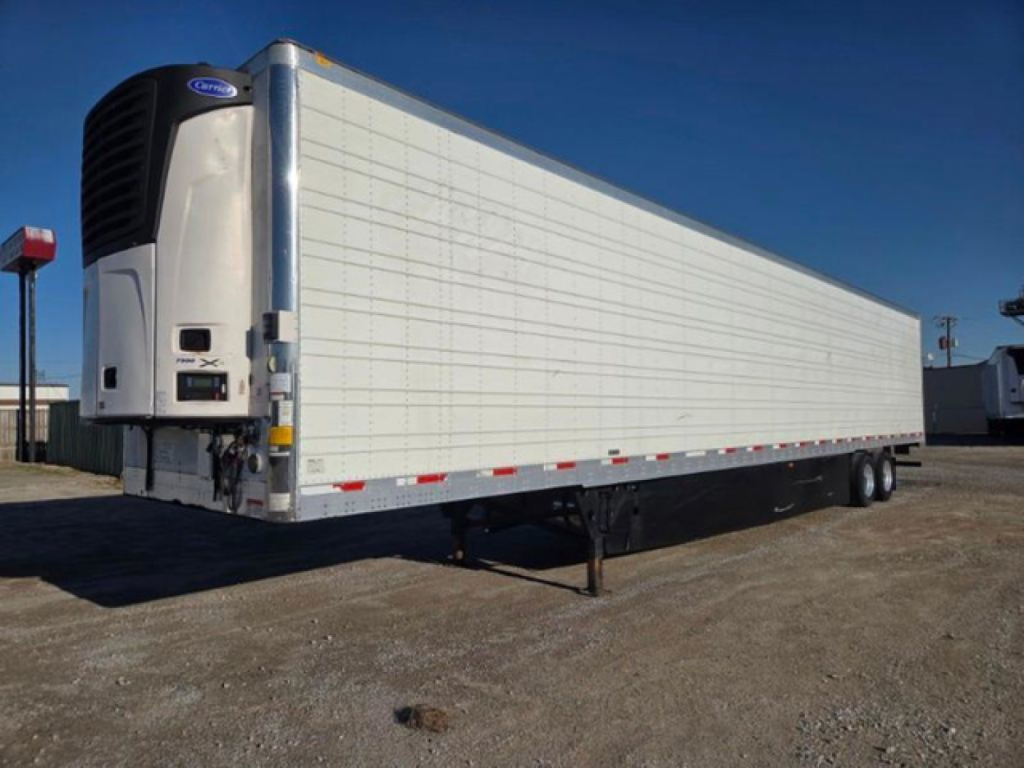
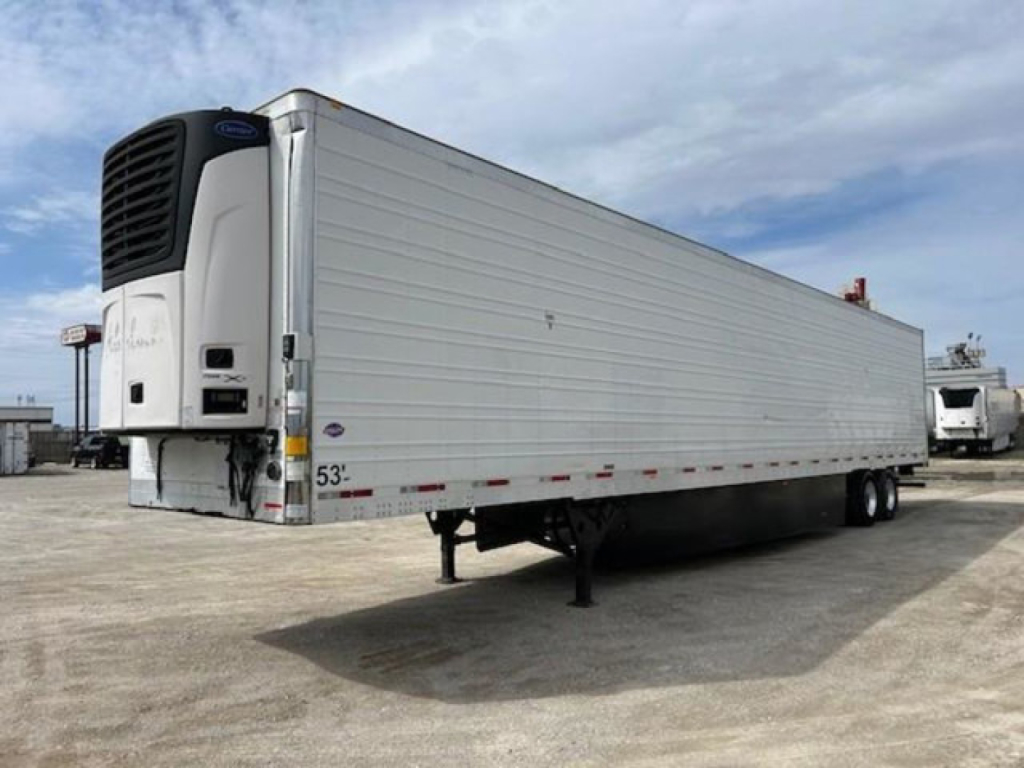
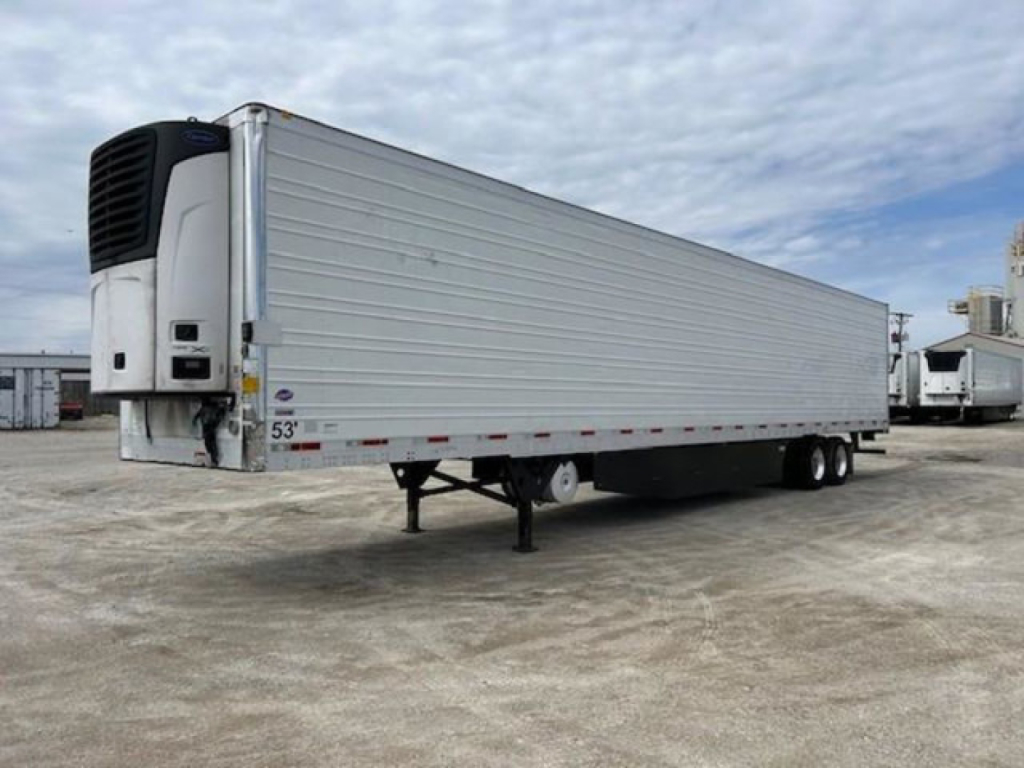

Have used 2019 trailer to sell? List it here to reach thousands of buyers.
Used 2019 Trailers in Iowa
For dry vans, pay close attention to suspension type, roof condition, sidewall repairs, floor rating, rear frame condition, and door operation. A 2019 dry van may be used in general freight, retail, palletized goods, and drop-and-hook lanes, so dock abuse and forklift wear tell you a lot about remaining life. Check crossmember spacing, threshold condition, logistics posts, scuff liner height, and the state of the rear impact guard. Tire age, brake lining depth, wheel-end condition, and slider rail wear can change the real acquisition cost fast, even when the trailer presents well in photos.
For refrigerated trailers, or reefers, buyers should separate true road-ready units from storage trailers or trailers with no unit installed. A 2019 reefer should be evaluated on box integrity first, then refrigeration performance, hours, unit service records, evaporator condition, and door seal condition. Interior lining damage, floor grooves, and air chute condition affect temperature management as much as the unit itself. If the trailer will run food-grade freight, look for clean interiors, consistent insulation performance, and signs of proper washout and PM history.
A used 2019 trailer in Iowa should also be matched to the work, not just the price. Regional operations may prioritize easy dock handling, low maintenance specs, and durable interiors, while long-haul fleets may care more about tare weight, aerodynamic package, tire inflation systems, and trailer tracking compatibility. Buyers comparing listings should verify VIN history, title status, ABS function, lighting, kingpin area condition, tandem slide travel, and any evidence of floor patching or accident repair. A well-kept 2019 trailer can still offer years of productive service if the core structure, running gear, and cargo area are in the right condition.
Frequently Asked Questions about Used 2019 Trailers in Iowa
What should I inspect first on a used 2019 trailer?
Start with the structure and running gear. Check the frame, crossmembers, floor, roof, rear frame, suspension, axles, brakes, tires, and wheel ends before focusing on cosmetic items. Then inspect the cargo area for wall damage, liner wear, door seal condition, and signs of water intrusion. On a used trailer, deferred maintenance in these areas usually costs more than replacing lights, mudflaps, or minor hardware.
Is a 2019 trailer a good age for fleet use?
Yes, a 2019 trailer often sits in a practical middle ground for commercial buyers. It is typically new enough to have modern specs and good parts availability, but old enough to come at a lower acquisition cost than late-model equipment. The real value depends on maintenance history, prior application, and how much remaining life is left in tires, brakes, floor, suspension components, and major structural sections.
What is the difference between a reefer trailer and a storage reefer?
A road reefer is set up for active temperature-controlled freight and should have a working refrigeration unit, sound insulation, and a clean, sealed interior. A storage reefer may look similar but can be missing the unit or may not be suitable for highway service without significant repairs. Buyers should confirm unit operation, reefer hours, service records, DOT roadworthiness, and the condition of the insulated box before assuming a refrigerated trailer is ready for transport work.
Which specs matter most on a used dry van trailer?
The most important dry van specs usually include overall length, suspension type, door style, roof material, floor rating, interior liner type, tandem slider configuration, and tire and brake condition. For many buyers, air ride suspension, a solid floor, and properly functioning roll-up or swing doors are high-priority items. Trailer weight, repair history, and evidence of repeated dock impact also matter because they affect uptime and operating cost.
Are Iowa buyers better off with dry vans or reefers?
That depends on freight mix and lane structure. Dry vans are generally the simpler and lower-maintenance option for general freight, retail, and packaged goods. Reefers are more specialized and support higher-value temperature-controlled freight, but they add unit maintenance, fuel use, and more inspection points. In Iowa, both trailer types are common, so the best choice comes down to commodity requirements, service area, and how much maintenance complexity your operation is set up to handle.