
Used 2017 Trailers For Sale in Illinois
Shop used 2017 trailers for sale in Illinois, including common trailer types, specs, applications, and features buyers should compare.

Selling a used 2017 trailer? List your used 2017 trailer for sale and reach thousands of commercial buyers.
Used 2017 Trailers in Illinois
For van trailers, also known as dry vans or enclosed freight trailers, buyers usually focus on length, interior width, roof type, floor condition, suspension, and door configuration. Common specs include 53-foot by 102-inch dimensions, swing or roll-up doors, wood floors, scuff liners, and sliding tandems. In regional and warehouse-heavy freight lanes around Illinois, swing doors, threshold condition, crossmember integrity, and dock impact wear deserve a close look. If the trailer will run long highway miles, features such as side skirts, low rolling resistance tires, and automatic tire inflation systems can help control operating cost and downtime.
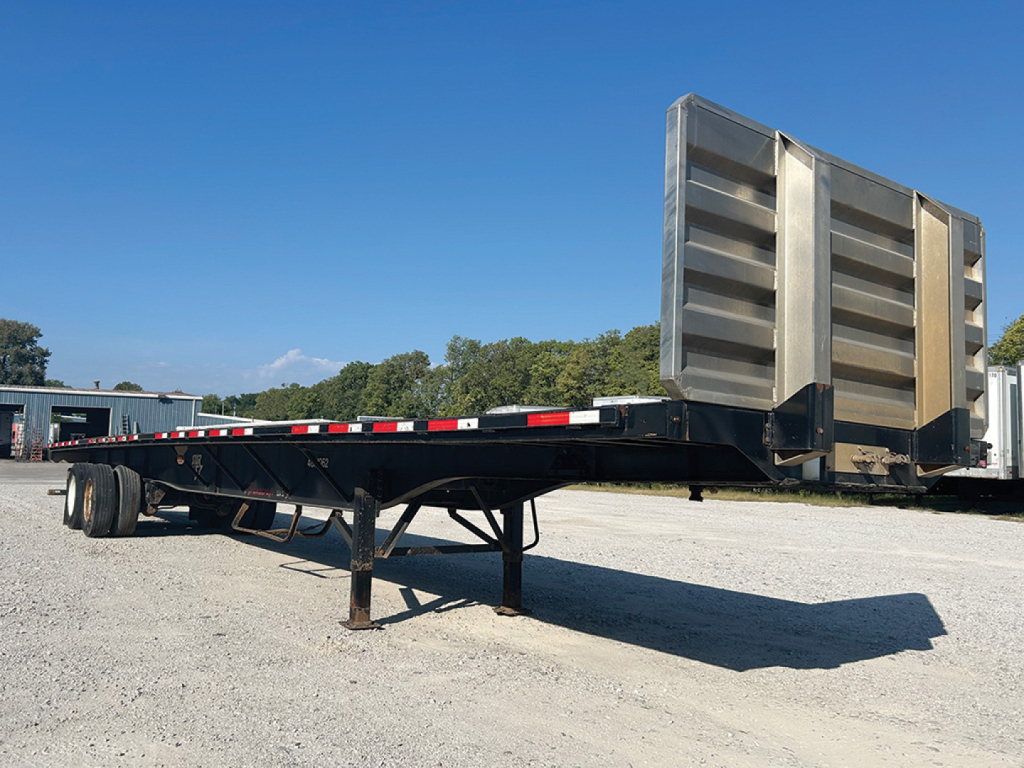
If the 2017 trailer is intended for specialized work, the inspection points shift fast. Flatbeds and open-deck trailers need careful review of deck condition, winch track wear, frame straightness, and suspension components. Refrigerated trailers should be evaluated on both the box and the reefer unit, including hours, service records, insulation performance, door seals, and floor condition. Specialty trailers such as car carriers, liftgate-equipped vans, or scrap and crush carriers require extra attention to hydraulics, lift mechanisms, wiring, and any PTO or power-pack systems. Illinois weather makes rust, rear frame corrosion, brake component wear, and electrical reliability especially important on any used trailer.
A smart 2017 trailer purchase comes down to usable remaining life, not just purchase price. Check brake type, tire size, wheel condition, tandem slide operation, kingpin and apron wear, roof repairs, and signs of previous structural damage. Buyers running interstate freight should also confirm axle ratings, empty weight, and any state or customer-specific requirements that affect payload or loading practices. A clean 2017 trailer with documented maintenance, sound structure, and the right configuration can still deliver years of dependable service in dry freight, regional distribution, dedicated contract work, or specialized hauling.
Frequently Asked Questions about Used 2017 Trailers in Illinois
What should I inspect first on a used 2017 trailer?
Start with the structural items that are expensive to correct. Inspect the frame, crossmembers, kingpin area, landing gear mounts, tandem suspension, brake system, and roof or upper rail condition. On van trailers, check the floor for forklift damage, soft spots, patches, and threshold wear. On any trailer, look closely for rust, cracked welds, uneven tire wear, brake drag, and signs of misalignment. A 2017 trailer can still be a solid unit, but condition depends heavily on maintenance and how it was loaded and routed.
Are 2017 trailers old enough to have modern fleet features?
Yes. Many 2017 trailers were built with features that remain desirable today, including LED lights, air ride suspension, logistics posts, aerodynamic side skirts, disc or drum brake options, and automatic tire inflation systems. In dry vans and reefers, it is common to see 53-foot trailers with 102-inch width, swing doors, and sliding tandems. The exact spec depends on the original fleet order, so buyers should compare equipment carefully instead of assuming all 2017 trailers are equipped the same way.
Is a used 2017 trailer a good fit for Illinois freight operations?
A used 2017 trailer can fit Illinois operations very well if the spec matches the work. Regional distribution, warehouse loading, manufacturing freight, and linehaul service all put different demands on the trailer. Illinois buyers should pay extra attention to corrosion, lighting reliability, brake condition, and suspension wear because weather, road treatment, and year-round use can accelerate deterioration. Door seals, flooring, and tandem slide function are especially important on trailers that have spent time in heavy dock service.
How do I choose between different 2017 trailer types?
Choose based on freight first, then on operating cost and loading environment. Dry vans are built for enclosed general freight and high-volume dock work. Refrigerated trailers are needed for temperature-sensitive loads but add complexity through the reefer unit and insulated body. Flatbeds and other open-deck trailers suit machinery, building materials, and freight that can be loaded from the side or top. Specialty trailers such as car carriers or liftgate vans should only be considered when their equipment matches the job, because repair costs on hydraulic and specialty systems can be significant.
What specs matter most when comparing used 2017 trailers for sale?
The most important specs are trailer type, length, width, height, axle configuration, suspension type, door style, floor construction, and tare weight. Buyers should also compare tire size, wheel type, brake setup, logistics or securement equipment, and any added systems such as side skirts, tire inflation, liftgates, or hydraulic components. For practical ownership cost, service history and structural condition usually matter more than cosmetic appearance. A lower-priced trailer can become the more expensive option if it needs floor work, brake repairs, or major frame correction soon after purchase.