
Used 2016 Trailers For Sale in Nebraska
Browse used 2016 trailers for sale in Nebraska, including dry vans, reefers, and other commercial trailer types suited for regional and long-haul work.

Selling a used 2016 trailer? List your used 2016 trailer for sale and reach thousands of commercial buyers.
Used 2016 Trailers in Nebraska
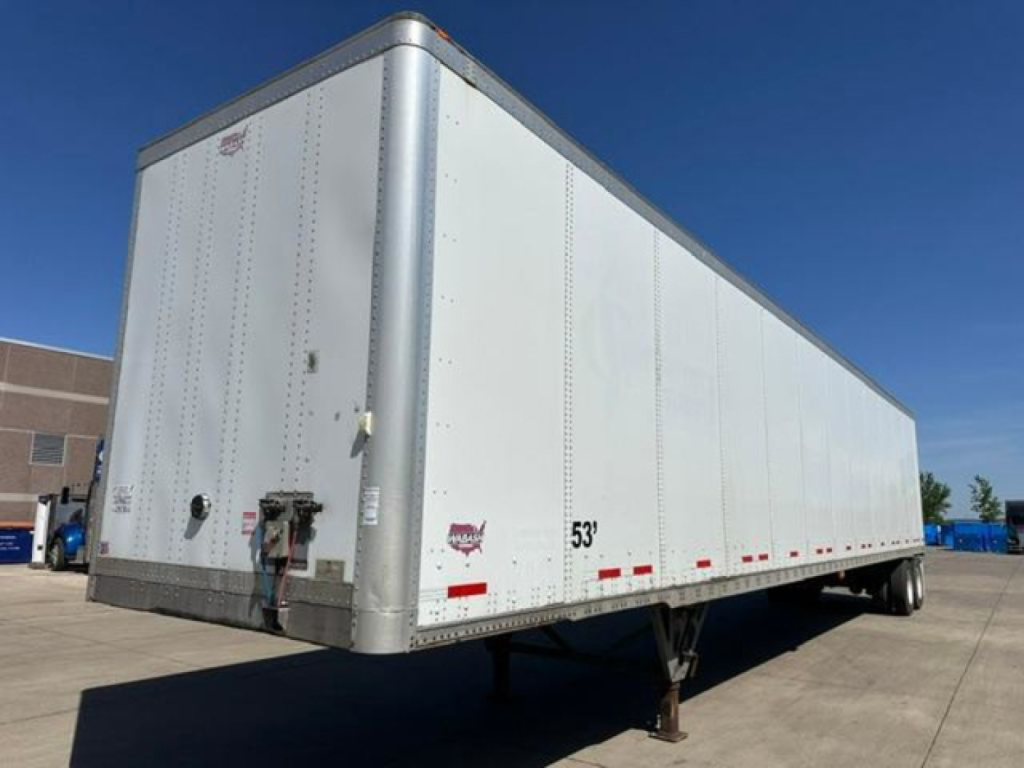
For dry vans, common specs in this age range include 53-foot length, air ride suspension, swing or roll-up doors, and interior lining options such as plywood, plastic, or metal. Plastic and composite linings can be easier to keep clean, while plywood can be more forgiving in general freight service. Buyers should pay close attention to roof material, sidewall repairs, floor wear, rear frame condition, and whether the trailer has features like tire inflation systems, logistics posts, duct floors, or scuff liners. If the trailer will spend time at food-grade or retail docks, door seal condition, floor flatness, and interior cleanliness become especially important.
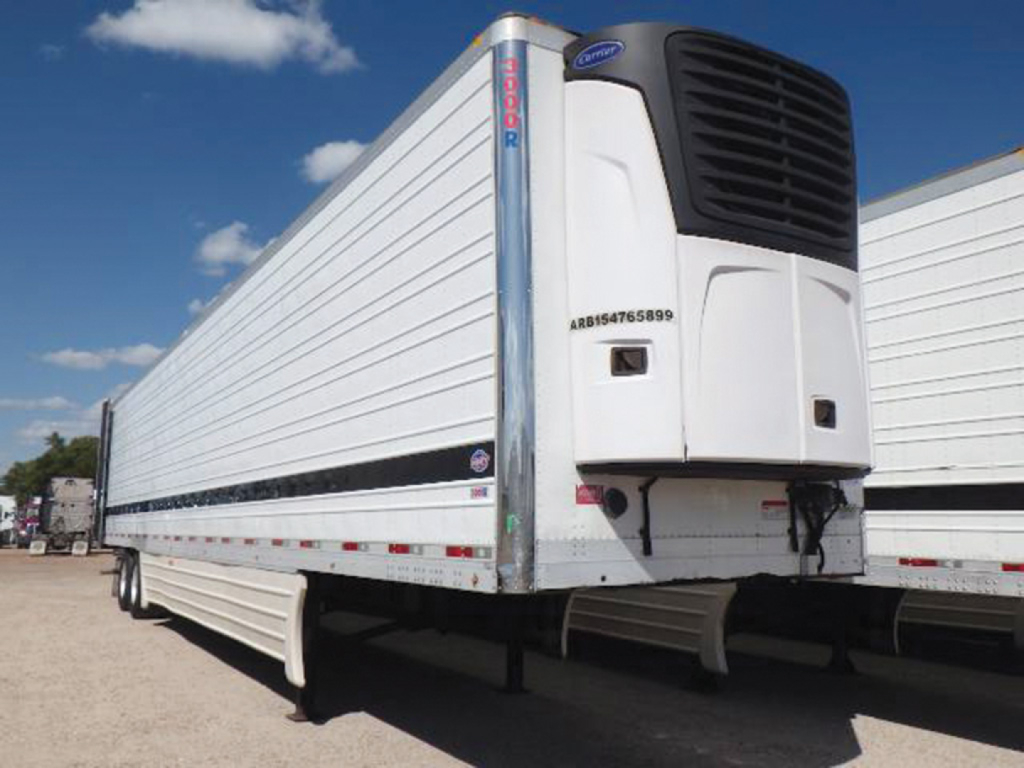
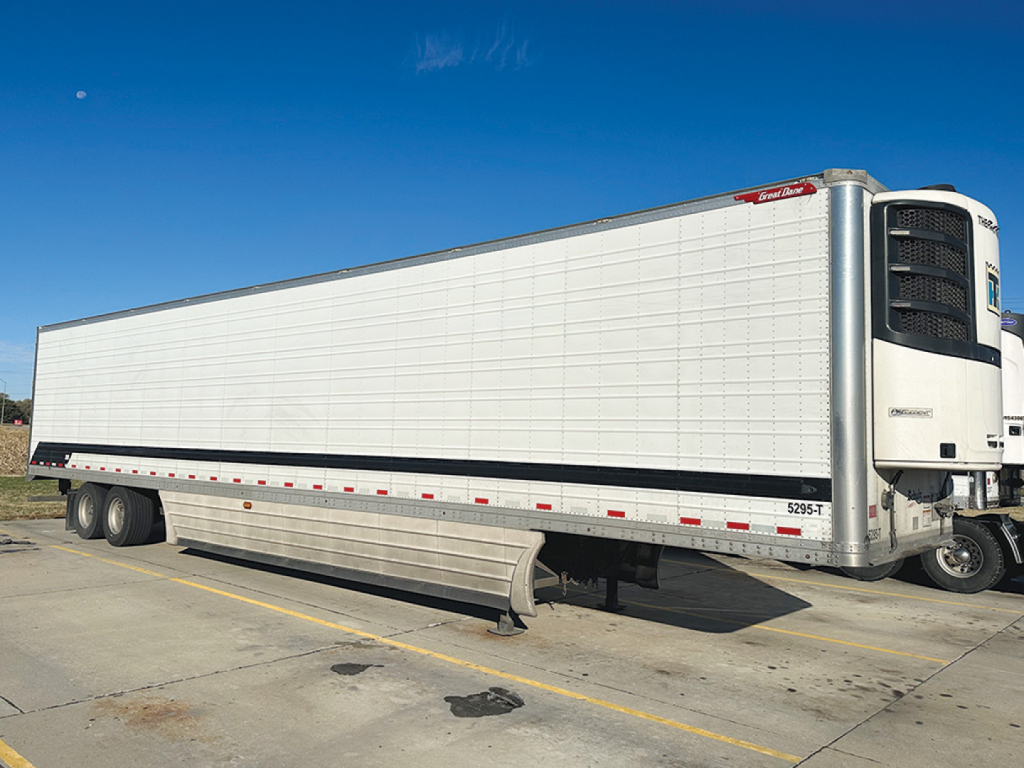
If the category includes refrigerated trailers, a 2016 reefer should be evaluated as both a trailer and a refrigeration asset. Unit make, model, engine hours, service records, and evaporator condition matter as much as the box itself. Insulation integrity, lining condition, drain function, and door closure all affect temperature control. Nebraska operators moving produce, frozen freight, dairy, or temperature-sensitive distribution freight should also verify fuel tank condition, unit start history, and whether the reefer is set up for multi-temp or standard single-temp operation.
On any used 2016 trailer, the smartest comparison points are axle configuration, suspension type, wheel-end condition, brake spec, and the amount of remaining life in consumables. Look at tire date codes, uneven wear patterns, bushing play, crossmember repairs, and signs of corrosion around the rear sill and slider area. A well-kept 2016 trailer can still deliver solid service life in regional or over-the-road work, but the best buy is usually the one with the clearest maintenance history, the fewest structural compromises, and specs that match the freight instead of forcing a trailer into the wrong application.
Frequently Asked Questions about Used 2016 Trailers in Nebraska
What should I inspect first on a used 2016 trailer?
Start with the structure and running gear. Check the frame, crossmembers, floor, roof, sidewalls, rear frame, suspension, brakes, and tires before focusing on cosmetic items. On a 2016 trailer, repair history and wear patterns tell you more than appearance alone. Uneven tire wear, cracked bushings, floor soft spots, roof patches, and corrosion around the slider or rear sill can point to future expense.
Is a 2016 trailer still a good choice for commercial freight?
Yes, a 2016 trailer can still be a productive commercial trailer if it has been maintained properly and the specifications fit the intended work. Many 2016 units remain viable for dry freight, regional distribution, agricultural support, and some refrigerated applications. The key is remaining component life. Buyers should evaluate brakes, tires, suspension parts, wheel ends, floor condition, and maintenance documentation to estimate near-term operating costs.
What trailer features matter most for Nebraska operations?
Nebraska buyers often benefit from practical durability features more than appearance upgrades. Air ride suspension, a sound roof, clean interior lining, solid rear door hardware, and healthy tires are important for mixed highway and regional use. For dry vans, interior liner choice and floor condition matter for dock freight and pallet traffic. For reefers, insulation performance, door seals, and refrigeration unit service history are critical because temperature control issues can quickly turn into claim exposure.
How do I compare used 2016 dry vans versus refrigerated trailers?
A dry van is generally simpler and less expensive to own because there is no refrigeration unit to maintain. It fits general freight, retail, packaged goods, and many warehouse lanes. A reefer trailer adds cargo flexibility for temperature-sensitive freight, but it also adds unit hours, fuel system maintenance, and more inspection points. When comparing the two, buyers should match the trailer to the freight first, then calculate maintenance exposure over the next 12 to 24 months.
What maintenance records are most helpful when buying a used 2016 trailer?
The most useful records are brake work, tire replacement history, wheel-end service, suspension repairs, PM inspection intervals, and any structural or floor repairs. For refrigerated trailers, add refrigeration unit service, unit hours, alarm history, and major component replacement records. Consistent documentation helps confirm that the trailer was operated in a managed maintenance program rather than repaired only when problems became visible.