
Used 2015 Trailers For Sale in Colorado
Shop used 2015 trailers in Colorado, including dry vans, flatbeds, and other commercial trailer types with specs that fit regional freight needs.
Learn more
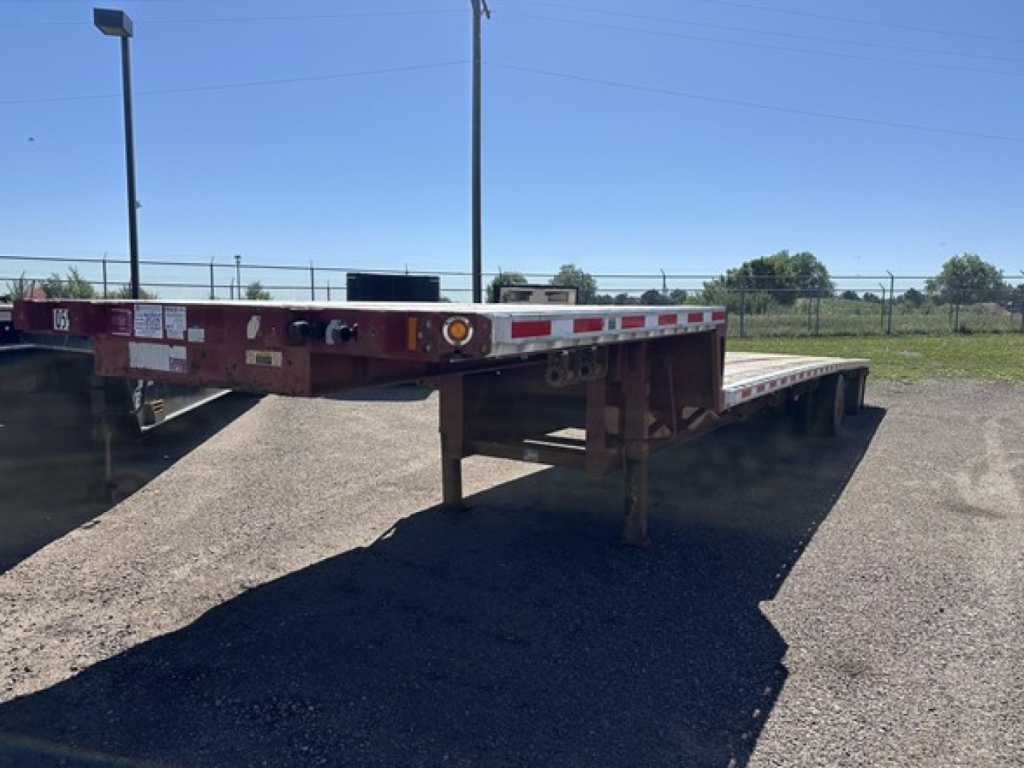
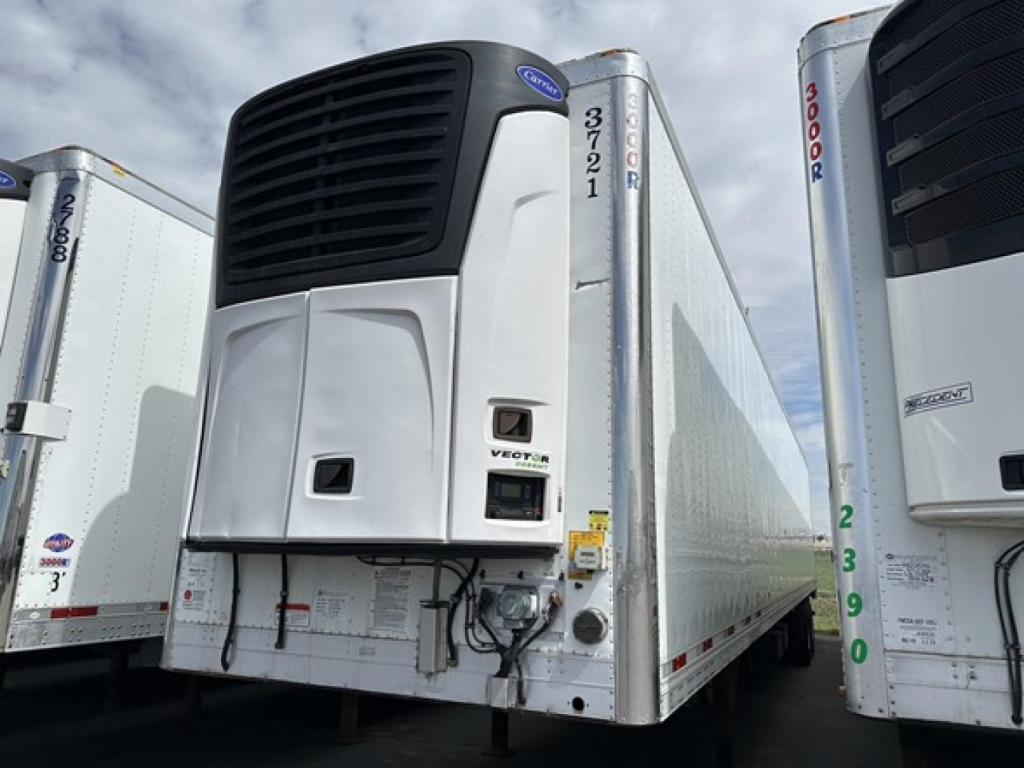
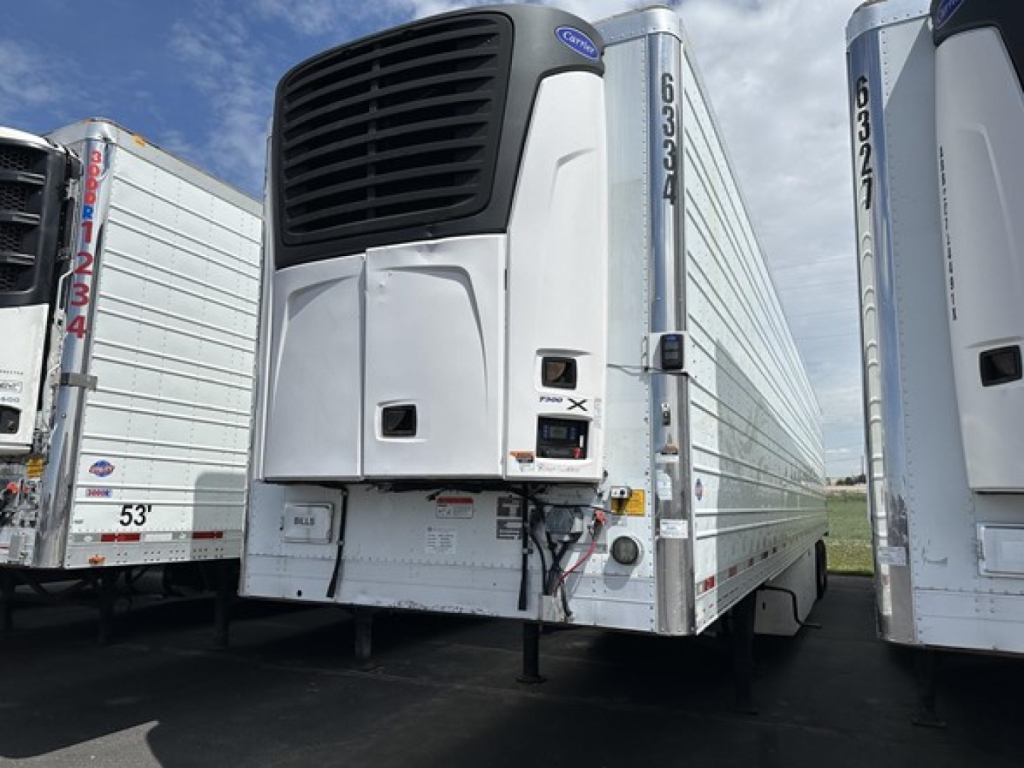
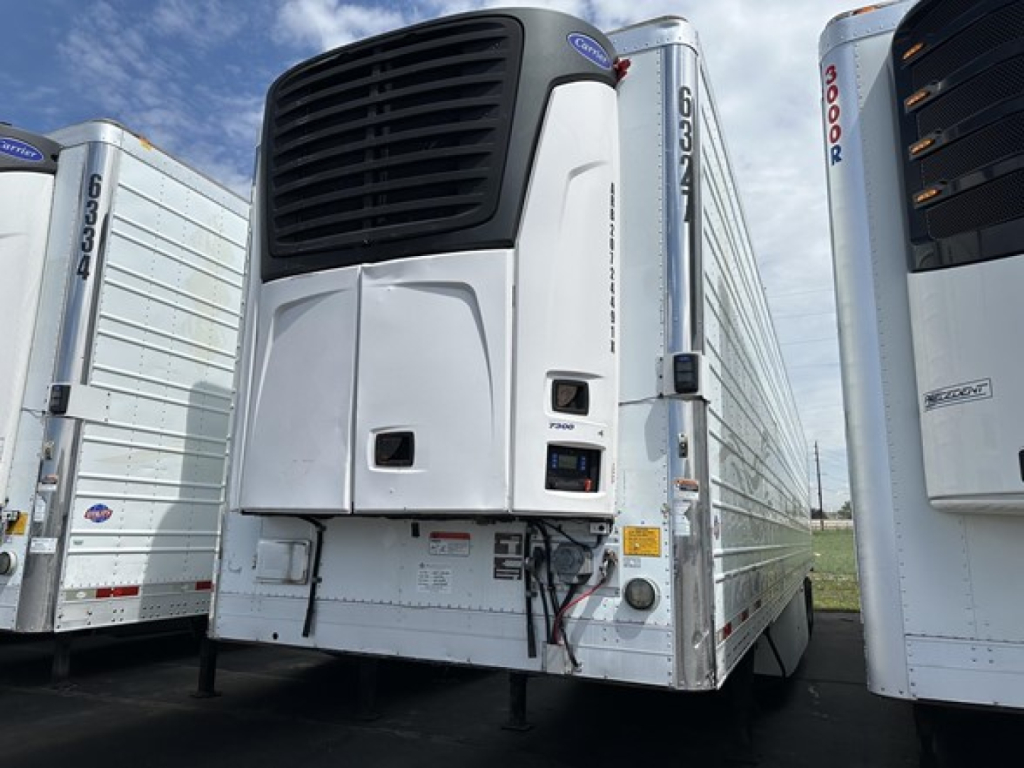
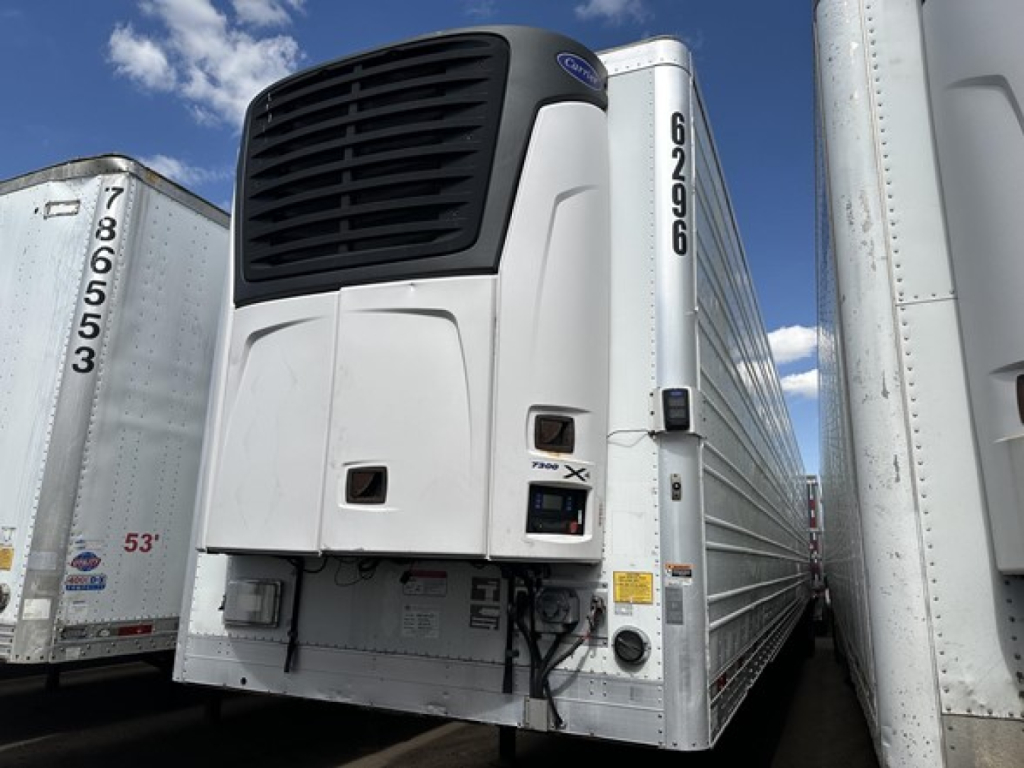
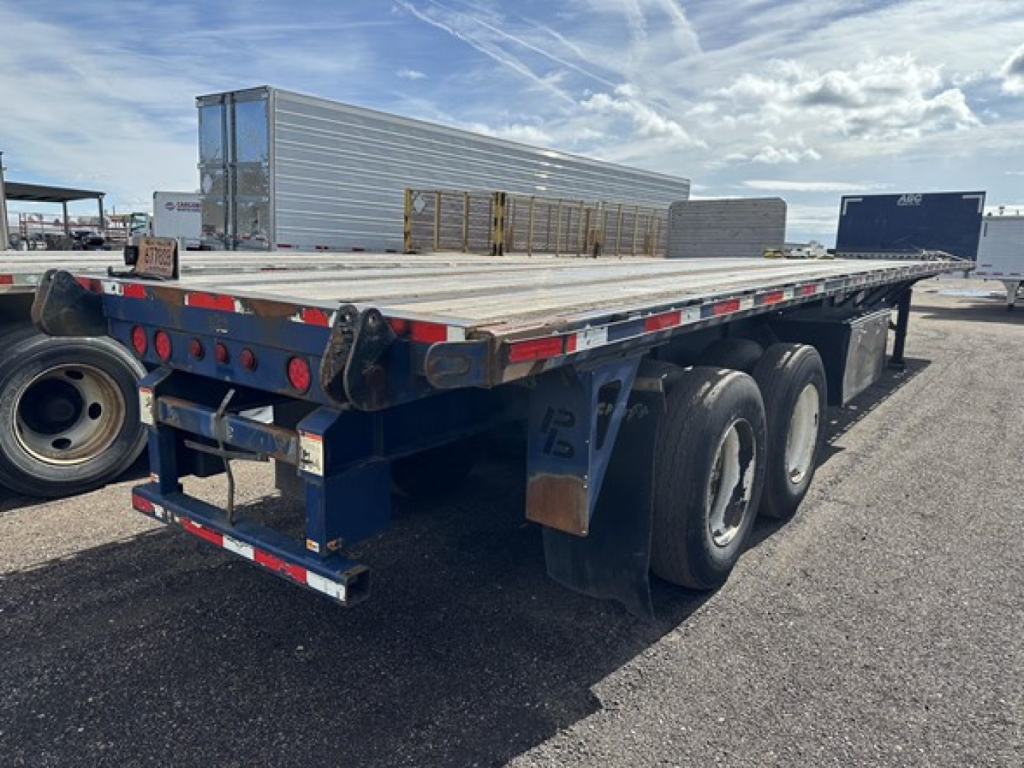
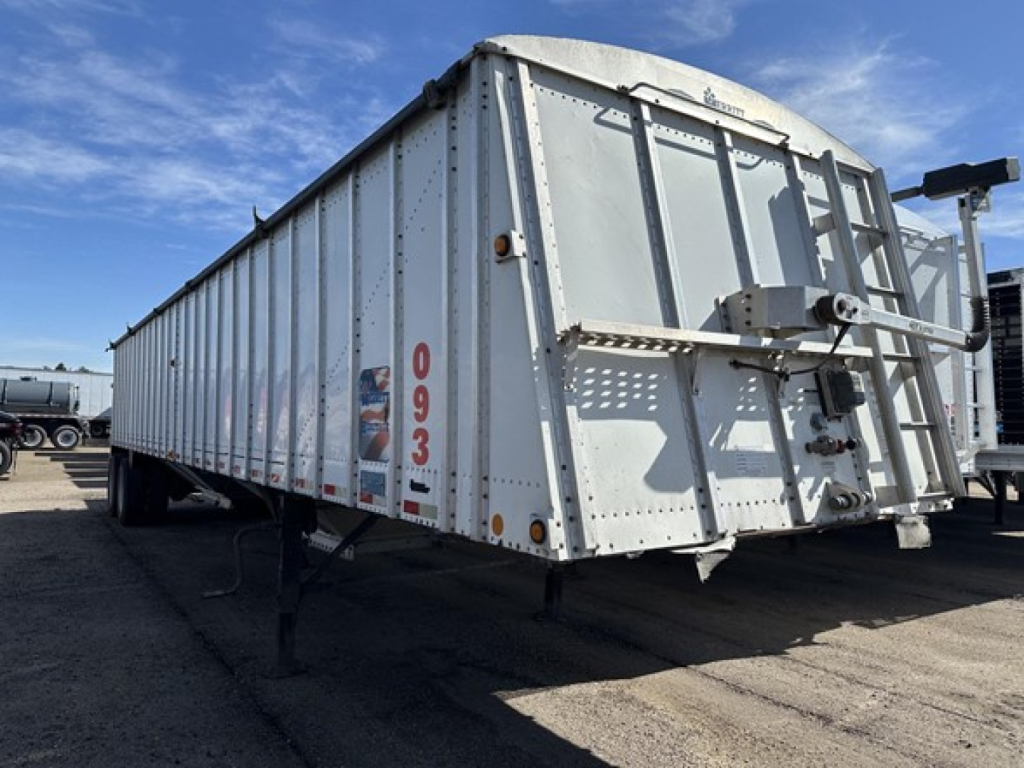
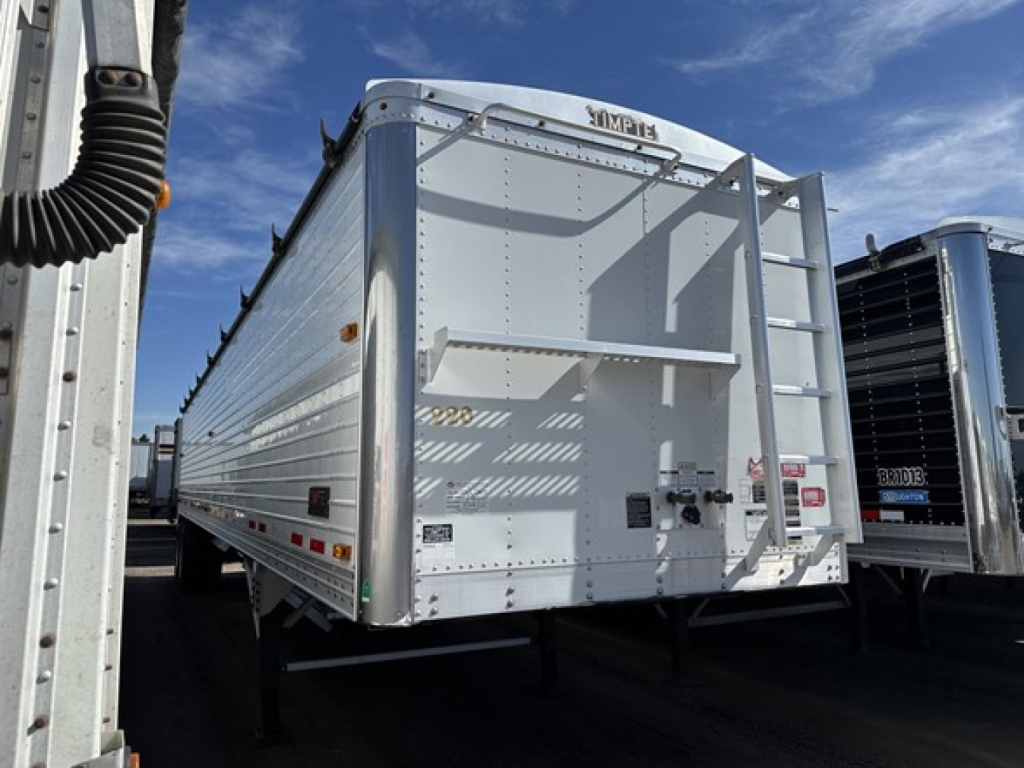
Showing 1 to 12 of 22 results
Have used 2015 trailer to sell? List it here to reach thousands of buyers.
About Used 2015 Trailers in Colorado
Colorado buyers usually need to think beyond basic dimensions. Mountain grades, winter road treatment, and temperature swings can accelerate wear on brakes, air systems, wiring, and suspensions. Dry van shoppers often focus on 53-foot by 102-inch trailers with air ride, sliding tandems, logistics posts, scuff liners, wood floors, and swing or roll-up doors. Flatbed buyers in this year range often look for combo construction, steel main beams, aluminum decking, stake pockets, sliding winches, nail strips, pipe spools, and coil package options. For vocational applications, axle configuration, suspension rating, tare weight, and body material can make a major difference in payload and durability on rougher jobsite or aggregate routes.
A used 2015 trailer should also be evaluated for compliance and serviceability. Check kingpin wear, tandem slider operation, crossmember condition, ABS function, tire age, and any evidence of prior structural repair. On vans, look closely at the roof, rear frame, threshold plate, door hardware, and interior lining. On flatbeds, inspect the deck surface, winch track, rub rail, outriggers, and landing gear alignment. Colorado operations with frequent elevation changes and mixed weather often benefit from strong brake performance, healthy air systems, and suspension components that are not near the end of their service life. If the trailer will run interstate freight, it is worth confirming current lighting, conspicuity tape, mudflap, and DOT inspection status before purchase.
The best used 2015 trailer is the one that fits the freight with the fewest compromises. A dry van is built for palletized freight, dock loading, and freight protection. A flatbed, also known as an open deck trailer, is better suited for machinery, steel, lumber, and other oversized or crane-loaded cargo. Buyers comparing multiple listings should pay close attention to trailer category, overall length, width, suspension type, axle spread, floor or deck material, and cargo securement features. Those details determine how the trailer will perform in Colorado freight service far more than the badge on the nose or rear frame.
Frequently Asked Questions
What should I inspect first on a used 2015 trailer?
Start with the structural and running gear components. Check the frame, crossmembers, kingpin area, suspension, axle alignment, brakes, wheel ends, and tires before focusing on appearance. On dry vans, floor condition, rear frame integrity, door seals, and roof leaks are common decision points. On flatbeds, inspect the deck, rub rails, stake pockets, winches, and any coil package equipment. A sound structure and healthy undercarriage usually matter more than cosmetic wear on a 2015 trailer.
Are 2015 trailers still a good value for commercial use?
Yes, many 2015 trailers remain solid working assets if they have been maintained correctly and spec'd for the job. This model year often offers a lower acquisition cost while still providing modern features such as air ride suspension, slider tandems, logistics posts, LED lighting, and common replacement parts availability. The key is service history and current condition. A well-maintained 2015 trailer can still deliver dependable regional or over-the-road performance.
What trailer types are common in the used 2015 market in Colorado?
Dry vans and flatbeds are common, but buyers in Colorado may also encounter refrigerated trailers, dump trailers, equipment trailers, lowboys, and other vocational units. Dry vans are typically used for dock freight and weather-sensitive cargo. Flatbeds are common for construction materials, steel, machinery, and agricultural loads. In a state with mixed freight demand and varied terrain, trailer choice often depends on route profile, loading method, and payload target.
What specs matter most when comparing used 2015 dry vans and flatbeds?
For dry vans, focus on trailer length, interior width and height, floor type, logistics track spacing, suspension, slider function, rear door configuration, and lining or scuff protection. For flatbeds, key specs include deck length, overall width, construction type, axle spread, suspension, deck material, securement setup, and specialty options like pipe spools or a coil package. These specs affect payload flexibility, loading speed, and maintenance costs more directly than brand name alone.
Why does Colorado use change what I should look for in a used trailer?
Colorado service conditions can be harder on trailers than flatter, milder regions. Grades put more demand on brakes and wheel ends, winter chemicals can increase corrosion risk, and rougher roads can expose suspension and frame weaknesses. Buyers operating in Colorado should pay extra attention to brake condition, air leaks, wiring health, tire condition, suspension wear, and signs of rust around structural areas. Regional conditions can shorten component life if maintenance has been inconsistent.