
Used 2013 Trailers For Sale in Pennsylvania
Browse used 2013 trailers in Pennsylvania, including dry vans, flatbeds, and more. Compare specs, axle setups, floors, suspension, and application fit.
Learn more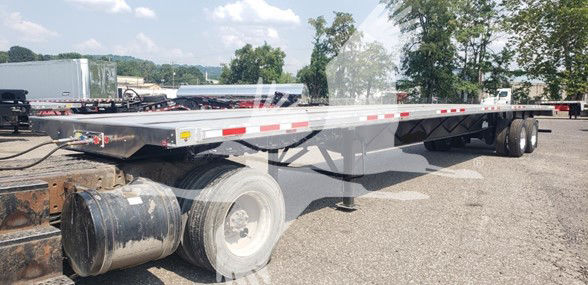
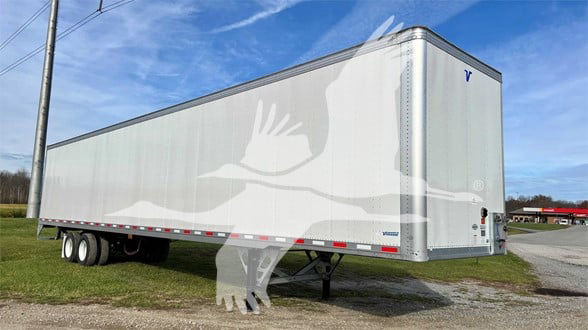
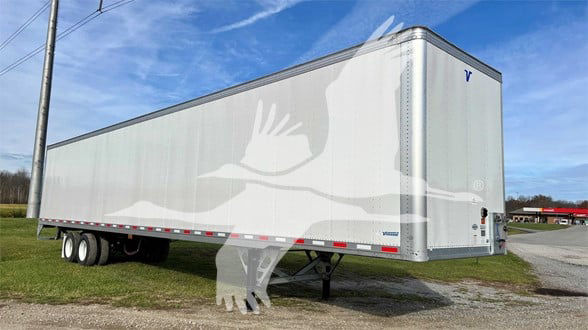
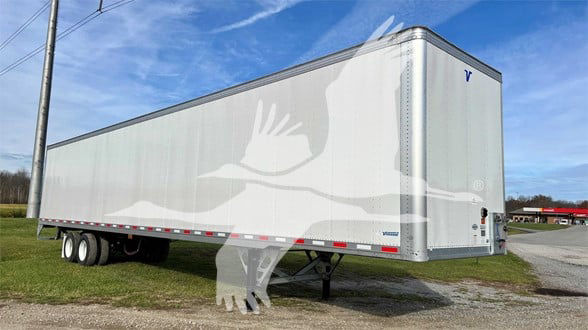
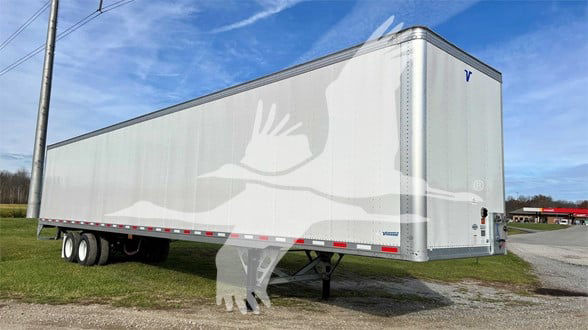
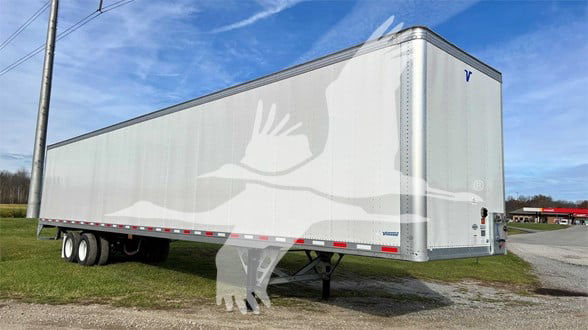
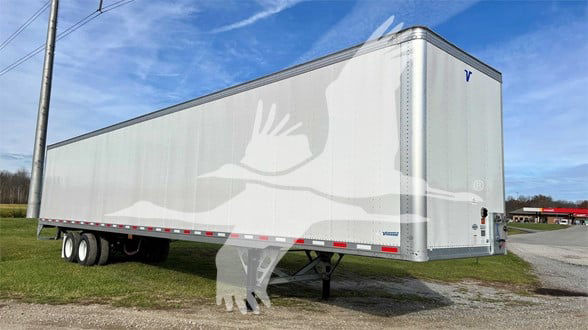
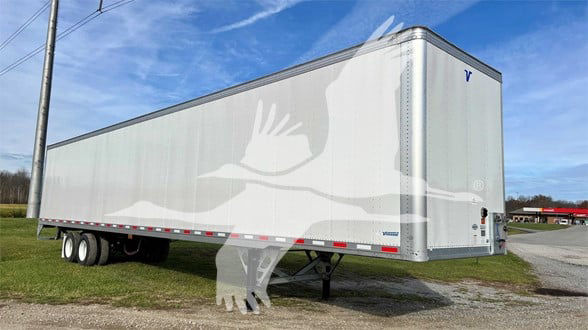
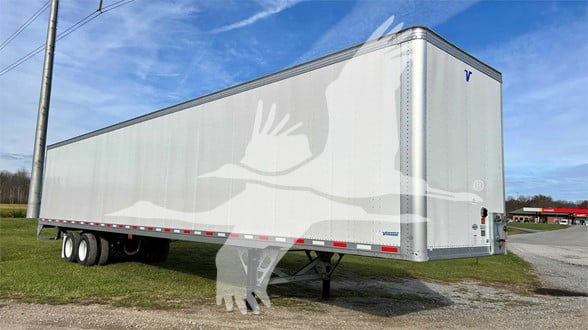
Showing 25 to 36 of 42 results
Have used 2013 trailer to sell? List it here to reach thousands of buyers.
About Used 2013 Trailers in Pennsylvania
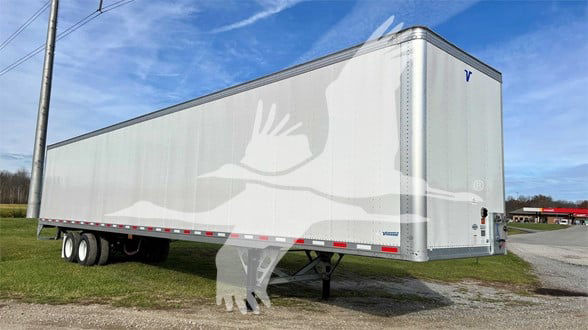
For dry vans, the key inspection points are the roof, sidewall construction, floor wear, rear frame, and door seal condition. Common specs include 53-foot length, 102-inch width, swing or roll doors, air-ride or spring suspension, and sliding tandem setups to help with bridge law and dock positioning. Many buyers also look for logistics posts, scuff liners, threshold plates, aluminum roofs, and DuraPlate or sheet-and-post wall construction depending on freight type. In Pennsylvania, where trailers often see a mix of highway miles, urban docks, and winter road treatment, corrosion around crossmembers, rear sills, and tandem rails deserves close attention.
For flatbeds and other open-deck trailers, deck material, weight rating, kingpin setting, and tie-down equipment matter just as much as overall condition. A 2013 flatbed may have aluminum or steel construction, air-ride suspension, spread or tandem axle layouts, winch tracks, sliding winches, pipe spools, and coil package options. Buyers hauling steel, machinery, lumber, or construction products should pay attention to crossmember spacing, side rail integrity, apitong or aluminum floor condition, and signs of concentrated load damage. Disc brakes, tire inflation systems, and recent suspension work can add real value because they affect uptime and operating cost more than cosmetic appearance.
Pennsylvania buyers should also think about where the trailer will run. Tight Northeast delivery areas may favor sliders, swing door clearance planning, and durable landing gear, while longer highway lanes may put more emphasis on tire condition, alignment, brake life, and overall trailer weight. On any used 2013 trailer, service records, VIN plate legibility, DOT inspection status, tire date codes, ABS operation, and evidence of major accident repair are worth verifying before purchase. A well-matched 2013 trailer can still fit a fleet, owner-operator, or backup capacity role if the specs line up with the freight and the structural condition is sound.
Frequently Asked Questions
What should I inspect first on a used 2013 trailer?
Start with the frame, suspension, brakes, tires, and structural components before looking at appearance items. On vans, check the floor, roof, rear frame, door hardware, and crossmembers. On flatbeds, inspect the deck, side rails, crossmember spacing, winch track, and tie-down points. Rust, cracks, poor prior repairs, uneven tire wear, and ABS faults usually matter more than paint or decals on a trailer of this age.
Is a 2013 trailer too old for regular freight service?
Not necessarily. A 2013 trailer can still be a sound freight trailer if it has been maintained properly and the structure is solid. Trailer life depends heavily on duty cycle, load type, weather exposure, and maintenance quality. Many fleets keep trailers in service well beyond this age when floors, brakes, suspension parts, lighting, and running gear have been updated as needed.
What trailer specs matter most for Pennsylvania operations?
Sliding tandems, dependable brakes, good tires, corrosion condition, and suspension type are major factors in Pennsylvania. Local and regional operations often deal with rough pavement, winter salt exposure, tight warehouse yards, and bridge law considerations. That makes tandem slide function, landing gear condition, rear frame strength, and undercarriage corrosion especially important on used trailers in this market.
What is the difference between buying a used van trailer and a used flatbed trailer from the same year?
The inspection focus changes by application. A van trailer buyer usually prioritizes cubic capacity, floor integrity, wall condition, leak prevention, and door operation. A flatbed buyer is more concerned with deck strength, weight rating, securement equipment, axle spread, and concentrated load capability. Two trailers from the same year can have very different value depending on maintenance, freight history, and structural wear.
Which features add value on a used 2013 trailer?
Value-adding features depend on trailer type, but common examples include air-ride suspension, disc brakes, recent tire replacement, good brake life, documented maintenance, aluminum construction where weight matters, logistics posts on vans, and complete securement setups on flatbeds. Features like PSI tire inflation systems, scuff liners, coil packages, and well-maintained sliding tandem assemblies can also improve usability and reduce operating cost.