
Used 2005 Trailers For Sale
Browse used 2005 trailers for sale, including dry vans, reefers, lowboys, and specialty trailers with specs that matter to fleet buyers.
Learn more
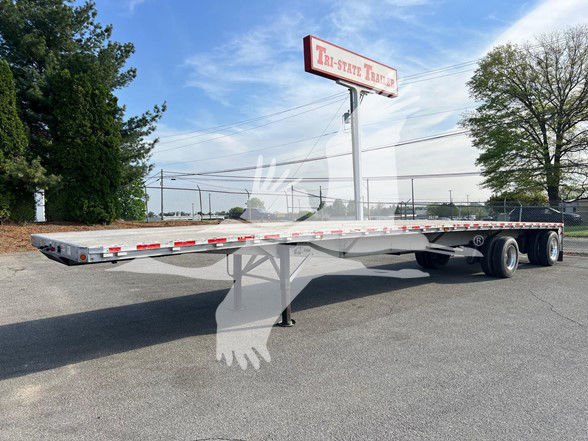
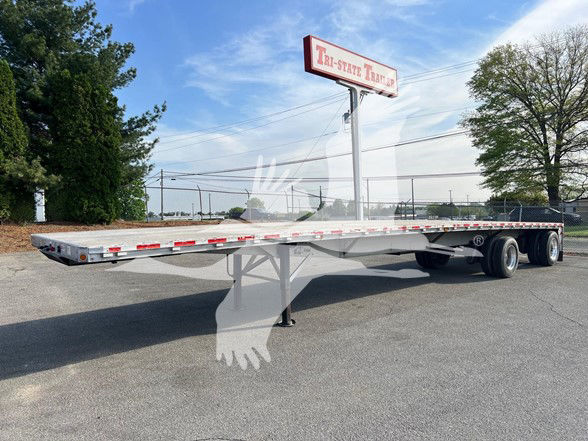
Showing 25 to 36 of 41 results
Have used 2005 trailer to sell? List it here to reach thousands of buyers.
About Used 2005 Trailers
The 2005 trailer market covers a wide spread of configurations, including dry vans, reefers, lowboys, flatbeds, utility trailers, and specialty pieces like flip axles. Common specs still seen across the market include 48-foot and 53-foot lengths, 102-inch width, tandem axles, air ride or spring suspension, sliding tandems, steel or aluminum wheels, and swing or roll-up rear doors on van bodies. On dry vans and reefers, details like scuff liners, logistics posts, E-track, wood versus aluminum floors, tire inflation systems, and kingpin setting can affect loading efficiency and dock compatibility more than buyers expect. On lowboys and other heavy haul trailers, deck height, axle configuration, concentrated load rating, ramp style, and neck condition are usually the first items worth verifying.
For refrigerated and enclosed trailers from this age group, insulation condition, door seal integrity, and signs of water intrusion are critical. Reefer buyers should inspect the refrigeration unit separately from the trailer body and confirm hours, service records, and floor condition, especially around the duct floor or grocery floor. Dry van buyers should look closely at roof bow condition, sidewall repairs, door frame alignment, and floor fastener pull-through. Corrosion around the rear sill, landing gear mounts, and slider box is common on older trailers that have seen northern road salt or heavy dock use. A trailer with a sound frame and documented upkeep can outperform a newer unit that has been neglected.
A used 2005 trailer often makes the most sense for operations that value lower acquisition cost over the latest trailer technology. It can be a smart fit for short-haul freight, seasonal demand, dedicated lanes, yard spotting, storage, or specialized work where the trailer is not expected to run maximum annual miles. The best buying approach is to match the trailer's remaining service life to the job. Check VIN history, prior fleet use, axle and brake specs, tire dates, lighting, ABS function, and any state or FHWA inspection documentation before making a final decision.
Frequently Asked Questions
What should I inspect first on a used 2005 trailer?
Start with the frame, crossmembers, upper coupler, suspension mounts, landing gear area, brakes, and tires. On van and reefer trailers, inspect the floor, roof, rear frame, door seals, and any signs of sidewall or nose damage. On heavy haul trailers, pay close attention to deck condition, neck wear points, axle alignment, and repair quality. Structural condition and maintenance history are usually more important than appearance on a 2005 trailer.
Is a 2005 trailer too old for over-the-road service?
Not necessarily. A 2005 trailer can still be productive in over-the-road, regional, or dedicated service if it has strong maintenance records and passes a thorough inspection. The key is matching the trailer's current condition to the demands of the application. Older trailers are often better suited to shorter hauls, seasonal surges, storage duty, or specialized work if wear is more advanced.
What trailer types are common in the used 2005 market?
The used 2005 market typically includes dry van trailers, reefer trailers, flatbeds, lowboys, utility trailers, and specialty equipment such as flip axles or other heavy haul components. Common lengths include 48-foot and 53-foot units, with 102-inch width being standard on many highway trailers. Exact specs depend on application, but tandem axles, sliding tandems, air ride suspension, and wood or aluminum flooring are common features buyers will see.
How important are reefer unit hours on a 2005 refrigerated trailer?
Reefer unit hours are very important, but they are only part of the picture. Buyers should also review service history, check operating performance, inspect the evaporator and condenser areas, verify fuel tank condition, and look for body issues that reduce thermal efficiency such as bad door seals, damaged insulation, or floor wear. A well-maintained reefer trailer with a documented unit can still have value, while a neglected one can create immediate repair costs.
What makes a used 2005 trailer a good value?
A good value comes from buying the right specification in sound mechanical and structural condition at a price that matches its remaining service life. Features such as air ride suspension, sliding tandems, logistics posts, E-track, tire inflation systems, aluminum components, or specialty heavy haul setups can add useful value if they fit the job. The best purchase is rarely the cheapest trailer. It is the one with the fewest hidden repair costs and the closest fit to the work it will actually do.