
Used 2005 Flatbed Trailers For Sale
Browse used 2005 flatbed trailers. Compare 48'x102 specs, steel or aluminum construction, suspension, deck condition, tie-downs, and axle setup.
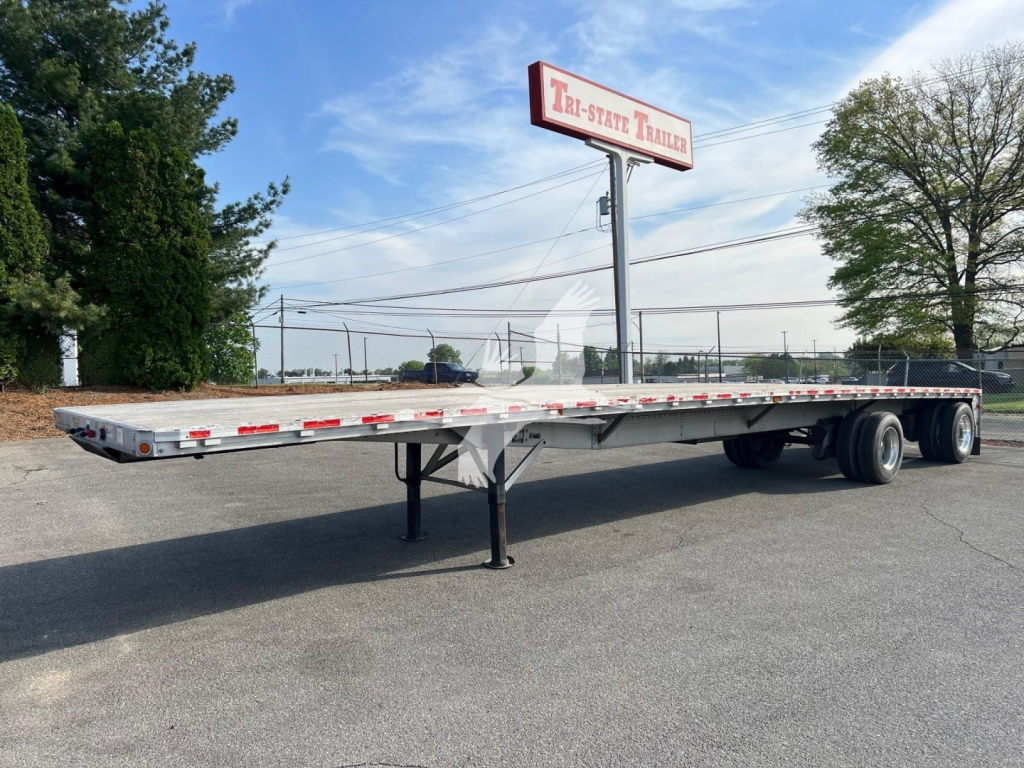
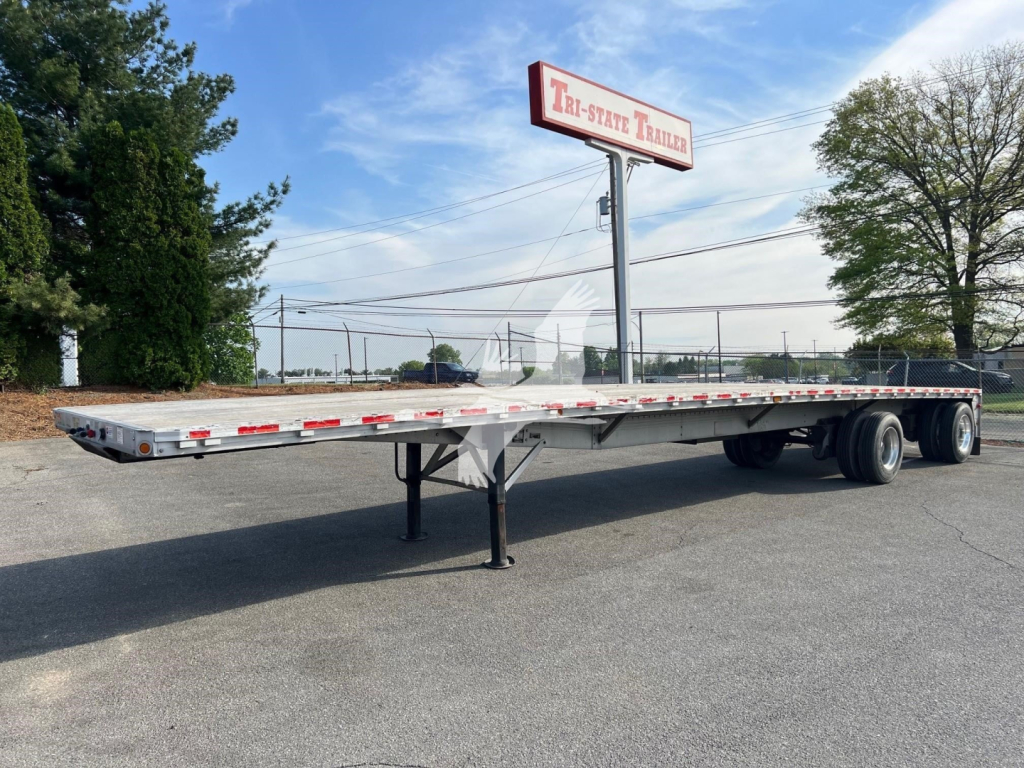

Selling a used 2005 flatbed trailer? List your used 2005 flatbed trailer for sale and reach thousands of commercial buyers.
Used 2005 Flatbed Trailers
On a 2005 model, condition matters far more than original brochure specs. Look closely at side rails, crossmembers, main beams, landing gear mounts, winch track integrity, and kingpin area for signs of fatigue, repairs, or corrosion. Deck material is another major checkpoint. Apitong floors remain common on steel trailers because they handle chain securement and repeated loading well, while aluminum floors reduce tare weight but should be checked for gouging, cracking, and loose fastening points. Buyers hauling steel, lumber, pipe, machinery, or palletized building products should also verify tie-down equipment such as sliding winches, pipe spools, rub rail condition, stake pockets, and whether the trailer has a coil package or extra crossmember reinforcement.
Suspension and axle setup can change how a used 2005 flatbed fits your operation. Air ride is preferred for more fragile freight and broadens resale appeal, while spring ride can be simpler and less expensive to maintain. Tandem sliders are common and useful when bridge law and load distribution matter, but some trailers in this class may have spread axles for stability and dock clearance tradeoffs. Check brake type, wheel-end service history, tire size, and tire wear pattern to spot alignment or suspension issues. A clean 2005 trailer with straight rails, solid brakes, and even tire wear can still deliver strong value in regional building materials, farm supply, steel service, and general open-deck freight.
Specification details should match the freight you actually haul, not just the price point. A 30-inch kingpin setting is common on standard flats, but overall load position, axle spacing, and securement layout matter just as much in day-to-day use. Toolboxes, tire inflation systems, dual winch tracks, disc brakes, and bulkhead configuration can add real operating value depending on the route and cargo mix. For buyers comparing older flatbed trailers for sale, the best unit is usually the one with the strongest structural condition, the most useful securement setup, and a maintenance history that supports another stretch of dependable service.
Frequently Asked Questions about Used 2005 Flatbed Trailers
What should I inspect first on a used 2005 flatbed trailer?
Start with the structure. Check the main beams, crossmembers, side rails, kingpin area, and suspension hangers for cracks, bent sections, poor repairs, or corrosion. Then inspect the deck surface, winch tracks, stake pockets, landing gear, brakes, tires, and wheel ends. On an older flatbed, structural condition and maintenance history usually matter more than brand name alone.
Is a 2005 aluminum flatbed better than a 2005 steel flatbed?
It depends on the freight. Aluminum flatbeds usually weigh less, which helps payload and fuel economy, and they are common in high-mileage general freight work. Steel flatbeds are heavier but can be a good fit for severe-duty loading, concentrated cargo, and rougher jobsite use. Combo trailers split the difference by pairing aluminum components with steel in higher-stress areas.
What size is most common for a used 2005 flatbed trailer?
The most common configuration is 48 feet long and 102 inches wide with two axles. That size works across a wide range of open-deck freight and is widely accepted in general freight, building materials, and steel hauling. Buyers should still confirm axle spacing, kingpin setting, and overall securement layout because those details affect legal loading and day-to-day usability.
Do older flatbed trailers still make sense for commercial use?
Yes, if the trailer has been maintained properly and matches the intended application. Many 2005 flatbeds remain productive in regional hauling, agricultural freight, construction materials, and dedicated contract work. The key is to evaluate frame integrity, deck condition, suspension health, brake performance, and the availability of the tie-down equipment your freight requires.
What flatbed features add the most value on a used 2005 trailer?
Useful value-adds include air ride suspension, straight side rails, a sound Apitong or aluminum deck, good rubber, strong brakes, dual winch tracks, sliding winches, pipe spools, toolboxes, and a coil package if you haul steel coil. Disc brakes and tire inflation systems can also improve uptime and operating efficiency. On an older trailer, these features are most valuable when they are in good working order, not just listed on paper.