
Used 2005 Flatbed Trailers For Sale in Nebraska
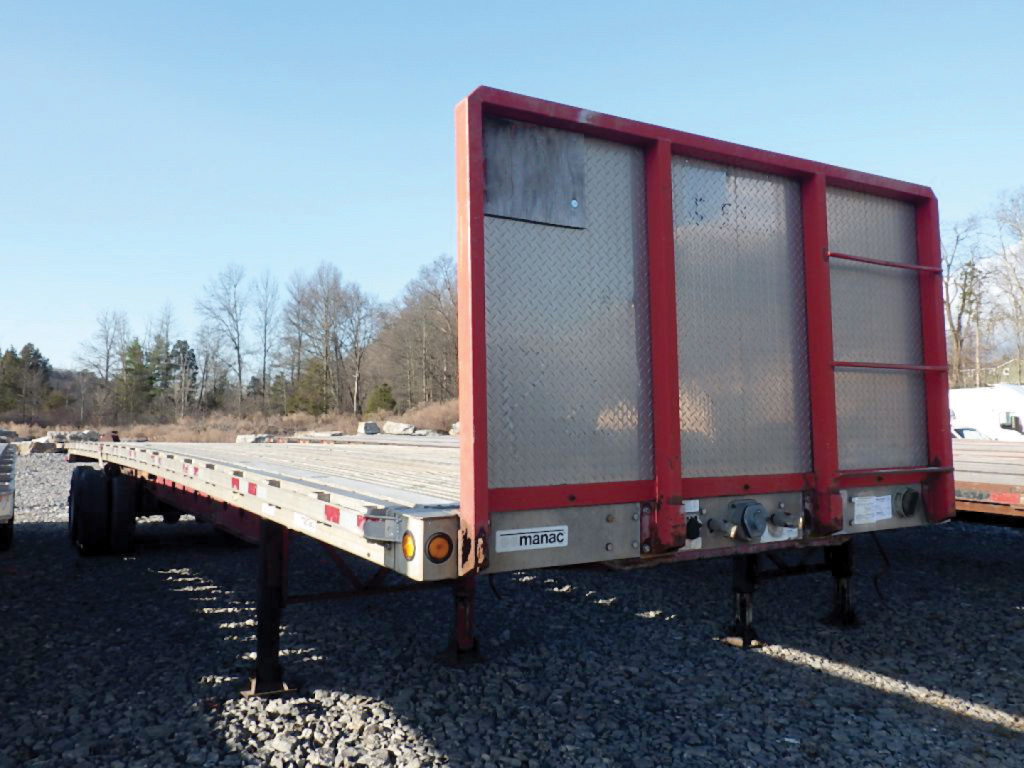
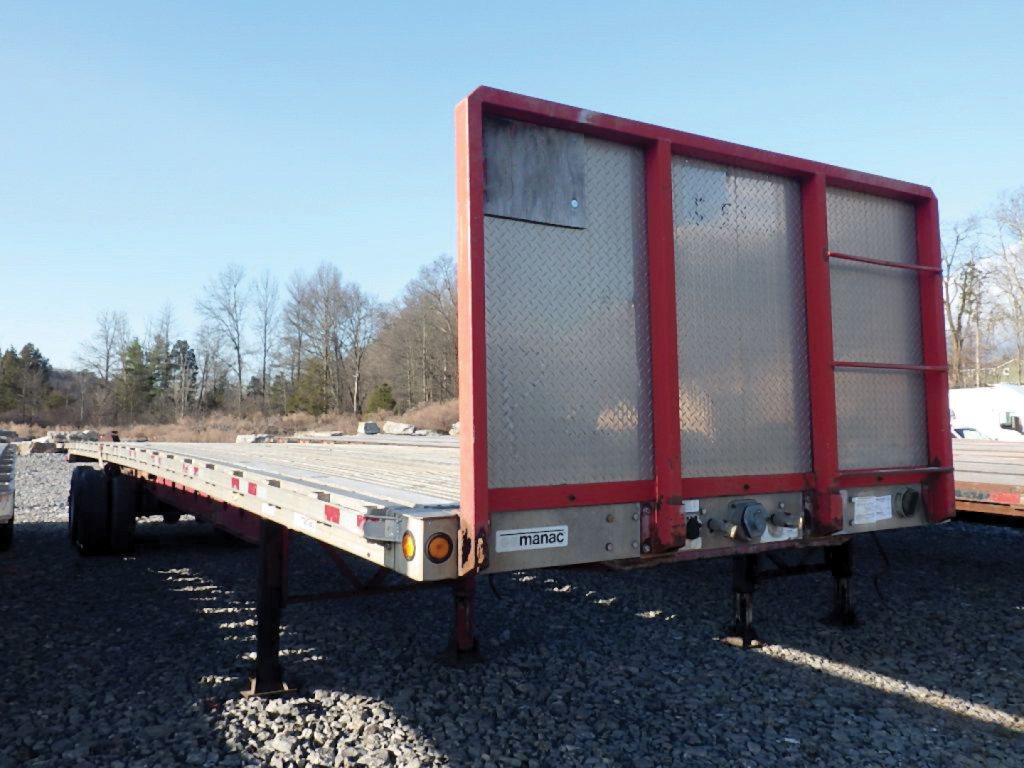
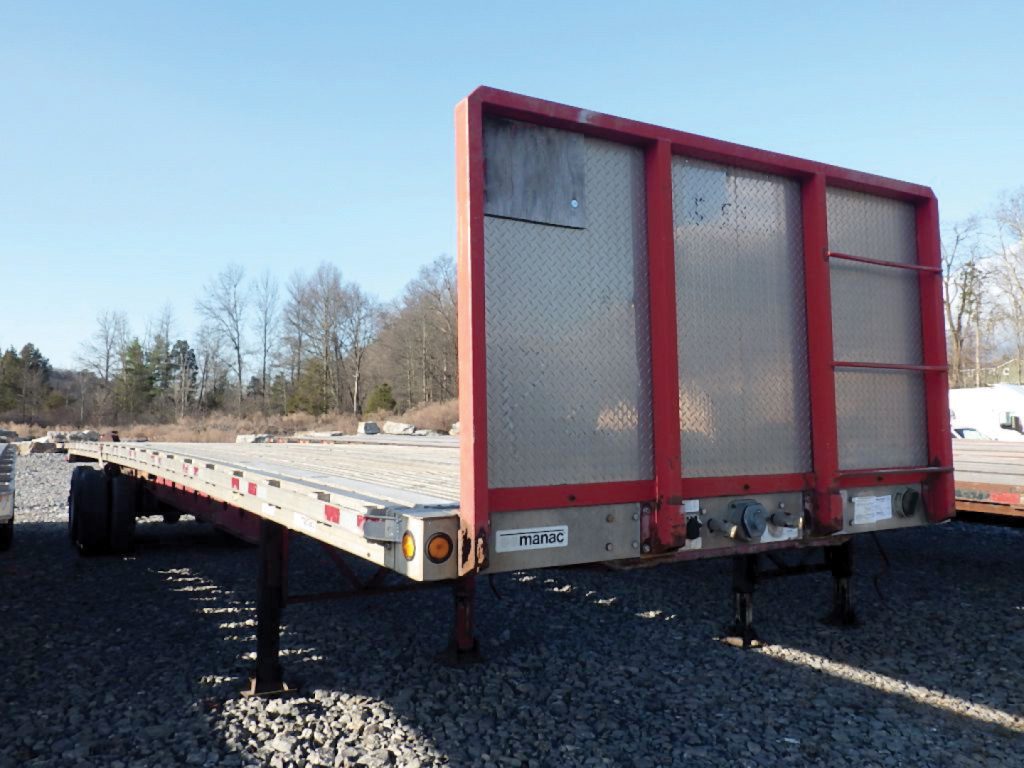
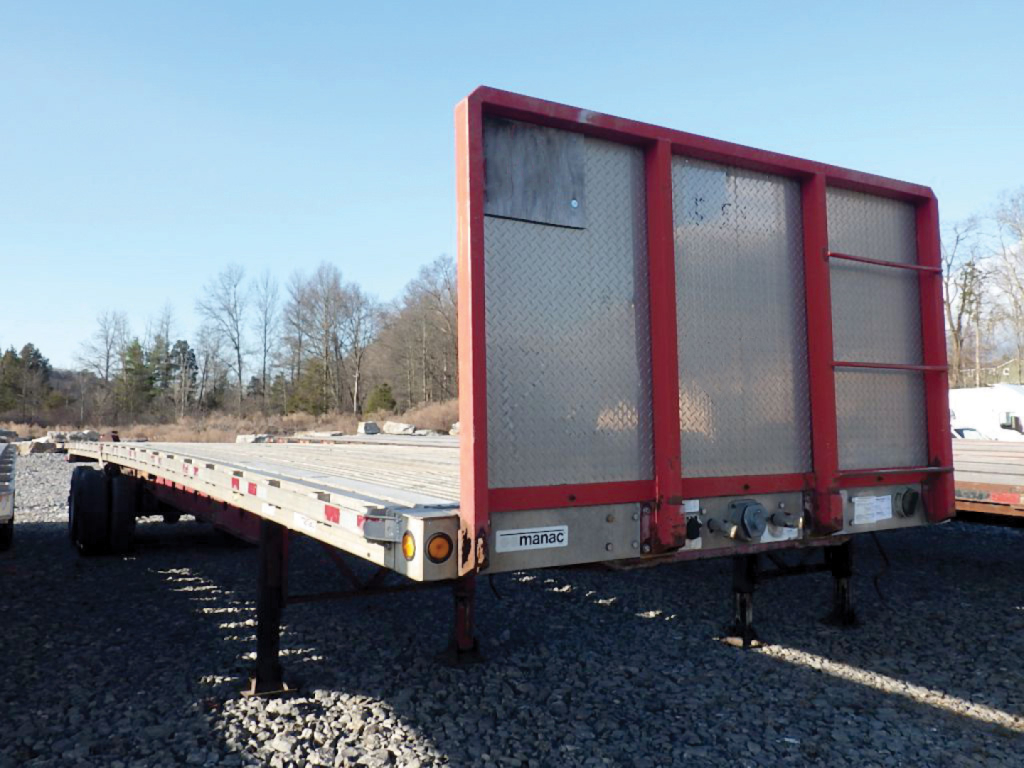

Have used 2005 flatbed trailer to sell? List it here to reach thousands of buyers.
Used 2005 Flatbed Trailers in Nebraska
Common specs on 2005 flatbeds include 45-foot decks, legal 102-inch width, sliding tandems, and either air ride or spring suspension. A 45-foot trailer can be attractive for operations hauling mixed building materials or shorter steel loads, especially where maneuverability matters more than maximizing deck space. Flooring deserves a close look. Wood floors are straightforward to repair and still popular in many hauling applications, while aluminum floors and aluminum-steel composite construction can help reduce tare weight. Bulkheads, nail strips, sliding winch tracks, double spool winches, and rub rail condition are all worth inspecting because cargo securement hardware is where older trailers often show hard use.
On a used 2005 flatbed, structural condition matters more than cosmetics. Check the main beams, crossmembers, deck attachment points, suspension hangers, kingpin area, and slider box for cracks, corrosion, elongation, or repair history. Tire size and wheel type also affect operating cost, with common setups including 22.5 low profile tires or 11R24.5 rubber on disc wheels. Buyers should confirm brake type, air system condition, and remaining life in bushings, brakes, and tires before comparing asking prices. If the trailer has spent years in heavy commodity service, scuffing and deck wear may be normal, but frame integrity and securement function should be the deciding factors.
Nebraska buyers often shop flatbeds with an eye toward agricultural freight, construction materials, machinery, and regional building supply work. A used 2005 flatbed can still be a strong earner if the deck is straight, the tandem slide operates smoothly, and the securement package matches the freight mix. Fontaine, Manac, and similar builders from this period are widely recognized, but the best buy is usually the trailer with the cleanest maintenance profile and the least structural fatigue, not simply the lightest tare or the lowest price.
Frequently Asked Questions about Used 2005 Flatbed Trailers in Nebraska
What should I inspect first on a used 2005 flatbed trailer?
Start with the frame, crossmembers, kingpin area, and tandem slider assembly. These components tell you more about remaining service life than paint or flooring alone. Look for cracked welds, bent rails, corrosion around suspension mounts, worn slider pins, and evidence of repeated heavy loading. After that, inspect the floor, rub rails, winch track, brake system, tires, and air lines.
Is a 45-foot flatbed trailer still a useful size for many operations?
Yes. A 45-foot flatbed is still useful for regional hauling, building materials, steel, machinery, and mixed open-deck freight. It does not offer the same deck space as a 48-foot or 53-foot trailer, but it can be easier to maneuver and may fit certain dedicated lanes well. The right choice depends on average load length, axle weight distribution, and customer freight requirements.
Which is better on an older flatbed, air ride or spring suspension?
Neither is automatically better in every case. Air ride usually offers better ride quality for sensitive freight and can reduce cargo shock, while spring suspension is simpler and often less expensive to maintain. On a 2005 trailer, overall condition matters more than suspension type alone. A well-maintained spring ride trailer can be a better purchase than an air ride trailer with worn bags, valves, or suspension components.
Do aluminum and composite flatbeds have an advantage over all-steel designs?
They often do when tare weight matters. Aluminum and aluminum-steel composite flatbeds can provide useful weight savings, which may help increase payload capacity. The tradeoff is that buyers need to inspect for floor wear, fastener condition, galvanic corrosion points, and prior structural repairs. Steel construction can be easier to repair in some fleets, but it generally carries more empty weight.
What cargo securement features are most important on a used flatbed?
Sliding winch tracks, functioning winches, sound rub rails, stake pockets, a straight bulkhead if equipped, and solid floor condition are the key items. These features affect how quickly the trailer can be loaded and how securely different freight can be tied down. On older flatbeds, worn winch tracks, damaged stake pockets, and weak deck sections can limit the trailer's usefulness even if the chassis itself is still serviceable.