
Used 2001 Trailers For Sale in Illinois
Browse used 2001 trailers for sale in Illinois, including dry vans, reefers, flatbeds, and specialty trailers with buyer-focused specs.
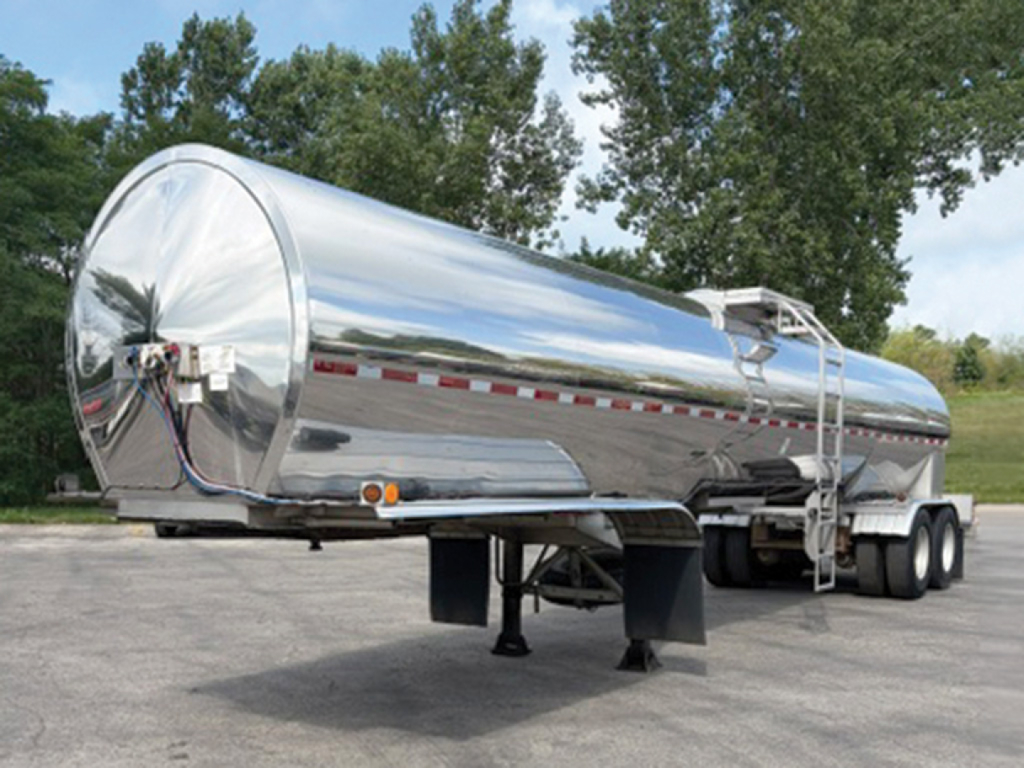
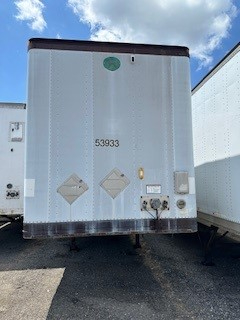
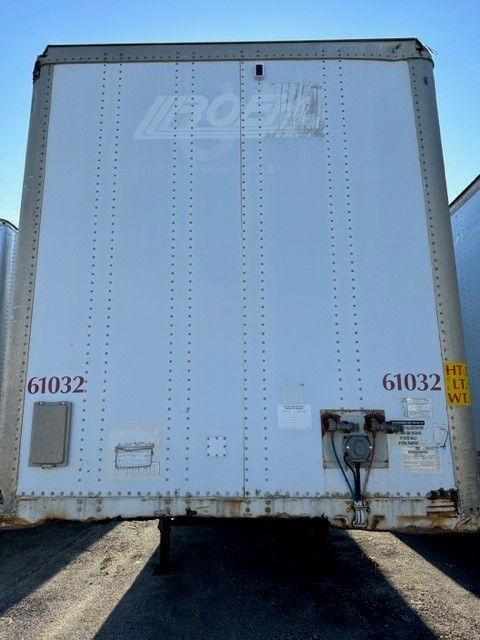
Selling a used 2001 trailer? List your used 2001 trailer for sale and reach thousands of commercial buyers.
Used 2001 Trailers in Illinois
The 2001 model year covers a wide range of trailer types in Illinois, including dry vans, refrigerated trailers, flatbeds, drop decks, hopper bottoms, tank trailers, and shorter pup trailers used in regional freight. Common lengths include 28-foot pups, 48-foot platforms, and 53-foot vans and reefers. Width is typically 96 or 102 inches, and standard trailer height on van and reefer applications is often 13 feet 6 inches overall. Suspension spec is a major decision. Air ride is preferred for ride quality and freight protection, while spring ride can still make sense in certain vocational or shorter-haul applications. Sliding tandems remain important for bridge law compliance and dock flexibility, especially in multi-stop or regional operations.
For Illinois buyers, corrosion exposure and maintenance history are especially important. Road salt, freeze-thaw cycles, and heavy seasonal use can accelerate rust on frames, bogies, brake hardware, and electrical connections. Reefer buyers should evaluate hours on the unit, service records, evaporator and condenser condition, floor wear, and door seal performance. Dry van buyers should check logistics posts, E-track, plywood or composite lining, wood floor thickness, and roof bows. Flatbed and drop deck buyers should look closely at deck replacement history, tire match, spread or closed tandem configuration, and the condition of tie-down equipment. Older trailers can still perform well in farm support, dedicated lanes, local shuttle work, storage use, or backup fleet duty if they have been maintained correctly.
The best value in a used 2001 trailer usually comes from matching the trailer to a realistic duty cycle rather than expecting late-model efficiency or low-maintenance operation. Buyers should confirm VIN tags, title status, axle ratings, tire size, brake type, and kingpin area condition before purchase. If the trailer will run interstate freight, it is smart to budget for lights, ABS diagnostics, bushings, brakes, tires, and any deferred compliance work. A well-kept 2001 trailer can still be a cost-effective asset, but inspection discipline is what separates a usable trailer from a parked repair project.
Frequently Asked Questions about Used 2001 Trailers in Illinois
What should I inspect first on a used 2001 trailer?
Start with the frame, suspension, brakes, tires, wheel ends, and the kingpin area because those components determine basic roadworthiness and repair exposure. On vans and reefers, inspect the floor, roof, front wall, rear door frame, and signs of water intrusion or impact damage. On flatbeds and other open-deck trailers, inspect the main beams, crossmembers, deck condition, and any cracking around load-bearing areas. Age alone does not make a trailer a poor buy, but structural problems usually turn an inexpensive trailer into a costly one.
Are 2001 model trailers still suitable for commercial use?
Yes, many 2001 trailers are still suitable for commercial use if they have been maintained and are spec'd for the intended application. Older trailers are commonly used in local freight, seasonal hauling, warehouse shuttles, agricultural support, backup service, and other duty cycles where lower acquisition cost matters more than late-model features. The key is verifying that the trailer can meet current operational, safety, and compliance needs without requiring major immediate repairs.
What trailer types are common in the 2001 model year?
The 2001 model year includes dry vans, refrigerated trailers, flatbeds, drop decks, hopper trailers, tank trailers, and pup trailers. Common sizes include 28-foot pups and 48-foot or 53-foot full-size trailers. Many buyers focus on dry vans and flatbeds in this age group because they are simpler to maintain than specialized equipment, but reefer and vocational trailers can still make sense if service history is documented and major systems are in good condition.
Why does Illinois location matter when buying an older trailer?
Illinois use conditions matter because road salt, winter moisture, and heavy freight cycles can accelerate corrosion on older equipment. Buyers should inspect the underside carefully, including crossmembers, suspension mounts, brake components, air lines, wiring, and rear frame sections. Corrosion is not automatically a deal breaker, but widespread rust and poor prior repairs can reduce service life and increase annual maintenance cost.
Is a 2001 reefer or dry van a better value buy?
A 2001 dry van is often the simpler value buy because it has fewer high-cost mechanical systems and lower repair complexity. A 2001 reefer can still be worthwhile, but buyers need to inspect the refrigeration unit hours, maintenance records, insulation condition, door seals, and floor integrity. If temperature control is critical, reefer condition must be verified carefully because repair costs can quickly exceed the purchase-price advantage of older equipment.