
Used 2001 Trailers For Sale
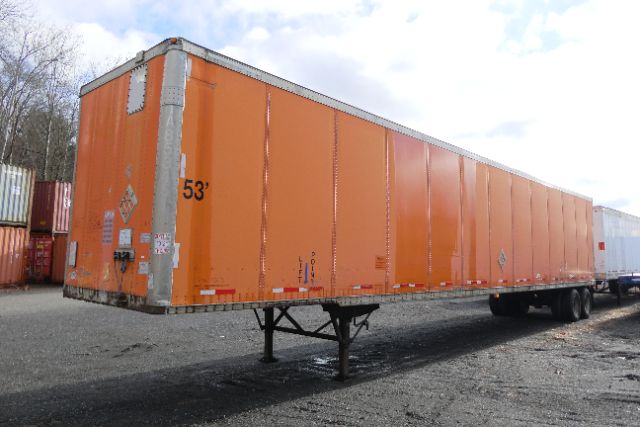
Browse used 2001 trailers for sale, including dry vans, containers, and specialized specs for freight, storage, regional, and over-the-road use.
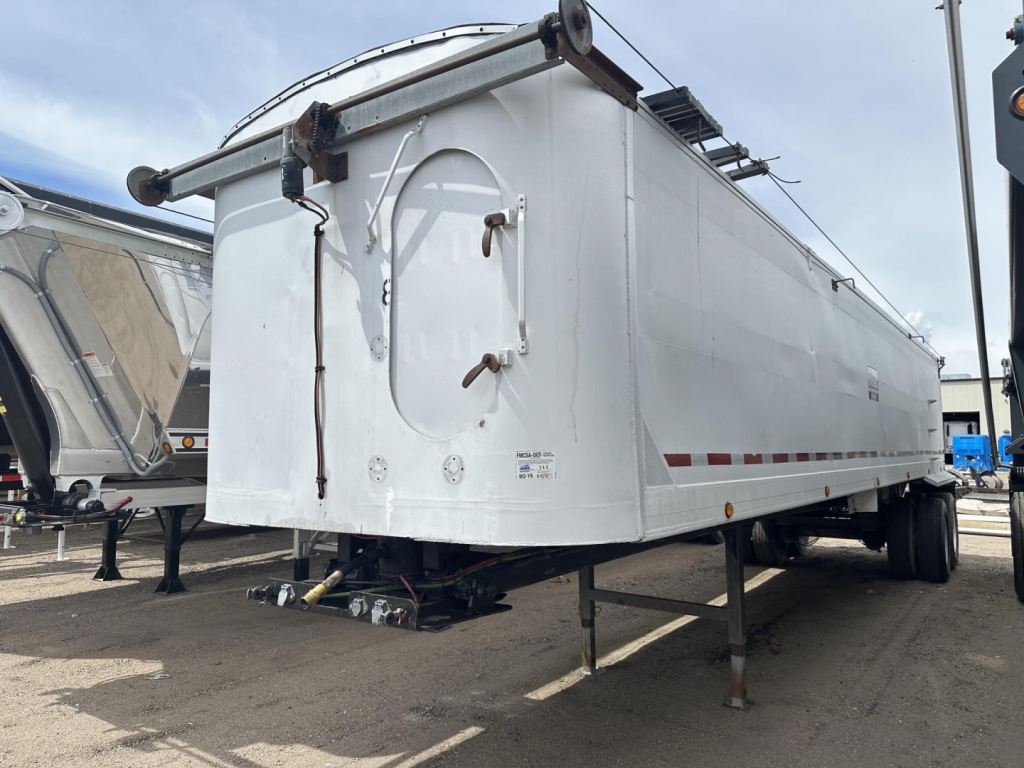
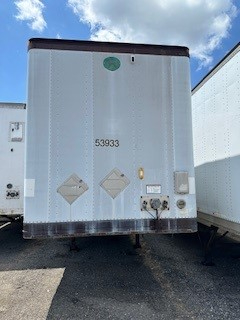
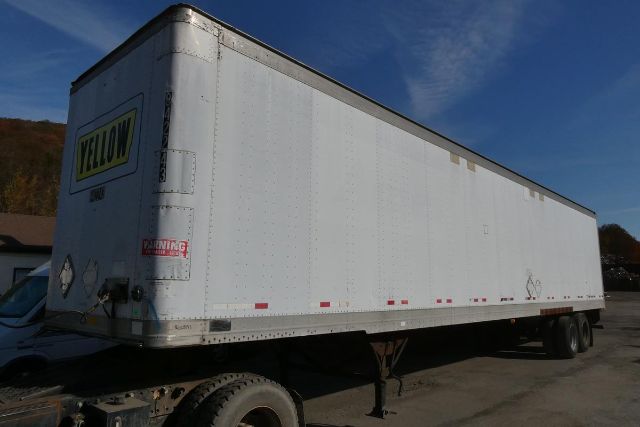
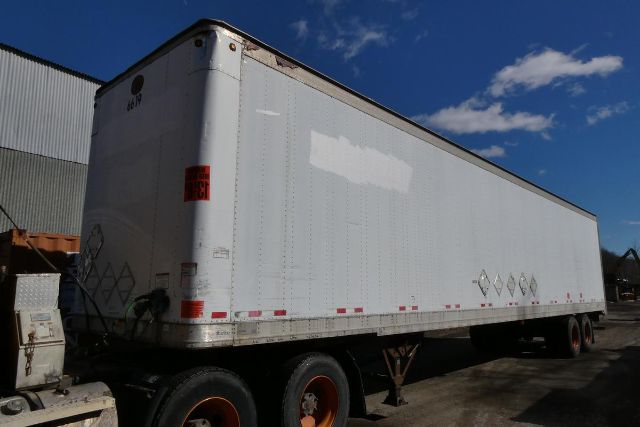
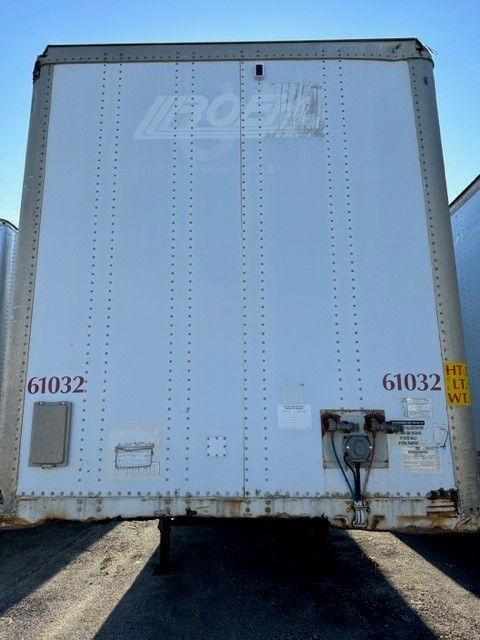
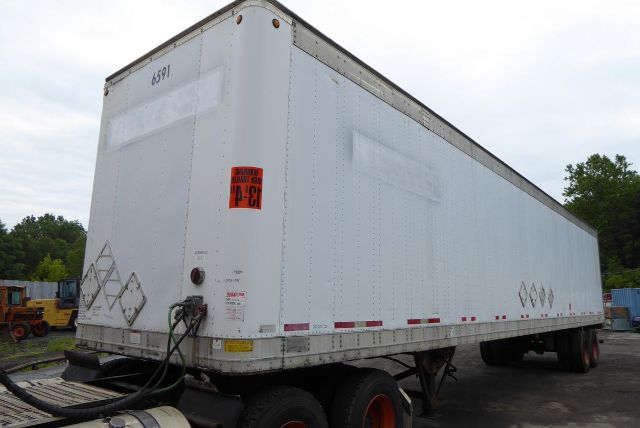
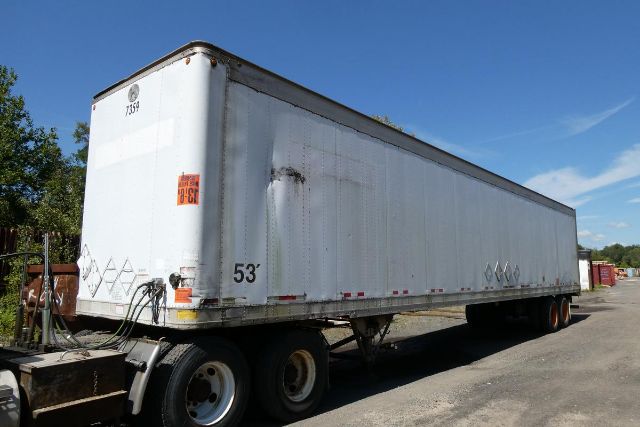
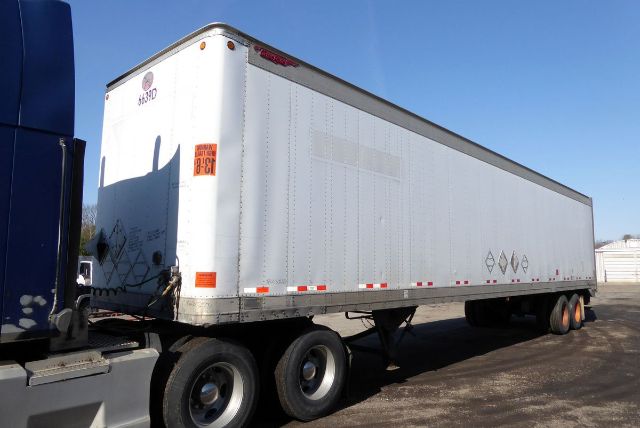

Selling a used 2001 trailer? List your used 2001 trailer for sale and reach thousands of commercial buyers.
Used 2001 Trailers
For most used 2001 trailers, the key inspection points are the frame, crossmembers, floor, suspension, axle alignment, and brake system. On vans and enclosed trailers, check roof bows, side posts, scuff liners, threshold plate condition, rear door frame integrity, and signs of water intrusion. On older units, wood floors often show wear around forklift traffic paths and at the rear sill, while steel and aluminum components may show corrosion, cracking, or prior repairs. Sliding tandems, spring ride or air ride suspension, landing gear, hubs, wheel ends, and ABS components deserve close attention because these items can quickly change the real cost of ownership after purchase.
Specs vary widely in this market, but common trailer dimensions still matter for compatibility and revenue use. Dry vans are often found in 48-foot and 53-foot lengths with 102-inch width, tandem axles, and either swing or roll-up doors. Some units may have e-track, translucent roofs, liftgates, tire inflation systems, or logistics posts added later in life. Buyers should verify inside height, door opening, kingpin setting, tandem slide range, axle spacing, and GVWR before assigning a trailer to a specific lane or customer. A 2001 model may also be better suited to drop lot storage, seasonal overflow, port work, or short-haul freight where cosmetic age is less important than structural soundness.
The best value in a used 2001 trailer usually comes from buying around the intended use, not simply the lowest asking price. A cheaper trailer with poor tires, thin brakes, weak flooring, or questionable frame repairs can cost more than a cleaner unit with documented maintenance. Look for evidence of consistent upkeep, legal lighting, serviceable suspension components, and a VIN plate that matches the paperwork. If the trailer will run interstate, confirm current DOT requirements, brake compliance, tire age, and any state-specific registration or inspection considerations. Older trailers can still earn their keep, but only when the base structure is solid and the specs fit the job.
Frequently Asked Questions about Used 2001 Trailers
What should I check first on a used 2001 trailer?
Start with the structural components. Inspect the main rails, crossmembers, floor condition, suspension mounts, axle alignment, and rear frame area for cracks, corrosion, or poor repairs. On enclosed trailers, also look closely at the roof, side walls, door frame, and evidence of leaks. Cosmetics matter far less than the structural condition on a trailer of this age.
Are 2001 trailers still good for over-the-road use?
Some are, but suitability depends entirely on condition, maintenance history, and trailer type. A well-maintained 2001 trailer with sound brakes, tires, suspension, flooring, lighting, and frame structure can still be productive in regional or over-the-road service. Many older trailers are better matched to local freight, storage, yard spotting, or dedicated short-haul work where downtime risk and appearance standards are lower.
What trailer specs matter most when comparing used 2001 models?
Length, width, inside height, axle configuration, suspension type, door style, floor type, and GVWR are the main starting points. Buyers should also confirm kingpin setting, tandem slide function, tire size, wheel type, and any installed equipment such as liftgates, scuff liners, e-track, or tire inflation systems. These details determine cargo compatibility, dock access, bridge compliance, and how easily the trailer fits into an existing fleet.
Is it risky to buy a 2001 trailer with repairs already done?
Not necessarily. Older trailers often have had crossmember work, floor sections replaced, patch panels installed, or suspension components rebuilt. The issue is not whether repairs were made, but whether they were done correctly. Clean welds, straight alignment, matching materials, and no spreading cracks around repaired areas are better signs than an untouched trailer with hidden damage. A thorough inspection is more important than assuming repaired means bad.
What is the best use for an older used trailer?
That depends on the trailer type and condition, but many 2001 trailers are a strong fit for warehouse shuttles, seasonal overflow, local freight, agricultural support, construction material handling, storage, export, or dedicated customer lanes. Older units are often chosen where low acquisition cost matters more than modern aero features or late-model appearance. The right application is one that matches the trailer’s remaining structural life and equipment spec.