
Used 2001 Great Dane Trailers For Sale
Browse used 2001 Great Dane trailers, including dry vans and reefers, with specs, common features, and buying points that matter.
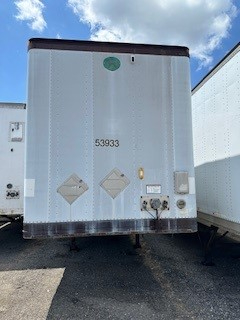
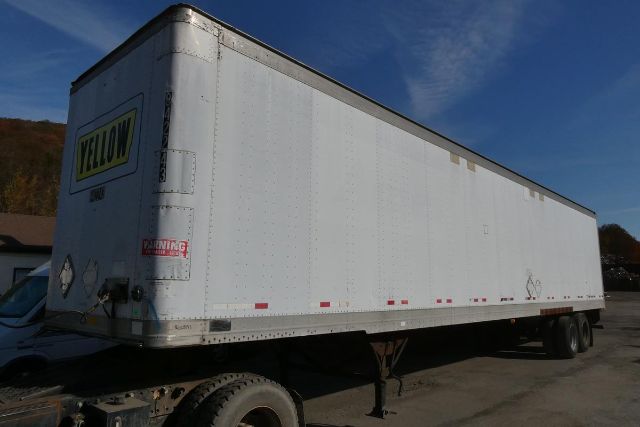
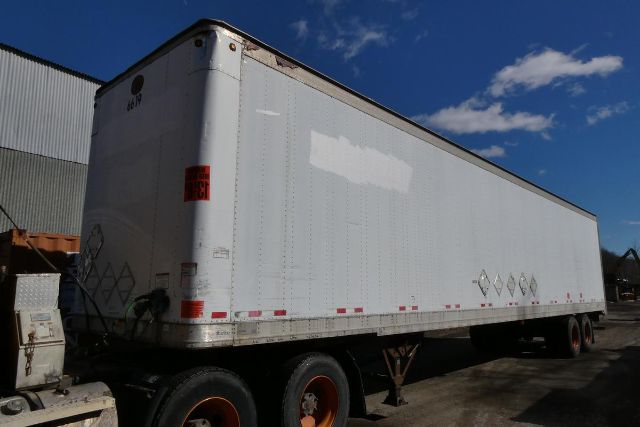
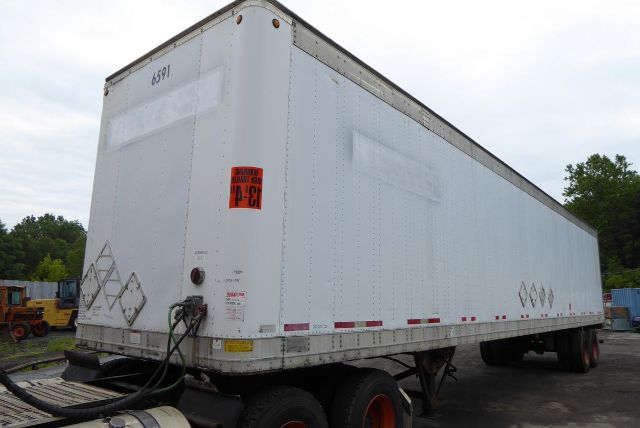
Selling a used 2001 great dane trailer? List your used 2001 great dane trailer for sale and reach thousands of commercial buyers.
Used 2001 Great Dane Trailers
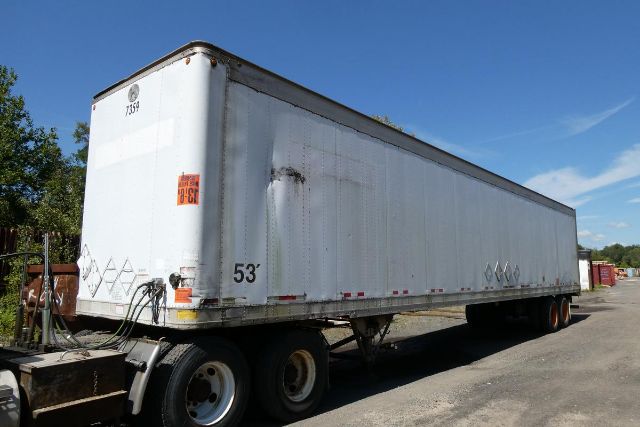
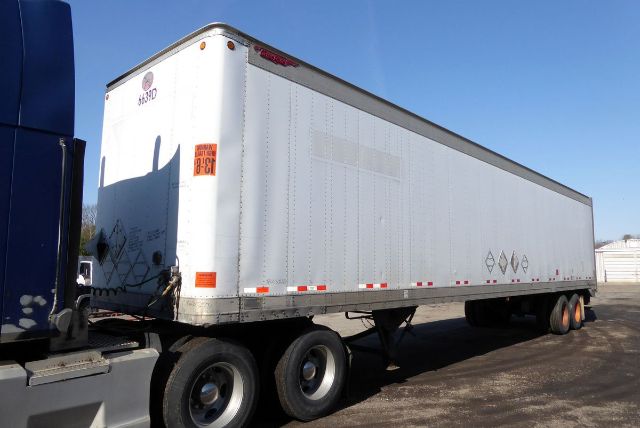
For dry van applications, common configurations from this period include 48-foot and 53-foot trailers with 102-inch width, aluminum exterior construction, wood or wood-over-steel floors, roll-up or swing doors, and air brake systems. Sliding tandem setups are common and matter for bridge law compliance, dock positioning, and load distribution. Buyers should pay close attention to crossmembers, rear frame sections, upper coupler plate wear, door frame alignment, and floor condition, especially near forklift traffic zones. Roof condition also matters. Many older Great Dane vans use translucent or aluminum roof panels, and leaks around seams, rails, and front caps can turn into expensive floor and wall repairs.
If the 2001 Great Dane trailer is a reefer, the trailer body and the refrigeration unit need to be evaluated as separate assets. Insulation condition, floor wear, door seal integrity, and evaporator area cleanliness are just as important as reefer engine hours. Look for duct floor condition, scuff liners, chute condition, and evidence of patchwork inside the box. On any older Great Dane reefer, corrosion at the rear sill, drain areas, and lower front corners deserves a close inspection. Buyers running food-grade or temperature-controlled freight should also verify the trailer can still hold setpoint efficiently, because poor insulation or air leaks can erase any savings from a lower purchase price.
Running gear and compliance items deserve the same scrutiny as the trailer body. A 2001 trailer may have had axle swaps, suspension changes, wheel-end updates, ABS repairs, or multiple brake system overhauls over its life. Check tire size consistency, wheel type, brake chamber condition, bushing wear, and the operation of slider locking pins if equipped. VIN tags, federal certification labels, and maintenance records help confirm what the trailer started as and how it has been maintained. A well-kept 2001 Great Dane can still be a useful dry freight or cold-chain asset, but the smart purchase comes down to measurable condition, not just age and appearance.
Frequently Asked Questions about Used 2001 Great Dane Trailers
What should I inspect first on a used 2001 Great Dane trailer?
Start with the structure. Check the frame rails, crossmembers, upper coupler, kingpin area, rear sill, and suspension hangers for cracks, corrosion, and past repairs. Then inspect the floor for forklift damage, soft spots, and patched sections. Doors, roof seams, and sidewalls should be checked for leaks, collision repairs, and alignment issues. On a trailer of this age, structural condition matters more than cosmetic appearance.
Are 2001 Great Dane trailers still good for over-the-road service?
They can be, if the trailer has been maintained and the spec fits the operation. Many 2001 Great Dane dry vans and reefers remain useful in regional haul, dedicated contract freight, and short-to-medium length runs. For heavy over-the-road use, buyers should be realistic about maintenance needs, parts replacement, and compliance upgrades. The trailer needs to be evaluated on brake condition, suspension wear, tire age, lighting, ABS function, and overall body integrity before being put into a demanding duty cycle.
What are common specs on older Great Dane dry van trailers?
Common dry van specs include 48-foot or 53-foot length, 102-inch width, tandem axles, air brakes, and either spring ride or air ride suspension. Many have sliding tandems, wood floors, aluminum roofs, and roll-up or swing rear doors. Wheel and tire packages vary, with 22.5-inch and low-profile setups often seen on later examples and replacement running gear. Exact spec can vary widely because many older trailers have been rebuilt or modified during service life.
What is important on a 2001 Great Dane reefer trailer?
The trailer body and the refrigeration unit must both be inspected carefully. Confirm the reefer unit starts cleanly, holds temperature, and shows reasonable engine hours and maintenance history. Then inspect insulation performance, door seals, floor condition, air chutes, scuff liners, and interior damage from pallet or forklift use. A reefer with a weak box can become expensive to operate even if the refrigeration unit runs well, because poor temperature retention increases fuel use and can create load-risk issues.
How do I know if an older Great Dane trailer is priced fairly?
Fair value depends on trailer type, current roadworthiness, and recent component work. A dry van with solid structure, good floors, legal brakes and tires, and working slider gear generally carries more value than a similar trailer needing major floor or frame repair. On reefers, unit condition and the trailer’s ability to hold temperature have a major effect on price. Buyers should compare age, trailer type, suspension, axle setup, body condition, and repair history instead of relying on year alone.