
Used 2001 Trailers For Sale in New York
Browse used 2001 trailers for sale in New York, including van, tag, drop deck, and other trailer types with buyer-focused spec guidance.
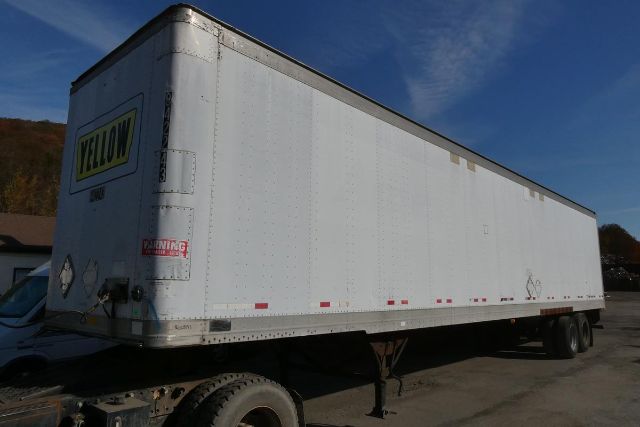
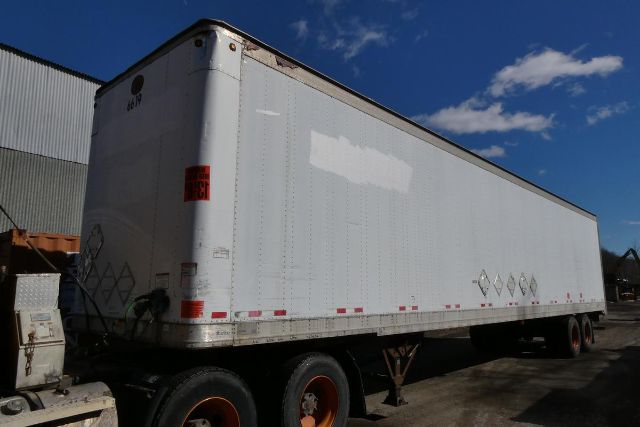
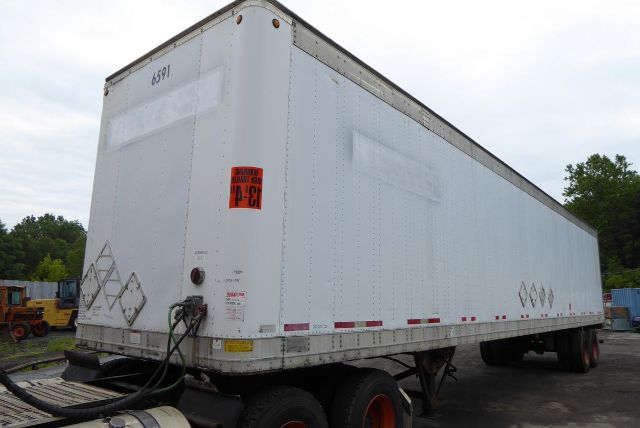
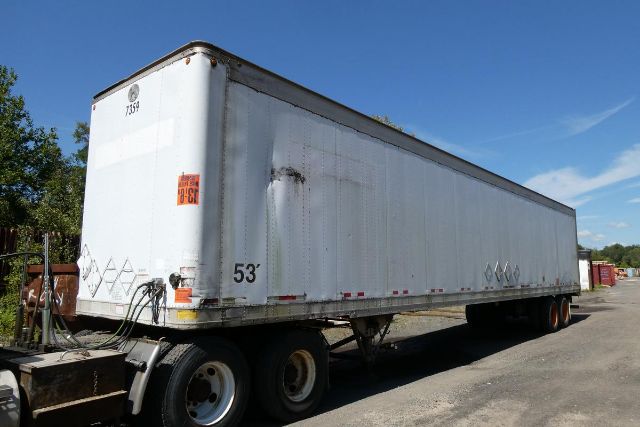
Selling a used 2001 trailer? List your used 2001 trailer for sale and reach thousands of commercial buyers.
Used 2001 Trailers in New York
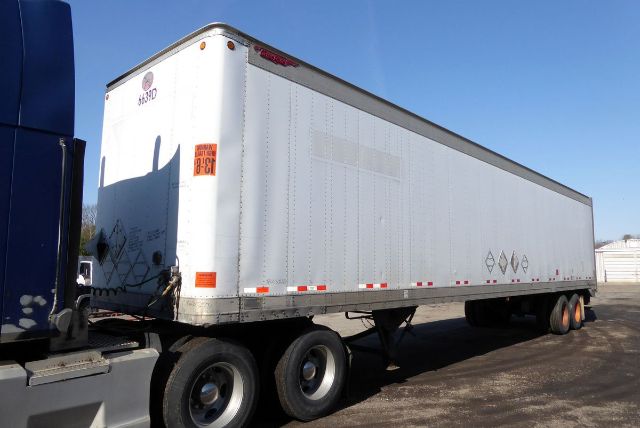
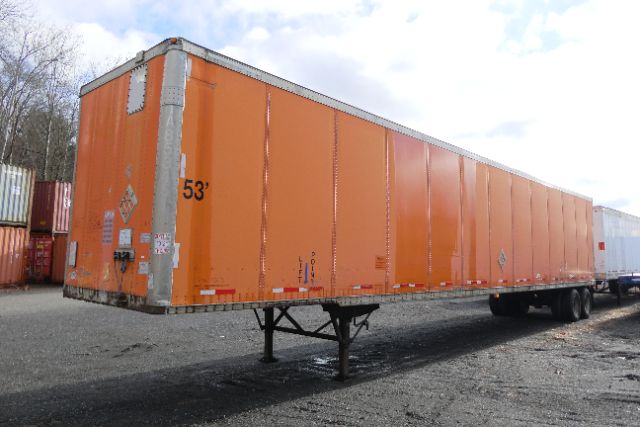
Dry vans from this era are commonly found in 45-foot and 48-foot lengths, with 102-inch width, spring suspension, air brakes, and sliding tandem axles. Key checkpoints include crossmember condition, roof and upper rail integrity, door frame wear, floor repairs, and signs of chronic dock damage. Buyers should also confirm tire size consistency, wheel type, hub-pilot setup, and whether the trailer has a wood floor over steel crossmembers or a mixed steel-aluminum construction. If the trailer will run regional freight in the Northeast, pay close attention to corrosion around the rear sill, landing gear mounts, suspension hangers, and wiring.
For equipment and machinery hauling, a 2001 tag trailer or drop deck trailer needs a closer look at deck height, ramp design, tie-down points, axle rating, and brake type. A lighter tag trailer may be suitable for skid steers, compact tractors, or small construction equipment, while a heavier drop deck with a low well, tri-axle configuration, and hydraulic features is built for larger iron. Capacity claims on older trailers should always be verified against the VIN plate, axle ratings, tire ratings, and visible condition of the frame, neck, and deck. Wood floors, steel floors, and mixed floor designs each have different wear patterns, especially on trailers that spent time hauling tracked equipment.
A used 2001 trailer is usually a value buy only if the expensive items are still right: straight frame, serviceable suspension, solid brakes, legal lighting, healthy tires, and no major structural cracking. In New York, registration, inspection requirements, and bridge-law considerations can also influence which axle spread or overall trailer setup makes sense. Buyers comparing older trailers should focus less on paint and more on measurable details like GVWR, empty weight, deck dimensions, load height, tandem slide travel, and repair history. Those specs determine payload flexibility, route compatibility, and how much money the trailer will need after purchase.
Frequently Asked Questions about Used 2001 Trailers in New York
What should I inspect first on a used 2001 trailer?
Start with the frame, suspension hangers, crossmembers, floor, brakes, tires, and electrical system. On a trailer from 2001, structural condition is more important than appearance. Look closely for rust scaling, weld repairs, cracked members, bent rails, uneven tire wear, and corrosion around high-stress points such as landing gear mounts, rear impact area, and axle connections. A clean title and VIN plate should match the trailer configuration and rated capacity.
Are 2001 dry van trailers still worth buying?
They can be, especially for short-haul, storage, regional freight, or lower-mile applications where trailer cost control matters. A 2001 dry van with a sound roof, solid floor, good rear frame, working roll-up or swing doors, and a serviceable sliding tandem can still offer useful life. The deciding factor is usually repair exposure. If it needs tires, brakes, floor sections, suspension work, and door repairs at the same time, the low purchase price can disappear quickly.
How do I evaluate capacity on an older drop deck or tag trailer?
Do not rely only on a seller's stated tonnage. Check the VIN plate, axle count, axle ratings, tire ratings, wheel ratings, and visible frame design. On drop decks, inspect the well area, neck structure, rear deck, ramp hinges, and any hydraulic components. On tag trailers, confirm GVWR, deck length, ramp construction, coupler type, and brake setup. True usable capacity depends on legal axle loading, trailer condition, and how the load will be positioned on the deck.
What trailer issues are more common in New York and the Northeast?
Corrosion is the biggest concern. Road salt and winter moisture can accelerate rust on frames, brake components, wiring, air lines, wheel ends, and fasteners. Dry van trailers may show corrosion around the rear sill and lower side rails, while equipment trailers often rust at the deck supports, suspension mounts, and ramp assemblies. Buyers in this region should inspect the underside carefully and budget for more aggressive maintenance on older units.
Which specs matter most when comparing used 2001 trailers for sale?
The most important specs depend on trailer type, but buyers should usually compare length, width, deck or interior height, empty weight, GVWR, axle configuration, suspension type, brake system, floor material, and tire size. On van trailers, tandem slide position, door type, and interior dimensions affect freight flexibility. On tag and drop deck trailers, deck height, ramp length, tie-down layout, and axle spread often have the biggest impact on real-world usability.