
Used 2000 Trailers For Sale in Ohio
Used 2000 trailers for sale in Ohio: compare frame corrosion, axle ratings, ABS condition and cargo-specific inspections before choosing an older trailer.
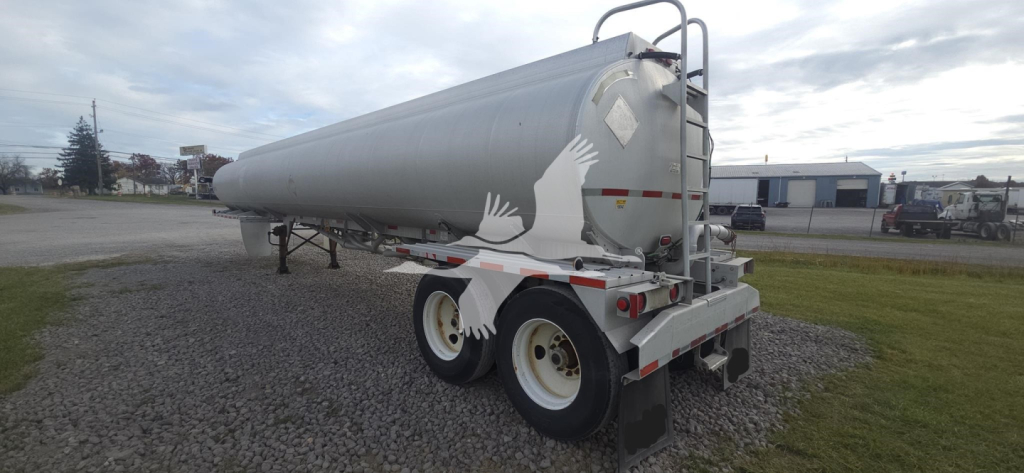
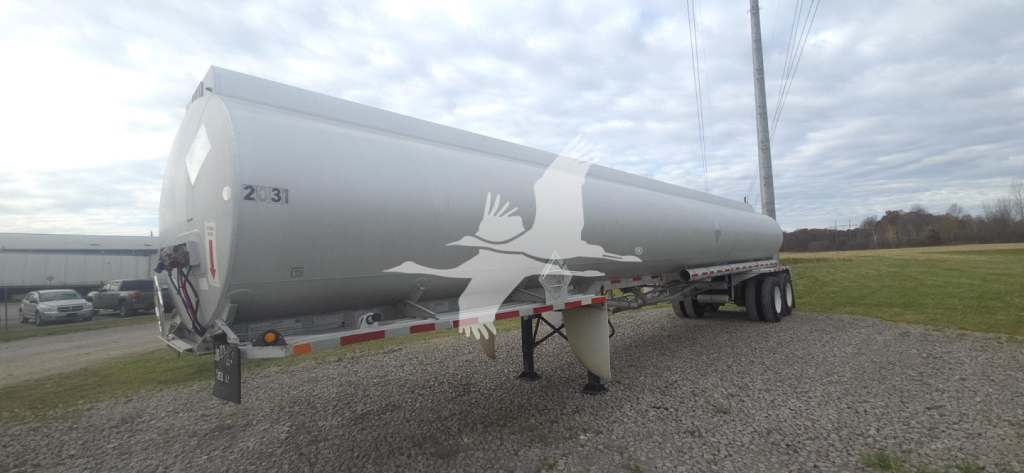
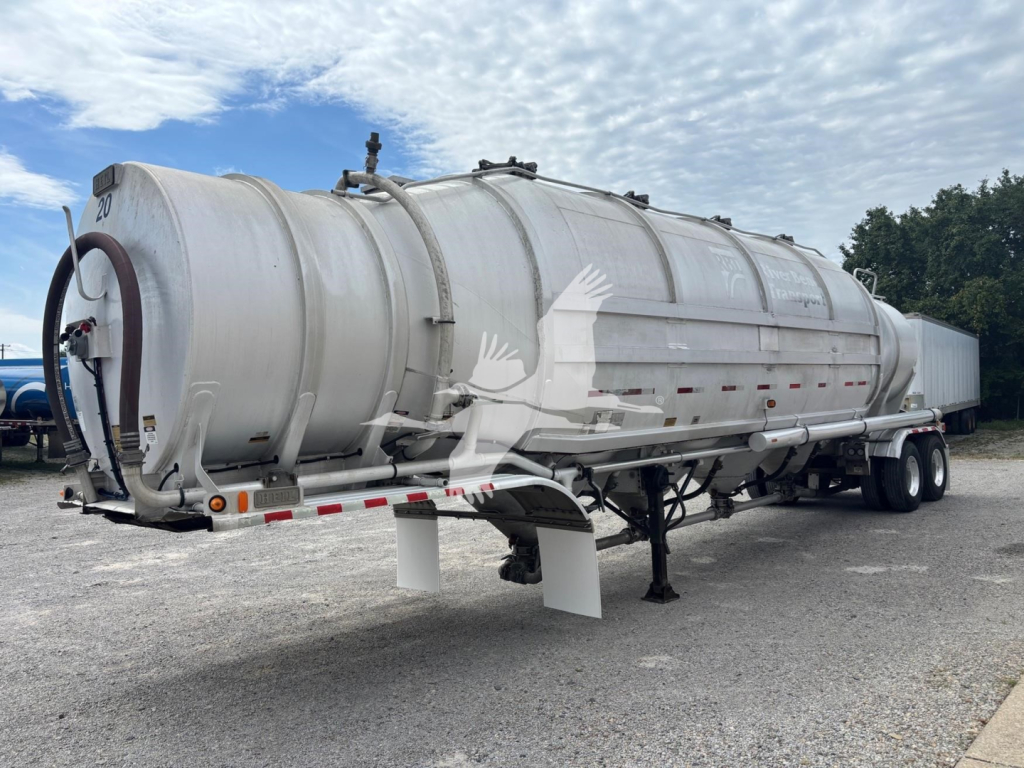
Selling a used 2000 trailer? List your used 2000 trailer for sale and reach thousands of commercial buyers.
Used 2000 Trailers in Ohio
Ohio's manufacturing, farming and distribution traffic along I-70, I-75 and the Ohio Turnpike makes axle ratings, tare weight and loading access practical buying decisions. Check GVWR, tire capacity and axle spacing against the intended route and payload rather than relying on trailer length alone. On a used 2000 model, verify the VIN and certification plate, service records, brake operation, wheel-end condition and air-system integrity where equipped. Cargo equipment needs separate checks, including reefer performance, dump-hoist structure, or tank inspection and test records.
Frequently Asked Questions about Used 2000 Trailers in Ohio
Should a 2000 semitrailer have ABS?
A conventional air-braked semitrailer built in 2000 generally must have ABS under the federal requirement covering trailers manufactured on or after March 1, 1998. Confirm the actual build date and applicable vehicle classification, then test the ABS warning lamp, wheel-speed sensors, wiring and modulator. Working service brakes do not establish that the ABS works, and an illuminated fault lamp warrants diagnosis before purchase.
How much weight can I legally haul with a 2000 trailer in Ohio?
An 80,000-pound gross combination limit normally applies to nonpermitted Interstate operation in Ohio, with axle and bridge-formula limits also controlling. Legal payload is the permitted combination weight minus the actual tractor, trailer, fuel and equipment weight. A 2000 trailer's GVWR does not override highway limits, and tire ratings or individual axle ratings may reduce capacity further. Check local roads and posted bridges separately.
What inspection records should come with a 2000 fuel tank trailer?
A DOT 406 fuel tank trailer needs current cargo-tank qualification records in addition to the applicable annual vehicle inspection. Most DOT 406 petroleum tanks require annual external visual and leakage tests, plus internal visual and pressure tests every five years. Match the reports to the tank identification plate and verify the schedule under 49 CFR 180.407, because tank construction, service and exceptions can change testing requirements.
Should I judge a 2000 refrigerated trailer by its age or refrigeration hours?
Evaluate a 2000 refrigerated trailer's cooling unit by its own build date, operating hours and performance results, not the chassis model year alone. A replacement refrigeration unit may be substantially newer than the trailer. Request service records and a temperature-performance test appropriate to the intended cargo. Inspect insulation, door seals and floor drains as well, because excessive heat infiltration increases compressor workload and fuel consumption.
Can a 2000 flatbed trailer haul tracked equipment?
A 2000 flatbed can haul tracked equipment only when its concentrated-load rating, deck structure and securement provisions suit the machine. Total payload capacity does not establish how much weight the trailer can support over a short track footprint. Verify loading-ramp capacity, crossmember spacing and rated tiedown points. A lowboy or drop-deck may be a better fit when machine height, ground clearance or loading angle creates problems.