
Used 2000 Trailers For Sale
Shop used 2000 trailers for sale, including dry vans, reefers, and more. Compare specs, dimensions, suspension, doors, and axle setups.
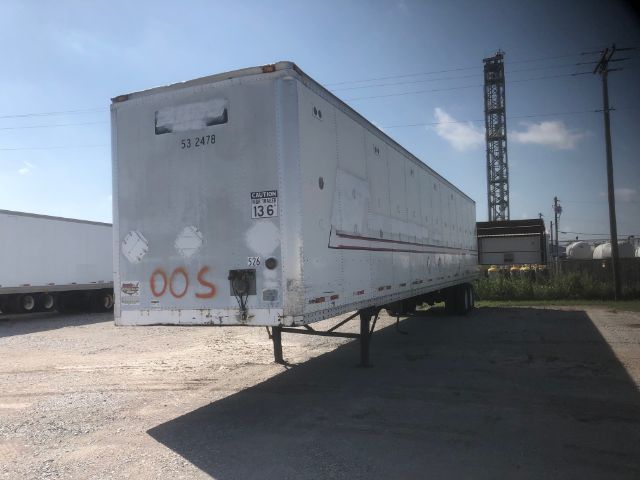
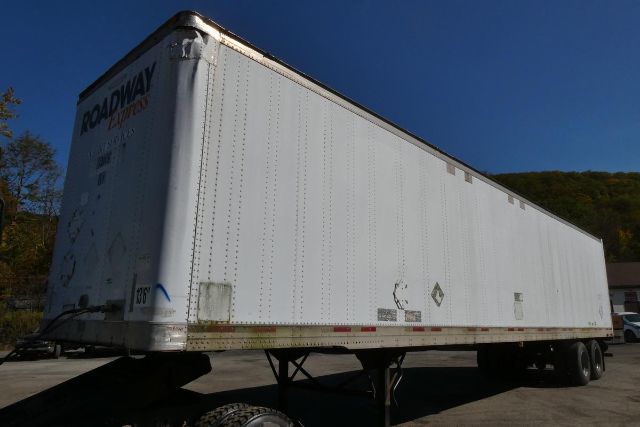
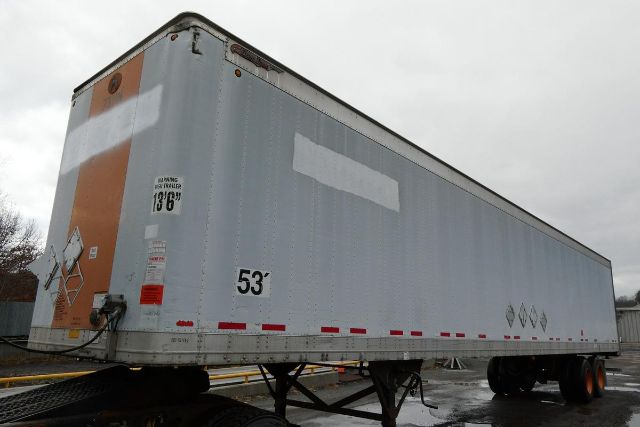
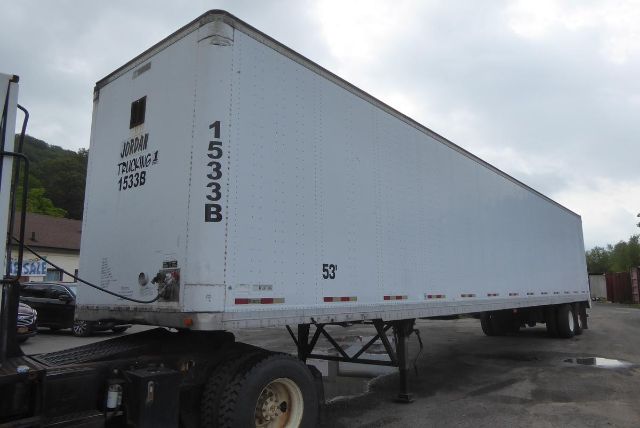
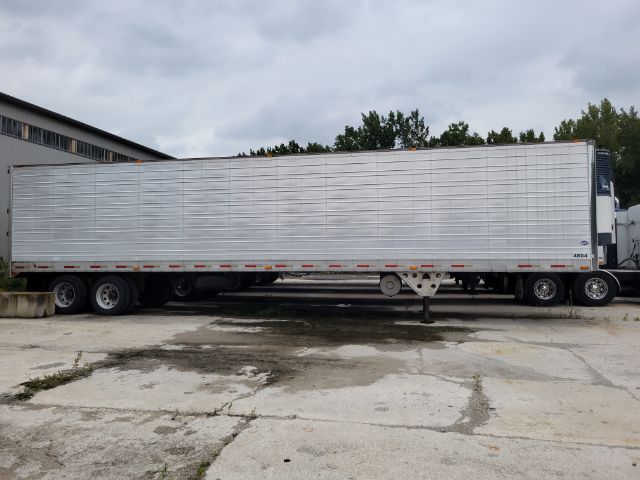
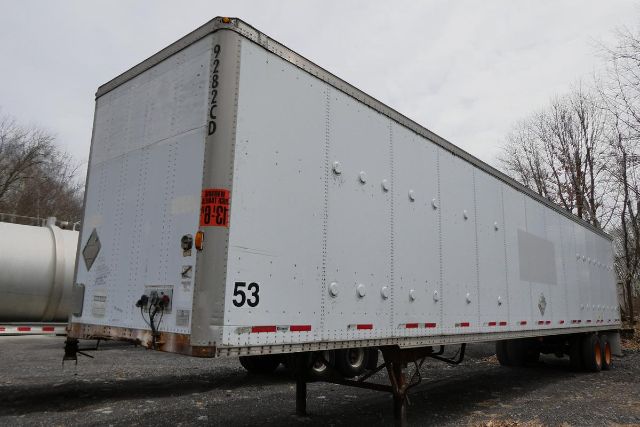
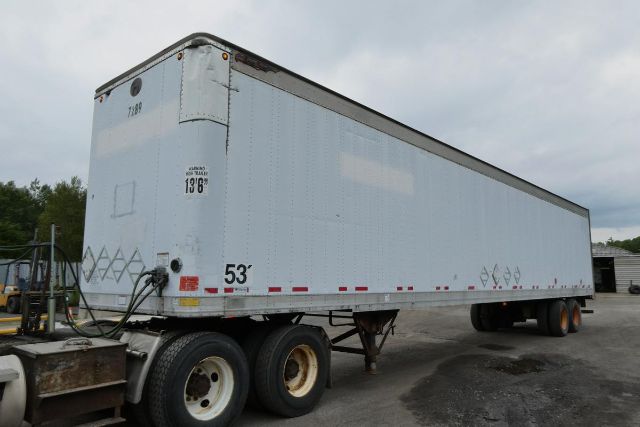
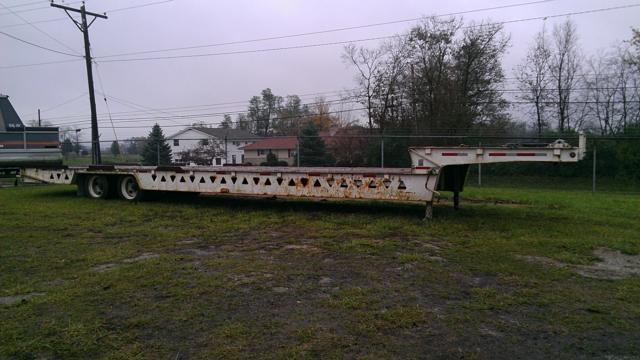
Selling a used 2000 trailer? List your used 2000 trailer for sale and reach thousands of commercial buyers.
Used 2000 Trailers
Common specs still seen in 2000-model trailers include 48-foot and 53-foot lengths, 102-inch width, tandem axles, and either spring ride or air ride suspension. Many buyers will focus on kingpin setting, tandem slide range, door style, and wheel-end setup because those directly affect fleet compatibility and dock performance. Dry van trailers from this period may have wood floors, aluminum roofs, scuff liners, logistic posts, E-track, and either swing or roll-up doors. Older reefers often need close inspection of the floor type, bulkhead condition, and unit operating status, since repair costs can quickly outweigh the purchase price if the cooling system has been neglected.
A 2000 used trailer can still be a practical freight solution when the structure is sound and the intended lane matches the trailer's remaining service life. For local and regional work, older vans are often used for warehouse shuttles, dedicated customer moves, storage service, or lower-mileage lanes where cosmetic age is less important than usable cube. Buyers hauling heavier freight should pay close attention to GVWR, tare weight, floor rating, and signs of prior overloading such as bowed sidewalls, patched floors, or cracked crossmembers. Tire condition, brake wear, ABS function, lighting, and DOT compliance should all be part of the inspection process before putting an older trailer into revenue service.
The strongest value in a used 2000 trailer usually comes from buying a trailer with a clean frame, straight body, and documented maintenance rather than chasing the lowest upfront price. Replacement doors, floors, air ride components, and reefer repairs can turn a cheap trailer into an expensive one quickly. Buyers should also confirm registration requirements, VIN readability, and any state-specific inspection standards, especially when moving an older trailer across state lines. A well-maintained 2000 trailer can still fill a niche in the right operation, but it pays to inspect it as a piece of working equipment rather than as a simple age-and-price decision.
Frequently Asked Questions about Used 2000 Trailers
What should I inspect first on a used 2000 trailer?
Start with the structure. Check the frame rails, crossmembers, rear sill, kingpin area, suspension hangers, and landing gear mounts for rust, cracks, poor weld repairs, or impact damage. After that, inspect the floor, roof, sidewalls, doors, brakes, tires, lights, and ABS system. On a reefer, unit hours, service records, and cooling performance are just as important as trailer condition.
Is a 2000-model trailer still worth buying for commercial use?
It can be, if the trailer matches the job and has been maintained properly. Many older trailers still work well in local, regional, storage, and dedicated contract applications. The key is separating usable older equipment from trailers that need structural, brake, suspension, or refrigeration repairs large enough to erase any savings from the purchase price.
What trailer types are common in the used 2000 market?
Dry vans, refrigerated trailers, flatbeds, and some specialty configurations are all common in this age range. Dry vans are often the most straightforward to evaluate because the main issues are structural condition, floor wear, and door operation. Reefers require a more technical review because insulation and refrigeration components are costly and have a direct effect on cargo protection.
What specifications matter most on an older trailer?
Length, width, axle configuration, suspension type, door style, floor construction, and GVWR are the core specs to verify. Buyers should also confirm kingpin setting, tandem slide operation, inside height, tire size, and wheel-end setup to make sure the trailer fits the tractors, docks, freight profile, and routing requirements already in the operation.
Are maintenance records important on a used 2000 trailer?
Yes. Maintenance records help confirm brake work, tire replacement, suspension repairs, reefer service, and any major structural work. On an older trailer, documented upkeep often tells you more about future reliability than the model year alone. A trailer with consistent service history is usually a safer buy than one with a lower price but no maintenance documentation.