
Used 2000 Trailers For Sale in New York
Browse used 2000 trailers for sale in New York, including dry van and freight trailers with common specs, axle setups, dimensions, and buyer tips.
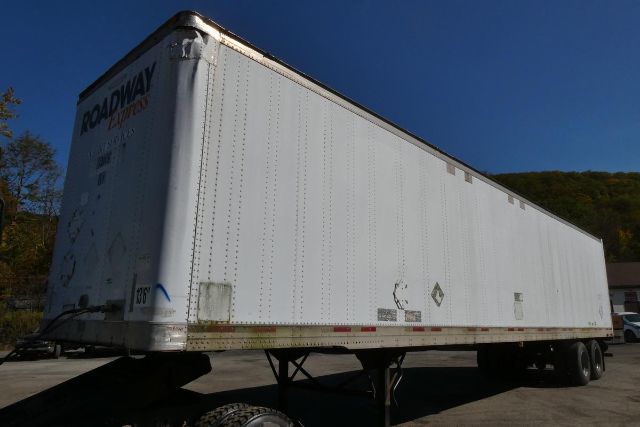
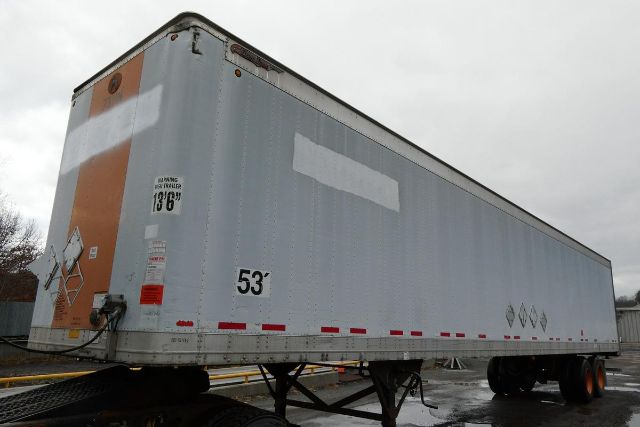
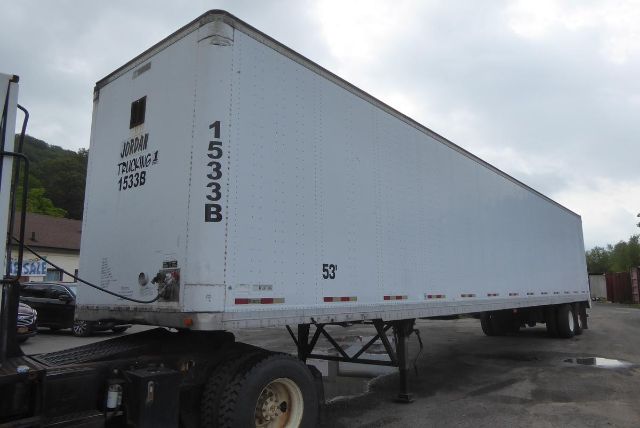
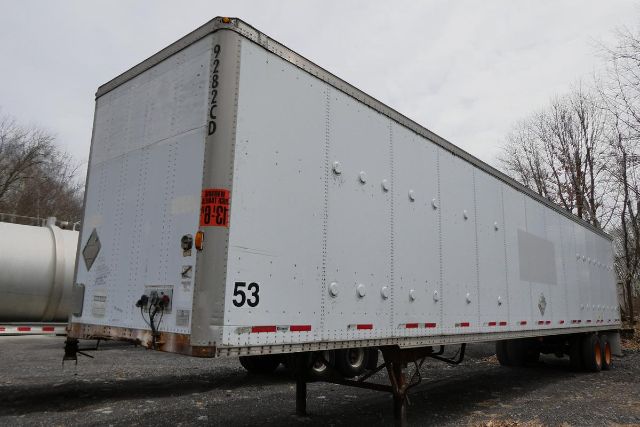
Selling a used 2000 trailer? List your used 2000 trailer for sale and reach thousands of commercial buyers.
Used 2000 Trailers in New York
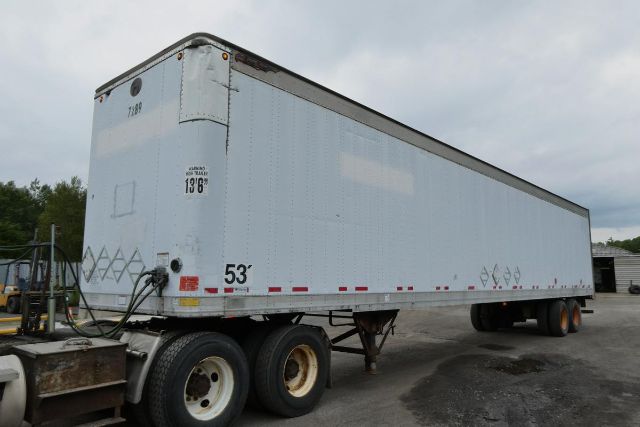
A typical trailer from around model year 2000 will often fall into the 28-foot to 53-foot range, with 48-foot and 53-foot vans being the most familiar over-the-road configurations. Common specs include 102-inch width, air brakes, 11R22.5 or 295/75R22.5 tires, steel or all-steel hub-pilot wheels, and either spring ride or air ride suspension. Slideable tandems matter in New York and across the Northeast because kingpin-to-rear-axle measurement and overall bridge compliance can affect where and how the trailer can be loaded. Fixed single axle pup or short van trailers also show up in this segment, especially for city delivery, LTL, and doubles service.
Condition matters more than age on a used 2000 trailer. Buyers should pay close attention to crossmembers, floor wear, roof bows, front wall repairs, rear frame integrity, door surround condition, and signs of corrosion around the suspension hangers and slider box. On older dry vans, roll-up doors, scuff liners, duct floors, tire inflation systems, heaters, and liftgates can add utility, but each one adds another inspection point. A working liftgate may be valuable for route delivery, while a non-functioning unit can become a removal cost if it does not fit the application. Tire age, brake condition, bushing wear, air leaks, and evidence of uneven tire wear often tell you more about the trailer’s usable life than the badge on the nose.
For many fleets and owner-operators, a used 2000 trailer is best suited for warehouse overflow, local freight, dedicated regional lanes, seasonal peaks, or operations where cosmetics matter less than dependable serviceability. Aluminum-sided vans can help keep tare weight down, while steel-heavy construction may hold up well in rough dock environments but add weight. The best buying decision usually comes down to matching trailer length, axle setup, rear door style, and floor condition to the freight being hauled. If the structure is sound and the running gear has been maintained, an older trailer can still be a practical asset for cost-conscious operations.
Frequently Asked Questions about Used 2000 Trailers in New York
What should I inspect first on a used 2000 trailer?
Start with the structure. Check the main rails, crossmembers, floor, roof, front wall, rear frame, and suspension mounting points for cracking, corrosion, or poor repairs. After that, inspect brakes, tires, wheels, air system leaks, lights, and axle alignment. On an older trailer, structural condition usually matters more than appearance because major frame or floor work can quickly exceed the value advantage of a lower-priced unit.
Are used 2000 dry van trailers still practical for commercial use?
Yes, many are still practical if the trailer has been maintained and the intended application fits its condition. Older dry vans are commonly used for regional freight, local delivery, storage, yard spotting, and seasonal overflow. They are less ideal for operations that demand a premium customer-facing appearance or highly specialized freight protection unless the trailer has been refurbished and properly equipped.
Why does tandem axle type matter on a trailer in New York?
Tandem configuration affects weight distribution, bridge-law compliance, and loading flexibility. Slideable tandems let a carrier adjust axle position to help meet state bridge requirements and balance payload more effectively. In New York and surrounding states, that flexibility can matter on heavier loads or on lanes where axle spacing rules are closely watched. Fixed axle setups are simpler, but they do not offer the same adjustment range.
What are common specs on trailers from around model year 2000?
Common specs include 48-foot or 53-foot dry van bodies, 102-inch overall width, tandem axles, air brakes, spring or air ride suspension, 11R22.5 or 295/75R22.5 tires, and wood-over-steel flooring. Many trailers from this era use aluminum sides with steel substructure, along with roll-up rear doors and steel or stainless rear surrounds. Shorter single axle van trailers are also common in city and doubles applications.
Is a liftgate or tire inflation system worth having on an older trailer?
It depends on the job and on the condition of the equipment. A liftgate can add real value for route delivery, retail, and freight that loads without a dock, but it should be checked for hydraulic leaks, electrical faults, platform damage, and parts support. A tire inflation system can help with tire life and uptime, but damaged lines or neglected components can create maintenance headaches. On older trailers, optional equipment is only an advantage if it works properly and supports the freight operation.