
Used 2000 Great Dane Trailers For Sale
Browse used 2000 Great Dane trailers for sale, including common dry van, reefer, and specialty specs, construction details, and buying tips.
Have used 2000 great dane trailer to sell? List it here to reach thousands of buyers.
Used 2000 Great Dane Trailers
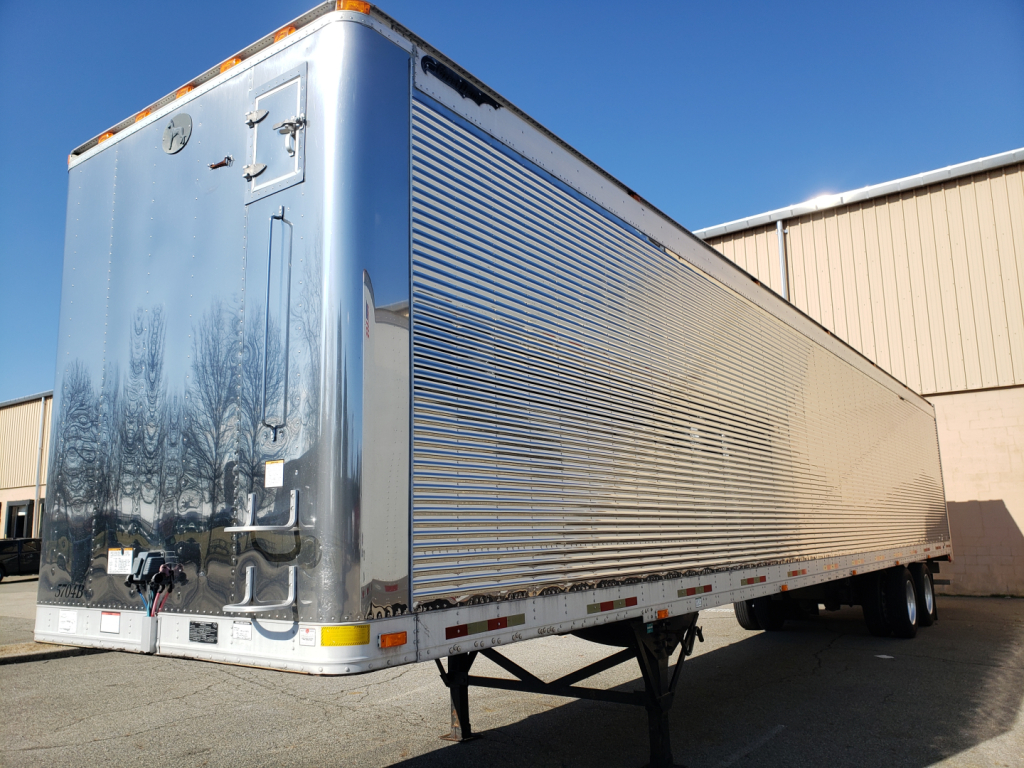
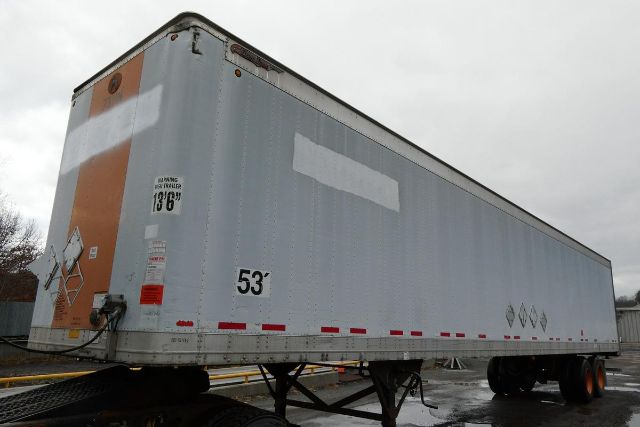
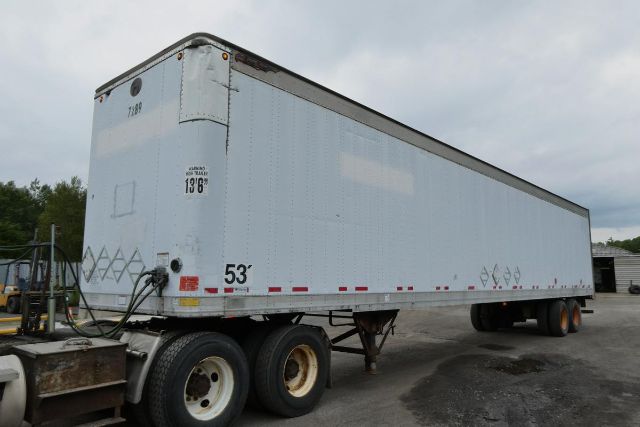
For dry van applications, many used Great Dane trailers from this era were built with aluminum sheet-and-post construction, wood or laminated floors, swing or roll-up rear doors, and tandem slide suspensions. Freight buyers usually focus on floor rating, roof condition, rear frame corrosion, and signs of repeated dock impact. On a reefer, condition of the insulated walls, duct floor, scuff liner or scuff plate, rear doors, and front bulkhead matters as much as the refrigeration unit itself. If the trailer has seen grocery, produce, or multi-stop distribution work, inspect for patch panels, moisture intrusion, and uneven floor wear around the threshold and pallet jack traffic zones.
Suspension and running gear can vary widely on a used 2000 Great Dane trailer. Air ride and spring ride are both common in the used market, and tandem sliders remain important for bridge law compliance and dock positioning. Buyers should check axle alignment, brake type, hub condition, tire size consistency, and wheel material, especially on older van and reefer trailers that may have gone through multiple fleet cycles. Landing gear, ICC bumper, wiring harnesses, ABS function, and kingpin area wear deserve close attention because these are high-use items that directly affect uptime and DOT readiness.
Great Dane trailers hold their place in the market because parts support is generally straightforward and the brand is familiar to fleets, owner-operators, and trailer repair shops across the country. The best fit depends on the job. A dry van favors general freight, retail, packaged goods, and dock-high distribution. A reefer suits temperature-controlled freight and often includes features like duct floors, cold chutes, stainless rear frames, and heavier insulation packages. On any used 2000 model, buyers should verify prior repairs, check for VIN and specification plate legibility, and match the trailer’s actual configuration to the freight it will haul rather than relying on category alone.
Frequently Asked Questions about Used 2000 Great Dane Trailers
What should I inspect first on a used 2000 Great Dane trailer?
Start with the structure. Check the main rails, crossmembers, floor, rear frame, roof bows, and kingpin area for cracks, corrosion, collision repair, and fatigue. On older trailers, these items determine service life more than appearance. After that, inspect suspension components, brakes, tires, wiring, landing gear, and door seals to understand what it will take to put the trailer into dependable service.
Are used 2000 Great Dane trailers mostly dry vans or reefers?
Great Dane is well known for both dry van and reefer trailers, so the used market can include either type along with occasional platform or specialty units. Dry vans are common in general freight service and usually emphasize low tare weight and durable floor construction. Reefers add insulated walls, specialized flooring, and refrigeration-related hardware, which means buyers need to evaluate both trailer body condition and temperature-control readiness.
What axle and suspension setups are common on older Great Dane trailers?
Closed tandem slider configurations are common, especially on 53-foot highway vans and reefers. Depending on original application and fleet spec, you may see air ride or spring ride suspension, 22.5 low-profile tires, and steel or aluminum wheels. The important part is not just the original spec but the current condition of bushings, airbags or springs, slider rails, brake components, and axle alignment.
How important is floor condition on a used Great Dane van or reefer trailer?
Floor condition is one of the most important buying factors. On a dry van, a weak or patched floor limits forklift use and can create loading problems. On a reefer, the floor also affects airflow and sanitation, especially if it uses an aluminum duct floor. Look for soft spots, broken boards, excessive patching, threshold damage, and wear patterns that suggest concentrated heavy loading or hard pallet jack use.
Do older Great Dane trailers still make sense for fleet or owner-operator use?
They can, if the trailer matches the operation and passes a careful inspection. An older Great Dane can still be a cost-effective freight trailer for regional hauling, warehouse moves, storage, seasonal lanes, or lower-cycle over-the-road work. The key is to budget for age-related repairs, confirm parts availability for the specific components on the trailer, and avoid buying solely on price without verifying structural and running gear condition.