
Used 2017 Traveling Axle Trailers For Sale
Browse used 2017 traveling axle trailers with hydraulic sliding tail, low load angles, winches, and heavy equipment hauling capability.
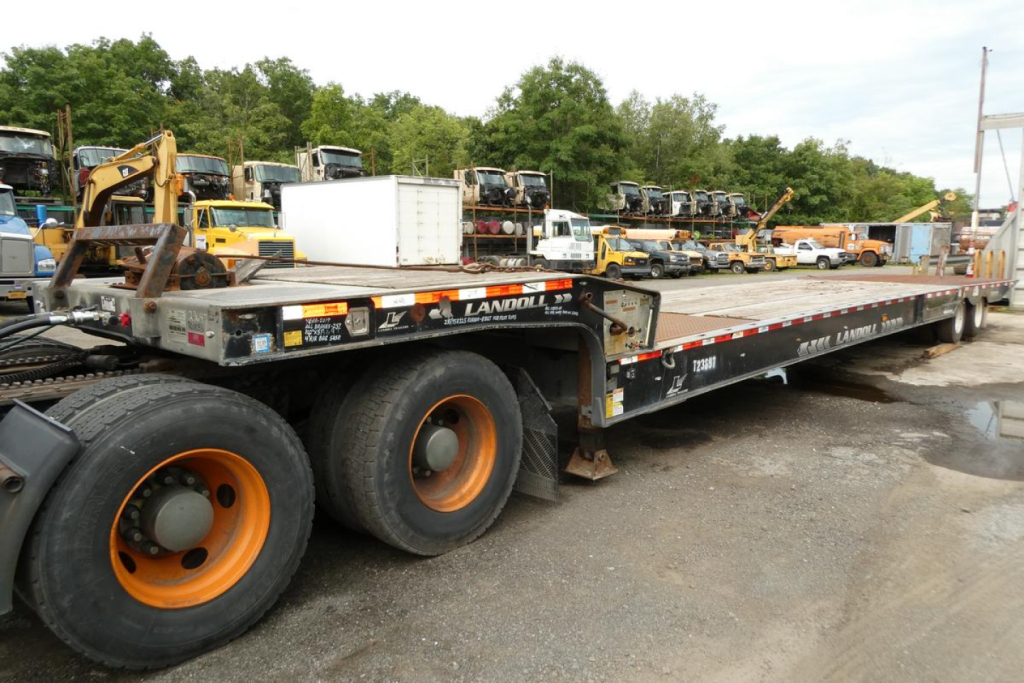
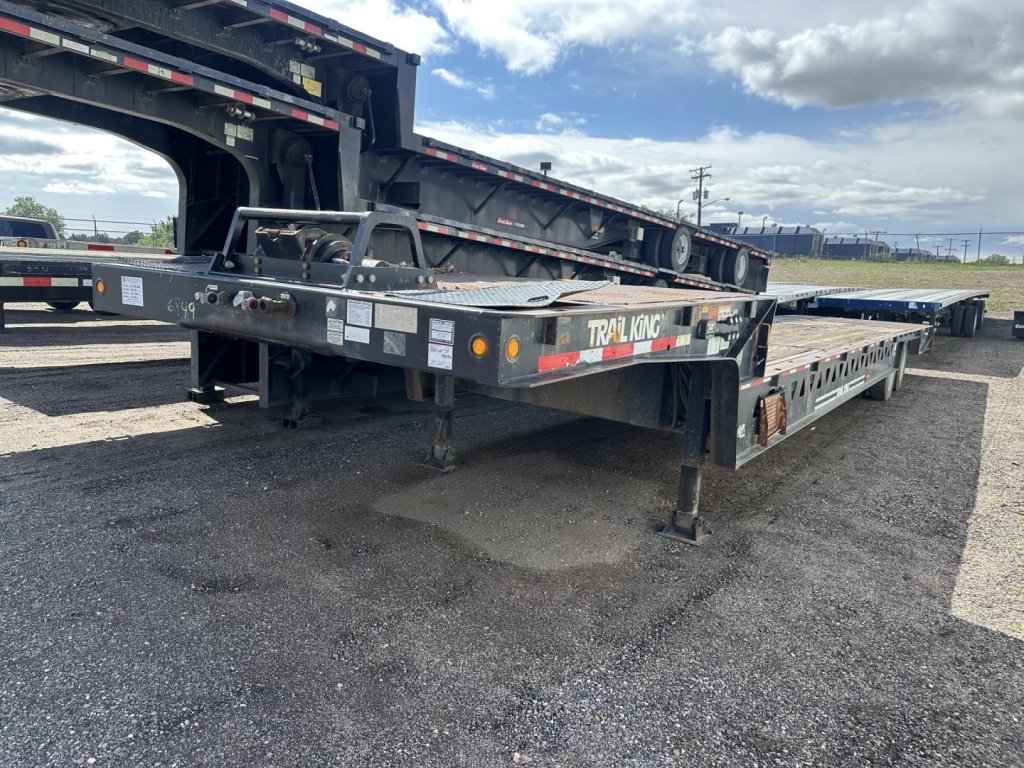
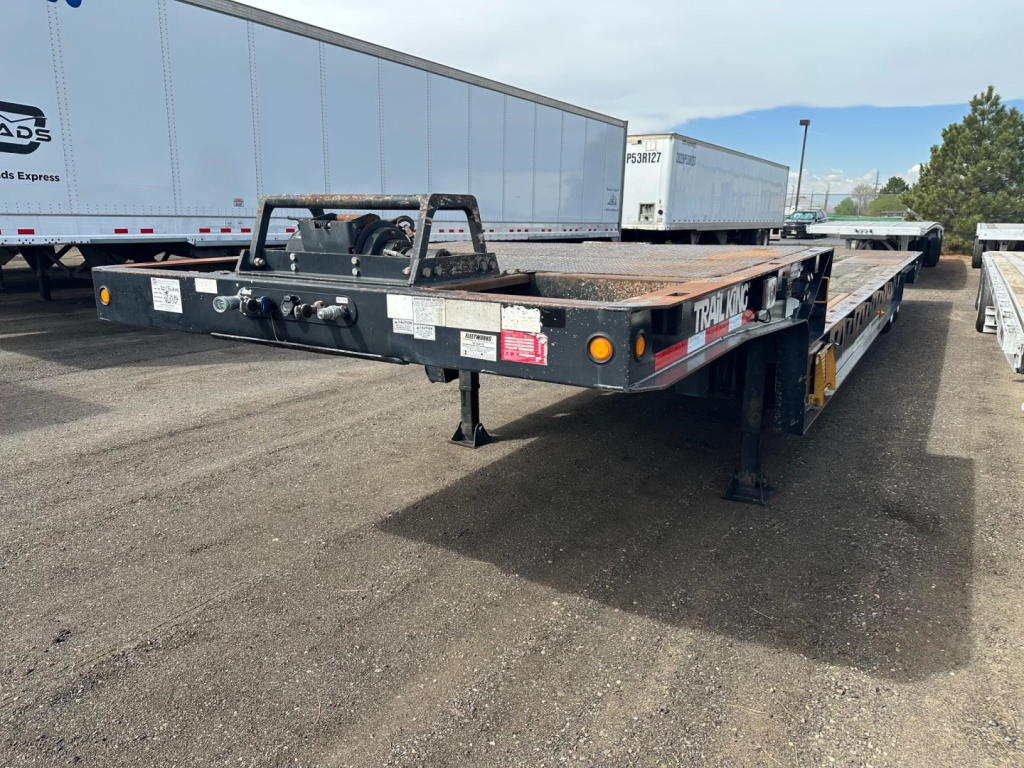
Selling a used 2017 traveling axle trailer? List your used 2017 traveling axle trailer for sale and reach thousands of commercial buyers.
Used 2017 Traveling Axle Trailers
Common 2017-era specs in this category include 48-foot to 53-foot overall lengths, 102-inch width, tandem axle configurations, and air ride suspension. Many units from this period were built with steel frames, wood or wood-over-steel decks, and 17.5 or low-profile 22.5 tires to help keep deck height down. Hydraulic traveling tails often pair with a 20,000-pound winch, upper deck ramps, chain slots, stake pockets, tool trays, and side-mounted controls. Galvanized construction is also seen on some models and can matter if the trailer has worked in corrosive environments, winter road salt, or frequent washdown conditions.
The main buying decision is matching trailer geometry to the equipment you actually move. A lower main deck and a shallower load angle can save time and reduce undercarriage contact on machines with low ground clearance. Concentrated load rating is just as important as gross vehicle weight rating, especially if you haul compact but heavy machines that put a lot of weight into a short section of deck. Check the usable length of the lower deck, upper deck height, tail length, and kingpin setting so the trailer balances correctly with your tractor and typical payload. Tire size, suspension condition, hydraulic cylinder health, remote or pony motor setup, and winch condition all affect day-to-day usability.
On a used 2017 traveling axle trailer, condition matters more than paint. Inspect the tail hinge area, deck transition points, crossmembers, frame rails, hydraulic hoses, control valves, and air system for wear or leakage. Look closely at deck surface condition, chain slot wear, landing gear integrity, and signs of stress around the suspension hangers and kingpin plate. If the trailer has a PSI tire inflation system, wireless remote, or galvanized frame, those features can add real operating value rather than just convenience. For buyers hauling construction equipment, rental fleet machines, or recovery loads, a well-spec'd 2017 traveling axle trailer still fits a productive niche between a conventional equipment trailer and a detachable gooseneck.
Frequently Asked Questions about Used 2017 Traveling Axle Trailers
What is a traveling axle trailer used for?
A traveling axle trailer is used to haul equipment that benefits from a low loading angle and lower deck height. The axle assembly slides forward hydraulically, allowing the rear deck or tail section to drop closer to the ground for easier loading. This makes the trailer especially useful for paving equipment, forklifts, scissor lifts, compact construction machines, and other cargo with low ground clearance.
What should I check first on a used 2017 traveling axle trailer?
Start with the hydraulic system, deck geometry, and structural condition. Confirm the tail slides and raises smoothly, inspect cylinders and hoses for leaks, and check for cracks or repairs around the hinge points, frame rails, suspension mounts, and kingpin area. After that, verify deck height, usable deck length, tire condition, brake condition, and winch operation, because those items directly affect how the trailer performs in daily hauling.
Is a traveling axle trailer the same as a slide axle trailer?
In most trucking and equipment hauling markets, yes. Traveling axle trailer and slide axle trailer are commonly used to describe the same basic trailer design. Some sellers may also refer to them as hydraulic tail trailers, especially when highlighting the low-angle loading function rather than the moving axle assembly itself.
Why do tire size and deck height matter on this trailer type?
Tire size and suspension setup directly influence loaded and unloaded deck height, which affects load angle and machine clearance. Many traveling axle trailers use 17.5-inch or low-profile tire setups to keep the deck lower. A lower deck usually makes loading easier for low-clearance equipment, but buyers should also consider replacement tire cost, parts availability, and how the setup matches axle rating and intended payload.
Are 2017 traveling axle trailers suitable for heavy concentrated loads?
They can be, but buyers need to look beyond the published GVWR. Concentrated load rating tells you how much weight the trailer can carry in a defined section of deck, which is critical for machines that place heavy axle loads in a short footprint. A trailer may have a strong gross rating but still need careful review of lower deck length, crossmember design, and manufacturer load concentration limits before hauling dense equipment regularly.