
Traveling Axle Trailers For Sale in Ohio
Shop traveling axle trailers for heavy equipment hauling. Compare deck length, axle travel, capacity, suspension, winch, and load angle.
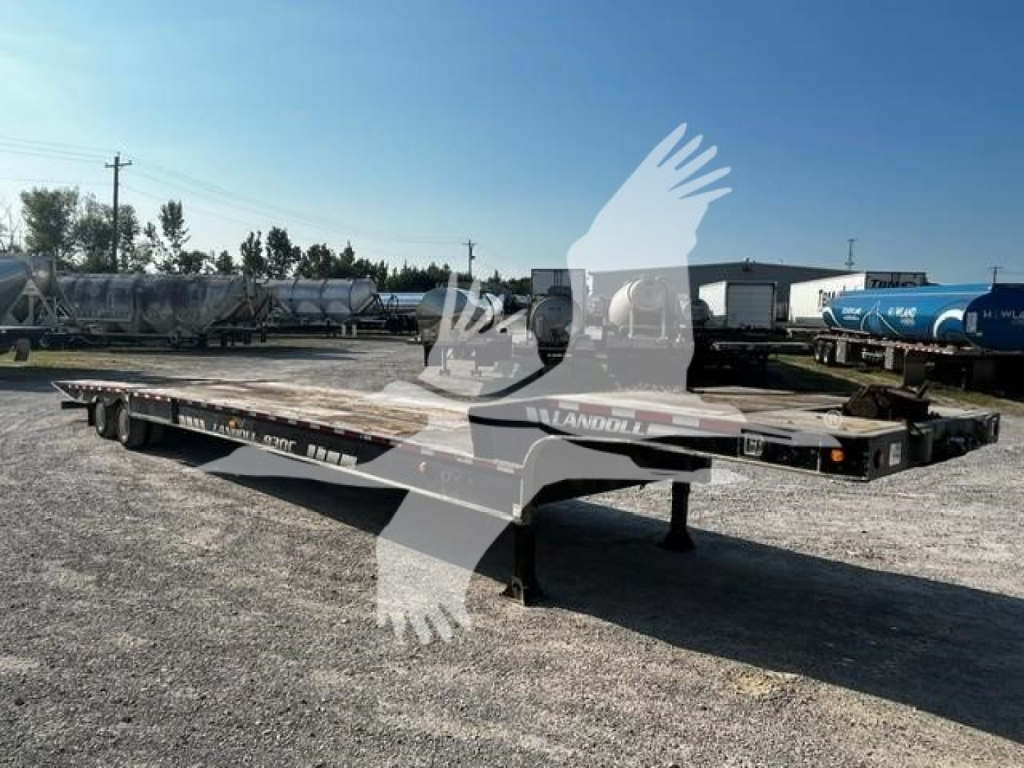
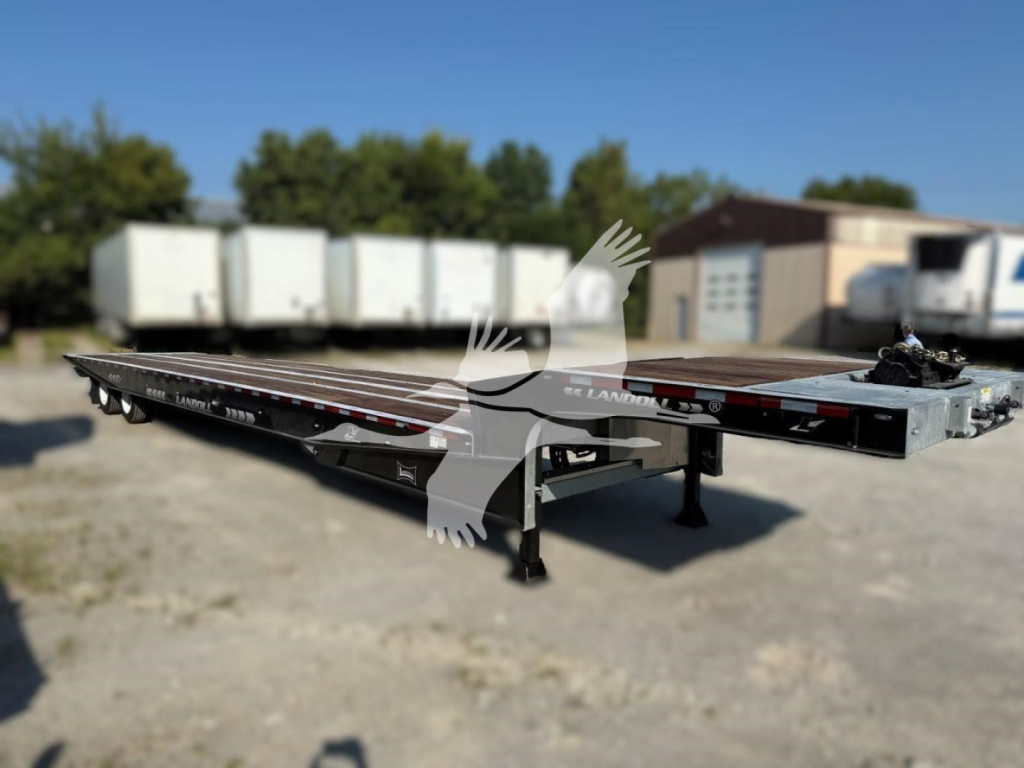
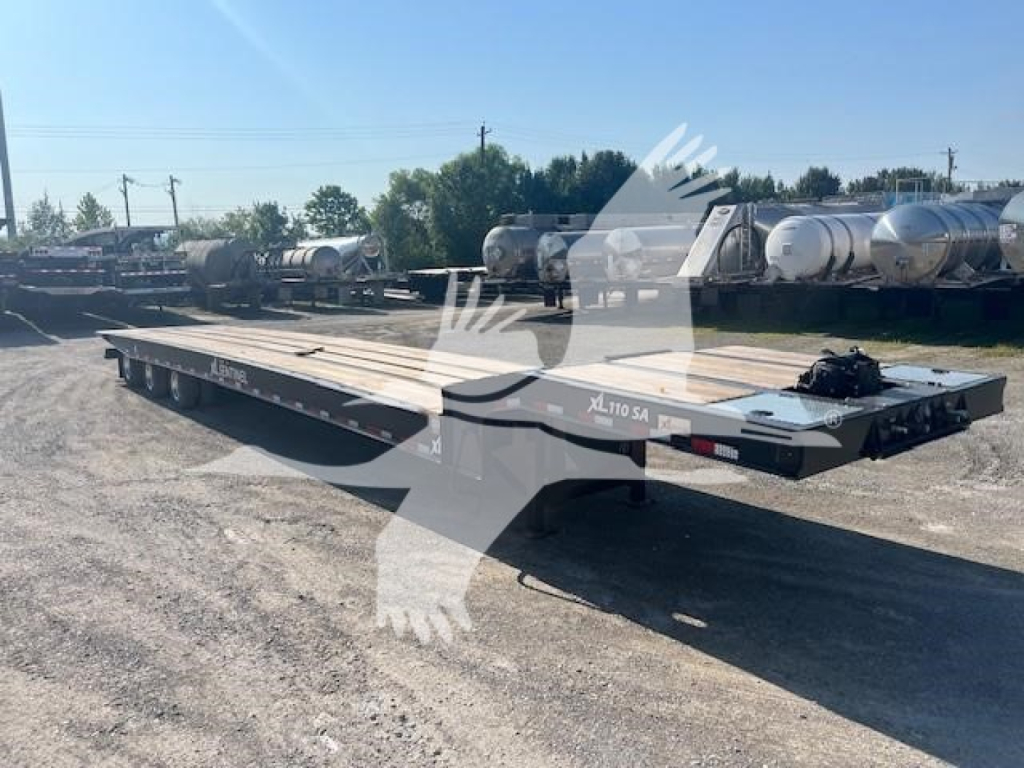
Selling a traveling axle trailer? List your traveling axle trailer for sale and reach thousands of commercial buyers.
Traveling Axle Trailers in Ohio
Capacity and configuration vary widely across this category. Lighter single-axle models are common for compact equipment and short-haul work, while tandem and tri-axle traveling axle trailers are used for heavier construction and municipal fleets. In Ohio, axle spacing, overall length, and bridge law compliance matter if the trailer will run at higher gross weights, so it pays to look closely at kingpin setting, suspension layout, and distributed load ratings instead of relying on GVWR alone. Common specs include 48-foot to 53-foot overall length, 102-inch width, steel or apitong flooring, air ride or spring suspension, and 17.5-inch tire packages. Air ride is typically preferred for more delicate machines and better loaded road manners, while spring ride can be simpler and durable in severe service.
Hydraulics are a major buying decision on a traveling axle trailer. Many units run from a tractor wet kit, while others may have self-contained hydraulic systems depending on the build. A hydraulic winch with wireless remote is a valuable feature for dead equipment, and chain slots, D-rings, pocket tie-downs, and chain drops should be checked carefully for both quantity and placement. Crossmember spacing, side rail design, and concentrated load rating matter if the trailer will see repetitive loading from steel-track equipment or point-loaded machines. Deck construction also matters. Apitong floors are popular for grip and serviceability, while steel floors can hold up well in abrasive applications but may change traction and repair costs.
For many buyers, the advantage of a traveling axle trailer is speed and simplicity. You can load from the rear, avoid detachable neck components, and keep a trailer versatile enough for mixed equipment hauling. The tradeoff is that you still need the right approach angle, deck strength, and axle setup for the machines you move most often. Look closely at loaded deck height, swing clearance, suspension condition, tire and brake wear, hydraulic response, and signs of stress around the transition area and axle rails. A well-matched traveling axle trailer can cover a wide range of paving, rental, utility, and general construction hauling without stepping up to a more specialized lowboy.
Frequently Asked Questions about Traveling Axle Trailers in Ohio
What is a traveling axle trailer used for?
A traveling axle trailer is used to haul equipment that benefits from a lower loading angle but does not require a detachable gooseneck trailer. By sliding the axle group to the rear, the deck tilts to create a shallower approach for loading machinery such as skid steers, rollers, pavers, forklifts, small excavators, and similar construction equipment. This design makes the trailer especially useful for fleets that load and unload frequently and need a versatile rear-loading platform.
What is the difference between a traveling axle trailer and a detachable lowboy?
A traveling axle trailer loads from the rear by moving the axle assembly, while a detachable lowboy separates at the neck for front loading. Traveling axle trailers are generally simpler and faster for mixed equipment hauling, with fewer detachable components to maintain. A detachable lowboy is usually the better choice for taller, heavier, or more specialized machinery that needs the lowest possible deck height and the easiest loading path. The right choice depends on the machine mix, weight, and how often the trailer is reconfigured.
What specs matter most when buying a traveling axle trailer?
The most important specs are rated capacity, deck height, load angle, axle configuration, hydraulic system type, and tie-down layout. Buyers should also review kingpin setting, crossmember spacing, concentrated load rating, suspension type, floor material, and tire size. These details affect how the trailer tracks, how easily equipment loads, and how well the structure holds up under repeated use with point-loaded or tracked machines.
Is air ride or spring ride better on a traveling axle trailer?
Air ride is often preferred when ride quality, machine protection, and loaded stability are priorities. It can help reduce shock transfer to sensitive equipment and may offer better road manners over longer distances. Spring ride remains a solid option for buyers who want mechanical simplicity and proven durability in rough service. The better suspension depends on the type of equipment hauled, maintenance practices, and operating conditions.
What should I inspect on a used traveling axle trailer?
Pay close attention to the hydraulic slide function, winch operation, frame condition around the transition and axle rails, deck wear, tie-down integrity, suspension components, brake condition, and tire wear. Check for uneven axle movement, cracked welds, bent crossmembers, and excessive wear in the sliding mechanism. On heavier units, inspect the floor and main beams for signs of concentrated load damage from tracked equipment. A used trailer can look serviceable at first glance but still have expensive issues in the hydraulics or structure.