
Tremcar Tank Trailers For Sale
No exact matches found for your search
Showing Tank Trailers instead.
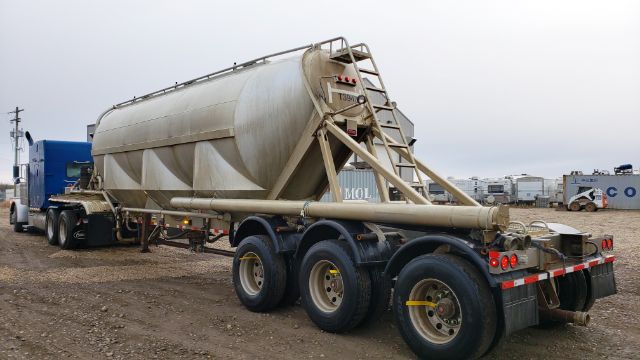
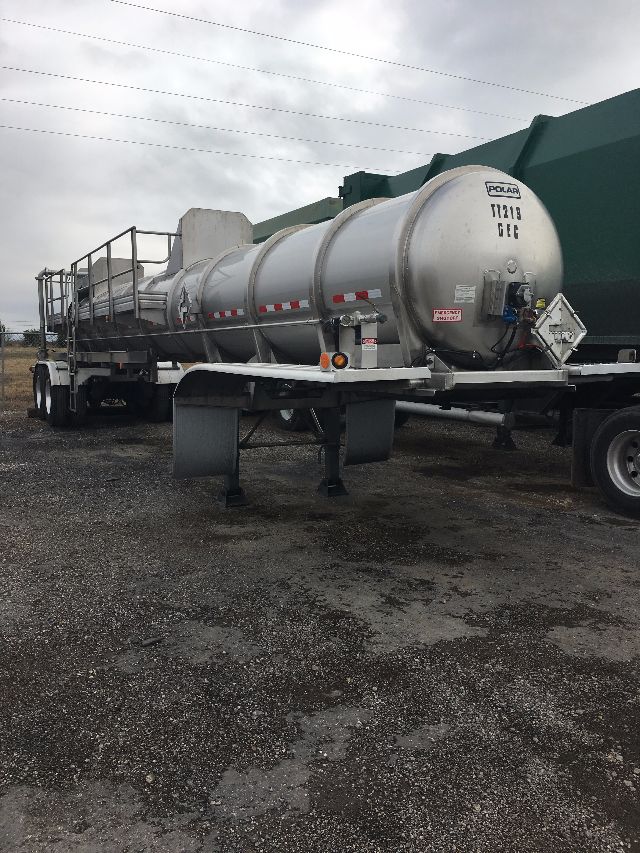

Have tremcar tank trailer to sell? List it here to reach thousands of buyers.
Tremcar Tank Trailers
A Tremcar tank trailer can be set up with single or multiple compartments, center or rear discharge, and equipment such as vapor recovery, pump systems, air-ride or spring suspension, hose tubes, and cabinet storage. Stainless barrels such as 316 stainless are common where product compatibility and corrosion resistance matter. Compartment count is a major buying point for fleets hauling multiple products or split drops, while tank shape, bulkhead design, and manhole arrangement affect cleanout time, surge control, and unloading efficiency. On chemical and industrial tanks, buyers also pay close attention to pressure package details, outage, internal finish, and valve layout because those items directly affect commodity compatibility and turnaround time.
Capacity and axle layout should match the intended route and product weight, not just the maximum gallon number. A 7,000-gallon trailer may be ideal for heavier liquids, while lighter products may allow a larger barrel without running into weight limits. Trailer length, suspension type, wheel material, and tire profile all influence payload, maintenance cost, and regional maneuverability. In used Tremcar tank trailers, inspection points usually include barrel condition, weld quality, lining or stainless integrity, signs of prior product contamination, valve wear, suspension condition, and the serviceability of fittings, hoses, and discharge components. Documentation matters too, especially on coded tanks where buyers want to confirm the original spec, testing history, and any changes to the plumbing or safety equipment.
For many buyers, the value in a Tremcar trailer is in finding a tank that already matches the commodity and unloading method instead of planning a major rework after purchase. A food-grade setup, a DOT 407 chemical trailer, and a petroleum-spec tank can look similar at a glance but differ significantly in internals, seals, closures, and compliance details. The best comparison points are tank code, barrel material, compartment layout, discharge configuration, suspension, and proof that the trailer has been maintained for the service it was built to handle.
Frequently Asked Questions about Tremcar Tank Trailers
What should I check first when buying a used Tremcar tank trailer?
Start with the tank code and intended commodity. A Tremcar trailer built to DOT 407 service is very different from a petroleum or food-grade configuration, even if the overall trailer looks similar. After confirming the code, review barrel material, compartment layout, discharge style, pressure package, and maintenance records. Buyers should also inspect valves, fittings, suspension, tires, manholes, and the barrel itself for damage, contamination, or repairs that could affect the trailer's next application.
Are Tremcar tank trailers used for chemical, food-grade, and petroleum hauling?
Yes. Tremcar builds tank trailers for several liquid hauling applications, including chemical, petroleum, and food-grade service, depending on the original specification. The important point is not just the brand but the exact tank configuration. Barrel material, internal finish, seal materials, plumbing arrangement, and regulatory code determine what products the trailer can haul safely and legally.
Why does compartment count matter on a tank trailer?
Compartment count affects operational flexibility, product segregation, and route efficiency. A multi-compartment Tremcar tank trailer can handle split loads or multiple products on one trip, which is useful for regional delivery work. That same setup can add complexity in plumbing, cleaning, and maintenance. A single-compartment tank is often simpler for dedicated product service and may be easier to clean between loads.
What is the benefit of a stainless steel Tremcar tank trailer?
Stainless steel is commonly chosen for corrosion resistance, long service life, and compatibility with a wide range of products. Grades such as 316 stainless are especially valuable in chemical and specialty liquid applications where product purity and barrel durability matter. Stainless construction can also hold value well in the resale market, but buyers still need to verify the exact grade, condition, and service history before purchase.
How do I choose the right gallon capacity for a Tremcar tank trailer?
Choose capacity based on product weight, legal payload, and route conditions rather than assuming a larger tank is better. Heavier liquids can reach axle limits before the trailer is filled, so a lower gallon capacity may actually be the correct spec. Lighter products may allow a larger barrel and better volume efficiency. Trailer length, axle configuration, and state bridge laws should all be considered along with the commodity's specific gravity.