
New Talbert Trailers For Sale
No exact matches found for your search
Showing New Trailers instead.
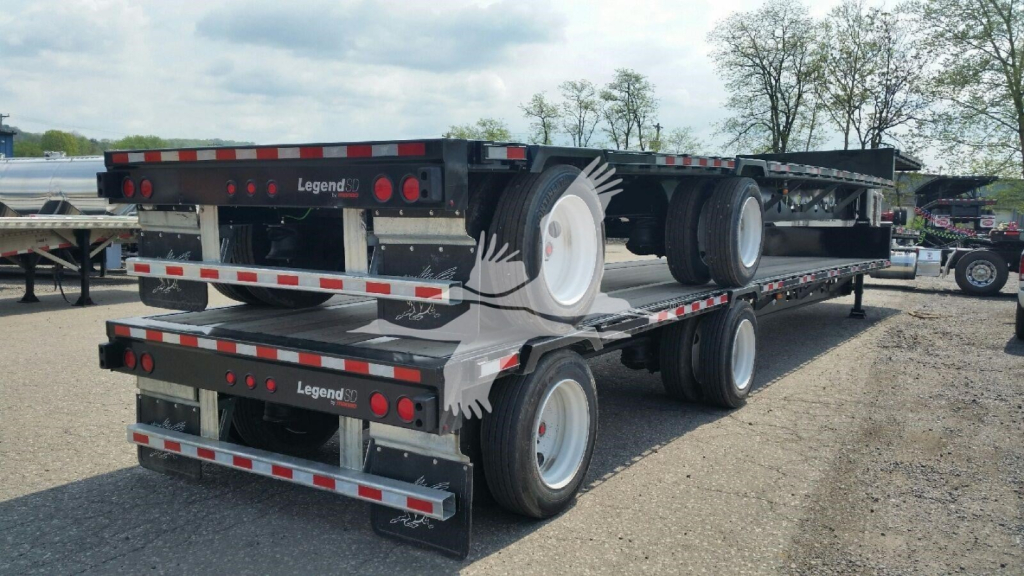
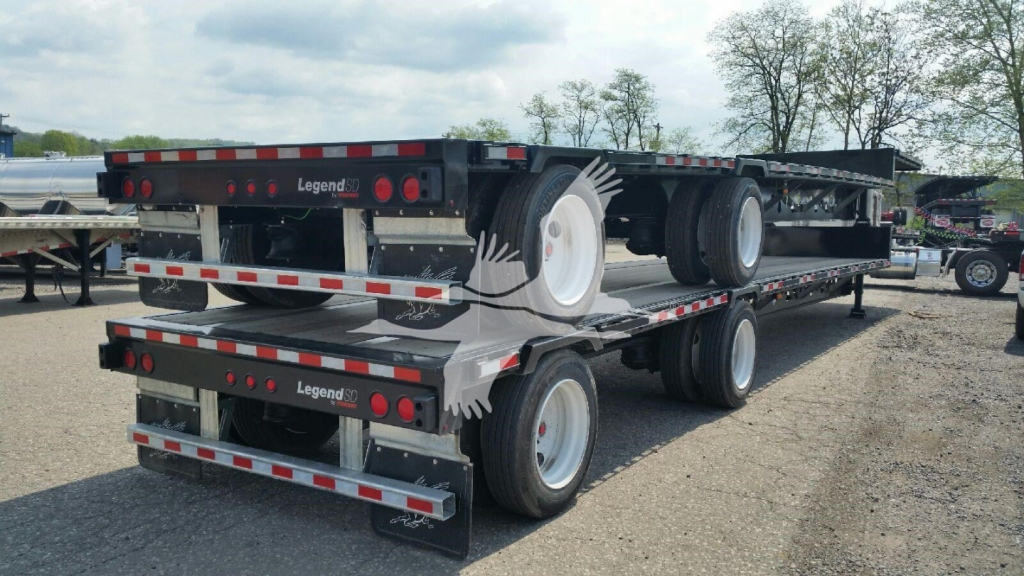
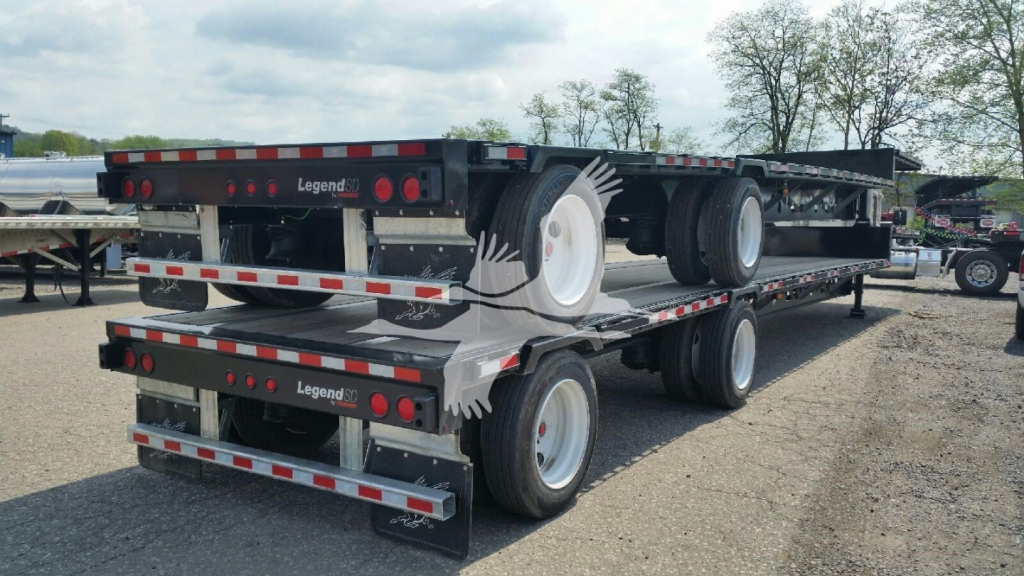
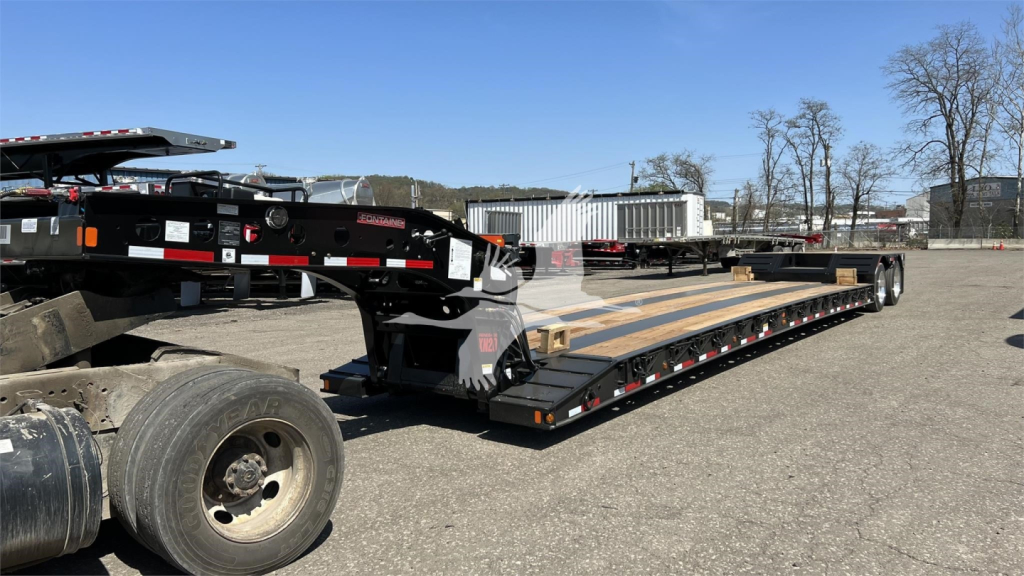
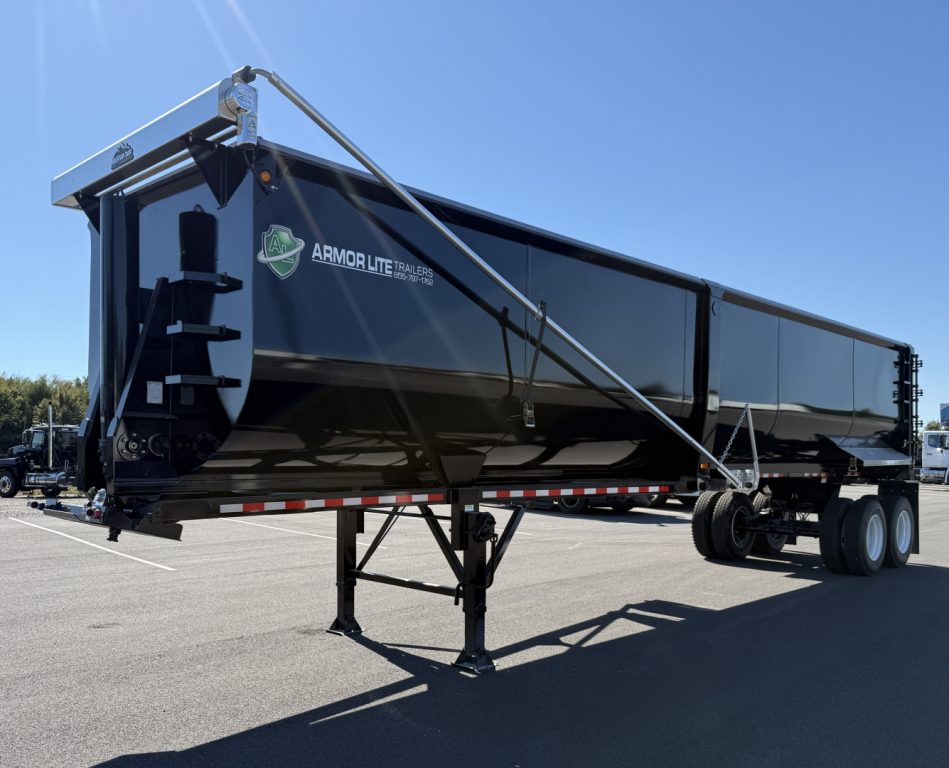
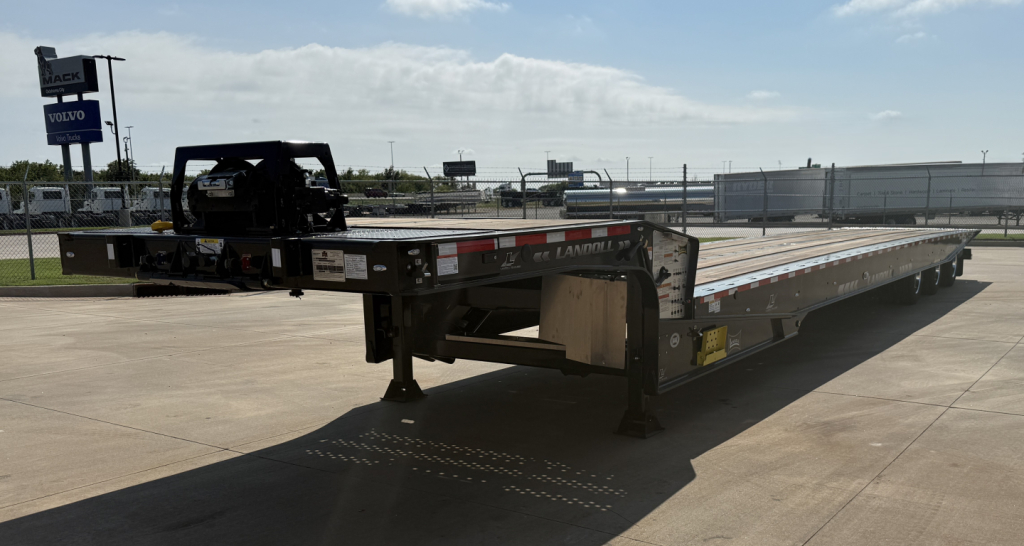
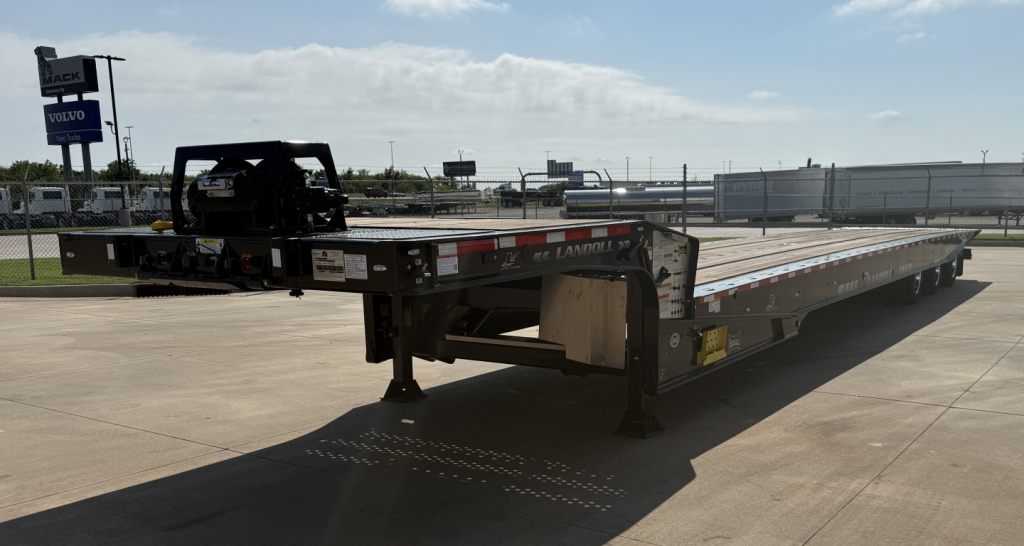
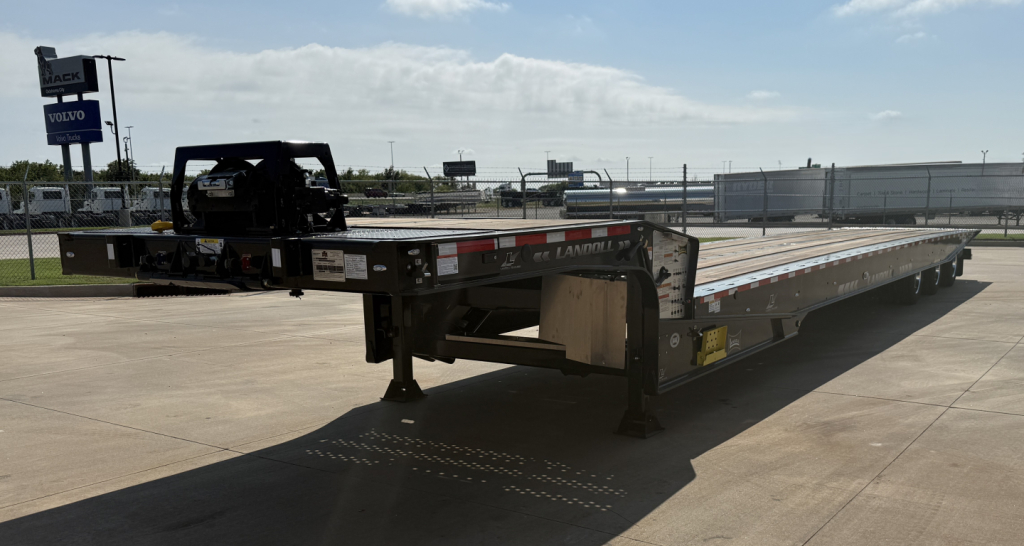
Showing 133 to 144 of 811 results
Have new talbert trailer to sell? List it here to reach thousands of buyers.
New Talbert Trailers
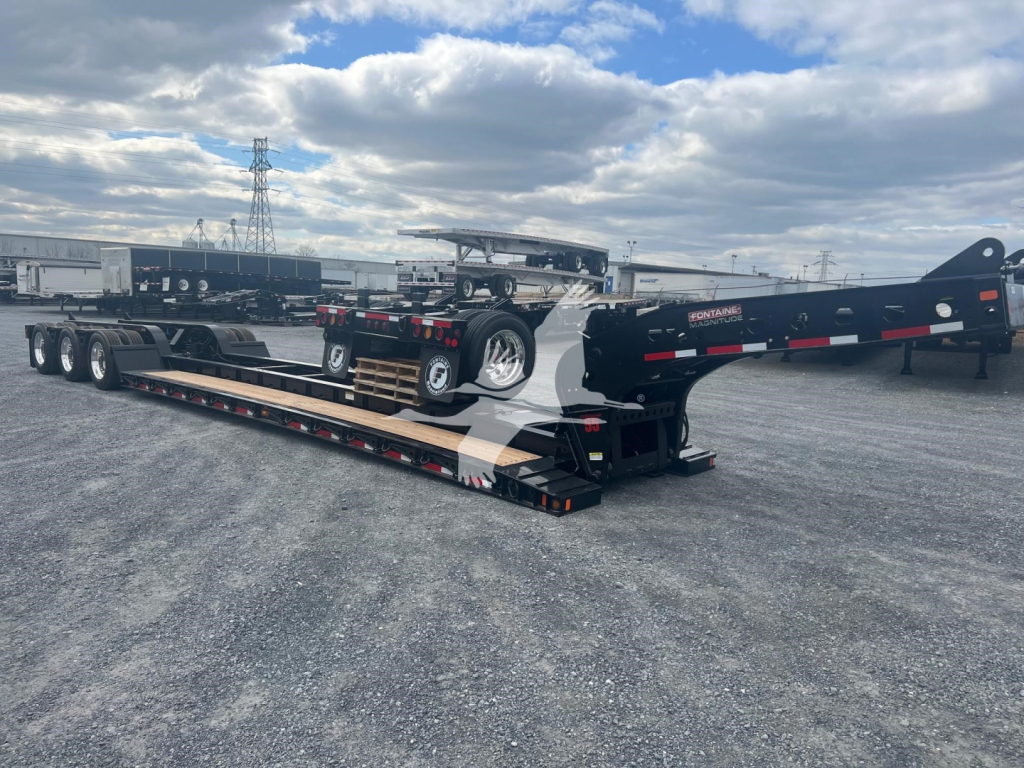
A lot of purchase decisions in new Talbert trailers come down to load profile and routing. A 55-ton class hydraulic detachable lowboy is a common fit for excavators, dozers, pavers, crushers, and other tall or concentrated-weight equipment that benefits from a low loaded deck height. Listings in this group show typical heavy-haul specs such as 18-inch to 20-inch loaded deck heights, tri-axle layouts, 25,000-pound axles, air ride suspension, hydraulic removable goosenecks, and Apitong or wood floors over steel construction. Buyers should also pay attention to kingpin settings, axle spacing, boom wells, bucket wells, flip ramps, and whether the trailer is 4th-axle capable or already includes a flip axle for higher legal payload flexibility.
Talbert trailers are often chosen because the platform can be tailored to the freight instead of forcing the freight to fit the trailer. A flat level deck lowboy works well for versatile equipment hauling, while a close-coupled or open-boom-well configuration may be better for machines with long undercarriages, deep stick clearance needs, or concentrated center weight. Common options include manual raise-and-lower valves, battery backup with strobes, D-rings, removable outriggers, spreader bar preparation, aluminum outer wheels, and drum brake setups. For buyers running multiple states, the practical questions are trailer weight, bridge law compliance, deck length, and how easily the configuration can adapt to future permitting or axle additions.
New-spec Talbert trailers also appeal to fleets that want current lighting, suspension, and hydraulic systems from day one rather than inheriting wear points from an older heavy-haul trailer. When comparing listings, look closely at loaded deck length, overall deck construction, neck type, axle arrangement, tire size, and rated capacity in the loaded well versus the full deck. Those details affect how the trailer handles legal loads, non-divisible loads, loading angle, and jobsite usability. For contractors, rigging companies, and specialized carriers, a properly spec'd new Talbert trailer can improve loading efficiency, reduce permitting headaches, and hold value well in demanding service.
Frequently Asked Questions about New Talbert Trailers
What types of new Talbert trailers are most common in this category?
The most common new Talbert trailers in this category are lowboy and lowbed trailers, especially hydraulic removable gooseneck models in the 50-ton to 55-ton class. Buyers will also see flat level deck configurations, close-coupled designs, open boom well layouts, and trailers set up for flip axles or spreader bars. These designs are aimed at hauling heavy equipment with lower deck height and better weight distribution than a standard flatbed trailer.
What should I look at first when comparing new Talbert lowboy trailers?
Start with capacity, loaded deck height, and gooseneck design because those three factors determine what equipment you can legally and practically haul. After that, compare deck length, boom or bucket well design, axle count, axle spacing, suspension type, and kingpin settings. Buyers should also verify if the trailer is 4th-axle capable, includes a flip axle, or has removable outriggers and ramp options, since those features can change the trailer's usefulness across different loads and permit requirements.
Why does deck height matter so much on a Talbert heavy-haul trailer?
Deck height directly affects overall loaded height, and that is critical when moving tall construction and paving equipment. An 18-inch to 20-inch loaded deck height can create valuable clearance under bridges and utility lines compared with a taller trailer. Lower deck height also improves stability for top-heavy machines, but buyers still need to balance that advantage against ground clearance, loading angle, and the type of terrain the trailer will see on jobsites.
Are new Talbert trailers suitable for over-the-road heavy haul as well as local equipment moves?
Yes. Many new Talbert trailers are spec'd for both regional and over-the-road heavy haul, but the exact setup matters. A tri-axle hydraulic detachable lowboy with air ride suspension, proper kingpin placement, and provisions for additional axle capacity is often a strong choice for multi-state hauling. Local contractors may prioritize loading convenience, rugged flooring, and ramp configuration, while over-the-road carriers usually place more emphasis on bridge compliance, permit flexibility, and adaptable axle arrangements.
What flooring and construction materials are common on new Talbert trailers?
Steel main construction with a wood or Apitong floor is a common setup on new Talbert trailers. Steel provides the structural strength needed for concentrated equipment loads, while Apitong and other hardwood flooring materials hold up well under tracked machinery and repeated loading cycles. Buyers should inspect how the floor works with the deck design, outriggers, and tie-down layout because floor durability, traction, and repairability all affect long-term operating cost.