
Used 2011 Cam Tag Trailers For Sale in New York
Shop used 2011 Cam tag trailers with tandem axles, steel frames, wood decks, and fold-up ramps for equipment and light machinery hauling.
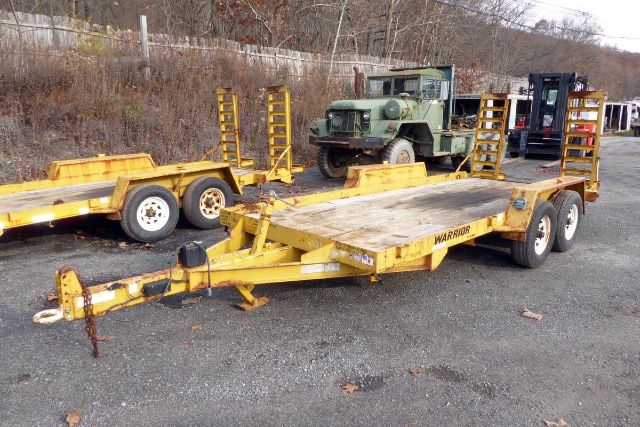
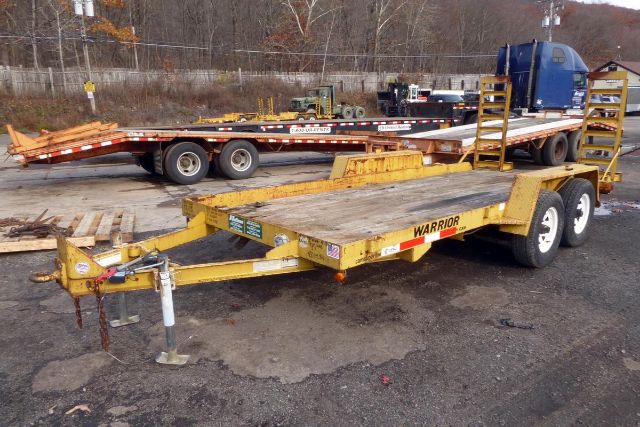
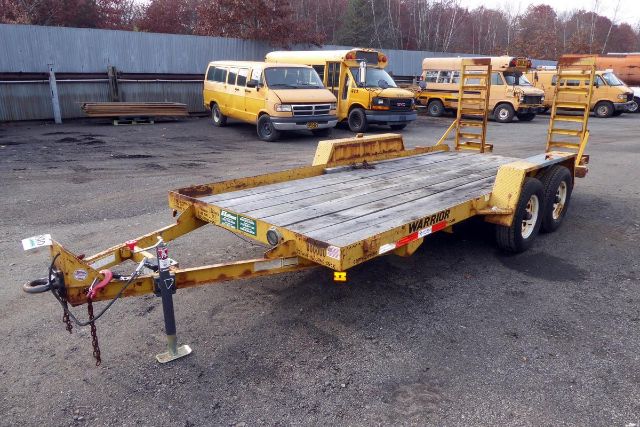
Have used 2011 cam tag trailer to sell? List it here to reach thousands of buyers.
Used 2011 Cam Tag Trailers in New York
The first buying decision is payload, not overall length. A trailer weighing roughly 2,300 to 3,200 lbs with a 7,996 to 9,996 lb GVWR will commonly net a useful payload suited to 3-ton class work, but actual carrying capacity depends on the exact empty weight and equipment setup. Tandem spring suspension, 225/75R15 tires, and 6-lug wheels are common on this type of Cam trailer, and those are practical, easy-to-source specs for many contractors and landscape fleets. Deck width also matters. A deck around 6 feet 5 inches between the fenders is workable for many compact machines, but buyers should confirm track width, bucket overhang, and attachment fit before committing.
On a used 2011 model, brake condition deserves close attention. Electric brakes are common in this class, and used examples may show anything from fully functional operation to weak or non-working systems. That makes brake wiring, magnets, breakaway components, and controller compatibility worth checking before purchase. Ramp condition is another key inspection point, especially on trailers with fold-up ramps that have seen repeated equipment loading. Look at hinge wear, ramp support points, deck board condition, and any frame repairs around the rear beavertail area. On steel-frame trailers from this era, rust around crossmembers, spring hangers, and tongue structure is often more important than cosmetic paint condition.
For New York buyers, a tag trailer in this size range can be a practical fit for local hauling, municipal work, landscaping, rental support, and farm use where maneuverability matters more than maximum capacity. Cam Warrior tag trailers are known as straightforward utility and equipment trailers, not highly specialized hauling platforms, which is often an advantage for owners who want simple serviceability and lower operating costs. The best match is a trailer whose GVWR, deck space, ramp setup, coupler, and brake condition line up with the actual machine being hauled day after day.
Frequently Asked Questions about Used 2011 Cam Tag Trailers in New York
What can a used 2011 Cam tag trailer typically haul?
A used 2011 Cam tag trailer in this class is commonly set up to haul compact equipment such as skid steers, stand-on or ride-on mowers, small tractors, mini excavators, compact utility loaders, and light attachments. Most examples are better suited to 3-ton class work than heavier construction iron, so the real question is not just trailer size but actual payload after subtracting the empty trailer weight from the GVWR.
What specs matter most when comparing 2011 Cam tag trailers?
GVWR, empty weight, deck width, ramp design, axle rating, and brake condition should be at the top of the list. Many trailers in this category use tandem axles, spring suspension, 225/75R15 tires, steel frames, and wood floors, but small differences in trailer weight or deck dimensions can change whether a machine fits safely and legally. Buyers should also verify coupler type, lighting, and title or registration requirements in their state.
Are electric brakes a common issue on older used tag trailers?
Yes. Electric brakes are common on tag trailers from this era, and they are one of the first systems to inspect on a used unit. Weak braking can come from worn magnets, damaged wiring, poor grounds, corroded connectors, failed breakaway batteries, or brake assemblies that are out of adjustment. A trailer with marginal brakes can turn into a repair project quickly, so a full brake function check is important.
Is a wood-deck steel-frame Cam tag trailer a good long-term setup?
It can be a very practical long-term setup because the design is simple, parts are widely available, and repairs are usually straightforward. Steel frames are durable but should be checked closely for rust, especially at crossmembers, spring hangers, and the tongue. Wood decks are serviceable and easy to replace, but buyers should inspect for soft spots, split boards, and fastener pull-through caused by repeated machine loading.
How do I know if the trailer is the right size for my equipment?
Start with the machine's operating weight, overall width, tire or track stance, and the length needed for the machine plus attachments. Then compare those numbers to the trailer's net payload, usable deck length, deck width between fenders, and ramp capacity. A compact trailer can look adequate on paper but still be a poor fit if the equipment is too wide, too nose-heavy, or loads at an unsafe ramp angle.