
Used Utility Refrigerated Trailers For Sale in South Dakota
Shop used Utility refrigerated trailers with proven reefer performance, air ride suspensions, and specs suited for food-grade freight.
Learn more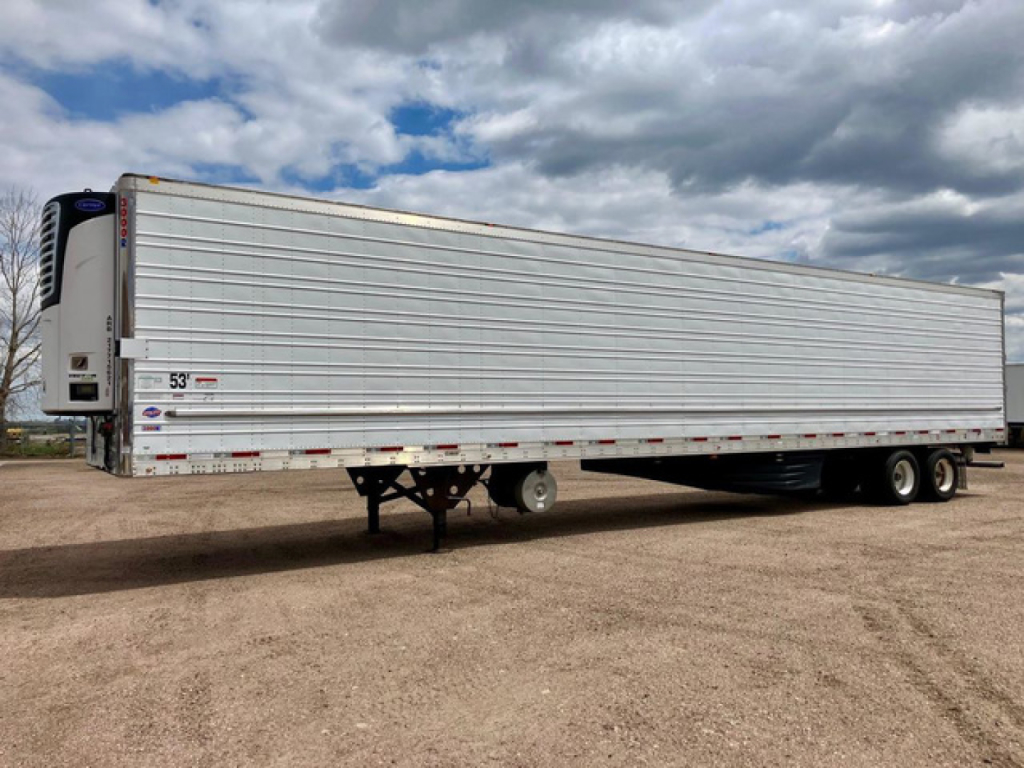
Showing 13 to 13 of 13 results
Have used utility refrigerated trailer to sell? List it here to reach thousands of buyers.
About Used Utility Refrigerated Trailers in South Dakota
A buyer comparing used Utility reefer trailers should start with the refrigeration package and total unit hours. Common setups include Thermo King and Carrier units, and both can be strong choices if service history is documented and the unit pulls down to setpoint correctly. Beyond the reefer unit, pay close attention to air ride suspension, tire inflation systems, brake type, and door configuration. Features such as stainless steel front lock boxes, rear door vents, rear flip-out steps, aluminum wheels, and disc brakes can add day-to-day value depending on the route and loading environment. Utility trailers are also commonly spec'd with food-service-friendly interiors such as Versitex linings, which are easier to maintain and important when you're evaluating cleanliness, wall damage, and signs of prior pallet impact.
On a used reefer, condition details tell the real story. Tire tread depth by wheel position, suspension wear, floor condition, roof integrity, and rear frame area are all worth close inspection. Check the scuff liner area, crossmember condition, drain condition, and door hardware for signs of heavy dock use or moisture intrusion. Reefer buyers should also verify how the trailer was operated, including multi-temp or single-temp use, average running hours, and maintenance intervals for the diesel-powered refrigeration unit. If the trailer has air ride and an automatic tire inflation system, that can help reduce cargo shock and improve tire life over long regional or over-the-road lanes.
Utility refrigerated trailers also hold appeal because they fit a wide range of operations, from dedicated grocery and distribution work to spot-market refrigerated hauling. The most common configuration in this class is a 53-foot tandem axle reefer trailer with swing rear doors, but exact specifications can vary by roof construction, lining, brake package, and reefer brand. Buyers looking at used Utility reefer trailers should focus on three things first: insulation and body condition, refrigeration performance, and maintenance records. A clean used reefer with the right unit, manageable hours, and a sound trailer body can deliver dependable service for years in demanding cold-chain work.
Frequently Asked Questions
What should I check first on a used Utility refrigerated trailer?
Start with the refrigeration unit, trailer body condition, and maintenance history. Confirm the reefer reaches and holds setpoint, review engine hours and service records, and inspect the trailer for floor damage, wall damage, roof issues, door seal wear, and rear frame stress. On a Utility reefer, interior liner condition, suspension condition, and tire wear patterns are also important because they can reveal how the trailer was used and maintained.
Are Utility reefer trailers a good choice for food-grade hauling?
Utility refrigerated trailers are widely used in food-grade service because they are known for durable construction, practical weight, and broad dealer and parts support. Many are equipped with washable interior liners, air ride suspension, and proven Thermo King or Carrier reefer units. A used model can be a strong fit for food distribution if the interior is clean, the floor is sound, and the refrigeration system has been maintained properly.
How many reefer unit hours is too many on a used trailer?
There is no single hour threshold that automatically makes a used reefer trailer a bad buy. Unit hours need to be evaluated alongside service records, rebuild history, pull-down performance, and overall trailer condition. A higher-hour Thermo King or Carrier unit that has been maintained on schedule can still be a better purchase than a lower-hour unit with poor records or inconsistent performance.
What features add value on a used Utility reefer trailer?
Buyers often look for air ride suspension, tire inflation systems, disc brakes, aluminum wheels, stainless steel lock boxes, and clean food-grade interior linings. Rear door vents, quality door hardware, and good tread depth can also improve day-to-day usability and reduce near-term maintenance costs. The best value usually comes from a trailer with a balanced spec package and a clear maintenance history rather than from one standout feature alone.
Why does reefer trailer condition matter so much in cold climates like South Dakota?
Cold climates put extra stress on reefer trailers, refrigeration units, door seals, wiring, and air systems. In South Dakota, a used reefer should be inspected for seal condition, moisture intrusion, corrosion, suspension performance, and reliable cold-weather starting of the refrigeration unit. A trailer that has been maintained well in this environment can perform very well, but deferred maintenance tends to show up quickly when temperatures drop.