
Used Refrigerated Trailers For Sale in Nebraska
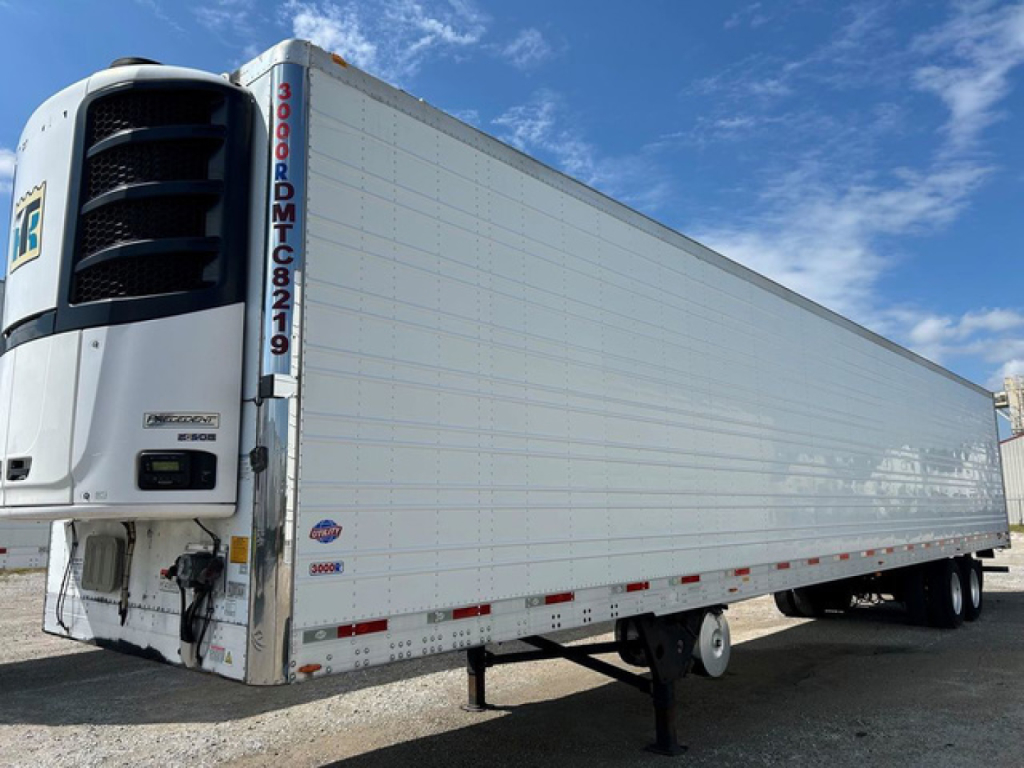
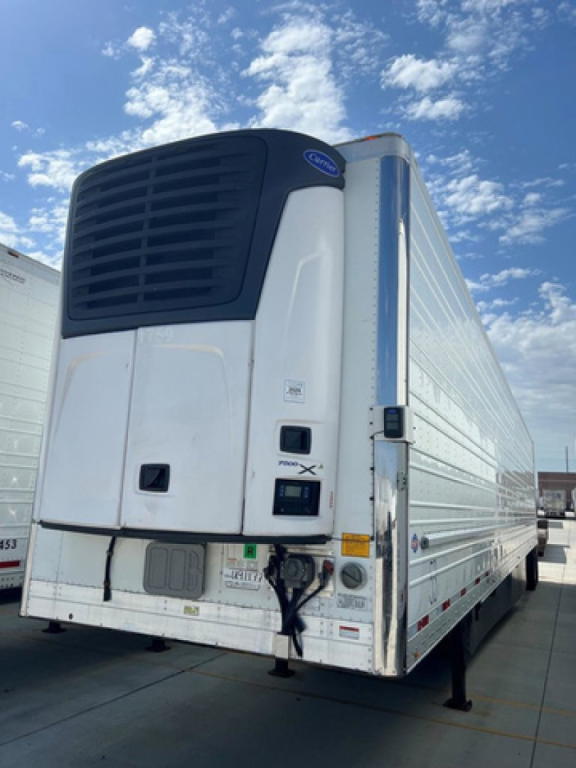
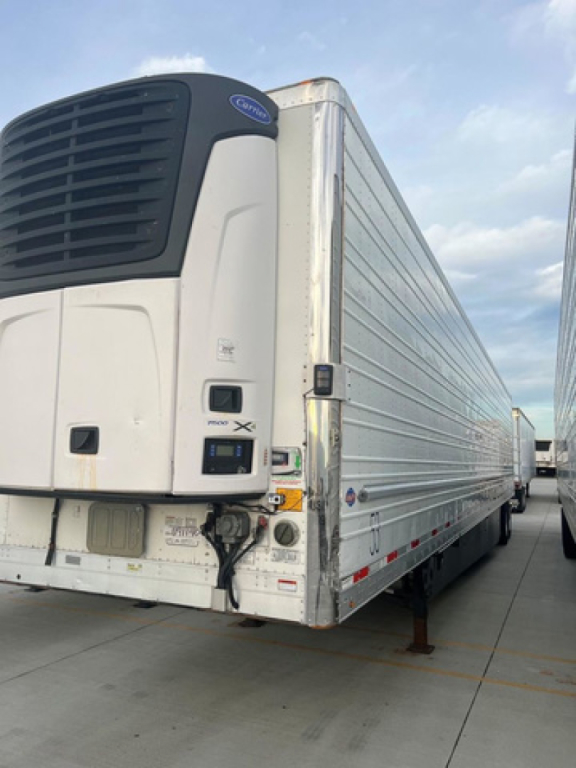
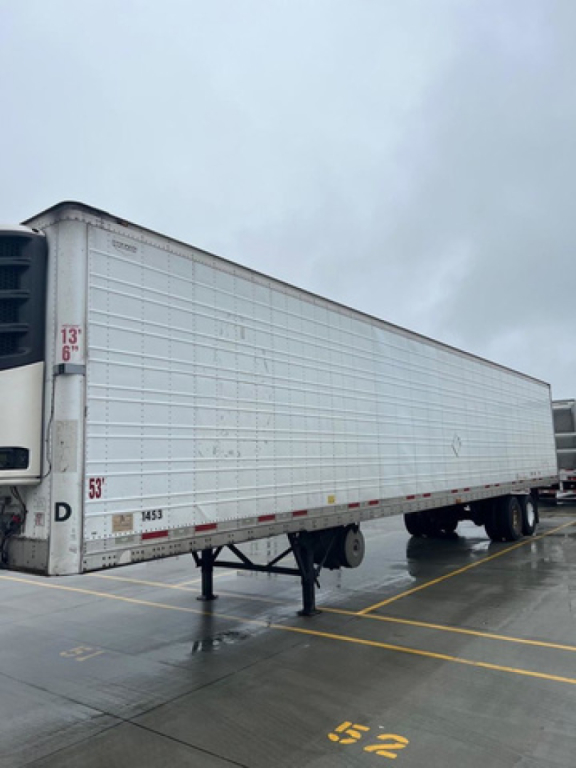
Browse used refrigerated trailers in Nebraska, including 53-foot reefers with Thermo King or Carrier units for cold chain freight.

Selling a used refrigerated trailer? List your used refrigerated trailer for sale and reach thousands of commercial buyers.
Used Refrigerated Trailers in Nebraska
The most common spec on the market is a 53-foot tandem axle reefer with an aluminum roof, swing rear doors, ducted or chute-style airflow management, and either Thermo King or Carrier equipment. Trailer details matter. Air-ride suspension is common for ride quality and cargo protection. Tire inflation systems can cut tire-related downtime and help with operating cost. Features like underbody storage, front tire protector plates, rear door grab handles, and mid steps improve day-to-day usability. Interior lining types such as Kemlite or Versitex affect durability, cleanability, and repair cost, especially for fleets hauling mixed food products or frequent multi-stop freight.
A buyer looking at used refrigerated trailers should pay close attention to reefer unit hours, maintenance records, microprocessor history, evaporator and condenser condition, floor wear, and door seal integrity. Unit hours alone do not tell the full story. A higher-hour unit with documented service can be a better purchase than a lower-hour unit with weak records. Check the floor for soft spots, broken or crushed channels, and signs of poor forklift traffic. Inspect the lining for punctures and delamination, the front wall for impact damage, and the rear frame for corrosion or hard dock contact. Tire tread depth, suspension condition, and brake wear are especially important on used trailers that have spent time in grocery or regional service.
Nebraska buyers should also think about operating conditions across all four seasons. A reefer that handles summer pull-downs well still needs to perform reliably in winter starts and hold temperature during long idle periods. If the trailer will spend time as cold storage, parking mode efficiency and unit run condition matter just as much as road performance. Buyers comparing listings should focus on box integrity, insulation performance, and verified reefer service history before cosmetic appearance. A sound used refrigerated trailer can deliver strong value when the trailer body seals tight, the unit cycles correctly, and the spec matches the freight.
Frequently Asked Questions about Used Refrigerated Trailers in Nebraska
What should I inspect first on a used refrigerated trailer?
Start with the refrigeration unit, the trailer body, and the floor. Review engine hours, service records, and any major component replacements on the reefer unit, including microprocessor, compressor, and evaporator work. Then inspect door seals, interior lining, front wall, and roof condition to make sure the box can hold temperature. Floor damage is a major cost item on used reefers because forklift wear, broken duct channels, and moisture intrusion can affect both cargo protection and sanitation.
What reefer unit brands are most common on used refrigerated trailers?
Thermo King and Carrier are the two most common refrigeration unit brands on used reefer trailers. Both are widely supported in the market, with strong parts and service networks across major freight corridors. Brand preference often comes down to fleet standardization, dealer support in your region, and technician familiarity. On a used trailer, documented maintenance and proper temperature performance usually matter more than brand alone.
Is unit hours or trailer age more important when buying a used reefer?
Neither should be judged by itself. Trailer age affects insulation, body wear, suspension condition, and corrosion exposure, while unit hours show how much the refrigeration system has worked. A newer trailer with poor maintenance can be a worse buy than an older one with a solid service file. Buyers should compare hours, service intervals, repair history, and the physical condition of the box and running gear together.
What trailer specs are common for refrigerated freight in Nebraska?
A 53-foot tandem axle reefer with air-ride suspension is the most common setup for food and cold chain freight moving through Nebraska. Many used units are equipped with swing doors, aluminum roofs, lined interiors, and tire inflation systems. This configuration fits long-haul and regional freight well, especially for grocery, frozen, and distribution work where cargo protection and temperature consistency are critical.
Can a used refrigerated trailer work as a storage trailer?
Yes, many used reefers are used for cold storage or even dry storage depending on the condition of the unit and the needs of the operation. If it will be used as active refrigerated storage, verify that the unit can hold setpoint reliably during long stationary run times and that the trailer seals tightly. If it will be used mainly as a storage box, body integrity, floor condition, and door operation may matter more than road specs like tire age or suspension wear.