
Used Utility Refrigerated Trailers For Sale in Nebraska
Shop used Utility refrigerated trailers in Nebraska. Compare 53-foot reefer specs, cooling units, suspension, lining, and condition details.
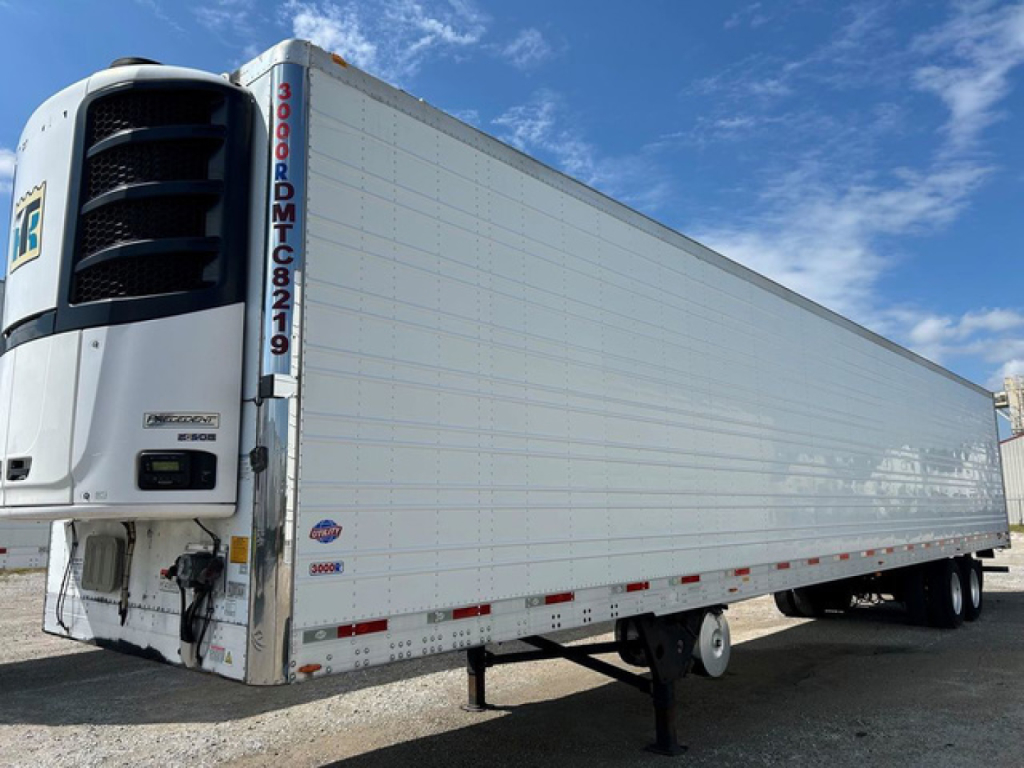

Selling a used utility refrigerated trailer? List your used utility refrigerated trailer for sale and reach thousands of commercial buyers.
Used Utility Refrigerated Trailers in Nebraska
A used Utility reefer should be evaluated as both a trailer and a refrigeration system. Common unit specs in this category include Thermo King and Carrier systems, and the hour meter matters just as much as the trailer model year. A lower-hour unit may reduce near-term service exposure, but service records, recent controller or microprocessor replacement, and evidence of proper preventive maintenance are often more important than hours alone. Buyers should also inspect the evaporator area, chute, drains, fuel tank, and start-stop performance. On the trailer side, pay attention to roof condition, front wall integrity, crossmember health, floor wear, and any interior liner damage. Utility trailers are often found with liner materials such as Versitex or Kemlite, and those details can affect washout durability, repair costs, and long-term sanitation performance.
Spec details can make a real difference in operating cost and day-to-day usability. Air ride suspension is common on fleet-spec Utility reefers and helps protect sensitive cargo while improving ride quality. Tire inflation systems, underbody tool or storage trays, mid-step access, rear door grab handles, and front tire protector plates are all useful features seen on many trailers in this class. Swing doors remain standard for most dock work, and buyers should check hinge wear, frame alignment, and gasket sealing before making a decision. Tire remaining tread depth, brake life, and signs of uneven wear can also reveal whether the trailer has been maintained properly or is due for catch-up work. If the trailer is being considered for storage use, reefer hours and road-spec tire condition may matter less than box integrity, insulation performance, and reliable stationary cooling.
For Nebraska operations, reefer buyers often balance highway use with seasonal demand swings and long dwell times at shippers, processors, or distribution points. That makes fuel efficiency, pull-down performance, and ease of service important selection points. Utility refrigerated trailers are often chosen because they are familiar to technicians, accepted across major freight networks, and practical to spec for food-grade service. The best used trailer is usually not the newest one on paper, but the one with a solid box, a refrigeration unit with documented maintenance, and a spec package that matches the freight lane and loading pattern.
Frequently Asked Questions about Used Utility Refrigerated Trailers in Nebraska
What should I check first on a used Utility refrigerated trailer?
Start with the refrigeration unit hours, maintenance history, and the condition of the insulated box. A used reefer can look clean outside and still have costly issues in the unit, floor, liner, or door seals. Check start-up, temperature pull-down, controller operation, fuel system condition, and any recent repairs. Then inspect the roof, front wall, interior lining, floor wear, suspension, brakes, and tires to understand the full cost of ownership.
Are Utility reefer trailers usually 53 feet long?
Yes, most fleet-spec Utility refrigerated trailers on the used market are 53-foot trailers configured for over-the-road and regional freight. That length is the standard for most food and temperature-controlled applications because it balances cube, payload efficiency, and dock compatibility. Buyers should still confirm axle configuration, kingpin setting, and overall spec because those details affect bridge compliance, loading flexibility, and how the trailer fits a particular operation.
How important are reefer unit hours on a used trailer?
Reefer unit hours are important, but they should not be viewed in isolation. A unit with higher hours and strong maintenance records may be a better buy than a lower-hour unit with poor service history. Review preventive maintenance intervals, major component replacements, controller updates, and evidence of proper operation. Unit brand, age, and repair documentation all matter when estimating remaining service life and near-term maintenance expense.
What interior features matter most in a used refrigerated trailer?
The most important interior features are the floor, liner, insulation performance, and door sealing surfaces. Look for liner cracks, punctures, delamination, soft spots in the floor, damaged scuff areas, and any sign of water intrusion. Food-grade operators should also consider how easy the interior is to wash out and keep sanitary. Interior material types such as Versitex or Kemlite can influence durability, repair approach, and long-term appearance.
Can a used Utility reefer be a good choice for storage use?
Yes, many older refrigerated trailers are repurposed successfully for cold storage or stationary storage applications. In that use case, road-related items such as tire condition or tread depth may be less important than box integrity, insulation, door seal condition, and dependable reefer operation while parked. Buyers planning storage use should still evaluate structural condition, electrical function, and whether the refrigeration unit can handle the required duty cycle efficiently.