
Used 2020 Refrigerated Trailers For Sale in South Dakota
Shop used 2020 refrigerated trailers in South Dakota. Compare reefer specs, refrigeration units, insulation, suspension, tires, and trailer condition.
Learn more
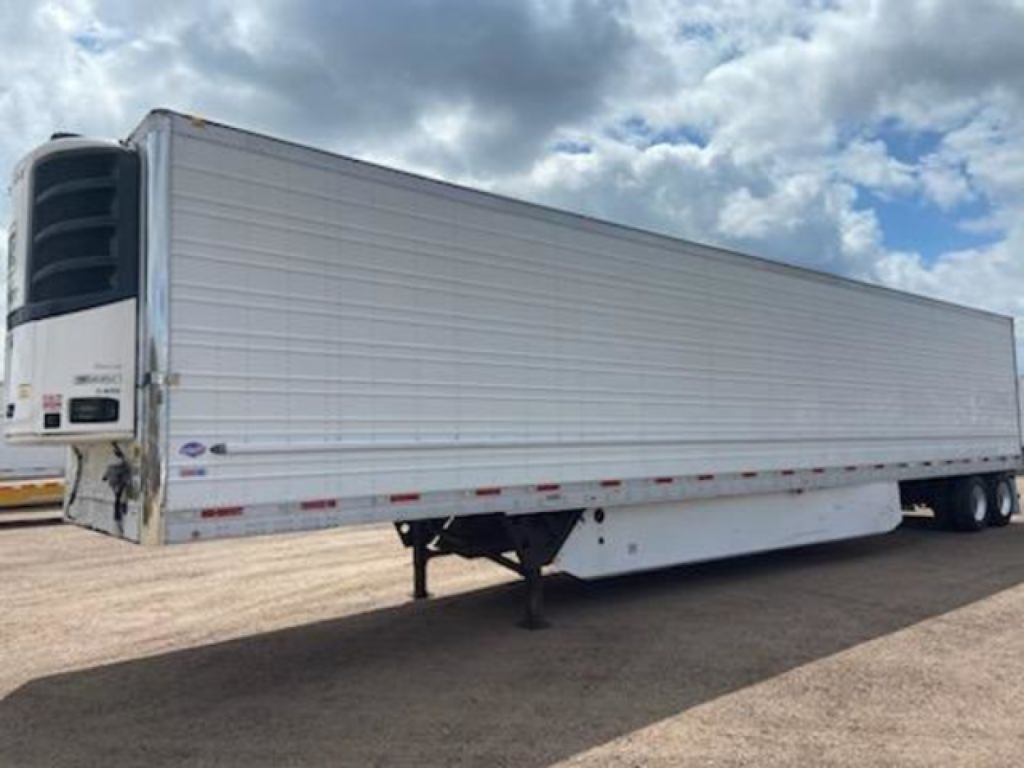
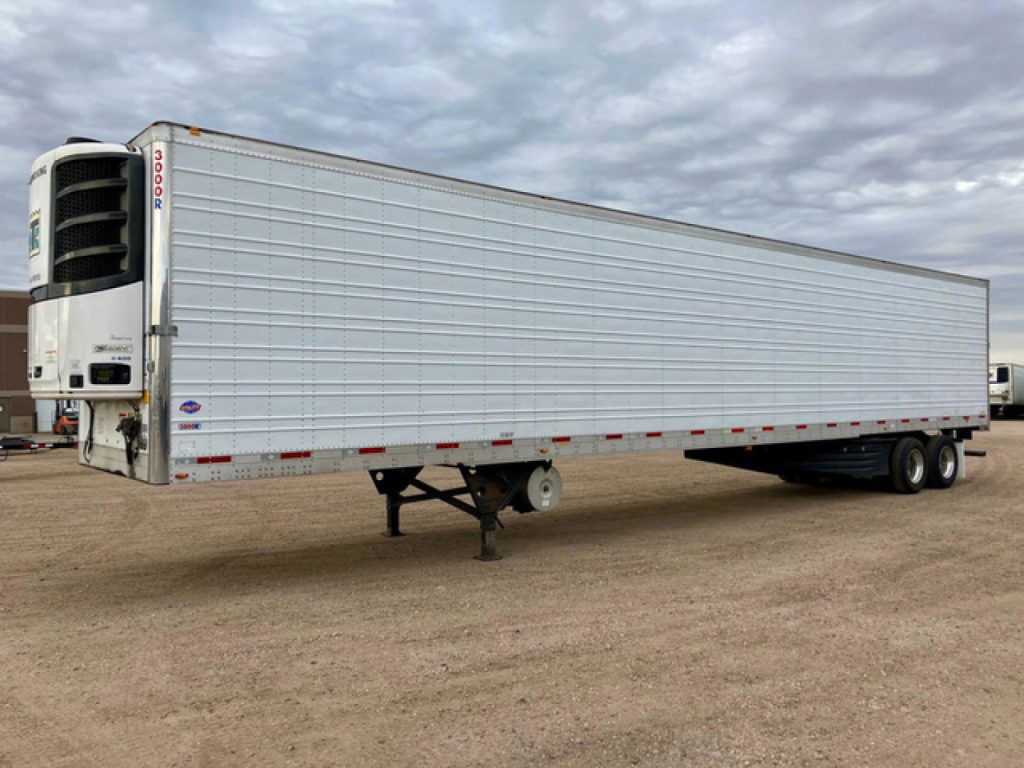
Have used 2020 refrigerated trailer to sell? List it here to reach thousands of buyers.
About Used 2020 Refrigerated Trailers in South Dakota
The refrigeration unit matters as much as the box. Buyers typically compare Thermo King and Carrier units by model, hours, service records, pull-down performance, fuel consumption, and parts support in their operating area. Unit hours should be reviewed alongside the trailer's age, because reefer engine hours tell you far more about wear than the model year alone. Interior condition is also critical. Scuff liners, wear bands, floor type, door seals, and wall liner condition affect sanitation, temperature retention, and loading durability. If the trailer will handle multi-stop foodservice work, look closely at rear frame condition, threshold wear, and how well the floor drains, since repeated door cycles and pallet traffic show up quickly on a reefer.
South Dakota operators also need to pay attention to suspension, tires, and corrosion exposure. Air ride is common on refrigerated trailers because it helps protect sensitive freight and reduces shock on rougher secondary roads. Tire inflation systems can lower maintenance costs and help keep tire wear more even across high-mileage lanes. Check brake life, drum or rotor condition, wheel ends, and axle alignment, especially on used units that have spent time in northern climates where road treatment can accelerate rust around crossmembers, rear impact guards, and fastening points. Reefer buyers should also confirm the condition of the bulkhead, the integrity of insulation, and the operation of lights, door hardware, and any telematics or temperature recording equipment.
A good 2020 reefer trailer should be evaluated as a temperature-controlled system, not just a trailer with a cold unit mounted on the nose. The right purchase depends on commodity mix, route length, dock frequency, and the temperature range required by your customers. Continuous-run operations may prioritize unit health and fuel efficiency, while regional distribution may care more about door durability, interior cleanliness, and stop-and-start performance. Also known as a reefer trailer, this equipment class is built for shippers who cannot afford temperature drift, cargo claims, or downtime, so maintenance records, pre-trip cooling performance, and overall trailer structure should weigh heavily in any buying decision.
Frequently Asked Questions
What should I inspect first on a used 2020 refrigerated trailer?
Start with the refrigeration unit, unit hours, and maintenance records, then move to the insulated box and running gear. A reefer trailer's value depends on its ability to hold temperature consistently, so buyers should verify pull-down performance, inspect door seals, check the floor and wall liner condition, and look closely at the suspension, brakes, tires, and wheel ends. Structural rust, rear frame damage, and poor interior sanitation can turn a decent-looking trailer into an expensive ownership problem.
Are 2020 reefer trailers a good balance between price and remaining service life?
For many buyers, yes. A 2020 refrigerated trailer is often new enough to have current insulation, liner, and refrigeration technology, but old enough to be priced below very late-model equipment. The key is not the calendar year by itself. Service history, reefer unit hours, prior application, and overall structural condition determine how much useful life remains. A well-maintained 2020 trailer can still fit demanding regional or over-the-road temperature-controlled work.
Which refrigeration unit is better, Thermo King or Carrier?
Both Thermo King and Carrier are widely used in the reefer market, and either can be a solid choice when supported by good service history and local dealer coverage. Buyers should compare unit model, hours, alarm history, fuel usage, and parts availability in the lanes they run most often. The better choice is usually the one with stronger maintenance documentation and better service support near your operating area, not simply the brand badge.
Why does interior condition matter so much on a refrigerated trailer?
Interior condition directly affects temperature control, sanitation, and forklift durability. Damaged scuff liners, worn floors, broken door seals, and compromised wall surfaces can lead to temperature loss, moisture issues, and cargo claim risk. Reefer trailers used in food-grade service need a clean, sound interior because insulation performance and product protection depend on more than the refrigeration unit alone.
What features are most useful for reefer service in South Dakota?
In South Dakota, buyers usually benefit from strong cold-weather starting performance, dependable insulation, air ride suspension, and running gear that has been checked for rust and winter-related wear. Tire inflation systems, good brake life, and solid door seals are especially useful for long highway miles and changing seasonal conditions. Local service access for the refrigeration unit is also important because downtime during extreme temperatures can be costly.