
2020 Refrigerated Trailers For Sale in South Dakota
Shop 2020 refrigerated trailers in South Dakota. Compare reefer specs, insulation, floor design, suspension, and temperature-control features.
Learn more
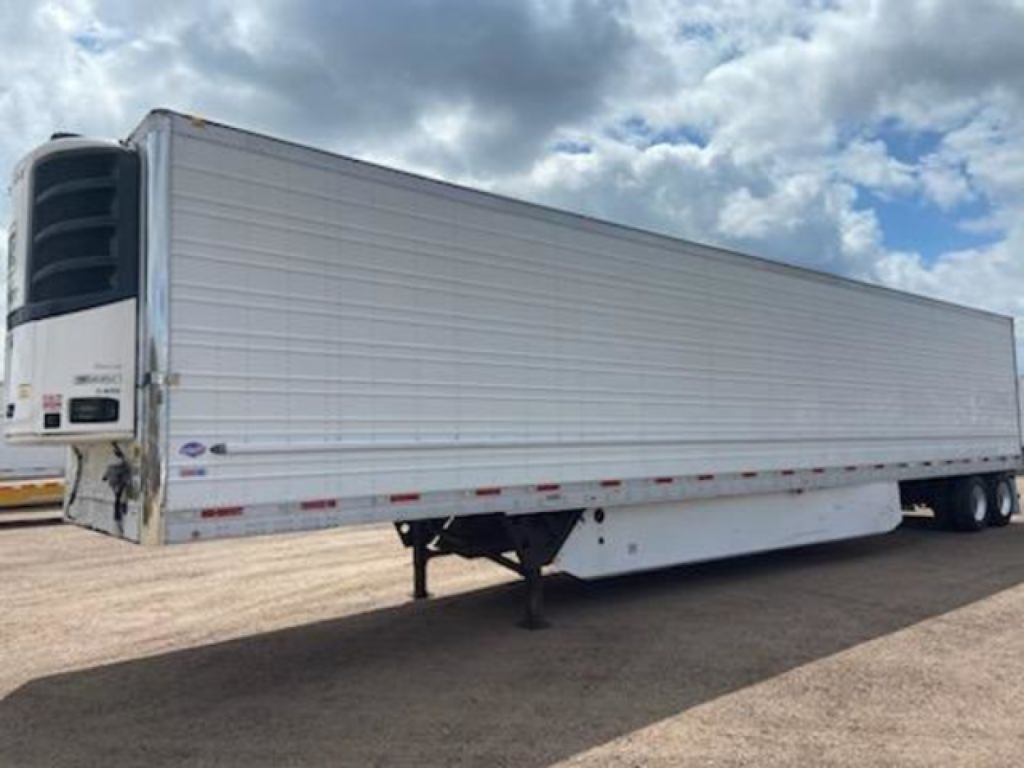
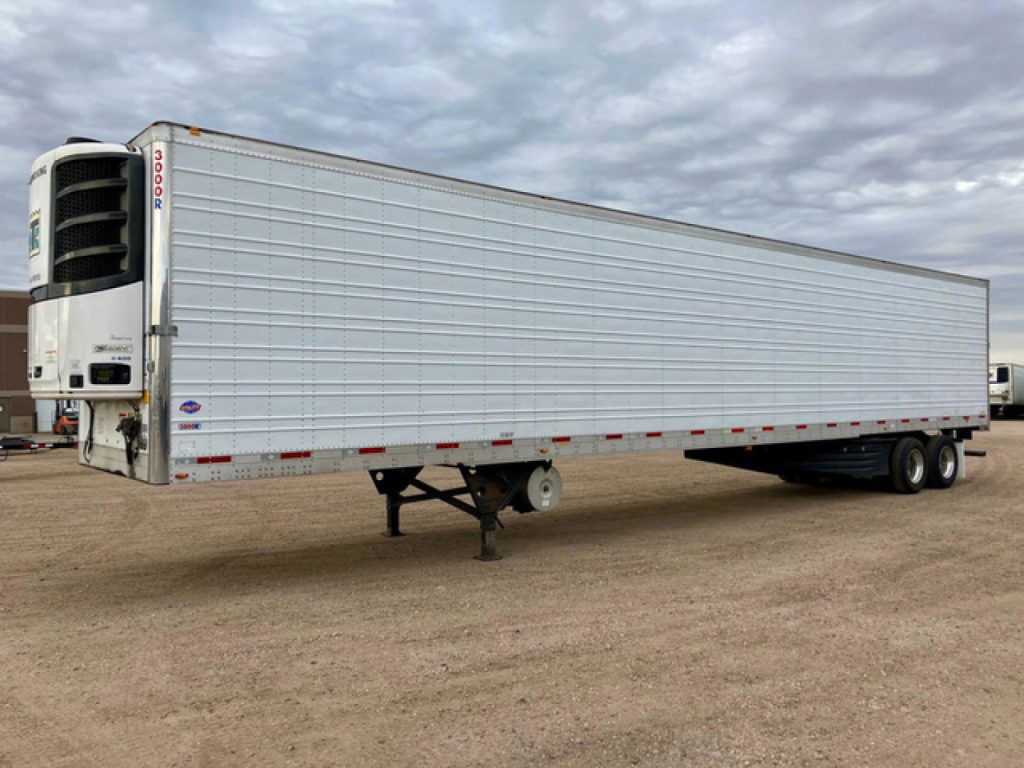
Have 2020 refrigerated trailer to sell? List it here to reach thousands of buyers.
About 2020 Refrigerated Trailers in South Dakota
Common specs in this category include 53-foot overall length, tandem axles, 22.5-inch tires, air ride suspension, and a movable tandem slide for bridge law compliance and dock positioning. Buyers should pay close attention to the reefer unit hours, maintenance history, and whether the unit was used primarily for frozen, fresh, or multi-temp service. Interior details matter just as much as the refrigeration unit. Check for scuff liners, duct floors or aluminum T-floor condition, interior width, ceiling height, bulkhead setup, and door seal integrity. Swing doors are still standard, but pallet count, floor wear, and any history of forklift impact can tell you a lot about remaining service life.
In South Dakota, reefer buyers should think about year-round operating conditions. Winter use puts extra importance on unit start reliability, fuel system condition, battery health, and door seals that can hold temperature in sub-freezing weather. Summer produce and protein loads put the focus back on pulldown performance and airflow management. If the trailer will run long interstate lanes, aerodynamic roof and side configurations, low rolling resistance tires, and a well-maintained suspension can help control operating cost. For fleets loading heavy frozen freight, tare weight and floor rating can affect how much legal payload the trailer can actually carry.
The best 2020 refrigerated trailers are the ones with a clean temperature history, solid structural condition, and spec choices that fit the lane. Look closely at crossmember condition, sidewall repairs, evaporator cleanliness, and signs of moisture intrusion in the insulation. Buyers comparing late-model reefer trailers should also verify tire condition, brake life, ABS function, and whether the unit includes options such as trailer skirts, tire inflation systems, lift gates, or remote temperature monitoring. A well-specced reefer trailer can protect margins the same way it protects freight, especially when uptime, fuel economy, and load integrity matter on every run.
Frequently Asked Questions
What should I check first on a 2020 refrigerated trailer?
Start with the refrigeration unit hours, service records, and proof of consistent preventive maintenance. After that, inspect the trailer body for insulation issues, floor wear, door seal condition, and signs of sidewall or roof repair. A reefer trailer can look clean outside and still have expensive problems if the unit has high hours, poor pulldown performance, or hidden moisture intrusion in the box.
Is a 2020 reefer trailer a good age for fleet use?
Yes, a 2020 reefer trailer is often considered a practical age for fleet buyers because it is new enough to offer current specs and late-model refrigeration technology, but old enough to avoid the highest acquisition cost. The real value depends on unit hours, operating history, structural condition, and maintenance discipline. A heavily used trailer with poor service history can cost more in downtime than a higher-priced unit with documented upkeep.
Which specs matter most on a refrigerated trailer in South Dakota?
In South Dakota, cold-weather reliability and year-round temperature stability are major concerns. Buyers should focus on reefer unit start performance, battery and fuel system condition, insulation integrity, and door seals that hold temperature in winter conditions. Suspension condition, tire spec, and tandem slide setup also matter for highway stability, legal loading, and seasonal freight flexibility.
How many pallets does a typical 53-foot reefer trailer hold?
A standard 53-foot refrigerated trailer typically handles 26 standard pallets in a straight load, depending on pallet size, interior dimensions, and freight configuration. Actual capacity can change if the trailer has a bulkhead, thick scuff liners, load bars, multi-temp partitions, or other interior equipment. Buyers should confirm interior measurements if cube and pallet count are critical to the operation.
What is the difference between fresh and frozen reefer service?
Fresh service usually demands stable airflow, careful temperature management, and fast loading and unloading to protect produce, dairy, or other perishable freight. Frozen service places more strain on pulldown performance, insulation, floor condition, and door seal quality because the trailer must hold lower temperatures consistently. A trailer that has spent years in frozen service may show different wear patterns than one used mainly for chilled freight.